Disclosure: This post contains affiliate links and I will be compensated if you make a purchase after clicking through my links. Learn More
A coded welder is a highly trained professional who passes specific welding tests, known as “coding,” to meet strict industry standards. Companies trust coded welders to deliver safe, certified, and reliable welds for critical projects in construction, oil, gas, and manufacturing. These welders are respected for their skill and attention to detail, and their work literally holds together the structures people rely on every day.
What Does “coded Welder” Really Mean?
A coded welder is not just any welder. The term means a welder who has passed welding tests set by a recognized standard (like ASME, AWS, or EN ISO). These tests check if the welder can produce welds that are safe, strong, and consistent. “Coded” comes from the “code” or standard the test follows.
Passing a welding code test is not a one-time task. The test involves welding specific joints, using certain processes, and following exact procedures. An inspector reviews the work, often with x-rays or destructive tests, to confirm it meets the code’s requirements.
Only then does a welder earn the “coded” status.
But the code is not just a formality. It exists because even the smallest mistake in a weld can have serious consequences. For example, a bad weld in a pressure vessel can lead to leaks or explosions. That’s why coding is so strict and respected.
A welder who is “coded” can show their skills under tough conditions, often with someone watching every step. Most people do not realize the pressure involved in these tests. It’s not enough to make a weld look good—it must pass all technical checks inside and out.
Why Do Industries Need Coded Welders?
Many industries depend on welded structures for safety and reliability. Think about bridges, pipelines, or pressure vessels. A weak weld can cause a disaster. Here’s why companies demand coded welders:
- Legal compliance: Most countries require coded welders for critical infrastructure projects.
- Safety: Coded welders reduce the risk of accidents, leaks, and failures.
- Quality assurance: Their work meets strict standards and passes inspections.
- Insurance requirements: Many insurers won’t cover projects unless coded welders are used.
In industries like oil and gas or nuclear power, a faulty weld can cost millions or even lead to loss of life. In many cases, government agencies will inspect projects and ask for proof that all welding was done by coded professionals.
Without this, a company can face fines, delays, or even legal action.
Another key point is that insurance companies often refuse to cover projects unless all welders are properly coded. This means that, for both financial and safety reasons, companies have no choice but to hire coded welders for important jobs.
The bottom line: coded welders protect lives, assets, and reputations.
The Main Welding Codes And Standards
Welding codes are like rulebooks. They define how to test and qualify a welder for specific jobs. The main codes include:
- ASME Section IX – Used for boilers and pressure vessels in the USA.
- AWS D1.1 – Covers structural steel welding, also widely used in America.
- EN ISO 9606 – The main European standard for qualifying welders.
- API 1104 – Used for pipeline welding, especially in oil and gas.
Each code explains the joint type, welding process, test position, materials, and acceptance criteria. A coded welder’s certificate will specify the code and the details they are qualified for.
Some codes focus on different industries or applications. For example, AWS D1. 1 is common in building construction, while ASME IX is used for anything under pressure, like boilers. EN ISO 9606 is increasingly accepted worldwide, even outside Europe. In oil and gas, API 1104 is trusted for pipelines because it covers the unique challenges of joining long pipes in the field.
Example: How A Welder Becomes “coded” Under Asme Ix
- The welder studies the procedure to be used (like TIG welding on stainless steel pipe).
- The welder prepares and welds a test piece (for example, a 6-inch pipe in the 6G position).
- Inspectors review the weld visually and often use x-rays.
- If the weld passes, the welder receives a certificate showing the code, process, materials, and positions.
Some companies also require additional tests, such as bend tests, where the weld is bent to a certain angle to check for cracks or weaknesses. These extra steps make sure only the best welders are coded.
Key Skills And Qualities Of A Coded Welder
Coded welders are not just good with tools—they have to prove their skills under pressure. Here’s what sets them apart:
- Technical accuracy: They follow procedures exactly, with no shortcuts.
- Consistency: Every weld must meet the code, not just “look good.”
- Manual dexterity: Steady hands and precise movements are essential.
- Attention to detail: Small mistakes can cause test failure.
- Problem-solving: They adjust techniques for different materials and positions.
- Safety mindset: They always use the correct protective gear and safe practices.
Many coded welders specialize in one process, like TIG, MIG, or Stick Welding. But top professionals can handle multiple codes and materials.
Coded welders also need good communication skills. They must read and understand complex welding procedures (WPS) and sometimes explain their work to inspectors or engineers. In many projects, they work closely with other trades and must fit their work into a bigger plan.
A less obvious skill is patience. Welders often spend hours practicing difficult positions, such as overhead or pipe welding, before taking the actual test. The ability to stay focused and calm under pressure is a big reason why coded welders are valued.
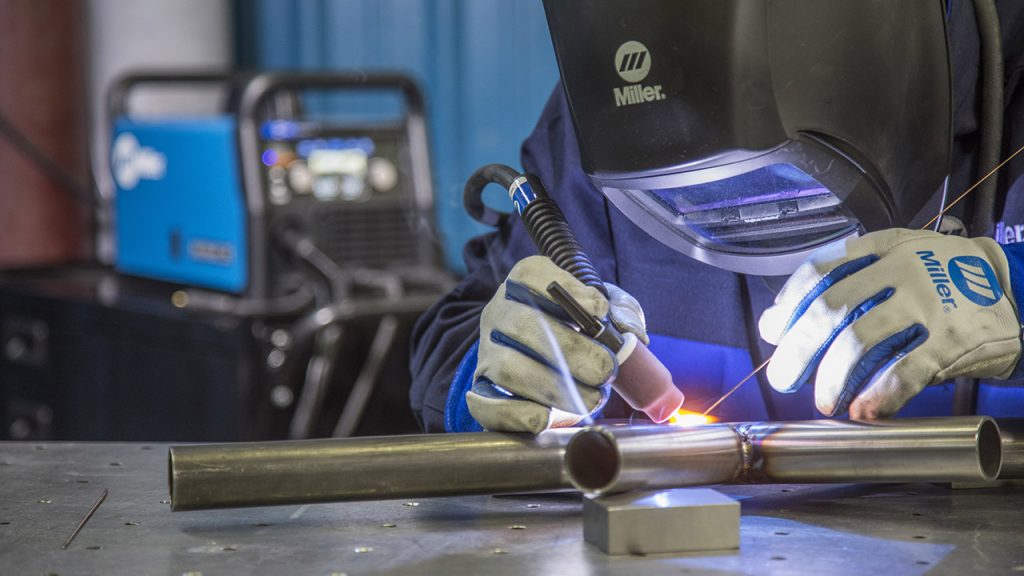
Credit: theweldingacademy.com
The Coded Welder Test: What’s Involved?
Getting “coded” is not easy. The test is practical, not just a paper exam. Here’s how it works:
- Test Setup: The welder receives a test piece (such as a steel pipe or plate) and a procedure to follow.
- Welding Process: The welder must weld the joint using the exact process required (e.g., GTAW, SMAW).
- Positions: The test may require welding in difficult positions—overhead, vertical, or 6G (a fixed pipe at a 45-degree angle).
- Inspection: Inspectors check the weld visually and often use x-ray (radiographic) or bend tests to find hidden defects.
- Certification: Only if the weld passes all checks does the welder receive a certificate. The certificate lists what they are qualified to weld.
Many test centers use real-world conditions, such as simulating wind or awkward angles, to make sure the welder can handle job site challenges. The welder cannot practice on the test piece in advance—everything must be perfect on the first attempt.
Typical Defects That Fail A Coded Welding Test
- Porosity: Small holes in the weld from trapped gas.
- Cracks: Any crack is cause for failure.
- Incomplete fusion: Weld metal does not join fully with the base material.
- Undercut: A groove is melted into the base metal at the weld toe.
Other defects include slag inclusion (trapped slag in the weld) and excessive spatter. Sometimes, even a small surface defect can fail the test if it goes against the code’s requirements.
These strict checks mean only truly skilled welders achieve coded status.
Main Welding Processes Used By Coded Welders
Coded welders must master specific processes. The main ones are:
- SMAW (Stick Welding): Common for structural steel and pipelines.
- GMAW (MIG/MAG Welding): Used for fabrication and automotive work.
- GTAW (TIG Welding): Chosen for stainless steel, aluminum, and critical joints.
- FCAW (Flux-Cored Arc Welding): Used in heavy fabrication and construction.
- SAW (Submerged Arc Welding): For large, automated welds in industry.
Each process has unique strengths. For example, TIG produces very clean welds but requires more skill. Stick welding is reliable outdoors. Coded welders often get qualified in more than one process to increase their job options.
Many jobs also require knowledge of pre-heating, post-weld heat treatment, and the effects of welding on different metals. For example, welding stainless steel or titanium requires special techniques to avoid contamination. Coded welders often keep detailed notes on what works best for different materials.
Some coded welders focus on niche areas, like orbital welding (automated pipe welding) or aluminum welding for aircraft. These extra skills can make a welder even more valuable and open doors to high-paying specialist roles.
Where Do Coded Welders Work?
Coded welders are in demand wherever safety and quality matter. The main sectors include:
- Oil and Gas: Building and repairing pipelines, refineries, and pressure vessels.
- Power Generation: Nuclear and conventional power plants need perfect welds.
- Construction: Bridges, skyscrapers, and stadiums all rely on coded welders.
- Shipbuilding: Large ships and submarines require certified welds for strength.
- Aerospace: Aircraft parts and support structures must meet high standards.
- Manufacturing: Heavy machinery, tanks, and equipment need reliable joining.
These industries often pay well for coded welders, especially for shutdowns, offshore, and remote projects.
Coded welders can also find work in repair and maintenance. For example, when a power plant shuts down for repairs, only coded welders can work on pressure lines or steam systems. Some welders travel internationally, working on major projects for months at a time, and earn high pay plus travel benefits.
In shipyards or aerospace, the work may involve tight spaces, unique metals, or specialized welding robots. Coded welders may supervise automated welding, check the quality, and fix any problems by hand.
Coded Welder Certification: What’s On The Certificate?
A coded welder’s certificate is a legal document. It proves the welder passed a test under a specific code. But certificates are not “one size fits all.” They include:
- Welding process: Which method the welder used (e.g., TIG, MIG).
- Material type and thickness: What metals and thicknesses were tested.
- Joint type: Butt weld, fillet weld, pipe, plate, etc.
- Position: Horizontal, vertical, overhead, 6G, etc.
- Welding parameters: Amperage, voltage, shielding gas, etc.
- Expiry date: Most certificates last 6 months to 3 years, with regular renewal tests.
Employers check the certificate before hiring. If the job needs a different process, position, or material, the welder may need a new test.
A key detail is that a coded welder for 6G pipe welding is often seen as the “gold standard”—it means the welder can handle almost any position. But welding a 1G (flat position) plate does not mean you can weld overhead, so coded welders often collect multiple certificates to cover more jobs.
Example Coded Welder Certificate Breakdown
| Field | Example Value |
|---|---|
| Welder Name | John Smith |
| Welding Code | ASME IX |
| Process | GTAW (TIG) |
| Material | Stainless Steel |
| Joint Type | Butt Weld, Pipe |
| Position | 6G |
| Expiry | 12/2025 |
Some certificates also include a photo of the welder, a unique ID number, and the inspector’s signature. This makes it harder to fake or misuse a certificate.

Credit: swel.biz
How To Become A Coded Welder: Step-by-step Guide
Many people want to become coded welders, but success takes planning and practice. Here’s a step-by-step process:
- Learn basic welding skills: Take a foundation course or apprenticeship to master core techniques.
- Gain experience: Work on real projects with different processes and materials.
- Choose your code and process: Decide which industry and process you want to qualify in (e.g., ASME IX for pipe TIG welding).
- Take a preparation course: Many training centers offer “coding test” prep courses.
- Attempt the test: Register at an approved test center. Follow the procedure exactly.
- Pass the inspection: If you pass, you receive your coded welder certificate.
- Keep current: You must renew your certificate as required, often with a retest.
It’s important to practice welding under test conditions—not just in your own workshop. Many welders fail their first test because they are not used to the stress or the strict rules. Training centers often have retired inspectors or experienced welders who can give practical feedback.
Typical Timeframe And Cost
- Training: 6 months to 2 years for basic skills.
- Prep course: 1–4 weeks.
- Test cost: $300–$1,000 per test, depending on the code and center.
Costs can be higher if you need to travel to a test center or repeat the test. Some employers will pay for the test if you work for them, but most expect you to arrive already coded.
The Value Of Coded Welders In The Marketplace
Coded welders are among the highest-paid tradespeople in the field. Here’s why:
- Scarcity of skills: Not every welder can pass the coding test.
- Legal requirements: Many jobs cannot start without coded welders.
- Quality assurance: Their work passes inspections, reducing costly rework.
- Mobility: Coded welders are in demand worldwide.
According to the U.S. Bureau of Labor Statistics, the average welder earns about $48,000 per year, but coded welders on oil rigs or shutdowns can earn $70,000–$120,000 or more with overtime.
Some coded welders work as contractors, moving from job to job, and can negotiate higher pay for urgent or dangerous work. Others are employed by major companies and enjoy steady benefits, paid travel, and access to advanced training.
An often-overlooked benefit is job security. When the economy is down, companies still need coded welders to keep vital systems running safely. Skilled welders rarely have trouble finding work, and many move into inspection, supervision, or teaching after years on the job.

Credit: www.aews.uk
Coded Welder Vs. Certified Welder: What’s The Difference?
Many people confuse “coded” and “certified.” Here’s a quick comparison:
| Aspect | Coded Welder | Certified Welder |
|---|---|---|
| Test Standard | Specific code (ASME, AWS, EN, etc.) | May be company-specific or more general |
| Job Scope | Critical, safety-related welds | General welding tasks |
| Renewal Required | Yes, regular retesting | Depends on employer |
| Industry Recognition | Widely accepted, often legally required | May not be accepted outside company |
A coded welder’s qualification is more rigorous and portable between employers and countries.
Common Myths About Coded Welders
Many beginners believe myths about coded welders. Here’s the truth:
- Myth 1: “Once coded, always coded.”
Fact: Certificates expire and must be renewed. Failing to weld regularly can void your status.
- Myth 2: “Any welder can pass the coding test easily.”
Fact: The tests are strict. Even experienced welders can fail without proper practice.
- Myth 3: “A coded welder can weld anything.”
Fact: Coding only covers specific processes, materials, and positions. You need multiple tests to cover more jobs.
- Myth 4: “Coded welding is only for big projects.”
Fact: Many small projects—like boilers or pressure vessels—also require coded welders by law.
Another common myth is that the test is just a formality. In reality, inspectors are strict and will fail a weld for even a minor code violation. Passing the test is a sign of true skill, not just experience.
Renewal And Maintenance Of Coded Welder Status
Coded welder status is not permanent. Most certificates require regular renewal:
- Continuity log: Welders must keep a log showing they have used the qualified process within the last 6 months.
- Retesting: Some codes require a retest every 1–3 years.
- Employer verification: Employers must sign off that the welder is still using their skills.
If you stop welding for a long period, you may need to retest to reactivate your certificate.
An important but often missed detail: If you change employers, you may need to show proof of recent work to keep your certificate active. Losing track of your continuity log can mean starting over. Some welders keep both paper and digital copies in case documents are lost.
Mistakes To Avoid As A Coded Welder
Even skilled coded welders can make errors that threaten their status or job. Watch out for:
- Ignoring the procedure: Always follow the approved welding procedure (WPS) exactly. Shortcuts can fail tests.
- Poor recordkeeping: Keep all certificates and logs up to date. Lose them, and you may have to retest.
- Outdated techniques: Welding technology changes. Keep learning to stay relevant.
- Neglecting safety: Safety mistakes can end a career. Always use PPE and safe practices.
Some welders also forget to maintain their equipment. Dirty or worn-out tools can cause defects in the weld and lead to failed tests. Staying organized and professional is part of being coded.
Non-obvious Insights About Coded Welding
Many newcomers miss these critical points:
- Test repetition is normal: Many top welders fail their first coding test. Persistence and learning from mistakes are key.
- Not all certificates are equal: Some test centers are better respected. Employers know which ones produce reliable welders.
- Paperwork is as important as skill: Losing your certificate or failing to log your work can void your status, even if you’re a great welder.
- Cross-qualification is valuable: Each additional code or process you pass expands your career options and salary.
Another insight: The best coded welders often help train others. By teaching, they keep their own skills sharp and gain respect in the industry.
The Future Of Coded Welding
Automation and robotics are changing manufacturing, but the demand for coded welders is still strong. Critical infrastructure, energy, and construction projects need human skill and judgment. Codes themselves are always updated, with new materials and techniques being added.
Welders who adapt, learn new processes, and keep up with industry trends will remain in high demand. In fact, the shortage of skilled coded welders in the USA and Europe means steady, well-paid work for those who qualify.
Some new technologies, like laser welding or advanced robotics, require welders who can program, monitor, and fix the machines. Coded welders who are also comfortable with technology have a major advantage in the job market.
For more details about welding codes and standards, see the official American Welding Society.
Frequently Asked Questions
What Is A Coded Welder?
A coded welder is a professional who passes specific welding tests to meet industry standards like ASME, AWS, or EN ISO. These tests prove the welder can produce safe, high-quality welds for critical jobs in construction, oil, gas, and manufacturing.
How Do You Become A Coded Welder?
You become a coded welder by learning basic welding skills, gaining experience, choosing a code and process, taking a prep course, and passing a practical welding test. Certification is only awarded after successful inspection and is valid for a limited time.
How Long Does A Coded Welder’s Certificate Last?
Most coded welder certificates last between six months and three years. To keep it active, you must regularly weld using the qualified process and maintain a log. Some codes require periodic retesting to renew your status.
What’s The Difference Between A Coded Welder And A Certified Welder?
A coded welder passes tests to a recognized code, which is legally accepted across employers and industries. A certified welder may have company-specific or less strict qualifications. Coded welders usually handle more critical and high-risk jobs.
Are Coded Welders In High Demand?
Yes, coded welders are in high demand, especially in oil and gas, construction, power generation, and shipbuilding. Their skills are legally required for many projects, and they earn higher pay because of the strict testing and quality standards.
—
A coded welder stands at the highest level of the welding profession. Their skills protect lives, property, and critical infrastructure. With the right training, persistence, and attention to detail, becoming a coded welder is both a challenging and rewarding career path. For those who want stable, respected, and well-paid work, this is one of the best trades to master.