Disclosure: This post contains affiliate links and I will be compensated if you make a purchase after clicking through my links. Learn More
Welding is a skill that builds bridges, cars, and skyscrapers. It supports industries and creates strong products. But welding also brings many health risks. Many new welders focus on technique and safety gear, but they may not know about the hidden dangers to their bodies over time.
Understanding these risks is the first step to staying safe and healthy in a welding career.
How Welding Works And Why Risks Exist
Welding joins metals by melting them with high heat. This process uses electric arcs, flames, or lasers. It creates intense light, heat, and fumes. The job often happens in small spaces, on construction sites, or in workshops with poor airflow.
Each method and location brings its own risks.
The main dangers come from:
- Hot metals and sparks that can burn skin or eyes.
- Bright light and ultraviolet rays that can harm vision.
- Fumes and gases released when metals and coatings melt.
- Noise from equipment.
- Heavy lifting and awkward postures.
These hazards can cause both short-term and long-term health problems.
Many beginners think that wearing gloves and a helmet is enough. However, health hazards in welding are more complicated. For example, even if you weld outdoors, wind can blow fumes back into your face. In a busy workshop, you might be exposed to other people’s welding fumes, not just your own.
Some types of metal, like galvanized steel, produce more dangerous fumes than plain steel. Also, the way you position yourself while welding can affect how much fume you breathe in—welding overhead or in a pit can trap fumes around you.
Not all risks are visible. Some, like UV radiation and toxic gases, cannot be seen or smelled. This makes it easy to ignore them until health problems appear. Welders must be aware that safety is not just about avoiding burns—it’s about protecting the whole body from damage that may take years to show up.
Respiratory Risks From Welding Fumes
What Are Welding Fumes?
Welding fumes are tiny particles and gases released when heat melts metal. They mix with the air and can enter the lungs with every breath. The composition depends on the metal, filler, coatings, and welding method.
Common dangerous substances in fumes:
- Manganese
- Chromium
- Nickel
- Cadmium
- Lead
- Zinc
- Iron oxide
- Ozone
Some fumes are produced in larger amounts when using certain welding processes. For example, stick welding (SMAW) often creates more fumes than TIG welding. The type of metal being welded also matters—welding on painted or coated surfaces can create extra toxic fumes.
Short-term Breathing Problems
Welders often notice a cough, sore throat, or chest tightness after working. Some experience metal fume fever, which feels like the flu. Symptoms include chills, fever, and muscle aches a few hours after welding—especially with zinc-coated metals.
Other short-term symptoms can include headaches and dizziness. Sometimes, welders think these are just signs of being tired, but they can be early warnings of overexposure to fumes or gases. If not recognized, welders may keep working and make the problem worse.
Long-term Lung Damage
Inhaling fumes over months or years can cause:
- Chronic bronchitis: Persistent cough and mucus.
- Asthma: Airways swell and narrow.
- Reduced lung function: Harder to breathe during activity.
- Lung cancer: Higher risk, especially with stainless steel or chromium welding.
A study from the International Agency for Research on Cancer (IARC) classified welding fumes as “carcinogenic to humans. ” This means regular exposure can cause cancer.
Welders who smoke are at even higher risk because their lungs are already under stress. Some health effects, like reduced lung function, may not be noticeable until the damage is advanced. This is why regular health checks are important, even if you feel fine.
Preventing Fume Exposure
- Use local exhaust ventilation near the welding spot.
- Wear a respirator if working in tight or unventilated areas.
- Choose low-fume welding processes when possible.
- Clean surfaces before welding to remove coatings.
Do not rely only on the fan in the room—local extraction arms or hoods are much more effective. Always check that filters are clean and working. If you feel short of breath, step away and get fresh air.
Skin And Eye Hazards
Burns And Injuries
Welding creates temperatures over 5,000°C (9,000°F). Hot metal, sparks, and spatter can cause serious burns in seconds. Even a quick touch can damage skin or ignite clothing.
Beginners sometimes forget that freshly welded metal stays hot for several minutes. Picking up metal pieces without gloves is a common mistake. Even small sparks can burn through thin clothing or lodge in boots, causing painful injuries. Welders should never roll up sleeves or leave collars open—this leaves skin exposed.
Uv Radiation: The Invisible Threat
Welding arcs emit ultraviolet (UV) rays, which are much stronger than sunlight. UV rays can:
- Cause “arc eye” (welder’s flash): A painful inflammation of the cornea, like a sunburn for the eyes.
- Increase risk of cataracts and vision loss over years.
- Burn skin, leading to redness, blisters, and higher skin cancer risk.
Not all welders realize that UV rays can reflect off surfaces and harm people nearby—even those not welding.
Reflected UV can bounce off concrete floors, metal tables, or even painted walls. Helpers or visitors in the workshop may suffer eye pain or sunburn, even if they are not looking at the arc. This is why using welding curtains or barriers is important, especially in shared spaces.
Eye Protection Tips
- Always wear a proper welding helmet with a suitable filter shade.
- Use safety glasses with side shields under the helmet.
- Keep helmet lenses clean and replace if scratched.
Some welders think a darker lens is always better, but too dark can make it hard to see and increase mistakes. Choose the correct shade for your process and amperage. Auto-darkening helmets are helpful, but check the batteries and sensors regularly.
Skin Protection Tips
- Wear flame-resistant clothing that covers all skin.
- Use welding gloves made from leather or other tough materials.
- Cover neck and face with a flame-resistant balaclava or neck flap.
Do not use synthetic fabrics like polyester, as they can melt onto the skin. Always check for holes in gloves or sleeves before starting work. Apply sunscreen to exposed skin if working outdoors, as UV rays are strong even in daylight.
Hearing Loss From Welding Noise
Welding often involves grinding, hammering, and power tools. Noise levels can reach over 100 decibels (dB). For comparison, city traffic is about 85 dB. Long-term exposure to loud sounds can cause permanent hearing loss.
Types Of Noise Hazards
- Arc welding machines: 85–120 dB
- Oxy-fuel cutting: 90–110 dB
- Grinding: 95–110 dB
Noise-induced hearing loss is gradual and painless. Many welders do not notice until it is too late.
High-frequency noise, like from grinders, damages the tiny hair cells inside the ear. Once lost, these cells do not grow back. Some welders notice they cannot hear high-pitched sounds or have trouble understanding speech in noisy rooms. Tinnitus, or ringing in the ears, is another common sign of damage.
How To Protect Hearing
- Wear earplugs or earmuffs rated for high noise environments.
- Take breaks from noisy tasks.
- Use quieter tools when available.
Custom-molded earplugs are available and can be more comfortable for long shifts. Always keep spare earplugs in your toolbox. If you must communicate while wearing protection, use earmuffs with built-in radios or microphones.
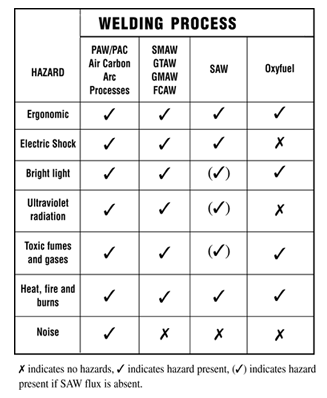
Credit: www.ccohs.ca
Chemical Exposure And Toxic Metals
Welding different metals or coatings can release toxic chemicals. These have unique risks:
Hexavalent Chromium
Found in stainless steel welding. Can cause:
- Lung cancer
- Asthma
- Allergic reactions
Even small exposures over time can build up and cause harm. Chromium can also irritate the skin.
Manganese
Overexposure can lead to manganism, a disease similar to Parkinson’s, with tremors and movement problems.
Symptoms may start as small hand shakes or clumsy movements. Early detection is important, as damage is difficult to reverse.
Cadmium
Present in some alloys and coatings. It is very toxic and can cause:
- Kidney damage
- Lung cancer
- Bone weakness
Cadmium fumes have a sweet smell, which can fool welders into thinking the air is safe. Always check if materials contain cadmium before welding.
Lead
Used in some solders or paints. Lead poisoning affects:
- Brain and nerves
- Kidneys
- Blood cells
Children and pregnant women are especially vulnerable if exposed to lead dust brought home on clothing.
Zinc Oxide
Vaporized from galvanized steel. Causes metal fume fever (flu-like symptoms).
This illness usually passes in a day, but repeated exposure can make symptoms worse and last longer.
Ozone And Nitrogen Oxides
Formed by the arc itself, especially in TIG and MIG welding. Can irritate the lungs and worsen asthma.
In some cases, ozone exposure can cause chest pain and shortness of breath even in healthy welders.
How To Reduce Chemical Exposure
- Check safety data sheets (SDS) for all materials.
- Remove coatings and paints before welding.
- Use proper ventilation and personal protective equipment (PPE).
If you are unsure about a material, ask a supervisor or safety officer. Never guess about what you are welding.
Fire And Explosion Hazards
Welding uses high heat and produces sparks. These can ignite nearby flammable materials.
Main Fire Risks
- Sparks landing on sawdust, oily rags, or paper.
- Compressed gas leaks (oxygen, acetylene).
- Flammable liquids stored nearby.
Even small fires can spread quickly if unnoticed. Sometimes, fires start inside walls or under floors, where sparks fall through cracks. Always check below and around your work area.
Explosion Dangers
Gas cylinders under pressure can explode if damaged or heated. Welding in closed tanks or pipes can also cause explosions if gas builds up inside.
Some gases, like acetylene, are unstable and can ignite from static electricity. Always move gas cylinders away from heat and sparks.
Fire Safety Practices
- Keep the work area clean and clear of flammable items.
- Store cylinders upright and secure.
- Check hoses and connections for leaks.
- Keep a fire extinguisher nearby.
Test fire extinguishers regularly and know how to use them. If you are unsure, ask for training.

Credit: www.lindapter.com
Physical Strain And Injuries
Welding work can be physically demanding. It often involves:
- Heavy lifting of metal parts and equipment.
- Awkward postures: Kneeling, crouching, overhead work.
- Repetitive movements for long periods.
Some jobs require working in confined spaces or at heights, increasing the risk of falls or muscle injuries. The constant vibration from power tools can also affect blood flow to hands and arms, leading to numbness or tingling.
Common Injuries
- Muscle strains in the back, shoulders, and arms.
- Carpal tunnel syndrome from repetitive hand motion.
- Knee and joint problems from squatting or standing on hard surfaces.
Ignoring pain or discomfort can turn a small problem into a long-term injury.
Reducing Physical Strain
- Use lifting aids or ask for help with heavy items.
- Arrange work at a comfortable height.
- Take short breaks to stretch and rest.
Simple changes, like using knee pads or anti-fatigue mats, can reduce strain. Rotating tasks with coworkers helps prevent overuse injuries.
Electrical Shock
Welders use electric currents to melt metal. Accidental contact with live parts can cause electric shock.
Risks Of Electric Shock
- Mild shock: Tingling or minor burn.
- Severe shock: Can stop the heart or cause muscle spasms that lead to falls.
Double Risk: Wet Conditions
Working in rain, on damp floors, or with sweaty gloves increases the chance of shock.
Water lowers the resistance of your skin, making it easier for electricity to pass through your body. Always stay dry and avoid puddles or leaks in your work area.
How To Prevent Shock
- Inspect cables and equipment for damage before use.
- Wear dry, insulated gloves and boots.
- Avoid welding in wet or damp areas.
If you feel a shock, stop work and report it. Small shocks can indicate bigger problems with equipment.
Heat Stress And Dehydration
Welding produces extreme heat. Working in hot environments or wearing heavy PPE can lead to heat exhaustion or heat stroke.
Signs Of Heat Stress
- Heavy sweating
- Weakness or dizziness
- Nausea
- Headache
- Confusion
Heat-related illnesses can develop quickly, especially in summer or in closed spaces. If not treated, heat stroke can be fatal.
Staying Cool And Safe
- Drink water often, even if not thirsty.
- Take breaks in the shade or a cool area.
- Wear lighter PPE when possible, but never skip protection.
Use cooling towels or fans if available. If you notice symptoms, tell a coworker and stop work until you recover.
Infectious Disease Risks
Some welding jobs are in dirty or contaminated locations. Cuts and burns provide a way for germs to enter the body.
Common Diseases
- Tetanus from bacteria in soil or rust.
- Hepatitis from contact with contaminated blood or tools.
Even small cuts can get infected if not cleaned properly. In some countries, welders are at risk of tuberculosis when working in old buildings or confined spaces.
Protection Steps
- Keep cuts and burns clean and covered.
- Stay up to date on vaccinations.
- Use gloves when handling dirty materials.
Report any signs of infection, like redness or pus, to a doctor quickly.
Mental Health Challenges
Welding is physically hard, but it can also affect mental health. Long shifts, repetitive tasks, and working in isolation can cause:
- Stress
- Fatigue
- Depression
Welders may feel pressure to meet deadlines or work in unsafe conditions.
Isolation can increase the risk of mental health problems, especially for those working on remote sites or night shifts. Some welders may hide their stress, thinking it is a sign of weakness, but mental health is as important as physical safety.
Supporting Mental Health
- Talk to coworkers or supervisors about workload.
- Take regular breaks.
- Seek help if feeling overwhelmed or anxious.
Many companies offer employee assistance programs or counseling services. Use these resources if you need support.
Comparing Welding Risks By Process
Different welding methods create different risks. Here is a comparison of major processes:
| Welding Process | Main Health Risks | Fume Level | Noise Level |
|---|---|---|---|
| Shielded Metal Arc (SMAW/Stick) | Fumes, UV, burns | High | Medium |
| Gas Metal Arc (GMAW/MIG) | Ozone, UV, burns | Medium | High |
| Gas Tungsten Arc (GTAW/TIG) | Ozone, UV, burns | Low | Low |
| Flux-Cored Arc (FCAW) | Fumes, UV, burns | High | High |
| Oxy-fuel Welding/Cutting | Flames, burns, fumes | Medium | Medium |
For example, TIG welding is quieter and produces fewer fumes, but it still produces strong UV light. MIG and flux-cored welding create more visible smoke and often need better ventilation. Understanding these differences helps welders choose the right protection for each job.

Credit: www.thefabricator.com
Age And Experience: Who Faces More Risk?
Both new and experienced welders face health risks, but in different ways.
| Group | Common Risks | Why? |
|---|---|---|
| New Welders | Burns, eye injuries, shocks | Lack of experience, poor PPE use |
| Experienced Welders | Chronic lung problems, hearing loss | Years of exposure, sometimes overconfidence |
New welders may skip PPE or make mistakes like looking at an arc without a helmet. Experienced welders sometimes get comfortable and ignore symptoms or skip safety steps, thinking they are immune to problems. Both groups benefit from regular training and reminders.
Non-obvious Risks That Many Miss
Some hazards are not obvious to beginners, but can be just as dangerous as the more visible ones.
- Take-home Toxins: Fumes and dust can settle on clothing and skin. This means welders can bring home dangerous metals like lead or cadmium, putting family members at risk. Changing clothes and washing hands before leaving work can reduce this danger.
- Reflected Radiation: UV rays reflect off shiny surfaces, harming not only the welder but also people nearby. Even those not looking directly at the arc can suffer eye burns or skin damage. Using screens or barriers can help shield others in the area.
Another hidden danger is bystander exposure. Helpers or other workers near the welding area may not wear PPE, but they can still inhale fumes or suffer eye injuries. Always warn others before starting to weld.
Common Mistakes Welders Make
Many welders, especially those new to the job, make mistakes that increase health risks:
- Not wearing full PPE because it feels uncomfortable or slows down work.
- Ignoring early symptoms like cough, sore eyes, or ringing in the ears.
- Skipping equipment checks and using damaged cables or helmets.
- Welding in poor ventilation or without fume extraction.
- Working alone without telling someone, which can delay help after an accident.
Another mistake is failing to check for hidden hazards, like flammable liquids stored nearby or blocked fire exits. Rushing through setup can make a dangerous situation worse.
Long-term Effects: What Science Says
Numerous studies connect long-term welding work to serious health problems:
- Welders have a 30–40% higher risk of lung cancer compared to non-welders.
- Chronic bronchitis is twice as common among welders.
- Up to 50% of welders show signs of hearing loss after 10+ years.
- Studies link manganese exposure to movement disorders similar to Parkinson’s disease.
For more detailed data, see the World Health Organization’s occupational safety resources.
Some welders develop allergies to metals or fumes, leading to skin rashes or breathing problems that can end a career. Early symptoms, like shortness of breath or joint pain, should never be ignored.
Safety Steps For Welders
Good safety habits and correct equipment can reduce most welding health risks.
- Wear proper PPE every time: Helmet, gloves, flame-resistant clothes, ear protection.
- Keep work areas ventilated and use fume extractors.
- Inspect tools and cables before use.
- Take breaks and rotate tasks to avoid fatigue.
- Attend safety training and stay updated on best practices.
- Report any symptoms early to a supervisor or doctor.
If you feel unwell after welding, do not wait—get checked by a medical professional. Preventing a problem is easier than fixing one.
What Employers Should Do
Employers have a duty to protect welders’ health by:
- Providing proper PPE and making sure it is used.
- Installing and maintaining ventilation systems.
- Training workers on hazards and safety procedures.
- Scheduling medical checks for early health problems.
- Limiting exposure to dangerous metals and fumes.
Employers should also encourage a safety culture, where workers feel comfortable reporting hazards or asking for help.
The Role Of Medical Monitoring
Regular health checks can find problems early. These may include:
- Lung function tests
- Hearing tests
- Blood tests for toxic metals
- Eye exams
Early action can prevent permanent damage and keep welders working safely.
Medical records should be kept up to date. If a worker changes jobs, sharing this information can help new employers protect them better.
Welding And Pregnant Workers
Pregnant welders face special risks. Many metals and fumes can harm unborn babies. Lead, mercury, and cadmium are especially dangerous. Pregnant workers should avoid exposure and talk to their doctor about safe work options.
Some companies offer alternative tasks for pregnant welders, such as inspection or planning roles. Always inform your supervisor if you are pregnant.
Advances Making Welding Safer
Technology is improving safety in welding. Some changes include:
- Auto-darkening helmets that protect eyes instantly.
- Low-fume electrodes and wires.
- Robotic welding for dangerous tasks.
- Real-time air monitoring to track fume levels.
Other advances include better PPE designs that are lighter and cooler, making it easier to wear protection all day. New welding machines often have safety features that shut off power if a problem is detected.
Still, no technology replaces the need for awareness and safe habits.
Frequently Asked Questions
What Are The Most Dangerous Fumes In Welding?
The most dangerous fumes include hexavalent chromium, manganese, cadmium, and lead. These can cause cancer, nerve damage, and lung disease with regular exposure.
How Can Welders Protect Their Lungs From Fumes?
Welders should use local exhaust ventilation, wear a respirator if needed, and always work in well-ventilated spaces. Cleaning metals before welding also reduces fumes.
Do All Types Of Welding Have The Same Health Risks?
No. Risks vary by process and metal. For example, stainless steel welding produces more toxic fumes than mild steel. TIG welding creates less fume but more UV radiation.
Can Welding Cause Permanent Eye Damage?
Yes. Exposure to UV rays without proper protection can cause “arc eye” and increase the risk of cataracts or permanent vision loss over time.
Are Welders At Higher Risk For Hearing Loss?
Yes. Noise from welding machines and tools can damage hearing over time. Earplugs or earmuffs help protect against this risk.
Welding is an important trade, but it comes with real health risks. By understanding these dangers and following safety practices, welders can protect themselves and those around them. Regular training, the right equipment, and attention to early symptoms make a safer, healthier work life in welding possible.