Disclosure: This post contains affiliate links and I will be compensated if you make a purchase after clicking through my links. Learn More
Starting a small mobile welding business can be a practical way to earn money and use hands-on skills. Many people need repairs or custom work for cars, fences, machinery, and more. As a mobile welder, you travel to your customers, so you save on rent and can accept jobs in many locations. This kind of business does not require a huge investment, but you must plan carefully. In this guide, you will learn every important detail: choosing equipment, getting customers, legal steps, safety, pricing, and daily operations. If you want to work with your hands, solve problems, and earn a good income, mobile welding is a smart choice.
Understanding The Mobile Welding Business
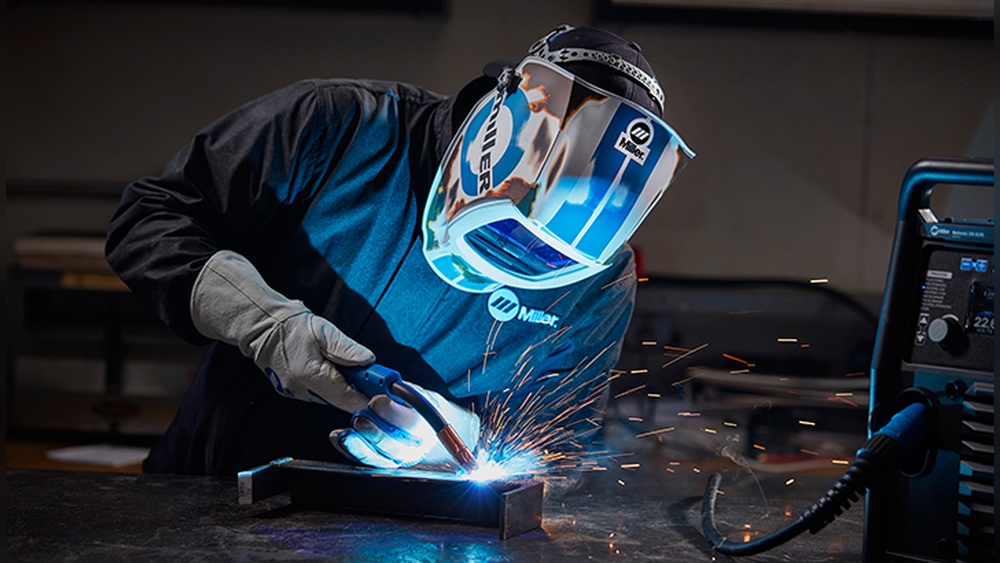
Mobile welding means you bring your tools and skills to the customer’s location. Unlike a fixed shop, you work in different places each week. Common customers include farmers, construction companies, factories, homeowners, and auto shops. Jobs can range from fixing broken gates to building new metal structures.
This business works well in both cities and rural areas. In rural places, farmers and ranchers often need quick repairs on equipment. In cities, businesses may need metal repairs that cannot be moved. You need to be flexible and ready to travel.
One fact many beginners miss: mobile welders often earn more per hour than shop welders, because you provide extra convenience. The work is also less predictable, so you must be good at planning your schedule.
Essential Skills And Qualifications
You need more than just basic welding skills. Customers want strong, safe welds that last. Before you start, make sure you can do the following:
- Welding Techniques: Know at least two methods—MIG, TIG, and Stick welding are most common. Each method works better for certain materials.
- Metal Cutting and Shaping: You may need to cut, bend, or grind metal as part of repairs.
- Blueprint Reading: Some jobs require reading simple plans or sketches.
- Problem Solving: Every job is different. You must find solutions with the tools you have.
- Customer Service: Good communication helps you win repeat business.
Some jobs may require a welding certification. Even if not required, certification shows you have skill and take safety seriously. In the US, the American Welding Society (AWS) offers respected certificates.
Planning Your Mobile Welding Business
Planning saves money and reduces mistakes. Ask yourself these questions:
- Who are your main customers?
- What services will you offer?
- How far will you travel?
- Will you work full-time or part-time?
- What is your starting budget?
Write a simple business plan. It should include your goals, pricing, expenses, and a marketing plan. Many welders skip this step, but even a short plan helps you stay focused.
Example Business Plan Outline
- Services: Fence repair, auto welding, farm equipment repair
- Service Area: 50-mile radius
- Pricing: $90/hour plus materials
- Expenses: $8,000 equipment, $1,000 insurance, $1,500 truck upgrades
- Marketing: Website, business cards, local ads
Legal Steps And Business Registration
You must follow local laws before you start working. These steps protect you and your customers.
- Choose a Business Name: Pick a name that is easy to remember. Check if it is available in your state or country.
- Register Your Business: Most areas require you to register your business. You may set up as a sole proprietorship, LLC, or other structure. LLCs offer more personal protection.
- Get a Tax ID Number: This is needed for taxes and to open a business bank account.
- Get the Right Licenses and Permits: Some cities require a welding or trade license. Ask your city or county office.
- Insurance: Buy liability insurance. This protects you if you damage property or someone gets hurt.
- Keep Good Records: Track your income and expenses from day one.
Missing a legal step can lead to fines or business closure. Do your research or talk to a small business advisor.
Credit: www.millerwelds.com
Choosing The Right Equipment
Your equipment is your business. Do not buy the cheapest tools, but you also do not need the most expensive. Here is what most mobile welders need:
Welding Machine
You need a portable machine that can handle different jobs. Choose a machine that supports at least two welding processes—MIG and Stick are most common for mobile work.
Power Supply
Most welding machines need 220V power. Carry a generator (at least 7000 watts) for places without electricity. This is an extra cost, but it lets you work anywhere.
Welding Accessories
Bring cables, clamps, helmets, gloves, jackets, wire brushes, grinders, and spare parts. Good safety gear is essential—never compromise.
Cutting Tools
Many repairs require cutting metal. Carry an angle grinder and, if possible, a plasma cutter or oxy-acetylene torch.
Vehicle Setup
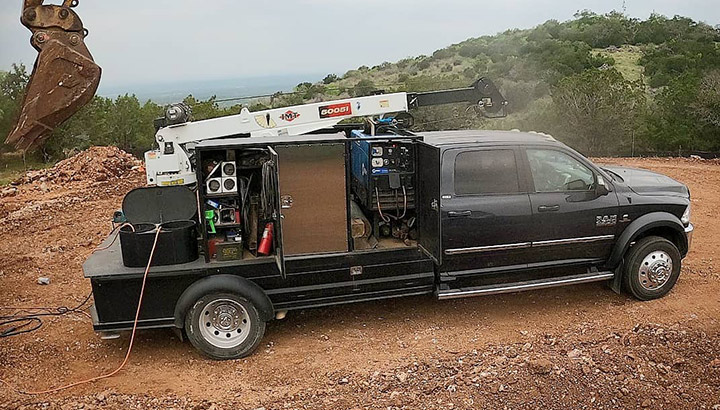
You need a reliable truck or van with enough space. Add racks or toolboxes for safety. Many welders build custom storage in their truck beds.
Tools And Equipment Comparison
Below is a simple comparison of common mobile welding tools:
| Tool | Average Cost | Purpose |
|---|---|---|
| MIG/Stick Welder | $800 – $2,000 | General welding |
| Generator (7000W+) | $1,000 – $2,500 | Power supply |
| Angle Grinder | $50 – $150 | Cutting, grinding |
| Plasma Cutter | $500 – $1,500 | Metal cutting |
| Welding Helmet | $80 – $300 | Eye protection |
| Basic Hand Tools | $200 – $800 | Measuring, assembly |
Many beginners forget to buy enough spare parts like tips, wire, and grinding wheels. Running out in the field costs time and money.
Setting Up Your Mobile Workshop
A well-organized truck or van helps you work faster and safer. Here are tips for setting up your mobile workshop:
- Use lockable toolboxes for theft protection.
- Store gas tanks upright and secure them with straps.
- Keep heavy tools low to prevent them from moving during transport.
- Label tool drawers for easy access.
- Carry a first-aid kit and fire extinguisher.
Some welders install LED work lights on their trucks for working at night or in dark spaces. Small details like these can make your work smoother.
Pricing Your Services
Setting the right price is key. If you charge too much, customers may not hire you. If you charge too little, you will not cover your costs.
Common Pricing Methods
- Hourly Rate: Most mobile welders charge $60 to $120 per hour, depending on location and skill.
- Flat Fee: For common jobs (like fence repair), you can offer a set price.
- Minimum Service Call Fee: Many welders charge a $100–$200 fee just to visit, which covers travel and setup.
Factors That Affect Pricing
- Type of welding (MIG, TIG, Stick)
- Material (steel, aluminum, stainless steel)
- Travel distance
- Job complexity
- Special tools needed
Example: Price Calculation
Suppose a customer wants a steel gate repaired 30 miles away. You estimate two hours of work and $30 of materials. If your rate is $90/hour and your travel fee is $50:
$90 X 2 (labor) = $180
$50 (travel Fee)
$30 (materials)
Total: $260
You must also consider taxes, insurance, and equipment costs in your price.
Typical Mobile Welding Prices By Job
| Service | Average Price | Time Required |
|---|---|---|
| Small Fence Repair | $150 – $350 | 1–2 hours |
| Farm Equipment Repair | $200 – $500 | 2–4 hours |
| Custom Metal Fabrication | $300 – $900 | 3–8 hours |
| Automotive Welding | $120 – $400 | 1–3 hours |
Many new welders forget to include travel time in their price. Over time, this can cut into profits.
Marketing And Getting Customers
You need a steady flow of jobs. Start with the basics:
- Word of Mouth: Tell friends, family, and business contacts.
- Business Cards: Leave cards at hardware stores, auto shops, and feed stores.
- Simple Website: Show your services, prices, and contact info. Use clear before-and-after photos.
- Social Media: Post pictures of your work on Facebook, Instagram, or local groups.
- Local Ads: Small ads in newspapers or community boards can bring results.
- Partnerships: Work with auto shops, farms, or construction companies. Offer them a small discount for referrals.
Digital Marketing Example
A simple website can cost less than $200 per year. On your site, list services, prices, and areas served. Add a contact form. Ask happy customers for reviews. Good reviews build trust quickly.
Non-obvious Tips
- Use magnetic signs on your vehicle. These act as moving ads.
- Join local business groups or the Chamber of Commerce.
Many welders forget to follow up with old customers. A quick call or email after a job can lead to repeat work.
Managing Operations And Scheduling
Working in many locations can be confusing without good planning. Here’s how to stay organized:
- Use a calendar app to track jobs, addresses, and deadlines.
- Call ahead to confirm appointments and needed materials.
- Group jobs by location to save fuel and time.
- Keep a log of hours worked and money earned.
If you get busy, consider working with another welder. This keeps customers happy and lets you take bigger jobs.
Safety Precautions
Welding is dangerous. Burns, eye injuries, and fires are real risks. Safety must always come first:
- Wear full safety gear: Helmet, gloves, jacket, boots.
- Check for fire hazards: Keep water or a fire extinguisher nearby.
- Work in ventilated areas: Welding smoke is toxic.
- Secure gas tanks: Always upright, never near heat.
- Inspect equipment: Check cables, hoses, and machines before each job.
Many accidents happen because of small mistakes—using worn cables or skipping safety checks. Make safety a daily habit.
Managing Finances And Expenses
You must know where your money goes. Many small businesses fail because they do not track their finances.
- Open a separate business bank account.
- Use simple accounting software or spreadsheets.
- Track all expenses: Fuel, tools, insurance, marketing, materials.
- Save receipts and invoices.
- Set aside money for taxes (15–30% of income in many countries).
Plan for slow months. Set aside savings when you have extra work.
Example: Monthly Expenses
| Expense | Estimated Cost |
|---|---|
| Fuel | $200 – $500 |
| Equipment Maintenance | $50 – $150 |
| Insurance | $80 – $200 |
| Phone/Internet | $40 – $100 |
| Marketing | $30 – $100 |
| Materials & Supplies | $100 – $400 |
Many new welders forget about equipment maintenance. Regular checks prevent breakdowns and costly repairs.
Dealing With Customers
Clear communication wins repeat business. Follow these simple rules:
- Be on time. If you are running late, call ahead.
- Give clear quotes. List labor, materials, and travel costs.
- Explain your work. Show customers what you repaired or built.
- Handle complaints fast. Fix mistakes quickly to keep your reputation.
Ask for feedback after each job. Happy customers bring referrals.
Growing Your Business
After your business is steady, you can grow. Here are ways to expand:
- Offer more services: Add aluminum or stainless welding if you only do steel.
- Buy better tools: Faster machines or more cutting options let you take bigger jobs.
- Hire help: Another welder or helper means more jobs finished.
- Advertise more: Try online ads or local sponsorships.
- Specialize: Focus on a niche, like auto repair or gates, to become the local expert.
Many welders try to grow too fast. Make sure you have steady work and good cash flow first.
Common Mistakes And How To Avoid Them
- Underpricing work: Charge enough to cover all costs.
- Skipping insurance: One accident can ruin your business.
- Forgetting travel costs: Always include fuel and time.
- Ignoring safety: Injuries can end your career.
- Poor scheduling: Missed appointments lose customers.
- Not following up: Stay in touch with past clients.
- Buying cheap tools: They break and slow you down.
Beginners often forget that each job is different. Always assess the site before starting, and adjust your plan as needed.
Credit: www.reddit.com
Real-world Examples
- A welder in Texas started with a used pickup and $3,500 in tools. After two years, he earned over $60,000 per year, mainly from farm repairs and local factories. His biggest growth came from referrals and repeat customers.
- Another welder in Ohio focused on auto body shops. He built relationships and became their go-to for frame repairs, earning $100 per hour and working full-time within six months.
These stories show that mobile welding works if you focus on quality, service, and smart planning.
Industry Trends And Opportunities
Mobile welding is growing. More people want on-site repairs for convenience. Small manufacturers and farmers often need custom work. Some welders now use mobile payment apps for fast, easy transactions.
A new trend is adding fabrication services—not just repairs, but building new items like handrails or custom gates. This can double your income compared to repairs alone.
If you offer emergency services (night or weekend calls), you can charge higher rates. But only do this if you are ready for late hours and urgent jobs.
Useful Resources
- The American Welding Society offers online courses, safety guides, and certification info: American Welding Society
- Local community colleges often have welding programs.
- Business support groups or your local Small Business Development Center (SBDC) can offer free advice.
Frequently Asked Questions
How Much Does It Cost To Start A Mobile Welding Business?
Starting costs range from $7,000 to $15,000 in most areas. This includes a used truck, a good welding machine, generator, safety gear, and basic tools. You also need money for insurance and business licenses.
Do I Need A Welding Certification?
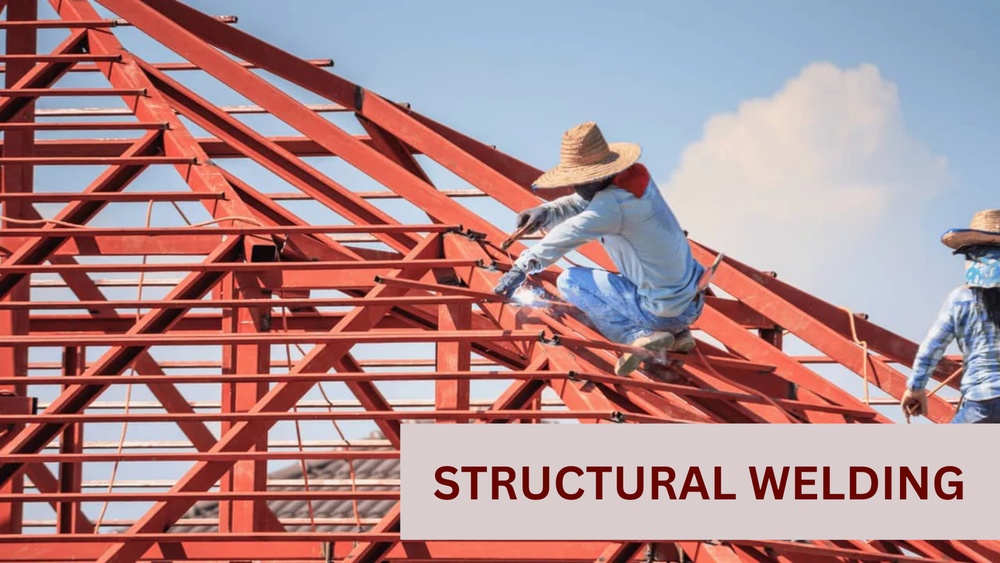
You do not always need certification, but it helps you win more jobs and charge higher rates. Some jobs, like structural welding, may require it by law. Check local rules or get certified through the American Welding Society.
How Do I Find My First Customers?
Start with friends, family, and local businesses. Pass out business cards at hardware stores and auto shops. Build a simple website and post your services on social media. Good work leads to repeat business and referrals.
What Are The Biggest Risks?
The main risks are injury, equipment theft, and unpaid invoices. Wear proper safety gear, insure your tools, and ask for deposits on big jobs. Good record-keeping and insurance reduce these risks.
Can I Run This Business Part-time?
Yes. Many welders start part-time while keeping another job. Mobile welding is flexible—you can work evenings or weekends. As you get more customers, you can switch to full-time if you want.
Starting a small mobile welding business is hard work, but it gives you freedom and the chance to build a strong reputation. With smart planning, good skills, and a focus on safety and service, you can succeed and grow your business for years to come.

Credit: www.youtube.com