Disclosure: This post contains affiliate links and I will be compensated if you make a purchase after clicking through my links. Learn More
Fixing Porosity Caused By Dirty Base Metal: A Complete Guide
Porosity is one of the most frustrating problems in welding. Small holes or voids inside the weld can make a strong joint weak. In most cases, these tiny holes come from trapped gas. One of the main reasons for this is a dirty base metal. If the surface you are welding is not clean, it can create serious problems for both the weld’s strength and appearance.
Many welders, both new and experienced, face porosity caused by dirty base metal. It can lead to rework, wasted materials, and even product failure. This guide will help you understand exactly why this happens, how to identify it, and, most importantly, how to fix and prevent porosity from dirty base metal.
You will find practical steps, real examples, and tips that often get overlooked. Even if you are not a native English speaker, you will find each section clear and easy to follow.
What Is Porosity In Welding?
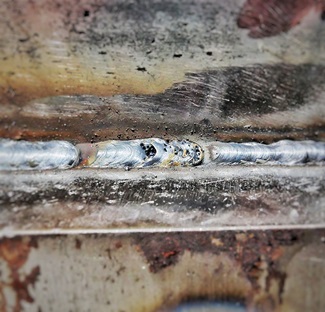
Porosity in welding means there are small holes or pockets of gas trapped inside the weld metal. These holes are often too tiny to see at first but can become clear after inspection or when the weld is under stress.
Porosity is a welding defect that can lower the strength of your joint and sometimes make it fail completely.
There are different types of porosity:
- Surface porosity: Holes that are visible on the surface.
- Subsurface porosity: Holes inside the weld, which you can see only with X-ray or ultrasonic testing.
- Wormholes: Larger, tunnel-like holes running through the weld.
Most porosity comes from gases like hydrogen, nitrogen, or oxygen. These gases can get trapped if the welding surface is dirty, wet, or oily.
Why Dirty Base Metal Causes Porosity
A dirty base metal is one that has oil, rust, paint, scale, moisture, or dust on its surface. When you weld over these, the heat turns these things into gas. This gas gets trapped in the molten metal and creates porosity.
Here are common types of dirt and how they affect welding:
- Oil and grease: They burn and create carbon dioxide or hydrogen gas.
- Rust and scale: They release oxygen and can react with the molten metal.
- Paint or coatings: These decompose and give off gases that get trapped.
- Moisture: Even small amounts of water create hydrogen gas when heated.
Many welders think a quick wipe or brushing is enough, but these surface contaminants are stubborn. They often need more than just a casual clean.

Credit: primeweld.com
Signs Your Porosity Is From Dirty Base Metal
Identifying the real cause of porosity helps you fix it faster. Here’s how to know if dirty base metal is to blame:
- Porosity appears along the whole weld, not just one spot.
- The weld looks uneven or has visible holes on the surface.
- You see black spots or small craters after grinding or chipping.
- Porosity increases in areas with more visible rust, paint, or oil.
- X-ray or ultrasonic tests show scattered holes inside the weld.
If you notice these signs, cleaning your base metal is the first thing to check.
Cleaning The Base Metal: Step-by-step
The most effective way to fix porosity from dirty base metal is a proper cleaning routine. Here are the steps, explained in a way you can use every day:
1. Remove Loose Dirt And Dust
Start by wiping or blowing away any loose debris. Use a clean rag or compressed air. Do not use your hand, as oils from your skin can add contamination.
2. Remove Oil And Grease
Oils are hard to remove with just water. Use a solvent like acetone or a degreaser. Apply the solvent to a clean cloth and wipe the metal. Do not pour solvents directly onto the metal, as this can just spread the oil around.
3. Remove Rust And Scale
For rust or scale, use a wire brush, grinder, or sandpaper. Stainless steel brushes are best for stainless steel metals. Always use a brush that is dedicated to one type of metal only. Using the same brush for different metals can cause cross-contamination.
4. Remove Paint Or Coating
Paints and coatings must be fully removed from the weld area. A grinder or sanding disc works best. Make sure you remove at least 25 mm (1 inch) from each side of the weld joint.
5. Remove Moisture
Moisture can come from water, humidity, or even from the cleaning process itself. After cleaning, allow the metal to dry completely. In cold or damp areas, use a heat gun or gently warm the metal with a torch before starting to weld.
6. Double-check Before Welding
Inspect the surface for any remaining dirt, oil, or rust. If you see anything, clean again. Never assume the metal is clean after just one pass.
Tools And Materials For Cleaning
Using the right tools makes cleaning faster and more effective. Here are tools you should have in your shop:
- Clean rags (lint-free)
- Solvents (acetone, alcohol, or commercial degreasers)
- Wire brushes (dedicated to each type of metal)
- Angle grinder with flap disc or grinding wheel
- Sandpaper (various grits)
- Compressed air
- Heat gun or propane torch
Each of these tools has a purpose. For example, wire brushes remove rust, but solvents remove oil. Do not skip either step.
How Clean Is Clean Enough?
Many welders ask, “How clean does the metal need to be?” The answer is: Clean enough that you see bare, shiny metal with no visible oil, rust, or paint. If you can rub a clean white cloth on the metal and it stays clean, you are ready.
Some welding codes and standards (like AWS D1. 1 for structural steel) require the weld area to be free of all visible contaminants. For critical jobs, follow the strictest standard.
Welding Processes Most Affected By Dirty Base Metal
Some welding processes are more sensitive to dirt than others. Here’s a quick comparison:
| Welding Process | Sensitivity to Dirty Metal | Common Issues |
|---|---|---|
| GMAW (MIG) | High | Porosity, weak welds |
| GTAW (TIG) | Very High | Severe porosity, contamination |
| SMAW (Stick) | Medium | Some porosity, slag inclusion |
| FCAW (Flux-Core) | Medium | Porosity, spatter |
| Oxy-Acetylene | Low | Rare porosity |
TIG and MIG welding are especially sensitive. Even a thin layer of oil or rust can ruin the weld.
How To Fix Existing Porosity In Welds
If you already have porosity in your weld, you can still fix it, but you must do it carefully.
1. Grind Out The Defect
Use an angle grinder to remove the section of the weld that contains porosity. Grind back until you reach clean, solid metal with no holes.
2. Clean The Area Again
After grinding, repeat the cleaning steps. Remove dust from grinding, and check for any oil or rust that may have been exposed.
3. Reweld The Joint
Weld the cleaned area again, using the correct settings for your process. Go slower, and pay attention to the puddle to make sure no new holes form.
4. Inspect The Repair
Look for new signs of porosity. If possible, test the weld with X-ray, ultrasonic, or dye penetrant inspection to make sure the defect is gone.
Credit: www.millerwelds.com
Preventing Porosity: Best Practices
Cleaning is only part of the solution. There are other steps you can take to prevent porosity from coming back.
Use Proper Storage For Materials
Store welding rods, wires, and base metals in a dry, clean place. Moisture and dust on these materials can also cause porosity.
Preheat The Base Metal
Preheating helps drive off moisture and reduces the risk of gas getting trapped. This is especially important for thick or high-carbon steels.
Use The Right Shielding Gas
For MIG and TIG welding, use a high-quality shielding gas. Poor gas quality or leaks in the gas system can also cause porosity.
Check For Wind And Drafts
Even small drafts can blow away shielding gas, letting air contaminate the weld. Weld in an area protected from wind.
Use Correct Welding Parameters
Too much or too little voltage, current, or travel speed can affect the weld pool and let gas get trapped. Follow the recommended settings for your machine and electrode.
Common Mistakes When Cleaning Base Metal
Even experienced welders make mistakes. Here are two non-obvious errors to watch for:
1. Using The Same Wire Brush For Different Metals
A wire brush used on carbon steel should not be used on stainless steel. Tiny particles can transfer and cause contamination, leading to porosity or even corrosion.
2. Leaving Solvent Residue
Some solvents leave a film if not allowed to dry fully. This residue can also cause porosity. Always let the solvent evaporate or wipe it off with a dry, clean rag before welding.
Differences Between Surface And Subsurface Porosity
It’s important to know where the problem is happening. Surface porosity is easy to spot, but subsurface porosity can go unnoticed until it causes a failure. Here is a comparison:
| Type | How to Spot | How to Fix |
|---|---|---|
| Surface Porosity | Visible on weld bead | Grind out and reweld |
| Subsurface Porosity | Seen by X-ray/ultrasound | Remove affected weld, clean thoroughly, and reweld |
How Cleanliness Affects Weld Quality
A clean base metal not only prevents porosity but also:
- Increases joint strength
- Improves weld appearance
- Reduces spatter and cleanup time
- Meets code and quality standards
In fact, studies show that welds made on clean steel are up to 30% stronger and have 50% fewer defects than those made on dirty metal.
Special Considerations For Different Metals
Steel
Steel is the most common metal for welding. It is sensitive to rust, oil, and scale. Use grinders, wire brushes, and solvents. Always clean both the top and bottom of the weld area.
Aluminum
Aluminum forms a thin oxide layer that can cause porosity. Always brush aluminum with a stainless steel brush just before welding. Remove oil with acetone, and make sure the piece is dry.
Stainless Steel
Stainless steel is sensitive to iron contamination. Use only brushes and tools dedicated to stainless. Clean with alcohol or acetone.
Galvanized Metal
Galvanized coatings release toxic fumes and cause severe porosity. Always grind off the coating at least 25 mm (1 inch) from the weld area and wear proper protection.
Workflow For A Porosity-free Weld
Follow this step-by-step workflow every time you weld:
- Inspect the metal for visible contaminants.
- Remove loose debris with compressed air.
- Clean oil and grease with solvent.
- Remove rust, scale, and paint by grinding or brushing.
- Dry the metal fully before welding.
- Check your welding area for drafts or wind.
- Set correct welding parameters.
- Make a short test weld and inspect for porosity.
- If clean, proceed with the full weld.
Why Some Welders Still Struggle With Porosity
Even after cleaning, some welders still see porosity. Two less obvious reasons:
- Porous grinding wheels or dirty wire brushes: Old tools can hold oil or dust. Clean or replace these tools often.
- Contaminated gloves or rags: Using oily or dirty rags/gloves can reintroduce contaminants. Always use clean supplies.
Real-world Example: Repairing A Porosity Failure
A small metal fabrication shop found repeated porosity in their MIG welds on steel frames. After checking the wire, gas, and machine, they discovered the workers cleaned only the top surface but not the bottom. Moisture and oil from the underside caused gas to get trapped, creating holes. Once they cleaned both sides and preheated the metal, porosity dropped by over 90%.
Comparing Cleaning Methods
Different cleaning methods work for different contaminants. Here’s how they compare:
| Cleaning Method | Removes Oil | Removes Rust | Removes Paint | Cost |
|---|---|---|---|---|
| Solvent Wipe | Yes | No | No | Low |
| Wire Brushing | Some | Yes | Some | Low |
| Grinding | No | Yes | Yes | Medium |
| Sandblasting | No | Yes | Yes | High |
For most welders, a combination of solvent wipe and wire brushing covers most needs.
Standards And Certifications
Many welding codes demand clean base metals before welding. For example, the American Welding Society (AWS) and ISO standards both require weld surfaces to be free of “detrimental materials.” Failing to follow these standards can mean your welds do not pass inspection, even if they look fine.
If you want more details on welding standards, you can visit the official American Welding Society website.

Credit: primeweld.com
Frequently Asked Questions
What Is The Main Cause Of Porosity In Welds?
The main cause is trapped gas in the molten metal. This usually happens if the base metal is dirty with oil, rust, paint, or moisture. Gas produced from these contaminants gets stuck as the metal cools, creating holes.
Can I Weld Over A Painted Surface If I Grind It First?
You can weld over a surface only if all paint is removed from the weld area. Even small amounts can cause porosity. Always grind at least 25 mm (1 inch) past the weld joint.
Is Porosity Always Caused By Dirty Metal?
No, porosity can also come from bad shielding gas, wind, or wrong welding settings. But dirty metal is one of the most common reasons, especially for surface and scattered porosity.
How Can I Check If My Cleaning Is Good Enough?
After cleaning, wipe the metal with a clean white cloth. If the cloth stays clean and you see shiny bare metal, your cleaning is good. For critical welds, follow any special inspection steps given by your welding code.
What Should I Do If I Still See Porosity After Cleaning?
Check your tools (brushes, rags, gloves) for contamination. Make sure your shielding gas is pure and there are no leaks. If all else fails, try welding on a test piece to identify where the problem starts.
—
Clean base metal is the foundation of strong, safe welds. By understanding why dirt causes porosity and following the right cleaning steps, you can stop porosity before it starts. Proper cleaning, careful inspection, and attention to every detail will save time, money, and trouble in your welding projects.
Always treat cleaning as an essential part of welding, not just an extra step. Your welds—and your reputation—depend on it.