Disclosure: This post contains affiliate links and I will be compensated if you make a purchase after clicking through my links. Learn More
Welding with argon gas gives smooth, clean results. Many professionals and hobbyists prefer this process. But one common challenge is knowing how much argon gas to use. Too little gas can cause poor welds and defects. Too much gas wastes money and creates other problems.
If you want to control your costs and produce better welds, you must learn how to calculate argon gas consumption accurately.
This guide explains each step of calculating argon gas consumption for welding. You’ll learn about the main factors, simple formulas, examples, and tips that most beginners miss. By the end, you’ll understand how to set up your equipment and measure usage with confidence.
Why Argon Gas Matters In Welding
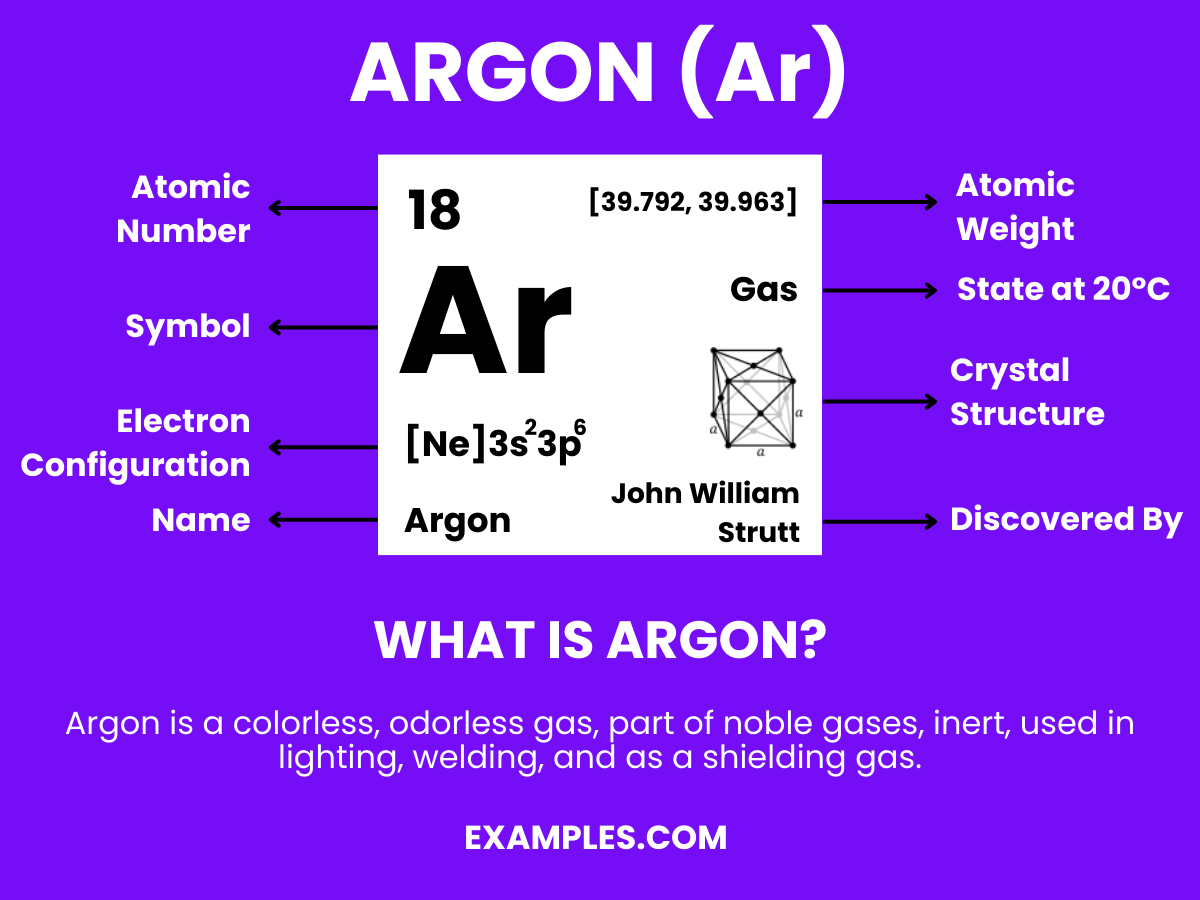
Argon is an inert shielding gas. It protects the weld area from air and moisture. This keeps the weld clean and prevents defects like porosity or oxidation. Argon works well with many metals, including aluminum, stainless steel, and carbon steel. It is the primary gas for TIG (GTAW) welding and also used in MIG (GMAW) welding.
Welders often pay a lot for argon. If you use too much, costs rise quickly. If you use too little, you risk weld failures. Calculating argon gas use helps you:
- Control expenses: Only buy what you need.
- Avoid weld defects: Get the right protection every time.
- Plan projects: Know when to order more gas.
Key Factors Affecting Argon Gas Consumption
Argon usage depends on several factors. Understanding each one will help you make accurate calculations.
1. Gas Flow Rate
Flow rate measures how much argon moves through your welding torch each minute. It is usually measured in liters per minute (L/min) or cubic feet per hour (CFH). Common rates are:
- TIG welding: 6–15 L/min (10–30 CFH)
- MIG welding: 10–18 L/min (20–38 CFH)
The right rate depends on your process, material, and environment.
2. Welding Time
How long you weld affects total gas use. Longer welds use more argon. You must add up the total welding time to estimate usage.
3. Cylinder Size And Pressure
Argon is stored in pressurized cylinders. Common sizes are:
- 40 cu ft (small)
- 80 cu ft (medium)
- 125 cu ft (large)
- 300 cu ft (extra large)
The pressure (measured in psi or bar) tells you how much gas is inside. Higher pressure means more gas.
4. Welding Process
Different welding processes use different amounts of argon. For example:
- TIG uses less argon than MIG for the same job.
- Pulse welding may use more argon due to higher flow needs.
5. Nozzle Size And Shielding
The torch nozzle size affects how much gas is needed for proper coverage. A larger nozzle may require a higher flow rate to shield the weld.
6. Gas Leaks Or Wastage
Leaks in hoses, regulators, or fittings waste argon. These losses are easy to miss but can add up fast. Always check your setup for leaks.
7. Wind And Drafts
Welding outdoors or in drafty locations may require higher flow rates. Wind can blow away the shielding gas, so you must compensate.
8. Welding Technique
Fast or slow welding speeds affect how much argon you use over time. If you pause often, you may waste more gas.
How To Calculate Argon Gas Consumption: Step By Step
Calculating argon gas consumption is straightforward if you follow these steps. Use the same process for TIG or MIG welding.
Step 1: Set The Correct Gas Flow Rate
Check your welding procedure or the manufacturer’s recommendations. Set your flowmeter to the right rate. For example, if you do TIG welding, set the rate between 8 and 12 L/min. For MIG welding, use 12 to 16 L/min.
Step 2: Track Welding Time
Record how long you weld. Measure in minutes or hours. You can use a stopwatch or look at your project plan. For example, if you weld for 2 hours each day, write that down.
Step 3: Calculate Total Gas Used
Use this simple formula:
Total Gas Used = Flow Rate × Welding Time
Make sure both numbers use the same units. For example, if your flow rate is in L/min and you weld for 60 minutes:
Total Gas Used = 10 L/min × 60 min = 600 liters
Step 4: Convert To Cylinder Size Or Volume
Argon cylinders are marked in cubic feet or liters. If you know how much gas you need, you can check if your cylinder has enough.
To convert liters to cubic feet:
1 cubic foot = 28.32 liters
So, 600 Liters ÷ 28.32 = 21.2 Cubic Feet
If your cylinder holds 80 cu ft, you have enough for this job.
Step 5: Consider Wastage
Add extra for leaks or setup losses. Many welders add 5–10% to their calculation for safety.
So, Total Gas Needed = Calculated Gas × 1.1
For example: 21.2 cu ft × 1.1 = 23.3 cu ft
Example Calculation
Suppose you weld stainless steel for a small project. You set your flowmeter to 12 L/min and weld for 90 minutes.
- Gas Used = 12 L/min × 90 min = 1080 liters
- 1080 liters ÷ 28.32 = 38.2 cu ft
- Add 10% for losses: 38.2 × 1.1 = 42 cu ft
You should have a cylinder with at least 42 cu ft of argon.
Common Cylinder Sizes And How Long They Last
Many welders wonder how long a gas cylinder will last. The following table shows approximate usage times for different cylinder sizes at a common flow rate.
| Cylinder Size (cu ft) | Volume (liters) | Flow Rate (L/min) | Welding Time (hours) |
|---|---|---|---|
| 40 | 1,133 | 10 | 1.9 |
| 80 | 2,266 | 10 | 3.8 |
| 125 | 3,540 | 12 | 4.9 |
| 300 | 8,496 | 15 | 9.4 |
These times are estimates. They assume you weld without stopping and have no leaks. Real usage is usually less.
How To Read Your Argon Cylinder Gauge
Every argon cylinder has a pressure gauge. This shows how much gas is left. Most full cylinders are filled at 2,000–2,200 psi. As you use gas, the pressure drops. You can estimate how much gas remains by reading the gauge.
For example, if a full 80 cu ft cylinder is at 2,000 psi, and your gauge shows 1,000 psi, you have about half the gas left.
But, remember, pressure can drop in cold weather. Only trust the gauge as a rough guide.
Practical Tips For Accurate Argon Gas Measurement
Most welders make the same mistakes with argon calculations. These tips will help you avoid them.
1. Always Use The Right Flowmeter
Flowmeters measure gas flow accurately. Set the ball to the correct line. Do not guess or set by feel. Cheap or dirty flowmeters may show wrong readings.
2. Watch For Leaks
Leaks can waste up to 30% of your gas. Check all hoses, fittings, and regulators before you start. Use soapy water to spot leaks—bubbles will show where gas escapes.
3. Avoid Starting And Stopping Often
Every time you start and stop, you lose gas as the system purges. Try to plan your welds so you can work in longer runs.
4. Check Your Nozzle And Torch
Clogged or damaged nozzles need higher flow rates. Clean your equipment often to keep gas use low.
5. Store Cylinders Properly
Heat and sunlight can raise cylinder pressure and cause leaks. Store cylinders in a cool, dry place and secure them upright.
6. Adjust For Wind
If you weld outdoors, consider a portable screen. This lets you use a normal flow rate. If you must increase the rate, track the higher usage.
7. Log Your Usage
Keep a simple logbook. Write down welding time, flow rate, and cylinder changes. Over time, you’ll see patterns and can order gas more accurately.
Credit: www.examples.com
How Welding Process Affects Argon Gas Use
Different welding processes use argon at different rates. Here is a comparison for common methods.
| Welding Process | Typical Flow Rate (L/min) | Shielding Gas Mix | Comment |
|---|---|---|---|
| TIG (GTAW) | 6–12 | 100% Argon | Clean, precise welds |
| MIG (GMAW) – Steel | 10–16 | 75% Argon/25% CO₂ | Higher flow for wider arc |
| MIG (GMAW) – Aluminum | 12–18 | 100% Argon | Needs more shielding |
| Pulsed MIG | 14–20 | 90–95% Argon mix | Higher flow for pulse |
Choose the right process and gas mix for your job. This affects how much argon you’ll use.
Factors That Change Argon Consumption (and How To Adjust)
Some factors are easy to overlook. Here are two insights many beginners miss:
Nozzle Distance And Angle
If you hold the nozzle too far from the weld, you lose shielding. You may turn up the flow rate to compensate. Keep the nozzle close (but not touching) to reduce gas use.
Pre- And Post-flow Settings
Many welders set a pre-flow (gas before the arc starts) and post-flow (gas after the arc stops). These settings protect the weld but use extra argon. Set these times only as long as needed. For TIG welding, post-flow is often 2–5 seconds. Longer times waste gas.
How To Estimate Argon Costs For A Project
Knowing your argon consumption lets you predict costs. Here’s how:
- Calculate your total gas needed (as shown above).
- Check the price per cubic foot or per cylinder from your supplier.
- Multiply to get the total cost.
For example, if argon costs $0.50 per cu ft and you need 40 cu ft:
Total Cost = 40 cu ft × $0.50 = $20
Accurate estimates help you plan and avoid surprises.
Sample Argon Gas Calculation For A Real Project
Imagine you are building a stainless steel table. The job needs 3 hours of welding. You use TIG with a flow rate of 10 L/min.
- Welding time = 3 hours × 60 = 180 minutes
- Gas used = 10 L/min × 180 min = 1,800 liters
- In cubic feet: 1,800 ÷ 28.32 = 63.6 cu ft
- Add 10% for loss: 63.6 × 1.1 = 70 cu ft
You need a cylinder with at least 70 cu ft of argon. If you only have an 80 cu ft cylinder, you’ll finish the job, but not much will be left. Plan for a refill if you have more work.
Comparing Different Cylinder Sizes For Small Shops
Choosing the right cylinder size saves money and avoids downtime. Here is a simple comparison.
| Cylinder Size (cu ft) | Approx. Weight (kg) | Best For | Refill Frequency (moderate use) |
|---|---|---|---|
| 40 | 13 | Hobby use, portable | Weekly |
| 80 | 20 | Light fabrication | Biweekly |
| 125 | 32 | Small shop | Monthly |
| 300 | 68 | Production work | Every few months |
Small cylinders are easier to move, but you’ll refill them often. Large cylinders last longer but are heavy and need special storage.
Simple Formula Cheat Sheet
Many welders want a quick way to check gas needs. Here’s a cheat sheet:
- Liters per hour = Flow rate (L/min) × Welding time (min)
- Cubic feet = Liters ÷ 28.32
- Cylinders needed = Total cubic feet ÷ Cylinder size
You can write these on your workshop wall for fast checks.
Credit: www.youtube.com
Common Mistakes To Avoid When Calculating Argon Use
Many people make the same errors with argon calculations. Here are the top mistakes—and how to avoid them:
- Not checking for leaks. Always inspect your hoses and fittings.
- Using the wrong flow rate. Follow recommendations for your process and material.
- Guessing welding time. Track your actual welding time, not just shop time.
- Ignoring pre-flow and post-flow. These settings add up over a project.
- Using old or damaged equipment. Faulty flowmeters and regulators can give wrong readings.
- Not adjusting for wind. Outdoor welding may need higher flow, but don’t overdo it.
How To Reduce Argon Gas Consumption
Saving gas means saving money. Here are proven ways to use less argon without losing quality:
- Keep your nozzle close to the weld.
- Use the lowest flow rate that gives good coverage.
- Fix all leaks before you start.
- Keep your equipment clean.
- Plan your welds to reduce stops and starts.
- Use shielding screens outdoors.
- Set post-flow to the minimum time needed.
Many welders find they use 15–20% less gas just by fixing leaks and lowering their flow rate.
How To Track Argon Use Over Time
If you weld often, set up a simple tracking system. Write down:
- Date of each cylinder change
- Flow rate used
- Welding time each week
After a month, you’ll see if your usage matches your calculations. If not, check for leaks, high flow rates, or wasted gas.
Using Argon Mixes: What Changes?
Some welding jobs use argon mixes (like Argon-CO₂ or Argon-Helium). These mixes may have different flow rate needs. Always check the manufacturer’s chart for recommended rates.
Pure argon is best for aluminum and TIG welding. For MIG welding steel, a mix with CO₂ is common. These mixes protect the weld and control spatter.
Tools That Help You Measure Argon Gas
- Flowmeter/Regulator: Shows exact flow rate at the torch.
- Cylinder Gauge: Shows pressure and lets you estimate remaining gas.
- Soapy Water: Checks for leaks at all connections.
- Logbook or Spreadsheet: Tracks usage over time.
These tools help you keep control over your argon supply.
When To Order More Argon
Never wait until your cylinder is empty. Order when you have 10–20% left. This gives you time to finish your current job and avoid delays.
Credit: weldingadvise.com
Where To Learn More
You can find more details about argon gas, welding safety, and gas properties at this Wikipedia Argon Page.
Frequently Asked Questions
How Do I Know The Right Flow Rate For My Welding Job?
Check your welding manual or the gas supplier’s chart. Most TIG jobs use 8–12 L/min. MIG welding uses 10–18 L/min. Too high or too low will cause problems.
Can I Use The Same Argon Cylinder For Both Tig And Mig Welding?
Yes, as long as you use pure argon. But some MIG welding jobs need a mix with CO₂. Check your process before you start.
What Happens If I Use Too Little Argon?
You may get weld defects like porosity, oxidation, or weak welds. The weld may look rough or have holes inside. Always use enough gas to cover the weld area.
How Can I Tell If My Argon Is Leaking?
Spray soapy water on all hoses, fittings, and the regulator. If you see bubbles, you have a leak. Fix it before you start welding.
Is It Better To Rent Or Buy Argon Cylinders?
For frequent welders, buying large cylinders can save money. For small or hobby users, renting or using small cylinders is easier. Check local suppliers for prices and rules.
Argon gas is key to clean, strong welds. Knowing how to calculate and control your argon use will save money and improve your results. With the right knowledge and habits, you can weld with confidence and avoid costly surprises.