Disclosure: This post contains affiliate links and I will be compensated if you make a purchase after clicking through my links. Learn More
Plasma cutters changed the way people work with metal. They make fast, clean cuts on thick and thin materials. Still, many users—both beginners and those with more experience—ask the same question: Do plasma cutters use gas or compressed air? The answer is not as simple as it seems. The type of gas or air used can change the cutter’s performance, cost, and even the quality of the cut. To pick the right setup, you need to know how plasma cutters work and why the gas or air source matters.
This article explains everything you need to know. You will learn how plasma cutters work, what types of gases or air they use, and why these choices matter for your work. You will see examples from real shops, get a clear comparison between gases and compressed air, and read practical advice for buying and using plasma cutters.
Even if you are new to plasma cutting, this guide will give you the knowledge to make smart decisions and avoid common mistakes.
How Plasma Cutters Work
Plasma cutting uses a simple idea. It sends an electric arc through a gas that flows out of a small nozzle. This turns the gas into plasma—a very hot, high-energy state. The plasma jet melts the metal quickly, and the force of the gas blows the molten metal away, making a clean cut.
The process has three main parts:
- The power supply creates the electric arc.
- The gas or air supply delivers the gas that turns into plasma.
- The torch holds the nozzle and directs the plasma jet to the workpiece.
The type of gas or air used is not just a small detail. It affects the temperature, the cut quality, and what materials you can cut. Some metals need special gases, while others work well with just compressed air.
Why Gas Or Air Is Needed
Plasma cutters need a gas or air source for two reasons:
- To create plasma: The gas becomes electrically charged and turns into plasma.
- To blow away molten metal: The high-speed gas clears the cut, leaving a smooth edge.
Without the right gas or enough pressure, the plasma arc becomes weak or unstable. This leads to poor cuts, rough edges, or even equipment damage.
Gases Used In Plasma Cutting
Plasma cutters do not all use the same gas. The choice depends on the cutter’s design, the material being cut, and the desired finish. Here are the most common options:
- Compressed air
- Nitrogen
- Oxygen
- Argon
- Argon-Hydrogen mix
Each gas has unique properties. Some are cheap and easy to find, while others cost more but give better performance.
Compressed Air
Compressed air is the most common gas for plasma cutting. Most small and medium plasma cutters use it. Air is cheap, available everywhere, and works well on many metals.
- Good for cutting mild steel, stainless steel, and aluminum
- Easy to use with standard air compressors
- Needs to be dry and clean to avoid damaging the torch
Many entry-level and portable plasma cutters are built for compressed air. They are popular in home workshops, garages, and small businesses.
Nitrogen
Nitrogen is an inert gas. It does not react with the metal during cutting. Many industrial shops use it for thicker stainless steel and aluminum.
- Gives smooth, clean cuts on thick metals
- Works at high temperatures
- More expensive than air, needs a gas cylinder
Nitrogen is often used in combination with other gases for special cutting systems.
Oxygen
Oxygen gives the hottest plasma arc. It is often used for cutting carbon steel in industrial settings.
- Makes fast, high-quality cuts on mild steel
- Not good for aluminum or stainless steel (can cause oxidation)
- Needs special torches and gas supply
Oxygen is not used in small, entry-level plasma cutters.
Argon
Argon is another inert gas. It is not common for simple cutting but is used in special applications.
- Works well for very thin metals or delicate work
- Expensive and harder to find
- Often mixed with hydrogen
Argon-hydrogen Mix
A mix of argon and hydrogen is used for special high-power plasma systems.
- Best for cutting thick stainless steel and aluminum
- Gives very smooth edges
- Used mostly in factories and CNC plasma tables
This mix costs much more than compressed air or nitrogen.
Compressed Air Vs. Gas: Key Differences
Many users want to know if they can just use compressed air, or if they need to buy special gases. Here is a clear comparison:
| Feature | Compressed Air | Special Gases (Nitrogen, Oxygen, etc.) |
|---|---|---|
| Cost | Very low (air is free) | High (cylinders needed) |
| Availability | Everywhere | Industrial suppliers only |
| Cut Quality | Good for most uses | Best for special jobs |
| Metals | Mild steel, stainless, aluminum | Carbon steel, thick stainless/aluminum |
| Maintenance | Needs clean, dry air | Gas lines need checks |
Compressed air is the choice for most home and small shop users. Special gases are used in factories, shipyards, or places where the highest cut quality is needed.
Why Some Plasma Cutters Use Only Air
Many plasma cutters, especially smaller or portable models, are built to use only compressed air. They have simple controls and do not need extra gas cylinders. These cutters are popular for several reasons:
- Low operating cost: No need to buy or store gas cylinders.
- Easy setup: Just plug in an air compressor.
- Good enough cut quality: Cuts most metals used in hobby and repair shops.
- Safe: No risk of leaks from high-pressure gas bottles.
Still, air-only plasma cutters have limits. They may not give the best finish on very thick or special metals. They also need very clean, dry air to avoid torch damage.
Why Some Plasma Cutters Use Special Gases
Heavy-duty or industrial plasma cutters often use special gases. The reason is simple: special gases can make the plasma arc hotter, more stable, or less reactive with the metal. This gives better results for certain jobs.
- Oxygen: Cuts mild steel very fast, gives smooth edges.
- Nitrogen: Cuts thick stainless steel or aluminum with less dross (waste).
- Argon-Hydrogen: Needed for very thick or hard-to-cut metals.
These gases cost more and require extra safety steps. Still, professionals use them when the job demands the best possible cut.
How Gas And Air Affect Cut Quality
The choice of gas or air affects:
- Speed of the cut
- Edge smoothness
- Amount of waste (dross) left behind
- Torch wear and maintenance
Here is an example. If you cut 1/4-inch mild steel with compressed air, you get a good cut at a reasonable speed. But if you use oxygen, you can cut faster and get a smoother edge. For stainless steel, compressed air works, but nitrogen may give a cleaner, shinier cut.
Cut Quality Table
See how different gases compare for common metals:
| Metal | Compressed Air | Nitrogen | Oxygen | Argon-Hydrogen |
|---|---|---|---|---|
| Mild Steel | Good | Okay | Excellent | Poor |
| Stainless Steel | Good | Excellent | Poor | Best |
| Aluminum | Good | Good | Poor | Excellent |
Non-obvious insight: Even with the right gas, dirty or oily metal can ruin the cut. Always clean the workpiece before cutting.
Credit: americantorchtip.com
How To Choose The Right Gas Or Air
Choosing between compressed air and special gases is not just about cost. Think about:
- What metals do you cut most?
- If you mostly cut mild steel, compressed air is fine.
- For thick stainless or aluminum, nitrogen or argon-hydrogen may help.
- How thick is the metal?
- Thin to medium: Air works well.
- Very thick: Special gases work better and faster.
- What is your budget?
- Air is cheap and easy.
- Special gases add ongoing cost.
- Where do you work?
- Shops with good air compressors can use air cutters easily.
- Industrial sites may have built-in gas lines.
- Do you need the best edge?
- Air gives a good cut, but not the smoothest.
- Gases like oxygen or argon-hydrogen give mirror-like finishes.
Non-obvious tip: Always check your plasma cutter’s manual before switching gases. Some torches are made only for air and can be damaged by other gases.
How Air Compressors Affect Plasma Cutters
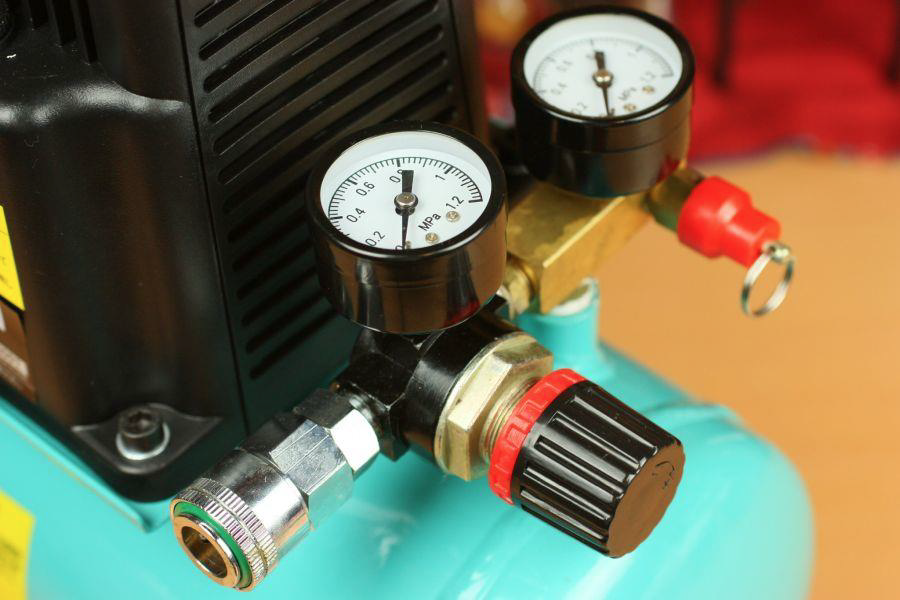
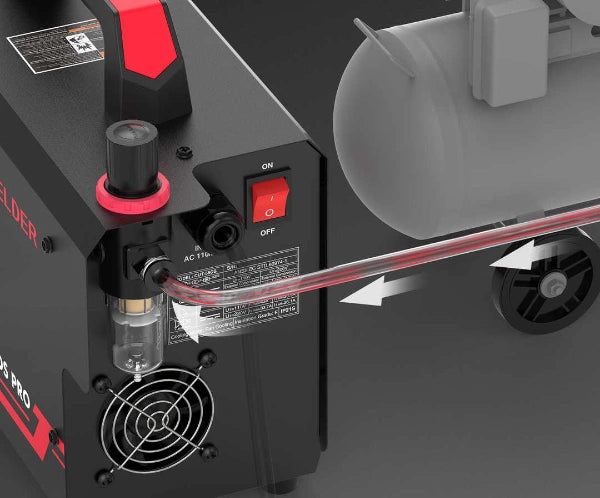
If you use compressed air, the air compressor is a key part of the setup. Not all compressors work for plasma cutting. The wrong compressor can make the plasma arc weak or unstable.
What Size Compressor Do You Need?
Most small plasma cutters need about:
- 4 to 6 CFM (cubic feet per minute) at 90-120 PSI (pounds per square inch)
Big cutters need more. If the air flow is too low, the torch will sputter and the cut will be rough.
Air Quality Matters
Moisture, oil, or dirt in the air can hurt the plasma torch. Use these to protect your cutter:
- Air filter: Removes water and dust.
- Air dryer: Keeps air dry, stops rust inside the torch.
- Oil separator: Needed if using oil-lubed compressors.
A clean air supply can double the life of your torch parts.
Real-world Examples
Shops and users choose their setup based on their needs:
- Small car repair shop: Uses a 30-amp air plasma cutter and a portable compressor. Cuts steel up to 1/2 inch. No gas bottles to store.
- Art studio: Uses a small plasma cutter with air. Makes light, detailed cuts in thin steel and aluminum.
- Shipyard: Uses a large CNC plasma table with a gas mix system. Cuts thick stainless steel sheets with argon-hydrogen for perfect edges.
- Farm maintenance: Uses a rugged air plasma cutter for repairs in the field. Only needs a generator and compressor.
Each setup fits the user’s needs, budget, and the quality of cut required.
Common Mistakes When Choosing Gas Or Air
Mistakes can waste time and money—or even damage your cutter.
- Using wet or oily air: This can wreck the torch tip and electrode fast.
- Trying to use oxygen or other gases in an air-only cutter: This can be dangerous. The seals and parts may not handle other gases.
- Ignoring compressor size: If your compressor is too small, you get poor cuts and torch damage.
- Skipping air filters: Dirt and water in the air ruin cut quality and torch parts.
- Cutting thick or special metals with just air: The cut may be rough, slow, or full of dross.
Maintenance And Safety Tips
- Always use clean, dry air if using a compressor.
- Check all gas hoses and fittings for leaks before each use.
- Store gas bottles upright and secure them to prevent tipping.
- Replace torch parts (tips, electrodes) when worn out.
- Follow all safety rules for high-pressure gases.
Which Is Better: Gas Or Compressed Air?
There is no single answer. Each has strengths and weaknesses:
- Compressed air is cheap, easy, and works well for most jobs. It is great for home shops, repairs, and lighter work.
- Special gases give better results for thick, hard-to-cut metals or where the best cut edge is needed. They cost more and need more care.
For most users, compressed air is the best choice. Only step up to special gases if you need the highest quality or cut the toughest materials.
Credit: yeswelder.com
Environmental And Health Considerations
Both compressed air and special gases have some safety and health risks.
- Compressed air: Main risk is high pressure. Always use rated hoses.
- Oxygen: Can cause fire risk. Keep away from oil, grease, and open flames.
- Nitrogen and argon: Both are safe in open spaces but can replace oxygen in small rooms, causing suffocation risk.
- All gases: Always use in well-ventilated areas. Plasma cutting produces fumes—use a fume extractor if cutting indoors.
Fact: Plasma cutting produces ultraviolet light and hot sparks. Always wear proper eye and skin protection.
The Future Of Plasma Cutting Gases
Technology is changing. Some new plasma cutters use built-in air compressors and better air filtration. Some industrial cutters are experimenting with gas recycling to lower costs. Still, for most users, compressed air remains the standard.
Research continues on finding cheaper, safer gases that give top-quality cuts. But for now, the choice is simple: use compressed air for most jobs, and special gases for advanced work.

Credit: www.youtube.com
Frequently Asked Questions
What Gas Do Most Plasma Cutters Use?
Most plasma cutters for home and small shop use compressed air. It is cheap, easy to find, and works well on steel, stainless steel, and aluminum. Only high-end, industrial plasma cutters usually use special gases like oxygen or nitrogen.
Can I Use My Shop Air Compressor With Any Plasma Cutter?
You can use your shop air compressor if it meets the CFM and PSI needs of your plasma cutter. Check your cutter’s manual for the minimum requirements. Make sure the air is dry and clean to avoid torch damage.
Why Do Some Plasma Cutters Need Bottled Gases?
Some cutters need bottled gases like nitrogen, oxygen, or argon-hydrogen to cut thick or special metals. These gases give a hotter, more stable plasma arc and better cut quality. They cost more and are used mainly in industrial shops.
Is Using Bottled Gas More Dangerous Than Using Compressed Air?
Bottled gases carry extra risks. Oxygen can cause fires, and all compressed gases need careful storage and handling. Always follow safety rules. Compressed air is less risky but still needs care due to high pressure.
Does The Type Of Gas Affect Cut Quality?
Yes, the type of gas or air changes cut speed, edge smoothness, and dross (waste) level. Oxygen gives the best cuts on mild steel, while nitrogen and argon-hydrogen are better for thick stainless or aluminum. Compressed air works well for most general jobs.
For more details on plasma cutting gases, see Wikipedia: Plasma Cutting.
Plasma cutters are flexible tools. With the right choice of gas or compressed air, you can cut almost any metal quickly and cleanly. Choose your setup based on your work, budget, and the cut quality you need. Always put safety first and keep your equipment in good shape for the best results.