Disclosure: This post contains affiliate links and I will be compensated if you make a purchase after clicking through my links. Learn More
Can you MIG weld chromoly? Yes. Harris Products Group says 4130 chrome-moly can be welded with the TIG or MIG process, and Miller lists MIG as an option for chromoly roll cages, lower control arms and spindles.
The catch is heat. Miller calls chromoly heat-sensitive and names TIG the preferred process, and some racing classes set their own rules on how a chromoly cage must be welded.
If you choose MIG, the filler wire, cleaning, preheat and cooling decide whether the joint holds up.
Can You MIG Weld Chromoly?
Yes, you can MIG weld 4130 chromoly with the right wire and prep. Use ER80S-D2 or ER70S-2/ER70S-6 wire, clean the tube to bare metal, preheat thicker walls, and let every weld cool slowly in still air.
Before you weld a roll cage or any part that a racing body inspects, read your class rulebook. Miller’s motorsports guide says the choice between MIG and TIG for a full chassis or roll cage may depend on sanctioning body rules.
Why TIG Is Usually Preferred for 4130
Miller says chromoly is heat-sensitive, so TIG is the preferred process over MIG. TIG gives you finer control of heat input, which helps prevent brittleness and distortion.
Miller also notes that a longer arc makes the heat-affected zone bigger and more brittle. Much of the chromoly used in racing is 1/8 inch or thinner, so small changes in heat show up fast.
Miller’s own wording on MIG is that it’s not recommended for chromoly, but it still gives settings for when you must use it. Harris treats MIG as a normal option.

Credit: www.youtube.com
Where MIG Welding Chromoly Is Accepted
Miller’s motorsports welding guide lists the process it recommends for common race car parts made from 4130:
| Part | Typical materials | Process Miller lists |
|---|---|---|
| Full chassis and roll cage | Mild steel or 4130 chromoly | MIG or TIG, may depend on sanctioning body rules |
| Lower control arms | Mild steel and 4130 chromoly | MIG or DC TIG |
| Spindles | Mild steel, 4130 tube, 4140 solid | MIG or DC TIG |
| Bumpers, rub rails, nerf bars | Mild steel, 4130, 304 stainless | MIG or DC TIG |
| Upper control arms | Mild steel and 4130 chromoly | DC TIG |
| Wheelie bars (drag) | 4130 chromoly, grade 9 titanium | DC TIG |
Lincoln Electric’s chrome-moly page adds that 4130 has been TIG welded in the aerospace and aircraft industries for years. For aircraft parts, follow the build plans and the inspector who signs off the work.
Best Filler Wire for MIG Welding Chromoly
Your filler choice matters more on chromoly than on mild steel. Here’s what Harris, Lincoln and Miller say:
| Filler | When to use it | Notes |
|---|---|---|
| ER80S-D2 | Standard choice when the part won’t be heat treated | Harris and Lincoln say welds approximate the strength of 4130 |
| ER70S-2 / ER70S-6 | Acceptable alternatives | Weld strength is slightly lower; Lincoln says joint design such as gussets can offset this |
| ER70S-2 | Chromoly to mild steel, such as a cage to a mild steel frame | Miller says it helps prevent cracking at transition points |
| 4130 filler | Only when the joint will be heat treated | Harris says it’s not recommended for race car frames or roll cages |
| 310 or 312 stainless | Harris and Lincoln accept it | Miller advises against 312; other stainless fillers can crack |
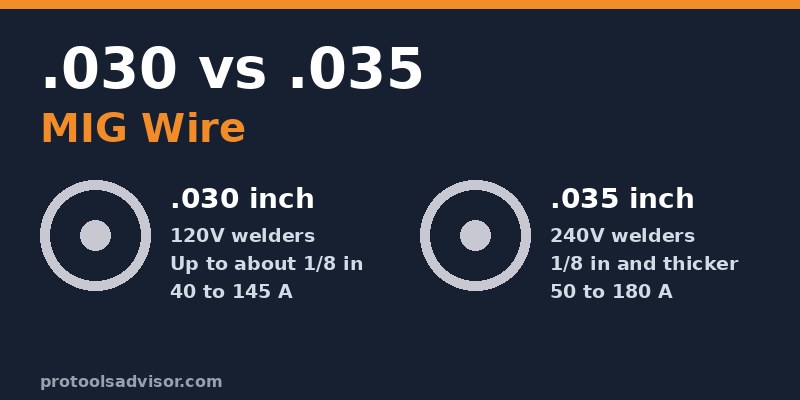
Miller also says not to use filler that’s thicker than the base metal. On .049 in. wall chromoly, for example, it suggests .045 filler.
How to MIG Weld Chromoly: Step by Step
Time: varies by joint count. Difficulty: intermediate to advanced. Tools: MIG welder with inductance control, 75/25 gas, grinder, acetone, temperature crayons or an IR thermometer, oxy-acetylene torch for thick walls.
Step 1: Clean the Tube
Grind every joint to remove mill scale, then wipe it with acetone, as Miller advises. Lincoln says to remove all oxides and burrs within 3 inches of the weld area and wipe off cutting oils.
Step 2: Get a Tight Fit-Up
Miller warns that big gaps add heat to the weld and can weaken it. Cope tubes so they sit tight before you tack.
Step 3: Preheat Based on Wall Thickness
Harris and Lincoln say walls under 0.120 inch don’t usually need preheat, but the tube should be at least 70°F. Walls thicker than 0.120 inch need a 300°F to 400°F preheat.
Step 4: Set Up the Machine and Gas
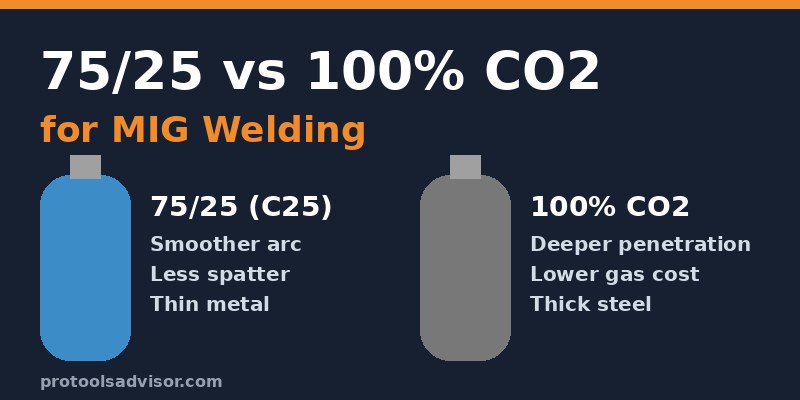
For MIG, Miller says to keep a 75/25 argon-CO2 blend and set the power source for stainless steel or raise inductance if your machine allows it. That softens the arc and helps control heat.
Step 5: Weld With a Short Arc and Steady Travel
Keep your arc short and avoid lingering on one spot. Short arc length keeps the heat-affected zone smaller, based on Miller’s note on arc length.
Step 6: Let It Cool Slowly
Never quench chromoly. Harris and Lincoln both say rapid quenching causes cracking, and Lincoln adds lamellar tearing. Let the part cool in still air.
Step 7: Stress Relieve Thick Parts
Lincoln says thin wall tubing normally doesn’t need stress relief. For parts thicker than 0.120 inch, it recommends stress relieving at 1,100°F with a neutral oxy-acetylene flame, moved constantly to avoid hot spots.

Credit: www.youtube.com
Common Mistakes to Avoid
- Quenching a hot joint with water or air to speed things up.
- Using 4130 filler on a part that won’t be heat treated.
- Welding over mill scale or cutting oil.
- Running wire thicker than the tube wall.
- Leaving wide gaps that pull in extra heat.
- Skipping the rulebook check on a race car cage.
Safety Notes
Wear a helmet, gloves and a flame-resistant jacket, and weld with good ventilation or fume extraction. Acetone is flammable, so let it flash off fully before you strike an arc or light a preheat torch.
A roll cage protects a driver in a crash. If you’re new to chromoly, practice on scrap tube and have critical joints checked by an experienced fabricator or the inspector for your class.
Frequently Asked Questions
Is MIG welding chromoly strong enough for a roll cage?
It can be, with ER80S-D2 or ER70S wire, clean tube and slow cooling. Miller says MIG or TIG can work for a chromoly cage, but the choice may depend on sanctioning body rules. Check your class rulebook before you weld any cage that will be inspected.
What wire do you use to MIG weld chromoly?
ER80S-D2 is the common choice because Harris says it produces welds that approximate the strength of 4130. ER70S-2 and ER70S-6 also work, with slightly lower weld strength. Use 4130 filler only when the finished joint will be heat treated after welding.
Do you need to preheat chromoly before welding?
Usually only on thicker walls. Harris and Lincoln say tubing under 0.120 inch wall doesn’t normally need preheat, but it should be at least 70°F. Tubing thicker than 0.120 inch needs a 300°F to 400°F preheat for good results. Check wall thickness with calipers first.
Can you MIG weld chromoly to mild steel?
Yes. Miller recommends ER70S-2 filler when you join chromoly to mild steel, such as a chromoly roll cage to a mild steel frame. It says this filler helps prevent cracking at the transition points between the two steels. Clean both sides and let the joint cool slowly.
Why shouldn’t you quench chromoly after welding?
Rapid cooling can crack a 4130 weld. Harris says quenching creates problems such as cracking, and Lincoln adds lamellar tearing. Let every chromoly weld cool slowly in still air, and use controlled stress relief on thicker parts instead of water or compressed air.
Final Words
You can MIG weld chromoly, and Harris and Miller both list it as an option. TIG gives finer heat control, so it stays the top pick for thin racing tube and aircraft work.
If you go with MIG, use ER80S-D2 or ER70S wire, clean to bare metal, preheat walls over 0.120 inch, and never quench. Check your class rules first on any roll cage.