Disclosure: This post contains affiliate links and I will be compensated if you make a purchase after clicking through my links. Learn More
Welding at home without the right safety tools is a serious risk. You need reliable protective gear, proper fire prevention tools, and ventilation equipment to protect your eyes, skin, lungs, and property every single time you strike an arc.
Why Welding Safety Tools Matter
Welding may look simple, but it’s one of the most hazardous DIY skills. The heat, sparks, and fumes can injure you in seconds if you’re not ready. Home welders often skip safety gear to save time or money, but the reality is painful burns, eye injuries, and even house fires are common without protection. The good news: the right tools remove most of these dangers. You work with peace of mind, focus on your weld, and come out healthy every time.
A single flash burn or a spark in the wrong place can put you in the emergency room. Safety tools are not “extra”—they’re as important as your welder and mask. Most injuries happen to people who thought they could “just do a quick weld” without their gear.
Don’t make that mistake.
Essential Personal Protective Equipment (ppe) For Home Welding
Your own body is the first thing at risk. The right PPE will block burns, eye damage, cuts, and breathing hazards.
Welding Helmet
A quality welding helmet is non-negotiable. It protects your eyes and face from UV rays, sparks, and spatter. An auto-darkening helmet is best for home welders—it adjusts to the light instantly, so you don’t have to flip the mask up and down. Look for one rated for your welding type (MIG, TIG, or stick) and with a large viewing area so you can see your work clearly. A helmet with a good shade range (usually 9-13) will block all harmful light. Cheap helmets often have slow or unreliable sensors; don’t risk your eyes to save a few dollars.
Key Features:
- Auto-darkening filter (reaction time under 1/25,000 second)
- Adjustable shade controls
- Lightweight but sturdy shell
Welding Gloves
Welding gloves are thicker and longer than regular work gloves. They’re made from leather (goatskin, cowhide, or deerskin), which resists heat and won’t melt like synthetic materials. They protect your hands from burns, sparks, and even cuts from sharp metal. For MIG and stick welding, you want heavy-duty, lined gloves. For TIG, use thinner, more flexible gloves for better finger control.
Quick Comparison:
| Type | Material | Best For | Heat Resistance |
|---|---|---|---|
| Thick (MIG/Stick) | Cowhide | Heavy heat, spatter | High |
| Thin (TIG) | Goatskin | Dexterity, touch | Medium |
Welding Jacket
A welding jacket shields your torso, arms, and neck from sparks and UV rays. Cotton jackets with flame-resistant (FR) coating are affordable and comfortable for short jobs. Leather jackets offer the best protection but can get hot. Never weld in a T-shirt or synthetic fabric—these catch fire fast and offer zero protection.
Welding Apron Or Bib
If a full jacket feels too hot or heavy, use a leather welding apron or bib. This covers your chest and legs, blocking sparks without trapping heat. Aprons are great for quick welds or grinding, and you can wear them over a cotton shirt.
Welding Sleeves
For extra protection, welding sleeves fit over your arms and keep sparks off your skin. Many home welders use them with short-sleeve shirts in warm weather. They’re a good compromise between comfort and safety.
Safety Glasses
Even with a helmet, always wear safety glasses under it. Sparks can bounce up under your mask, and grinding metal throws sharp fragments everywhere. Get glasses with side shields and a high-impact rating (ANSI Z87.1).
Hearing Protection
Welding and grinding are loud. Earplugs or earmuffs protect your hearing, especially if you use angle grinders, plasma cutters, or work in a small garage. Noise-induced hearing loss is permanent, so don’t skip this.
Welding Cap Or Bandana
A welding cap or bandana protects your hair and scalp from sparks that sneak under your helmet. It also keeps sweat out of your eyes and makes your helmet more comfortable.
Welding Boots
Your feet are at risk from falling hot metal. Real welding boots are made from leather, have high tops, and no exposed laces (which can catch fire). Steel-toe boots add extra protection if you drop heavy parts.
Respirators
Many home welders forget about respirators. Welding fumes contain toxic metals and gases, especially when welding galvanized or painted steel. A half-mask respirator with P100 filters blocks most fumes. Never weld in a closed space without good ventilation and a proper mask.
Respirator Types For Welding:
| Type | Protection Level | Comfort | Best Use |
|---|---|---|---|
| Disposable N95 | Low | High | Quick jobs, low fume |
| P100 Half Mask | High | Medium | All welding |
| PAPR (Powered Air) | Very high | High | Heavy fume, pro use |
Essential Fire Prevention And Emergency Tools
A small welding spark can cause a big fire, especially in a home shop. Fire safety tools are not optional.
Fire Extinguisher
You need an ABC-rated fire extinguisher close to your welding area. ABC extinguishers handle wood, paper, flammable liquids, and electrical fires. Make sure you know how to use it—read the instructions before your first weld. Check the gauge every month; a dead extinguisher is useless.
Welding Blanket
A welding blanket is a thick, fire-resistant mat you put over flammable items (like wood, carpet, or gas cans) near your weld zone. It catches sparks and keeps your property safe. Even if you clean your space, a few hidden sparks can cause a fire hours later—blankets block them.
Fire-resistant Curtains
If you weld in a garage or basement, use welding curtains to separate your work area. These block sparks and shield others in the room from UV light. They also help contain fumes for easier ventilation.
Fire Watch Timer
After you finish welding, sparks can smolder unseen for up to an hour. Use a fire watch timer—set it for 30–60 minutes and check your area for smoke or hot spots before leaving. This small habit prevents most late-night shop fires.
Spark Lighter
Never use matches or lighters near welding gas. A spark lighter safely ignites your torch without open flames, reducing fire risk.
Ventilation And Fume Extraction
Welding creates toxic fumes. Good ventilation keeps your air safe and your head clear.
Exhaust Fan
A strong exhaust fan pulls fumes away from your face and out of your shop. Place it behind you, aimed toward an open door or window. For small jobs, a box fan can help, but a real welding exhaust fan is much better.
Fume Extractor
A fume extractor uses a flexible hose and a filter to suck up fumes right at the weld. It’s more precise than a fan and essential if you weld indoors. P100 or HEPA filters are best for toxic metals.
Open Windows And Doors
Simple but effective: always keep windows and doors open when welding at home. Cross-ventilation clears fumes faster and keeps oxygen levels safe.
Co Detector
If you weld in a closed space, install a carbon monoxide detector. Welding can create CO, which is odorless and deadly. A detector warns you before levels get dangerous.
Shop Setup And Workspace Tools
A safe workspace makes welding easier and less stressful.
Welding Table
A welding table made of steel gives you a safe, grounded surface. Don’t weld on wood or concrete—sparks can start fires or explode moisture in concrete. A table with a clamp rail or slots makes holding parts steady easier.
Ground Clamp
A strong ground clamp completes your electrical circuit and prevents shocks. Weak or dirty clamps can create erratic arcs and damage your welder. Clean your clamp often for a strong connection.
C-clamps And Magnets
C-clamps and magnetic holders keep your workpieces steady and your hands away from the arc. This reduces slips and prevents accidental burns.
Metal Storage
Store scrap metal and gas cylinders away from your main welding area. This keeps flammable items out of the spark zone.
Good Lighting
Welding in a dark garage is dangerous. Use bright, adjustable LED shop lights so you can see your work clearly and spot hazards fast.
Clothing And Accessories
Not all clothing is safe for welding. The wrong shirt or pants can melt onto your skin.
Flame-resistant Shirt And Pants
Wear flame-resistant (FR) cotton or denim. Avoid polyester, nylon, or spandex—these melt and stick to your skin in a fire. Jeans and a heavy work shirt are good choices for most home welders.
No Cuffs, No Pockets
Loose cuffs and open pockets catch sparks. Choose clothing with closed seams and no extra flaps.
High Socks
Wear high socks and tuck your pants in, so no skin is exposed between your boots and pants.
Apron Or Bib (again)
If you want more leg or chest protection, add an apron or bib over your clothes.
First Aid And Health Tools
Accidents still happen. Fast response reduces damage.
First Aid Kit
Keep a real first aid kit in your shop. You need burn cream, sterile dressings, eye wash, and bandages. Burns are the most common injury—treat them immediately to prevent infection.
Eye Wash Station
A simple eye wash bottle helps if sparks or dust get in your eyes. You don’t need a big plumbed-in station—a squeeze bottle with sterile saline works well.
Burn Gel
Burn gel or pads cool the skin fast and relieve pain. They’re good for minor burns before you get professional medical help.
Emergency Contact Info
Post emergency numbers in your shop. If you’re badly hurt, you want help fast, not searching your phone.
Welding Gas And Cylinder Safety
Handling cylinders and welding gases without the right tools is dangerous.
Cylinder Cart
Move heavy gas cylinders with a cart. Never roll or drag them. Strap tanks upright on the cart, and never let them tip over.
Cylinder Caps
Keep cylinder caps on when not using tanks. If a valve breaks, a tank can rocket across your garage.
Chain Or Strap
Secure all cylinders to a wall or bench with a chain or strap. This prevents tipping and damage.
Leak Detector Solution
Check for leaks with a soapy water solution—never use a flame. Bubbles mean a leak.

Credit: www.amazon.com
Electrical Safety Tools
Welding involves high voltage and current. Protect yourself from shocks and fires.
Insulated Tools
Use only insulated pliers, screwdrivers, and cutters near your welder. Bare metal tools can shock you if they touch a live wire.
Circuit Breaker
Plug your welder into a dedicated circuit with the right breaker size. Overloaded circuits can start fires.
Extension Cords
Use heavy-duty, welding-rated extension cords only. Cheap cords overheat and can cause shocks or fires.
Outlet Tester
A simple outlet tester checks if your shop outlets are wired correctly. Wrong wiring can damage your welder or injure you.
Non-obvious Safety Tools And Habits
Many beginners skip these, but they make a big difference.
Anti-spatter Spray
Anti-spatter spray keeps spatter from sticking to your tools, table, and helmet. It’s not just for looks—it prevents buildup that can cause stray sparks later.
Heat-resistant Mat
Stand on a heat-resistant mat. It protects your feet from hot metal drops and insulates you from electrical shocks.
Lock-out Tag
If you share your shop or have kids, use a lock-out tag on your welder’s power switch. This prevents accidental starts.
Shop Vacuum
A shop vacuum with a metal canister (not a household vacuum) quickly cleans up metal dust and chips—important for fire prevention.
Checklist
Keep a welding safety checklist posted on your wall. Go through it before every session. This simple habit catches missed steps and prevents most accidents.
Cost Comparison Of Essential Home Welding Safety Tools
To help you plan your safety gear budget, here’s a quick price comparison:
| Safety Tool | Average Cost (USD) | Replace Frequency |
|---|---|---|
| Auto-darkening Helmet | $80–$300 | 5–10 years |
| Welding Gloves | $15–$50 | 6–12 months |
| Welding Jacket | $25–$90 | 1–3 years |
| Respirator (P100) | $30–$70 | Filters: 6 months |
| Fire Extinguisher | $30–$60 | 5 years (check gauge) |
| Welding Blanket | $20–$40 | As needed |
| First Aid Kit | $20–$50 | Refill as used |
Two Insights Most Beginners Miss
- Fume Control is Not Optional: Most first-time welders only wear a mask and gloves. But breathing welding fumes (especially from painted or galvanized steel) can cause permanent lung damage. Invest in a good respirator and ventilate every session—even for “quick tack welds.”
- Fires Can Start Hours Later: Sparks often land in hidden places, like cracks in the floor or behind a workbench. Many home shop fires start after you finish welding and leave the room. Always check for hot spots for at least 30 minutes after finishing your weld.
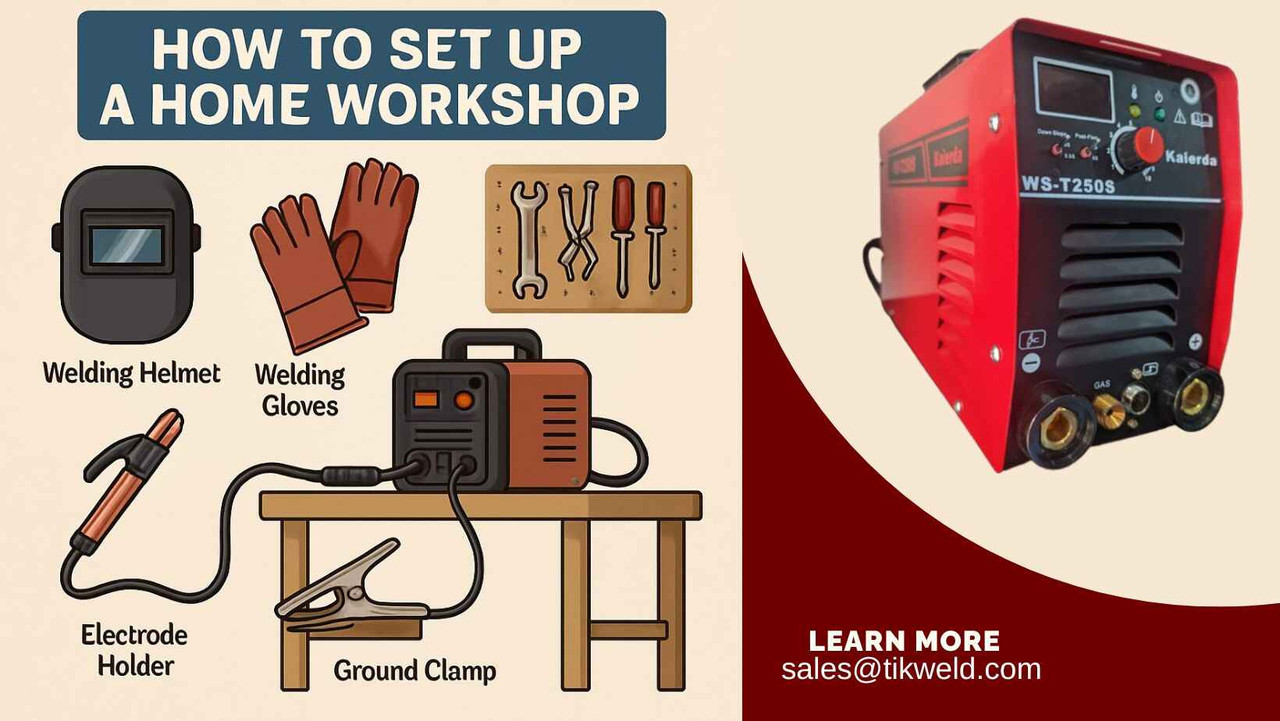
Credit: tikweld.com
Common Buyer Mistakes To Avoid
- Choosing the cheapest helmet or gloves. These often fail when you need them most. Spend a little more for trusted brands.
- Using regular work gloves or shoes. Only leather welding gloves and boots are truly safe.
- Forgetting fire safety tools. Many home welders skip blankets or extinguishers—until they need them.
- Ignoring respirators. Fume exposure adds up over time and can’t be undone.
- Not checking for proper electrical setup. Overloaded outlets or wrong gauge extension cords are a big fire risk.
How To Choose The Right Safety Tools For Your Needs
- Assess your welding type: MIG and stick need heavier gear than TIG.
- Check your workspace: Small garages need better ventilation and fire protection.
- Buy the basics first: Helmet, gloves, jacket, extinguisher, and respirator.
- Add specialty gear as needed: Apron, boots, fume extractor, etc.
- Review safety ratings: Look for ANSI, OSHA, or NIOSH approvals.
- Try gear on if possible: Comfort matters—if it doesn’t fit, you won’t wear it.
If you want more details, the OSHA Welding Safety Guide gives official recommendations for home and professional welders.
Frequently Asked Questions
What Is The Most Important Safety Tool For Home Welding?
The most important safety tool is a welding helmet with auto-darkening lens. It protects your eyes and face from UV rays and sparks, which can cause serious injuries in seconds. Never weld without a proper helmet.
Do I Need A Respirator For Every Type Of Welding?
Yes, you should use a respirator or fume extractor for all welding processes. Even “clean” metals produce harmful fumes. A P100-rated mask blocks most toxins and keeps your lungs safe during every weld.
Can I Weld In Regular Work Clothes?
No, regular work clothes are not safe. Wear flame-resistant cotton or denim without cuffs or synthetic fabrics. Synthetic materials can melt onto your skin, causing severe burns during welding.
Is A Fire Extinguisher Really Necessary For Home Welding?
Absolutely. An ABC fire extinguisher is essential. Welding sparks can start fires quickly, even in clean spaces. Keep an extinguisher within arm’s reach every time you weld for safety.
What Should Be In A Welding First Aid Kit?
A welding first aid kit should have burn gel, sterile dressings, eye wash, and bandages. These items treat the most common welding injuries—burns, cuts, and eye irritation—until you can get professional medical help.
Welding safely at home is not just about following rules—it’s about using the right tools every single time. Protect your body, your lungs, your property, and your peace of mind. Invest in must-have welding safety tools now, and you’ll enjoy years of safe, productive welding in your own shop.