Disclosure: This post contains affiliate links and I will be compensated if you make a purchase after clicking through my links. Learn More
If you want to prevent cracks in your welds, focus on choosing the right materials, controlling heat, using proper welding techniques, and preparing your workpiece. Good welding habits and attention to detail keep your welds strong and safe.
Why Weld Cracks Happen
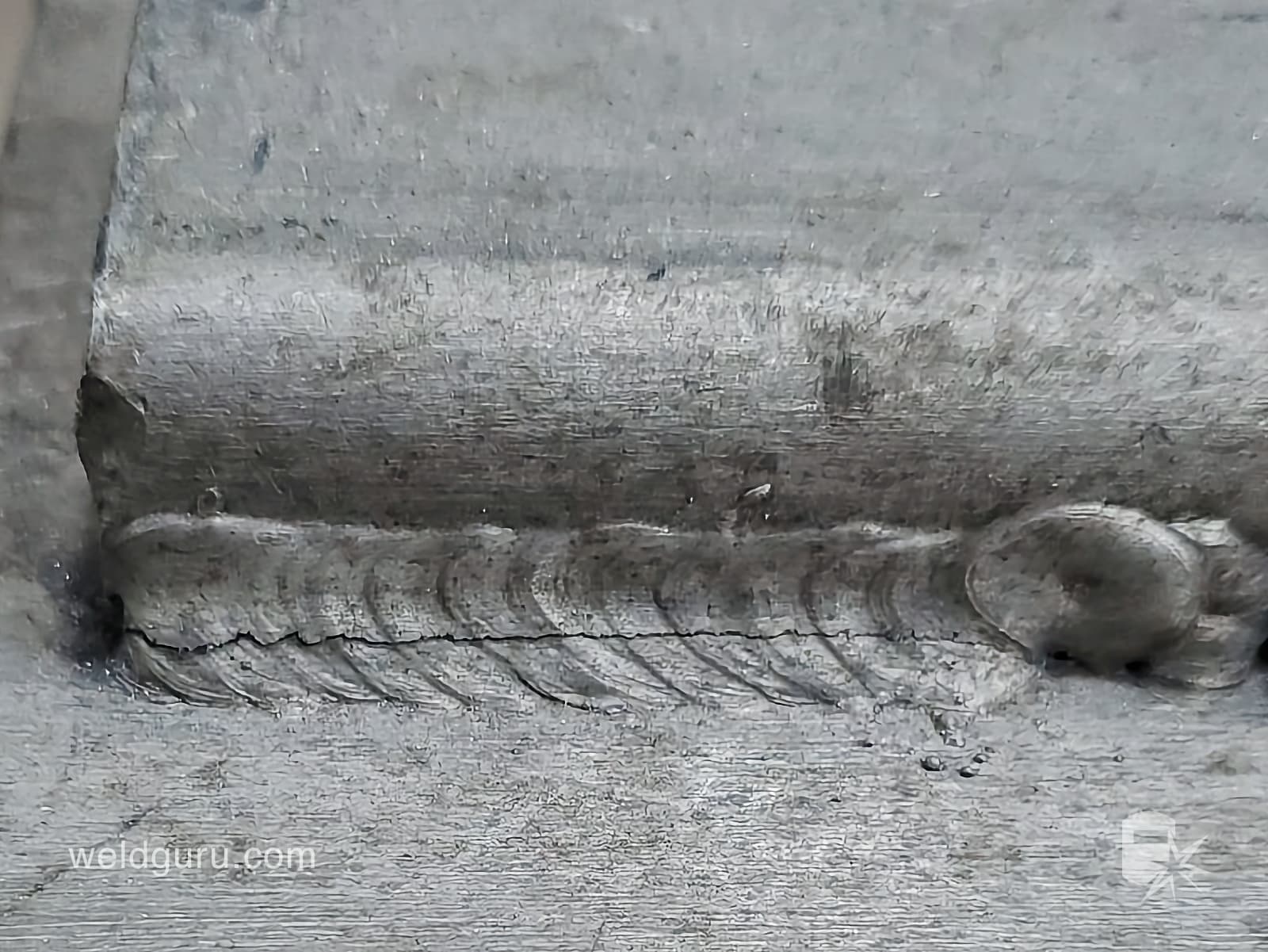
Weld cracks are a leading cause of weld failure. They form when the metal solidifies unevenly or is stressed beyond its limit. Most cracks appear during or right after welding, but some develop much later. These cracks can weaken the structure and create safety risks.
There are two main types of weld cracks: hot cracks and cold cracks. Hot cracks appear at high temperatures, often during cooling. Cold cracks form after the weld cools, sometimes hours or days later. Both types can destroy the quality of your weld.
Weld cracks are not just an issue for beginners. Even experienced welders can face them if they skip steps or rush the process. Stopping cracks is not only about skill, but about preparation, technique, and understanding the materials you use.
Key Factors That Cause Weld Cracks
Several factors can make your welds prone to cracks. Knowing these will help you prevent problems before they start.
- Wrong Filler Metal: Using a filler metal that does not match the base metal causes weak joints.
- High Welding Speed: Moving too fast leads to poor fusion and stress buildup.
- Improper Preheat or Post-Heat: Skipping preheating or cooling too quickly creates thermal shock.
- Poor Joint Design: Bad fit-up or sharp corners focus stress, encouraging cracks.
- Contamination: Rust, oil, or paint on the metal can cause porosity and cracks.
- High Restraint: If the workpiece cannot move, the stress concentrates at the weld.
- Wrong Welding Parameters: Incorrect voltage, amperage, or travel speed can ruin the weld.
Understanding these causes will make your welding much more reliable.
Material Selection And Preparation
Choosing the right metal and getting your workpiece ready is the first step to avoiding cracks. Skipping this leads to trouble every time.
Choose Compatible Metals
Not all metals weld well together. Mixing high-carbon steel with low-carbon filler, for example, almost always leads to cracking. Always match your filler metal to the base metal’s chemical properties. Check the carbon equivalent and other alloying elements.
Check Material Cleanliness
Dirt, oil, rust, and moisture all create weak spots. Before welding, clean your metal with a wire brush, grinder, or chemical cleaner. Even a tiny spot of oil can ruin a weld.
Control Material Thickness
Thicker metals cool slower, but thinner metals cool fast and can crack easily. If you weld different thicknesses together, preheat the thicker side to even out cooling rates.
Inspect For Defects
Look for cracks, inclusions, or previous weld failures on your workpiece before starting. Repair or cut out any defects so they do not spread.
Preheating And Post-weld Heat Treatment
Heat is a powerful tool for preventing cracks. Knowing when and how to use preheating and post-heat makes a big difference.
Why Preheat?
Preheating raises the base metal’s temperature before welding. This slows down the cooling rate, reducing stress and giving hydrogen time to escape. Preheating is critical for high-carbon steels, thick sections, and alloys prone to cracking.
How To Preheat
- Use a torch, furnace, or induction heater.
- Measure temperature with temp sticks or infrared thermometers.
- Heat the area evenly to the required temperature. For example, medium-carbon steel often needs 250–400°F (120–200°C).
Post-weld Heat Treatment
Post-weld heat treatment (PWHT) relieves stress after welding. It helps alloy steel and pressure vessels. Cooling too fast after welding can trap hydrogen and cause delayed cracking.
- Keep the part at a set temperature for a given time (often 1 hour per inch of thickness).
- Use an oven or controlled furnace.
Common Mistakes
- Skipping preheat on thick steel.
- Uneven heating.
- Not holding the temperature long enough.
Credit: weldguru.com
Control Your Welding Parameters
The settings on your welding machine matter as much as your technique.
Amperage And Voltage
Too high amperage or voltage can make the weld pool too fluid, increasing the risk of hot cracking. Too low, and you get poor penetration and lack of fusion. Always use the settings recommended for your rod or wire size.
Travel Speed
Moving too fast or too slow both cause problems. Fast travel can cause undercut and lack of fusion; slow travel can overheat the weld and increase stress.
Welding Sequence
Weld in short sections and alternate sides to balance stress. For example, weld a few inches on one side, then on the opposite side.
Interpass Temperature
Keep the area between weld passes at the recommended temperature. This prevents the weld from cooling too quickly between passes.
Welding Techniques That Reduce Cracking
Skill is just as important as settings. A few proven techniques can stop cracks before they start.
Stringer Beads Vs. Weave Beads
Stringer beads (straight-line beads) produce less heat input than weave beads. They are better for high-strength steels and crack-prone metals.
Control Crater Fills
Cracks often start at the end of the weld where a crater forms. Always fill the crater before stopping the arc. Use a “backstep” or “circle” motion to fill it.
Use Short Arc Length
A short arc length reduces voltage and lowers the risk of hot cracking. Keep the arc as short as the process allows.
Multi-pass Welding
For thick joints, use multiple passes instead of trying to fill in one go. This lets you control heat and minimize stress.
Back Gouging
When welding thick plates, gouge out the root side after the first pass and weld from the back. This removes defects and allows for a sound weld.
Joint Design And Fit-up
Good joint design spreads out stress and avoids crack points.
Choose The Right Joint Type
- Butt joints are easy to weld but need good edge prep.
- T-joints and corner joints can concentrate stress—add fillets to support them.
Avoid Sharp Corners
Sharp corners focus stress and can start cracks. Round off inside corners and edges.
Use Proper Gaps
Leave the right root gap for your process and material. Too tight, and you get lack of penetration; too wide, and you get burn-through.
Clamp And Support
Use clamps and fixtures to hold parts in place but avoid over-restraining them. Let the workpiece move a little as it cools.
Control The Welding Environment
The air around your weld matters more than most realize.
Avoid Moisture
Moisture in the air, on your electrodes, or the base metal can introduce hydrogen, which leads to cracking. Store electrodes in a dry oven and keep your work area dry.
Shield From Wind
Wind can blow away shielding gas, causing porosity and cracking. Use windshields or weld indoors if possible.
Control Temperature
Welding outdoors in winter or on a cold workpiece can cause rapid cooling and cracks. If you have to weld in the cold, preheat and cover your work.
Use The Right Filler Material
Matching the filler to your base metal prevents many problems.
Check Filler Classification
Read the AWS (American Welding Society) classification on the filler box. For example, E7018 rods are low-hydrogen and good for most structural steel.
Low-hydrogen Electrodes
Low-hydrogen rods like E7018 or E8018 reduce cracking risk. Keep them dry—store in a rod oven at 250–300°F (120–150°C).
Filler For Dissimilar Metals
When welding different metals, choose a filler designed for both. For example, use nickel-based filler for stainless to carbon steel.
Post-weld Inspection And Testing
Testing your welds catches small cracks before they grow into big problems.
Visual Inspection
Look for surface cracks, undercut, and craters. Use a magnifying glass if needed.
Liquid Penetrant Testing
Spray a dye on the weld, wipe off the surface, then apply developer. Cracks will show as colored lines.
Ultrasonic Testing
Use ultrasonic waves to check for internal cracks. This is common in pipeline and pressure vessel welding.
Magnetic Particle Testing
Magnetize the weld and apply iron particles. Cracks show as lines where particles collect.
Practical Tips To Prevent Weld Cracks
Experience teaches what textbooks cannot. Here’s what working welders know:
- Always preheat thick or high-carbon steels. Skipping this step almost guarantees cracks.
- Never weld over rust or paint. Clean metal is strong metal.
- Keep your electrodes dry. Hydrogen is a crack’s best friend.
- Don’t rush the cooling. Slow cool-down in still air is better than water or fans.
- Check your settings before each weld. A small mistake can ruin a whole job.
- Use the right rod for the job. Don’t try to get by with the wrong filler.
- Alternate your welds on large pieces. This balances stress and heat.
- Inspect every weld. Even small cracks get bigger under stress.
- Don’t overweld. Adding too much weld metal can trap heat and create cracks.
- Ask for help if you’re unsure. Better to ask than redo a cracked weld.
Case Study: Preventing Cracks In Structural Steel Welds
Let’s look at a real-world example. A contractor welding a bridge girder used E6010 rods on high-strength steel without preheating. Cracks appeared within hours. They switched to E7018 low-hydrogen rods, preheated to 300°F, and used multi-pass welding. The result: no cracks, and the welds passed inspection.
This shows how matching the filler, preheating, and controlling technique can make or break a project.

Credit: unimig.com.au
Data Table: Common Weld Metals And Their Crack Sensitivity
Here’s a quick reference for how likely different metals are to crack during welding.
| Metal Type | Crack Sensitivity | Preheat Needed | Recommended Filler |
|---|---|---|---|
| Mild Steel (A36) | Low | Rarely | E6013, E7018 |
| High Carbon Steel | High | Yes | E7018 |
| Stainless Steel | Medium | Sometimes | 308L, 309L |
| Cast Iron | Very High | Always | Nickel Rods |
| Aluminum | Medium | No | 4043, 5356 |
Comparison Table: Low-hydrogen Vs. Cellulosic Electrodes
Choosing your electrode type can dramatically affect crack risk.
| Feature | Low-Hydrogen (E7018) | Cellulosic (E6010) |
|---|---|---|
| Hydrogen Content | Low | High |
| Crack Risk | Low | High (on hard steels) |
| Storage Needs | Dry, rod oven | Less critical |
| Penetration | Medium | Deep |
| Best Use | Structural, pressure vessels | Pipelines, fieldwork |
Data Table: Typical Preheat Temperatures For Common Metals
Proper preheat can save your weld from cracking. Here’s a quick reference.
| Metal Type | Thickness (inches) | Suggested Preheat (°F) |
|---|---|---|
| Mild Steel | Over 1 | 150–250 |
| High Carbon Steel | Any | 300–500 |
| Stainless Steel | Over 1 | 100–200 |
| Cast Iron | Any | 500–700 |
| Aluminum | Any | Not needed |
Expert Insights: What Beginners Often Miss
- Hydrogen Control: Many new welders don’t realize that hydrogen causes cracks. Use low-hydrogen rods and keep everything dry.
- Joint Restraint: Over-clamping a part can trap stress. Allow for some movement during cooling.
- Crater Cracks: Always fill the crater at the end of a weld. A hollow at the stop point is a perfect place for cracks to start.
- Multi-Pass Temperatures: Keep the weld hot between passes. If you let it cool too much, the risk of cracks jumps.
- Check Codes and Standards: For critical work, always follow AWS or ASME codes. They contain proven practices to prevent cracks.
Common Welding Codes And Standards
Professional welders follow codes to prevent cracks and ensure safety.
- AWS D1.1: Structural Welding Code—Steel
- ASME Section IX: Boiler & Pressure Vessel Code
- API 1104: Pipeline Welding
These documents give minimum preheat, filler types, and testing methods. You can find more at the American Welding Society.
What To Do If You Find A Crack
If you discover a crack, stop work immediately.
- Grind out the crack until you reach clean metal.
- Clean the area to remove all contamination.
- Preheat if required, especially on thick or hard steels.
- Re-weld using correct technique and filler.
- Re-test to ensure the repair is sound.
Never try to cover a crack with a new weld. It will not hold under load.
Frequently Asked Questions
How Do I Know If My Weld Is Cracking?
Look for visible lines, sudden drops, or “pop” sounds during or after welding. Surface cracks often appear shiny and may run along or across the weld bead. Use dye penetrant or magnification for hidden cracks.
Why Do Cracks Appear Hours After Welding?
This is often due to hydrogen-induced cracking or cold cracking. Hydrogen trapped in the weld area moves out as the metal cools, causing cracks. Poor preheat, dirty electrodes, or rapid cooling increase this risk.
Can I Weld Over A Crack To Repair It?
No. Welding over a crack does not remove the root problem. Always grind out the crack completely, clean the area, and then weld using the correct technique and filler. Test the repair to confirm its quality.

Credit: www.thefabricator.com
What Is The Best Electrode To Prevent Weld Cracks?
Low-hydrogen electrodes like E7018 or E8018 are best for most crack-prone steels. They reduce hydrogen in the weld, lowering the chance of cracks. Store them dry to keep their properties.
Does Preheating Always Stop Cracking?
Preheating greatly reduces the risk but does not guarantee a crack-free weld. You must also use the right filler, proper technique, and control cooling. For some metals, preheating is essential, but always check codes and guidelines.
—
Preventing cracks in your welds is all about preparation, technique, and attention to detail. Understand your materials, control heat, use the right filler, and inspect your work. These habits will keep your welds strong, safe, and professional every time.