Disclosure: This post contains affiliate links and I will be compensated if you make a purchase after clicking through my links. Learn More
Welding rusty steel can be frustrating, especially for people new to stick welding. Rust weakens metal and makes it harder for the rod to create a good weld. Many rods do not work well on dirty or rusted steel, but the 6011 welding rod is different. This rod is strong, cuts through rust, and works with simple machines. People use it for repairs, farm equipment, and building projects where surfaces are not perfect. If you want to learn how to weld rusty steel with a 6011 rod, this guide will give you clear steps, practical tips, and warnings about common mistakes. You will learn what to expect, how to prepare, and how to make strong welds even on rusty metal.
Understanding 6011 Welding Rods
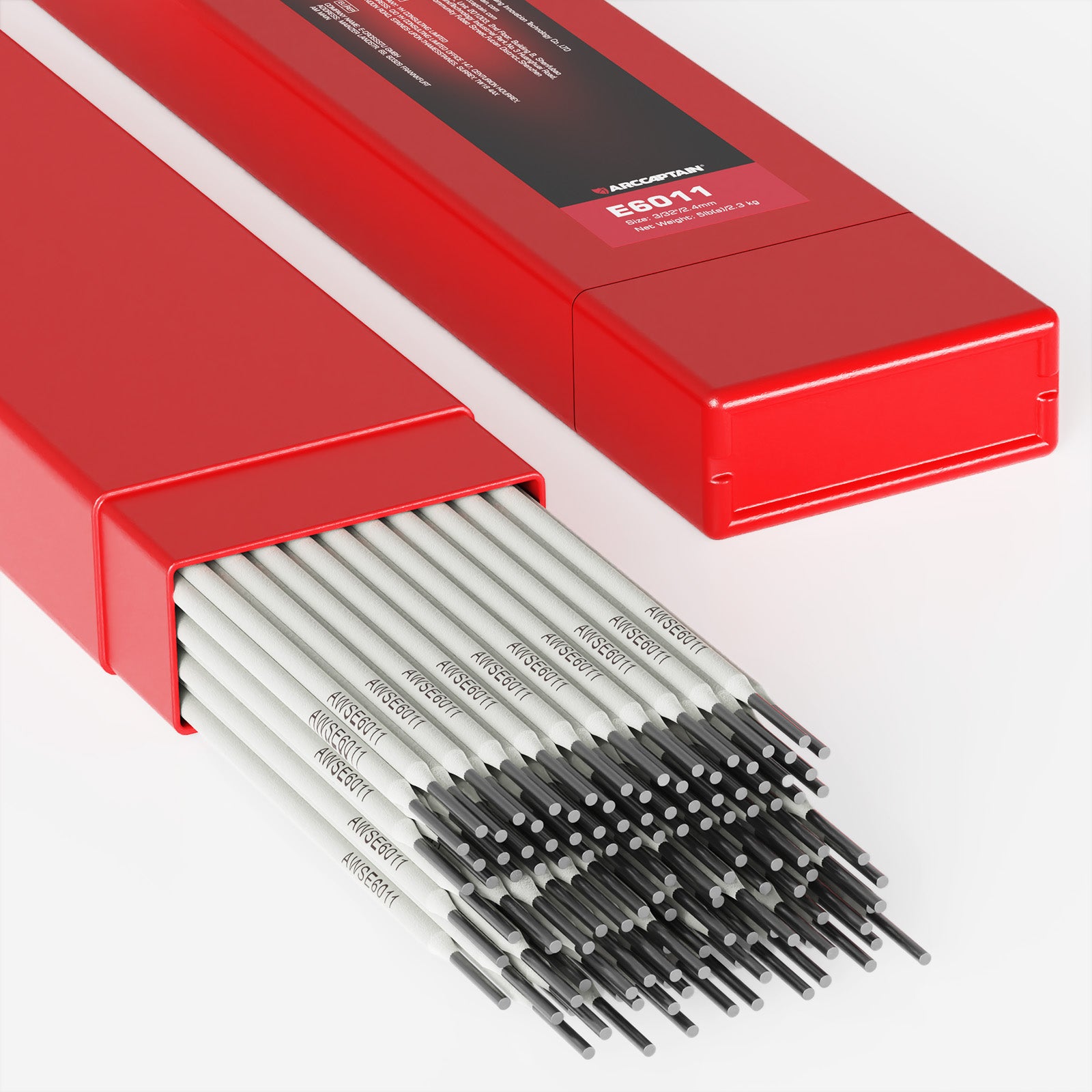
The 6011 rod is popular for stick welding. Many welders choose it for tough jobs. The “60” in its name means the weld can handle 60,000 pounds per square inch. The “1” means you can use it in any position—flat, vertical, overhead, or horizontal. The last “1” tells you the type of flux coating.
6011 rods use a high-cellulose potassium coating. This creates a strong arc that can burn through rust, paint, and even some dirt. The rod works with AC (alternating current) and DC (direct current) welding machines. It makes a deep, strong weld bead.
You can use 6011 for repairs, construction, and any time the steel is not clean.
A few important points:
- 6011 rods come in different diameters. Common sizes are 3/32 inch and 1/8 inch.
- The rod creates a lot of spatter, but this is normal.
- The weld bead will not always look smooth. This is a trade-off for its ability to weld through rust.
Challenges Of Welding Rusty Steel
Welding rusty steel is not ideal. Rust is iron oxide, which forms when steel reacts with water and air. Rust makes metal weak and creates gaps under the weld. When you try to weld over rust, you may see:
- Porosity (tiny holes in the weld)
- Cracking or weak welds
- Poor fusion between the rod and steel
Rust also creates smoke and spatter. It can block the arc and make it hard to see the weld puddle. The 6011 rod helps, but you should still remove as much rust as possible.
Preparing Rusty Steel For Welding
Even though 6011 can handle dirty steel, you will get better results if you prepare the metal. Good prep makes a stronger weld and saves time fixing mistakes.
1. Remove Loose Rust
Use a wire brush, grinder, or sandpaper. Focus on the area where you will weld. You do not need to make the steel shiny, but remove flakes and loose pieces.
2. Clean Oil And Grease
Oil and grease make welding harder. Clean with a rag and a bit of acetone or alcohol.
3. Dry The Surface
Moisture under the weld can cause porosity or “wormholes. ” Make sure the metal is dry.
4. Check For Holes And Thin Spots
Rust can eat through steel. If the metal is thin or full of holes, patch it or weld a new piece over it.
5. Set Up A Good Ground
Attach the ground clamp to clean metal, not rust. This helps electricity flow and keeps the arc steady.
Setting Up Your Welder For 6011 Rods
6011 rods work with both AC and DC machines. Most small welders can use 6011 without trouble. Here’s how to set up your welder:
1. Choose The Right Amperage
Amperage depends on rod size and metal thickness. For a 3/32-inch rod, use 70–90 amps. For a 1/8-inch rod, use 90–120 amps. Thicker steel may need more power.
2. Polarity
6011 rods work with both AC and DC. If you have a choice, DC+ (electrode positive) gives deeper penetration. AC is fine for basic repairs.
3. Use The Right Electrode Holder
The holder should grip the rod tightly. Make sure the cable is not frayed.
4. Check Your Work Area
Remove flammable items and keep a fire extinguisher nearby. 6011 makes a lot of sparks.
5. Ventilation
Welding rusty steel creates smoke. Work in a place with fresh air or use a fan.

Credit: www.reddit.com
Striking An Arc With 6011 On Rusty Steel
Striking an arc is the first step. Many beginners struggle with this, especially on rusty steel.
- Tap Method: Hold the rod above the steel and tap it quickly. The arc should start with a bright flash.
- Scratch Method: Drag the rod across the steel like striking a match. Lift slightly once the arc starts.
If the rod sticks, try cleaning the tip and increasing the amperage a little. On rusty steel, you may need to strike the arc several times.
Welding Techniques For 6011 Rods
6011 rods require a special technique because the arc is strong and the weld puddle is fluid.
Maintain The Right Angle
Hold the rod at a 10–15 degree angle from straight up, pointing in the direction you want to weld. This gives good penetration and helps the slag come off easily.
Control Travel Speed
Move the rod slowly enough for the arc to melt rust and reach clean metal. Too fast, and the weld will be weak. Too slow, and you may burn through thin steel.
Rod Motion
Use a small back-and-forth or “whip and pause” motion. Push the rod forward, then pull back a little. This helps the arc dig through rust and leaves time for the metal to fill in.
Watch The Puddle
Focus on the weld puddle, not just the rod. The puddle should flow smoothly. If it spits or bubbles, clean the area or adjust your speed.
Overlap Passes
If the first pass is rough, make a second pass to cover holes or missed spots. 6011 works well for building up layers.
Removing Slag And Inspecting The Weld
After welding, the 6011 rod leaves a layer of slag. This protects the weld but must be removed before you check the result.
- Use a chipping hammer to break the slag.
- Brush with a wire brush to clean the weld bead.
- Inspect for holes, cracks, or weak spots. Good welds will be solid, even if not smooth.
If the weld has problems, grind it out and try again. 6011 is forgiving and lets you repair mistakes easily.
Practical Examples: Common Repairs With 6011 On Rusty Steel
Many repairs need welding on rusty steel. Here are some examples:
1. Farm Equipment
Old tractors, plows, and trailers often rust. Farmers use 6011 rods to fix broken frames, brackets, and supports.
2. Fences And Gates
Outdoor fences and gates rust quickly. 6011 makes it possible to repair them without removing all the rust.
3. Vehicle Frames
Old trucks and cars sometimes need patching. 6011 can weld over rust when cleaning is hard.
4. Structural Repairs
Buildings with steel supports sometimes need repair. 6011 handles rusty beams and columns.
5. Tool And Machinery Repair
Shovels, wheelbarrows, and machines get rusty from use. 6011 works for quick, strong repairs.
Common Mistakes And How To Avoid Them
Welding with 6011 on rusty steel is not always easy. Here are mistakes to avoid:
1. Not Removing Enough Rust
Leaving thick rust causes porosity and weak welds. Always brush or grind the area you will weld.
2. Wrong Amperage
Too little power makes the rod stick. Too much burns through thin steel. Adjust amperage to match rod size and steel thickness.
3. Poor Rod Angle
A rod held too flat or too steep will not penetrate well. Keep the angle steady.
4. Moving Too Fast Or Too Slow
Traveling too fast leaves gaps; too slow can make the weld pile up or burn through.
5. Bad Ground Connection
Clamping to rust prevents a good arc. Always attach the ground to clean steel.
6. Not Removing Slag Before Second Pass
Slag between passes causes weak welds and cracks. Chip and brush before welding again.
7. Ignoring Safety
Sparks from 6011 can cause fires. Wear gloves, a welding jacket, and keep flammable things away.
Advanced Tips For Better Results
Many experienced welders use special tricks to get the best from 6011 rods on rusty steel.
- Preheat the Steel
If the steel is thick or very rusty, heat it with a torch first. This helps drive out moisture and gives better fusion.
- Short Arc Length
Keep the rod close to the steel. A long arc makes more spatter and less penetration.
- Use Multiple Passes
Build up strong welds by making several thin passes instead of one thick one.
- Practice on Scrap First
Test your settings and technique on extra rusty steel before working on your project.
- Try Different Rod Sizes
Smaller rods are better for thin steel, bigger rods for heavy repairs.
Comparison: 6011 Vs Other Welding Rods
To help you understand why 6011 is best for rusty steel, see how it compares to other common rods:
| Rod Type | Works on Rust? | Best For | Power Source |
|---|---|---|---|
| 6011 | Yes | Dirty, rusty steel | AC/DC |
| 6013 | No (needs clean steel) | Sheet metal, clean surfaces | AC/DC |
| 7018 | No (needs clean steel) | Structural, pressure pipes | AC/DC |
| 6010 | Yes (but DC only) | Pipelines, root passes | DC only |
6011 is the top choice when you cannot clean the steel well.
Safety When Welding Rusty Steel
Safety should always come first. Welding rusty steel creates toxic fumes and more sparks than clean welding. Follow these rules:
1. Wear Protective Clothing
Use gloves, a heavy jacket, and closed shoes. Sparks can burn skin.
2. Use A Proper Welding Helmet
Choose a shade that protects your eyes from the bright arc.
3. Good Ventilation
Fumes from rust and paint can harm your lungs. Work outdoors or use a fan.
4. Fire Safety
Keep flammable items away. Have a fire extinguisher nearby.
5. Protect Others
Block off your work area so people do not get burned by sparks or the arc.
Table: Common Problems When Welding Rusty Steel
This table helps you spot issues and find solutions fast.
| Problem | What You See | Solution |
|---|---|---|
| Porosity | Tiny holes in weld | Clean surface better, increase amperage |
| Rod Sticking | Rod fuses to metal | Raise amperage, clean tip, remove rust |
| Poor Penetration | Weld sits on top | Slow travel, check rod angle |
| Excess Spatter | Metal dots around weld | Shorten arc length, lower amperage |
| Cracks | Lines in weld bead | Remove slag, clean area, use multiple passes |
Real-world Example: Repairing A Rusty Trailer Frame
Suppose you have a rusty trailer with a cracked frame. You need a quick, strong repair. Here’s how to use a 6011 rod:
- Use a grinder to remove loose rust from the crack.
- Clean the area with a wire brush.
- Clamp the ground to bare metal.
- Set your welder to 90 amps for a 1/8-inch rod.
- Strike the arc at the start of the crack.
- Use a whip-and-pause motion to weld along the crack.
- Remove the slag and check for holes.
- Make a second pass if needed.
- Clean the weld and paint over it to stop more rust.
This method works for many repairs where cleaning all the rust is not possible.
Table: 6011 Rod Size Vs. Metal Thickness
Choosing the right rod size helps you get the best weld.
| Rod Size | Best For Steel Thickness | Recommended Amperage |
|---|---|---|
| 3/32 inch | Up to 1/8 inch | 70–90 |
| 1/8 inch | 1/8 inch to 1/4 inch | 90–120 |
| 5/32 inch | 1/4 inch and up | 110–140 |
Two Non-obvious Insights For Beginners
Many people do not realize these points:
- 6011 rods can weld through light paint as well as rust. If you do not have time to remove all coatings, 6011 is still effective. But always clean as much as you can for best results.
- The arc from 6011 is forceful and loud. Beginners often worry the rod is too “violent.” This is normal. The forceful arc is what helps it burn through rust and dirt.
How To Store And Handle 6011 Rods
6011 rods do not need a rod oven like low-hydrogen rods (7018). You can store them in a dry, covered box. If they get wet, dry them before use. Do not leave them outside or in damp places.
Welding Rusty Steel: When To Say No
6011 rods are tough, but they cannot fix everything. Sometimes steel is too thin or too rusted. If you poke the steel with a screwdriver and it crumbles, it is time to cut out the bad section and weld in new metal.
A good weld needs some solid steel to grip.

Credit: vikna-paritet.com
When To Use Another Rod
6011 is not for every job. If the steel is clean and you want a smooth, pretty weld, use 7018 or 6013. These rods make a nicer bead but do not work on rust.
Improving Your Welds With Practice
The best way to get good with 6011 is to practice. Use scrap rusty steel to test settings, angles, and travel speed. Over time, you will learn how the rod reacts to different surfaces. Keep notes about what works for you.
Credit: www.arccaptain.com
Where To Learn More
You can find more about welding rods and techniques at the American Welding Society. They offer guides, videos, and classes for all skill levels. For more technical details, you can visit their official website: American Welding Society.
Frequently Asked Questions
What Makes 6011 Rods Better For Rusty Steel?
6011 rods have a strong arc and special coating. This lets them burn through rust, paint, and dirt. They work when other rods cannot.
Can I Weld Very Thin Rusty Steel With 6011?
Yes, but use a small rod (like 3/32 inch) and lower amperage. Move quickly to avoid burning through. Clean the steel as much as possible before welding.
Is It Safe To Weld Rusty Steel Indoors?
Welding rusty steel creates more smoke and fumes. Work in a space with good airflow or use a fan. Always wear a mask to protect your lungs.
Why Does My 6011 Rod Keep Sticking To The Steel?
Rod sticks if amperage is too low or the steel is too dirty. Try cleaning the area, increasing amperage, or using a new rod.
Do I Need To Remove All Rust Before Welding With 6011?
No, but the more rust you remove, the better the weld. Always brush or grind the area where the weld will go. 6011 can handle some rust, but not thick layers.
Welding rusty steel with a 6011 rod is a skill that can save you time and money. With the right prep, settings, and technique, you can make strong repairs—even on dirty, old metal. Practice, patience, and good safety habits will help you get better with every weld.