Disclosure: This post contains affiliate links and I will be compensated if you make a purchase after clicking through my links. Learn More
Repairing farm equipment is serious business. A small weld can decide if a tractor keeps working or sits idle in a field. Choosing the right welding method makes repairs faster, safer, and stronger. But with so many options—MIG, TIG, Stick, Flux-Cored, and even some less common methods—knowing what’s best is not always easy.
Farmers and repair workers need clear answers, not technical confusion.
Farm equipment faces heavy use, tough weather, and lots of vibration. Welds must hold strong against cracks, rust, and bending. A weak weld risks expensive breakdowns or even injury. This article explains the main welding methods for farm repairs, how they compare, and why some methods work better for certain jobs.
You’ll find real examples, practical tips, and even what mistakes to avoid. If you want your equipment to last, it pays to pick the best welding method.
Why Welding Matters For Farm Equipment
Farm equipment faces some of the hardest working conditions. Plows, harvesters, trailers, and loaders often run for hours every day. They hit rocks, get wet, and suffer from repeated stress. Over time, metal parts can crack, break, or wear thin.
Welding gives a way to fix these problems without buying new equipment. Good welds restore full strength to broken parts. Poor welds might fail quickly or cause more damage. That’s why knowing which welding method to use is so important.
What Makes Farm Equipment Repairs Unique?
Several factors make farm equipment repairs different from other metalwork:
- Heavy, Thick Materials: Most farm tools use thick steel or iron, not thin sheet metal.
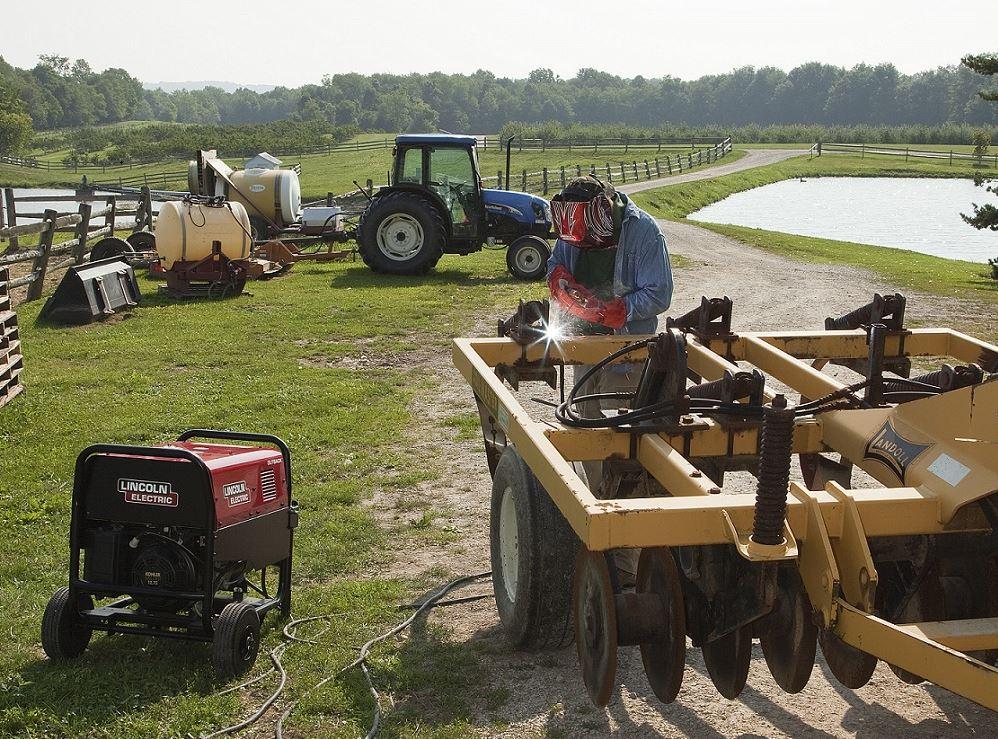
- Outdoor Repairs: Many fixes happen outside or in barns, not in a clean shop.
- Dirt and Rust: Equipment often gets muddy, greasy, or rusty, making clean welds harder.
- Limited Power: On-site repairs may need portable welders or generators.
- Variety of Metals: While most parts are steel, you may also find cast iron, aluminum, or even stainless steel.
These challenges affect which welding process will work best.

Credit: www.arccaptain.com
Main Welding Methods For Farm Equipment
Several welding methods are common for farm repair. Each has strengths and weaknesses for certain jobs. Let’s look at the main types.
Stick Welding (shielded Metal Arc Welding – Smaw)
Stick welding is one of the oldest and most-used methods for farm repairs. It uses a simple machine and a rod (or “stick”) covered in flux.
How It Works: An electric current melts both the stick and the base metal. The flux coating makes a gas cloud that protects the weld from air.
Strengths:
- Works well outdoors—wind does not easily blow away the shielding.
- Handles dirty or rusty metal better than most other methods.
- Simple equipment—portable and rugged machines.
- Good for thick metals—can easily weld steel parts over 1/8 inch.
Weaknesses:
- Slower than MIG or flux-cored.
- Leaves slag (a crust you must chip off after welding).
- Harder to learn for perfect results, especially for thin metal.
Example: A broken loader bucket edge is thick, often rusty steel. Stick welding can repair it right in the field, even on a windy day.
Mig Welding (gas Metal Arc Welding – Gmaw)
MIG welding uses a wire fed through a gun and a shielding gas (often argon and CO2). It’s popular in shops and for auto repairs.
How It Works: The machine feeds wire as you pull the trigger, and the gas shields the weld from air.
Strengths:
- Fast and easy—great for long, clean welds.
- Little cleanup—no heavy slag to remove.
- Easy to learn for beginners.
Weaknesses:
- Needs clean metal—dirt, oil, or rust cause poor welds.
- Gas can blow away in wind, so not good outdoors.
- More complex equipment—less portable.
Example: Repairing thin steel on a grain wagon in a clean shop is a good job for MIG welding.
Flux-cored Arc Welding (fcaw)
Flux-cored welding is similar to MIG, but the wire has flux inside. Some types use shielding gas, others don’t (self-shielded).
How It Works: As the wire melts, the flux creates a gas to protect the weld.
Strengths:
- Works on dirty or rusty metal.
- Some wires can be used outdoors (self-shielded).
- Faster than stick for long welds.
Weaknesses:
- Still leaves slag to clean up.
- More smoke and spatter than MIG.
- Machine is heavier than stick.
Example: Fixing a long crack in a combine frame outside, flux-cored welding works when MIG would fail.
Tig Welding (gas Tungsten Arc Welding – Gtaw)
TIG welding uses a non-melting tungsten tip and a separate filler rod. It gives the most control and clean welds.
How It Works: You hold a torch in one hand and the filler rod in the other, while a shielding gas (often argon) keeps the weld clean.
Strengths:
- Very precise—good for thin metals and detailed work.
- Clean, strong welds—almost no spatter.
- Works on many metals—steel, stainless, aluminum.
Weaknesses:
- Slow—not good for big, thick parts.
- Needs very clean metal.
- Hard to learn—takes skill and patience.
- Not good outdoors—gas shield blows away.
Example: TIG is best for small parts or aluminum repair in a clean, indoor shop.
Oxy-acetylene Welding (gas Welding)
Oxy-acetylene uses burning gases to melt metal. It is less common today but still useful.
How It Works: A torch mixes oxygen and acetylene to make a very hot flame. You add filler rod as needed.
Strengths:
- No electricity needed—just gas tanks.
- Can also cut metal.
- Good for thin steel and farm repairs far from power.
Weaknesses:
- Slow and less strong than arc welding.
- Not great for thick steel.
- Needs practice to avoid warping thin parts.
Example: Field repairs on small steel tubes or cutting off broken bolts.
Comparing Welding Methods For Farm Repairs
Choosing the best welding method depends on what you’re fixing, where you’re working, and what tools you have. Here’s a look at how the main methods compare for key repair needs:
| Method | Outdoor Use | Dirty Metal | Thick Metal | Speed | Ease of Learning |
|---|---|---|---|---|---|
| Stick | Excellent | Good | Excellent | Medium | Medium |
| MIG | Poor | Poor | Medium | Fast | Easy |
| Flux-Cored | Good | Good | Good | Fast | Medium |
| TIG | Poor | Poor | Poor | Slow | Hard |
| Oxy-Acetylene | Good | Fair | Poor | Slow | Medium |
Key Insight: For most on-farm repairs—especially outdoors, on dirty, thick steel—stick welding and flux-cored welding are often best. MIG and TIG are best used in a clean shop.
When To Use Each Welding Method
Not every method fits every job. Here’s when each one shines:
- Stick Welding: Use for heavy-duty repairs outdoors, like fixing plow frames, loader arms, or trailer hitches. Works well on rusty or painted metal.
- MIG Welding: Use in a clean, indoor shop for quick repairs on thin steel, like doors, guards, or light brackets.
- Flux-Cored Welding: Use for long welds on frames or beams outdoors, especially if you need speed and can’t get the metal perfectly clean.
- TIG Welding: Best for high-value, small, or delicate parts, and when working with aluminum or stainless steel.
- Oxy-Acetylene Welding: Useful for thin parts, emergency field repairs far from power, or when you need to cut as well as weld.
Example Repairs And Which Welding Method To Use
Understanding real repair situations helps you decide which method is best. Here are some common farm equipment problems and the best welding option for each:
Repairing A Broken Plow Frame
Plow frames are thick, heavy steel. They often break at welds or stress points after years of vibration and hard use.
Best Method: Stick welding or flux-cored. Both can penetrate thick, dirty steel and give a strong repair. Use a 7018 stick rod for best strength.
Mending A Cracked Trailer Hitch
Hitches take a lot of force and must be safe. Cracks can appear where the hitch meets the trailer frame.
Best Method: Stick welding, using a low-hydrogen rod. Clean the crack as much as possible, then weld all the way around for maximum strength.
Fixing A Rusted Grain Wagon Side
Grain wagons often use thinner steel, which can rust through.
Best Method: MIG welding, if the wagon can be brought into a shop and cleaned well. If not, a small stick welder with a thin rod may work.
Replacing A Loader Bucket Edge
Loader edges wear out fast. Replacing the edge means welding a new, thick steel plate to the bucket.
Best Method: Stick welding or flux-cored, using high-penetration settings and multi-pass welds if needed.
Repairing Aluminum Irrigation Pipes
Some farm equipment uses aluminum, which needs special care.
Best Method: TIG welding, if possible. Stick and MIG can work with special aluminum rods/wire, but TIG gives the cleanest results.
Credit: www.arccaptain.com
Choosing The Right Welding Rods And Wires
The welding method is only part of the story. The choice of rod or wire changes the weld’s quality and strength.
Stick Welding Rods
Common rods for farm repairs:
- 6011: Good for dirty, rusty steel; deep penetration; works on most farm repairs.
- 6013: For cleaner steel; smoother welds; less penetration.
- 7018: Strong, low-hydrogen; best for high-strength repairs like hitches or load-bearing parts.
Tip: 7018 rods must be kept dry—store them in a sealed container or rod oven.
Mig And Flux-cored Wires
- ER70S-6: Standard MIG wire for clean steel.
- E71T-11: Self-shielded flux-cored wire for outdoor use.
Tip: Always match your wire to the base metal. For aluminum, use an aluminum wire and a spool gun.
Oxy-acetylene Filler Rods
- Use mild steel rods for general repair.
- For cast iron or special metals, use a matching rod type.
Essential Equipment For Farm Welding
Having the right tools makes repair work safer and easier. Here’s what you need for each method:
Stick Welding
- AC/DC stick welder (portable models available)
- Electrode holder and ground clamp
- Welding rods for your repair
- Basic safety gear (helmet, gloves, jacket)
Mig Welding
- MIG welder with shielding gas
- Wire feed gun and ground clamp
- Steel wire (match size to job)
- Gas cylinder (CO2/argon mix)
- Safety gear
Flux-cored Welding
- MIG/flux-cored welder (dual-purpose preferred)
- Self-shielded flux-cored wire
- No gas needed for self-shielded type
- Safety gear
Tig Welding
- TIG welder with argon gas supply
- Tungsten electrodes and filler rods
- Foot pedal for control
- High-quality safety gear (eye protection is critical)
Oxy-acetylene Welding
- Oxygen and acetylene tanks with regulators
- Torch and tips
- Filler rods
- Striker and safety goggles (for flame work)
Important Note: Always keep a fire extinguisher nearby and work in a safe, ventilated area.
Credit: www.thefabricator.com
Safety Tips For Welding On The Farm
Welding can cause burns, eye injury, and fires. Farm shops often have flammable materials nearby. Follow these key safety steps:
- Wear proper PPE: Helmet, gloves, long sleeves, and boots.
- Check for fire hazards: Remove dry straw, fuel, or chemicals before welding.
- Ventilate the area: Welding fumes can harm lungs. Open doors or use fans.
- Inspect equipment: Damaged cables or hoses can cause shocks or leaks.
- Have an assistant nearby: For big jobs, a helper can spot problems and call for help if needed.
Non-obvious insight: Welding can produce invisible UV light that burns skin (like a sunburn). Cover all skin, even if it’s hot outside.
Mistakes To Avoid With Farm Welding
Even experienced welders can make mistakes, especially in tough farm conditions. Watch out for these common errors:
- Welding over rust or paint: Always clean the area as much as possible. Dirt weakens the weld.
- Using the wrong rod/wire: Match your rod to the base metal and job type. For example, do not use a 6013 rod for heavy repairs.
- Welding too hot or too cold: Wrong settings can cause cracks or weak welds. Practice on scrap first.
- Poor joint preparation: Gaps, sharp angles, or poor fit cause weak welds.
- Ignoring safety: Skipping gloves or not checking for fires can cause injury or property damage.
Insight: Many farm welds fail not because of bad technique, but because the metal was not cleaned well enough before welding.
Skills And Training For Farm Equipment Welding
Anyone can learn to weld, but good repairs need practice. Here’s what helps:
- Take a short welding course: Local colleges or farm groups often offer hands-on classes.
- Practice on scrap: Try different rods and settings before fixing important equipment.
- Learn to recognize a good weld: Look for even shape, no cracks, and proper penetration.
Tip: Even if you hire a professional welder, knowing the basics helps you check their work and maintain your equipment.
Costs: Welding Vs. Replacement
Welding repairs can save a lot of money over replacing parts. But what does it really cost?
| Repair Type | DIY Welding Cost | Professional Welding Cost | Replacement Cost |
|---|---|---|---|
| Loader bucket edge | $50–$150 (materials) | $200–$400 | $700–$1200 |
| Plow frame | $30–$80 | $150–$300 | $500–$1000 |
| Trailer hitch | $20–$60 | $100–$200 | $250–$500 |
Non-obvious tip: Buying a small stick welder pays for itself after just a few repairs compared to paying for replacements.
How Weather And Environment Affect Welding Choice
Welding outdoors is very different from working in a shop:
- Wind can blow away shielding gas (MIG, TIG), causing weak welds. Stick and flux-cored work better outside.
- Cold temperatures can cause welds to crack, especially on heavy steel. Preheat thick parts if possible.
- Rain or moisture is dangerous—never weld on wet equipment. Water can cause shocks or explosions.
Practical advice: If you must weld outdoors, use a welding tent or shield to block wind. Always wait for dry weather.
Welding Cast Iron And Other Special Materials
Some farm repairs involve cast iron, stainless, or aluminum.
- Cast Iron: Needs special nickel rods or cast iron rods. Weld slowly and cool slowly to avoid cracks.
- Stainless Steel: Use stainless rods or wire; best done with MIG or TIG.
- Aluminum: Needs TIG or special MIG setup. Clean the metal very well before welding.
If you are unsure, ask a professional or check guides from equipment makers.
Portable Welding For Field Repairs
Many farm repairs happen far from the shop. Portable welders help:
- Engine-driven stick welders: Gas or diesel powered, can run anywhere.
- Battery-powered MIG welders: Newer models can run on truck batteries for quick field fixes.
- Oxy-acetylene kits: No power needed, just gas tanks.
Insight: Many farmers keep a small stick welder and a set of rods on the tractor for emergency repairs.
Environmental And Health Considerations
Welding gives off fumes, especially when working on painted or coated metal.
- Avoid breathing fumes: Use a respirator if working in tight spaces.
- Dispose of slag and waste properly: Do not leave welding waste in fields.
- Check for lead paint: Older equipment may have toxic coatings.
For more safety guidance, see the official advice at OSHA Welding Safety.
Frequently Asked Questions
What Is The Best All-around Welding Method For Farm Equipment Repair?
Stick welding is the best all-around choice for farm repairs. It works well on thick, dirty steel and in outdoor conditions. It is also portable and affordable.
Can I Use Mig Welding On Farm Equipment Outside?
MIG welding is not ideal outdoors because wind can blow away the shielding gas. If you must weld outside, use self-shielded flux-cored wire instead.
What Rod Should I Use For Repairing A Tractor Hitch?
Use a 7018 stick rod for tractor hitches or any heavy, load-bearing parts. It gives strong, crack-resistant welds. Keep the rods dry for best results.
Is It Safe To Weld On Painted Or Rusty Metal?
Welding on rusty or painted metal is not safe or effective. Clean the area as much as possible before welding. Use a wire brush or grinder to remove rust and paint.
Do I Need Special Training To Weld Farm Equipment?
You do not need a degree, but some training helps. Many local colleges offer basic welding classes. Practicing on scrap metal is a good way to build skill before working on important equipment.
Farm equipment repair is part skill, part science, and part common sense. Choosing the right welding method saves money, improves safety, and keeps machines working when they are needed most. Stick welding leads for outdoor and heavy repairs, while MIG and TIG have their place for shop work and special metals.
With good preparation, practice, and safety, even tough repairs can last for years.