Disclosure: This post contains affiliate links and I will be compensated if you make a purchase after clicking through my links. Learn More
Getting a job as an entry level welder is a good way to start a stable career. Many factories, construction firms, and repair shops need skilled welders every year. Yet, employers do not just look for someone who can hold a welding torch.
They want workers who bring a mix of technical ability, safety awareness, and strong work habits. If you want your first welding job, you must understand what hiring managers really expect.
This article explains the main skills employers want from entry level welders. It covers both hands-on welding skills and less obvious traits like communication and teamwork. You will also find real examples, common mistakes, and advice to stand out during hiring.
Whether you are a student, a graduate from a welding school, or someone changing jobs, this guide helps you focus your training and job search.
Core Technical Skills
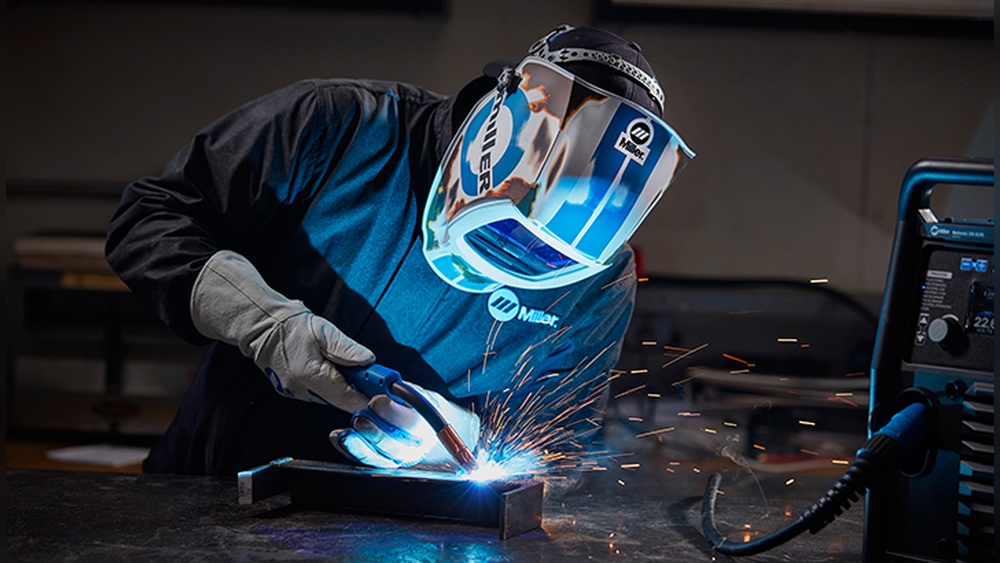
Welding is a hands-on job. Employers want workers who can use equipment safely and produce strong, neat welds. Here are the most important technical skills for entry level welders.
1. Understanding Welding Processes
Employers expect you to know the main welding methods used in industry:
- Shielded Metal Arc Welding (SMAW or Stick)
- Gas Metal Arc Welding (GMAW or MIG)
- Gas Tungsten Arc Welding (GTAW or TIG)
- Flux-Cored Arc Welding (FCAW)
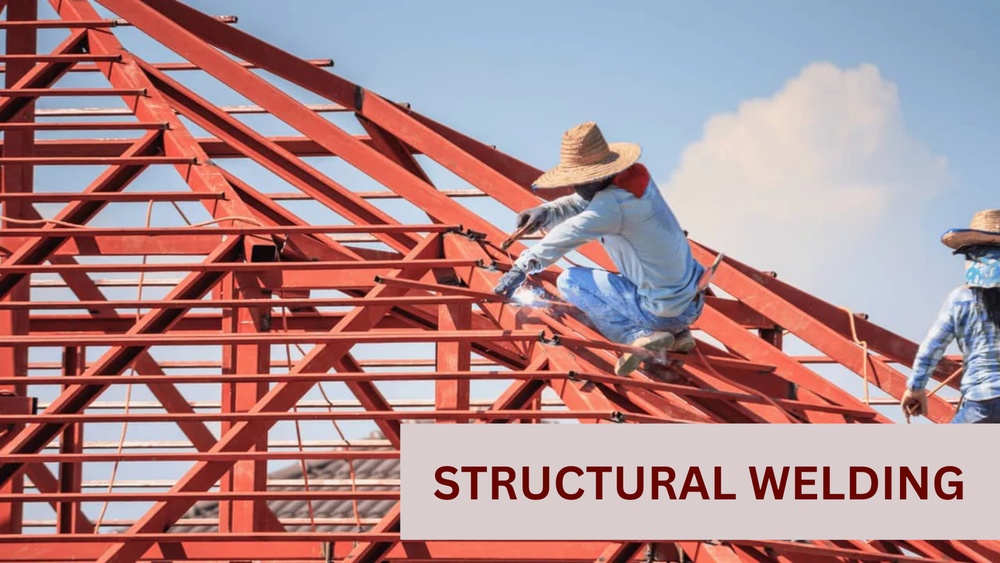
You do not need to master every process, but you should know how each one works and when to use it. For example, stick welding is common in outdoor construction, while MIG welding is often used in factories. Show that you can switch between methods and adjust to the job’s needs.
2. Welding Machine Setup And Adjustment
You must know how to:
- Set voltage and current for different metals
- Adjust wire feed speed for MIG welding
- Change welding rods and gases
Employers see many beginners who cannot set up machines without help. If you can do this alone, you will impress the supervisor. Also, being able to troubleshoot basic problems—like a wire jam or a poor arc—shows you are ready to work.
3. Reading Blueprints And Welding Symbols
Factories and shops use blueprints to show what to build. These drawings use special symbols for welding. You must know how to:
- Read measurements and welding symbols
- Understand joint types (butt, fillet, lap, etc.)
- Spot where welds are needed
Many new welders struggle with symbols, but it is a key skill. If you can read a blueprint, you can work with less supervision and make fewer mistakes.
4. Measuring And Cutting Materials
Before welding, you must cut metal to the right size. Employers want entry level welders who can:
- Use tape measures, rulers, and squares
- Mark lines clearly on metal
- Cut with saws, torches, or plasma cutters
A wrong cut wastes materials and time. Being careful and accurate with measurements is more important than speed.
5. Material Preparation
Good welds start with clean metal. Employers check if you can:
- Remove rust, paint, and oil from surfaces
- Grind or file edges to the right angle
- Clamp parts tightly
Many beginners rush this step and get weak welds. Taking time to prepare materials shows you care about quality.
6. Performing Basic Welds
You must show you can make strong, neat welds. This means:
- Keeping a steady hand
- Controlling the speed and angle of the torch
- Making welds that do not have holes, cracks, or too much buildup
Most employers will test your skill during the interview. They want to see you can follow instructions and produce welds that pass inspection.
7. Inspecting And Testing Welds
You should know how to check your own work. Employers want welders who can:
- Spot common weld defects (porosity, undercut, lack of fusion)
- Use gauges to measure weld size
- Understand basic non-destructive tests
If you can find and fix your own mistakes, you save the company time and money.
8. Using Tools Safely
Besides welding machines, you will use grinders, clamps, pliers, and hammers. Employers look for workers who:
- Use tools for the right job
- Store equipment safely after use
- Wear gloves, goggles, and hearing protection
Many accidents happen with simple tools, not just welding torches. Safe habits are highly valued.
Safety And Compliance Skills
Welding can be dangerous. Burns, eye injuries, and breathing metal fumes are common risks. Employers need entry level welders who treat safety as part of the job, not just a rule.
1. Personal Protective Equipment (ppe)
You must know what to wear for each task:
- Welding helmet for eye and face protection
- Gloves for heat and sparks
- Long sleeves and pants of non-synthetic material
- Steel-toe boots
- Hearing protection in noisy areas
Some employers will not let you work if you forget safety gear. Make it a habit to check your PPE before starting.
2. Safe Handling Of Gases And Chemicals
Welding often uses compressed gases and cleaning chemicals. You should:
- Know how to store and move gas cylinders safely
- Read warning labels
- Avoid mixing chemicals
A common mistake is laying a gas cylinder flat or leaving it in the sun. This can cause leaks or explosions.
3. Fire Prevention And Emergency Response
Welding creates sparks that can start fires. Employers want workers who:
- Keep fire extinguishers close by
- Check for flammable materials before starting
- Know emergency exit routes
One overlooked point: always let hot metal cool in a safe spot, away from wood or paper.
4. Understanding Osha And Company Rules
The Occupational Safety and Health Administration (OSHA) sets rules for safe welding in the US. Employers want entry level welders who:
- Know the basic OSHA welding standards
- Follow company safety rules without complaint
If you break safety rules, you risk your job and others’ lives. Show you take safety seriously in interviews.
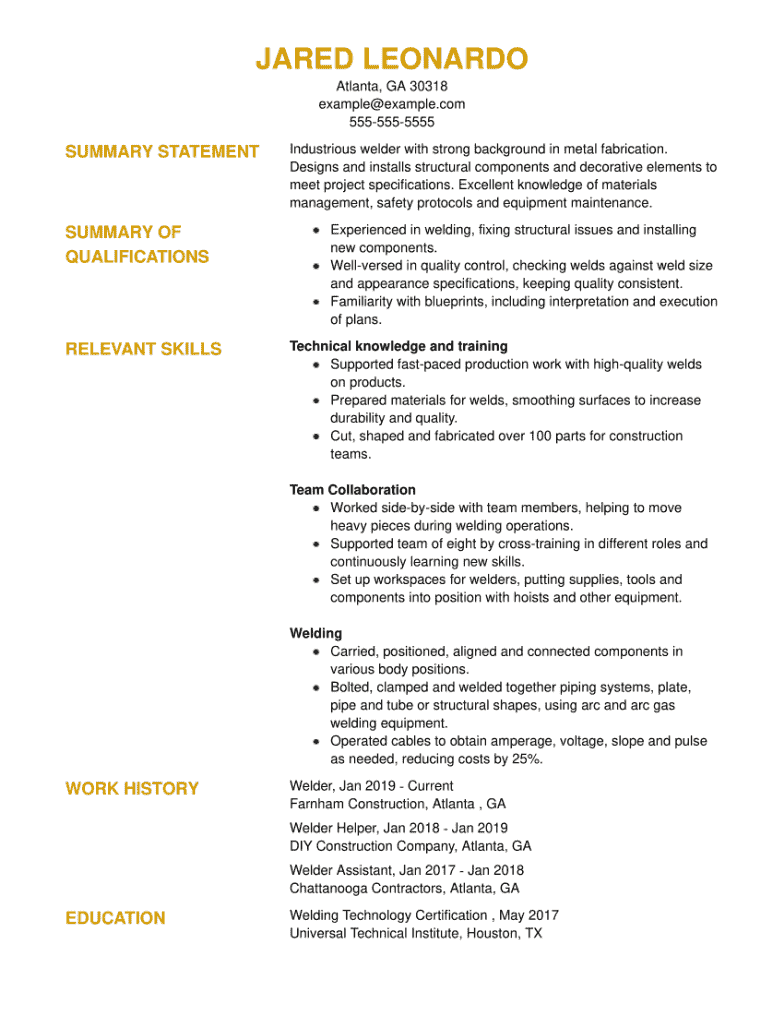
Credit: www.resumehelp.com
Soft Skills That Employers Value
Technical skills are only part of the story. Welding is often team work, and companies want reliable people. These “soft skills” are just as important as welding ability for new hires.
1. Attention To Detail
Welding mistakes can cause weak joints or leaks. Employers want workers who:
- Double-check their work
- Spot small problems early
- Follow instructions exactly
Brag about your attention to detail by sharing a story—like catching a mistake before it became a big issue.
2. Communication Skills
You must talk clearly with supervisors and co-workers. This includes:
- Asking questions when unsure
- Giving updates on your progress
- Reporting hazards or broken equipment
Many welding jobs involve teams. If you stay quiet, problems go unnoticed. Good communication helps the whole group work smoothly.
3. Teamwork
Large projects need many welders working together. Employers want people who:
- Share tasks and help others
- Accept feedback without getting upset
- Work to meet group deadlines
Avoid saying “I like to work alone” in interviews. Show you can fit into a team.
4. Reliability And Punctuality
Welders work by the hour. Missing work or arriving late slows the whole project. Employers notice who:
- Arrives on time every day
- Meets deadlines
- Can be trusted to finish tasks
Reliability is often more important than welding skill for entry level jobs.
5. Willingness To Learn
Welding technology changes. New metals, machines, and safety rules appear often. Employers want entry level workers who:
- Ask for extra training
- Try new methods
- Accept coaching without complaint
If you act like you know everything already, you will miss chances for growth.
6. Problem Solving
You will face broken equipment, poor fit-ups, or missing parts. Employers value workers who:
- Suggest simple fixes
- Stay calm under pressure
- Do not just wait for a supervisor
Share an example of solving a problem in school or a past job.
7. Work Ethic
Welding is physical work. Employers want people who:
- Work hard even during long shifts
- Clean up after themselves
- Take pride in doing the job right
If you show you care about quality and effort, you will stand out.
Certification And Education
Many entry level welding jobs do not require a college degree. Still, the right training and certificates can help you get hired.
1. High School Diploma Or Ged
Most employers require at least a basic education. Reading, math, and science skills help you read blueprints and measure materials.
2. Welding School Or Technical College
A formal course teaches you:
- Welding processes
- Safety rules
- Blueprint reading
Programs often include hands-on practice. Some schools have job placement help.
3. Welding Certificates
Many employers look for certifications from groups like the American Welding Society (AWS). Popular certificates include:
- AWS Certified Welder
- AWS SENSE Program
These show you meet industry standards for skill and safety.
4. On-the-job Training
Some companies train new hires if they show strong basic skills. You may start as a helper and move up.
5. Continuing Education
New welding methods appear often. Employers like workers who keep learning through night classes or online courses. For example, learning about robotic welding or special alloys can help you advance.
Physical And Mental Traits
Welding is demanding. Employers look for people who can handle the job’s physical and mental challenges.
1. Good Hand-eye Coordination
You must guide the torch or rod along a seam with steady hands. Shaky hands make poor welds.
2. Physical Stamina
Jobs can last 8-12 hours. You may need to:
- Stand, bend, or crouch for long periods
- Lift heavy parts (often 25-50 pounds)
- Work in hot or cold areas
If you show you can handle tough conditions, you will look like a good hire.
3. Good Vision
You need to see the weld pool, lines, and details clearly. Some shops require a vision test.
4. Focus And Patience
Welding is not a race. Rushing causes mistakes and accidents. Employers want workers who can focus for long periods without losing patience.
5. Adaptability
Every day can be different. You may move between projects, machines, or materials. Fast learners do well in entry level jobs.
Digital And Modern Skills
Welding technology is changing. Employers are starting to want entry level welders who can use simple digital tools.
1. Using Digital Measuring Tools
Some shops use:
- Laser measuring devices
- Electronic weld gauges
Basic computer skills help you use these tools.
2. Working With Welding Robots
Automation is growing. Some factories use robotic welding arms. Employers like workers who:
- Can load and unload parts from robots
- Do simple programming or maintenance
You do not need to be a robot expert, but interest in technology helps.
3. Keeping Simple Records
Many companies track work on computers. Entry level welders may need to:
- Enter part numbers or job codes
- Record hours worked
- Log safety checks
Knowing how to use a basic work app or spreadsheet is a plus.

Credit: www.myperfectresume.com
Comparing Entry Level And Experienced Welder Skills
It helps to see how employer expectations change as you gain experience.
| Skill Area | Entry Level Welder | Experienced Welder |
|---|---|---|
| Technical Ability | Basic welds, setup, safety | Advanced welds, repair, specialty metals |
| Supervision Needed | Needs some guidance | Works independently |
| Blueprint Reading | Simple drawings, main symbols | Complex prints, custom jobs |
| Problem Solving | Follows instructions | Solves unexpected issues |
| Certification | Basic certificate or school | Multiple advanced certificates |
Entry level welders should focus on basic skills, safety, and reliability. With experience, you can move into more complex jobs.
Common Mistakes Entry Level Welders Make
Knowing what to avoid is as important as knowing what to do. Here are mistakes employers see often:
1. Skipping Safety Steps
Many beginners rush and forget to wear gloves or check equipment.
2. Ignoring Instructions
Some new welders think they know better and do not follow directions closely.
3. Poor Material Prep
Not cleaning or lining up parts leads to weak welds.
4. Not Asking Questions
Staying silent when confused often causes bigger errors.
5. Unreliable Attendance
Being late or missing work quickly gets noticed.
6. Resisting Feedback
Getting upset when corrected makes it hard to improve.
If you avoid these errors, you will stand out to employers.
How To Show Your Skills To Employers
You must prove your skills during the hiring process. Here’s how:
1. Bring A Skills Portfolio
Take photos of your best welds and projects to interviews.
2. List Specific Training
Include courses, certificates, and safety training on your resume.
3. Practice Welding Tests
Many employers will ask you to weld during the interview. Practice common joints on scrap metal before applying.
4. Prepare For Safety Questions
Be ready to explain how you handle risks, PPE, and emergencies.
5. Show Soft Skills
Tell stories about teamwork, reliability, and problem solving.
6. Ask Smart Questions
Ask what welding processes the company uses or how they train new hires. This shows you are serious.
Salary And Job Outlook
Welding offers steady work. The U.S. Bureau of Labor Statistics says the average pay for welders is about $48,940 per year as of 2023. Entry level welders often start lower, from $17 to $21 per hour. Pay rises with skill, certificates, and experience.
Demand for welders stays strong, especially in construction, shipyards, and factories. Automation is growing, but skilled welders who can use new machines are needed.
For more salary data and projections, you can visit the U.S. Bureau of Labor Statistics.
Tips To Stand Out As An Entry Level Welder
- Arrive early and ready to work
- Keep your work area clean
- Practice welding and cutting at home or in school
- Ask for feedback and learn from mistakes
- Stay up to date with new tools and safety rules
Employers remember workers who are reliable, safe, and eager to learn.
Example: Entry Level Welder Job Posting
Here’s a sample job ad for a real entry level welding job:
ABC Manufacturing seeks Entry Level Welder
Duties:
- Weld steel parts using MIG and Stick
- Read blueprints and follow safety rules
- Measure, cut, and fit materials
- Keep work area clean
Requirements:
- High school diploma or GED
- Basic welding experience (school or workshop)
- Able to lift 40 lbs and stand for long shifts
- Good attendance record
- Willing to learn new skills
Notice how the ad lists both technical and soft skills.
Table: Most Requested Skills By Employers
Based on a review of job ads, here are the most common skills employers ask for:
| Skill | % of Job Ads Asking For It |
|---|---|
| Basic Welding Ability | 98% |
| Safety Awareness | 92% |
| Blueprint Reading | 74% |
| Teamwork | 69% |
| Reliability | 61% |
| Problem Solving | 47% |
| Willingness to Learn | 44% |
Focus on these areas to increase your chances of getting hired.
Frequently Asked Questions
What Is The Most Important Skill For Entry Level Welders?
Basic welding ability is the most important skill. Employers want workers who can make safe, clean welds with common equipment. Safety awareness and reliability are also highly valued.
Do I Need A Certificate To Get My First Welding Job?
A certificate helps but is not always required. Many employers accept school training or hands-on experience. Still, an AWS Certified Welder or similar certificate will improve your job chances.
How Can I Get Welding Experience If I Am New?
You can start with school classes, community college programs, or internships. Some shops offer helper jobs where you can learn by watching and assisting.
What Safety Rules Should I Know Before Starting?
You should know how to wear PPE, handle gases safely, and use fire prevention steps. Learn basic OSHA welding rules and follow all company guidelines.
What Can I Do To Stand Out As An Entry Level Welder?
Practice your welding and measurement skills, show up on time, and ask smart questions. Keep learning new skills and always put safety first.
—
Starting as an entry level welder can lead to a long and stable career. By building both your hands-on skills and your work habits, you become the type of worker employers want. Focus on the skills in this guide, avoid common mistakes, and keep learning—you will be ready for your first welding job and for growth in the future.
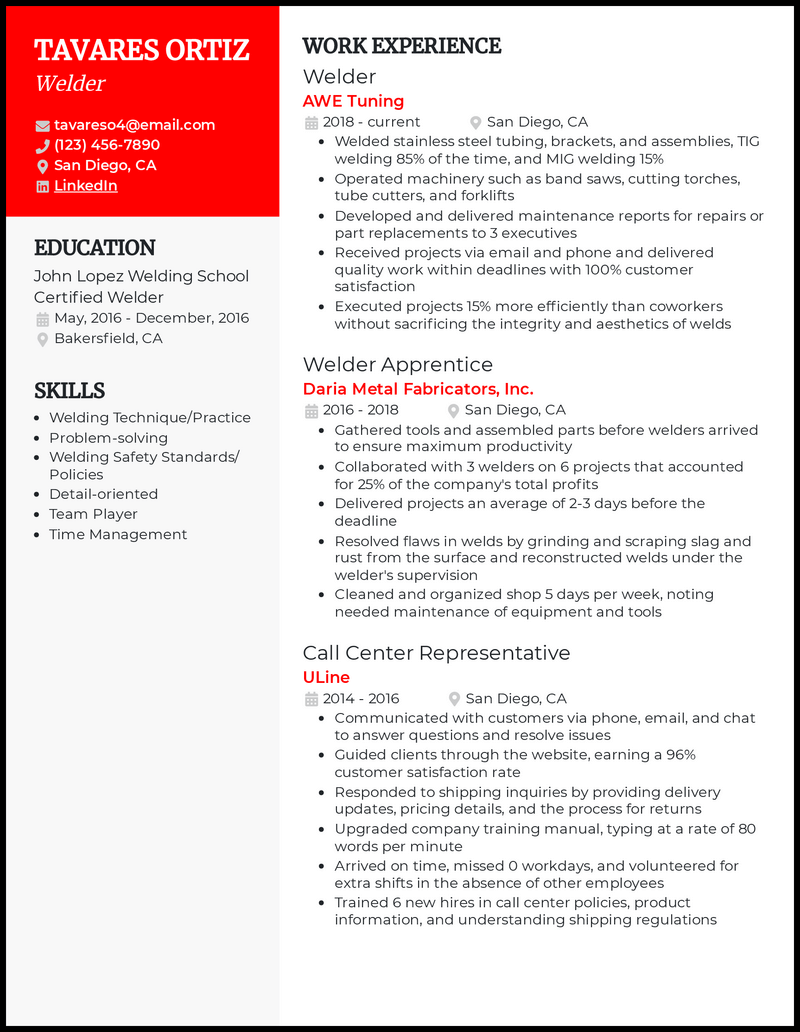
Credit: www.beamjobs.com