Disclosure: This post contains affiliate links and I will be compensated if you make a purchase after clicking through my links. Learn More
TIG welding, also known as Gas Tungsten Arc Welding (GTAW), is a method that many people use when they want clean, strong, and precise welds. This technique is common in industries where the quality of the weld is very important, like aerospace, automotive, and art sculpture.
TIG welding is not only about joining metal; it is about control, skill, and understanding how metals behave. Many professionals choose TIG welding for its ability to create neat welds with almost no spatter and minimal cleanup. If you are interested in welding or want to understand why TIG welding stands out, this guide will explain how it works, its uses, its benefits, and what makes it different from other welding processes.
What Is Tig Welding (gtaw)?
TIG welding stands for Tungsten Inert Gas welding. It is sometimes called GTAW (Gas Tungsten Arc Welding). In TIG welding, an electric arc forms between a non-consumable tungsten electrode and the metal you want to join. The process uses a shielding gas, usually argon, to protect the weld area from air. This helps prevent contamination and keeps the weld clean.
TIG welding is different from other methods because the electrode does not melt or become part of the weld. Instead, if you need to add more metal, you hold a filler rod in your other hand and feed it into the arc.
This gives you control over how much metal you add, where you add it, and how fast you work. It also allows you to weld thin materials or make delicate welds that require a smooth finish.
Some people call TIG welding a “two-handed” process because you often use both hands: one for the torch and one for the filler rod. This process works well with many metals, including steel, stainless steel, aluminum, magnesium, copper, and even some exotic metals like titanium.
How Tig Welding Works
TIG welding uses electricity, gas, and a tungsten electrode to make strong, clean welds. Here is how the process works in simple steps:
- Setup: You connect a TIG welding machine to power, select the right settings (like current type and amperage), and prepare the work area.
- Shielding Gas: You connect a cylinder of shielding gas (usually argon) to the torch. The gas flows around the tungsten electrode and the weld area to keep oxygen and nitrogen out.
- Tungsten Electrode: The tungsten electrode sits in the torch. You can grind its tip to a sharp point or a rounded end, depending on the metal you want to weld.
- Striking the Arc: When you press the torch trigger (or use a foot pedal), electricity flows through the tungsten and jumps to the metal, creating an arc. This arc gets very hot—up to 6,000°C (11,000°F).
- Melting the Metal: The heat melts the metal at the joint. If you need extra metal, you feed a filler rod into the arc with your other hand.
- Welding: The shielding gas keeps the weld area clean. You move the torch along the joint at a steady pace, making a smooth bead.
- Finishing: When you finish, you stop the arc and let the gas flow for a few seconds to protect the cooling weld.
TIG welding gives you more control than most other welding methods, especially for thin metals or detailed work. The process is slower than some other types, but the results are often better.
Main Components Of Tig Welding
To understand TIG welding fully, it helps to know the parts involved. Each plays a key role in the process.
Tig Welding Machine
The welding machine provides the electrical power. It lets you set the current type (AC or DC) and the amperage (how much current flows). For aluminum, you usually use AC. For steel and stainless steel, you use DC.
Torch
The torch holds the tungsten electrode and directs the shielding gas. It has a trigger or switch to start and stop the arc. Some torches have a cooling system using water, which is important for high-current jobs.
Tungsten Electrode
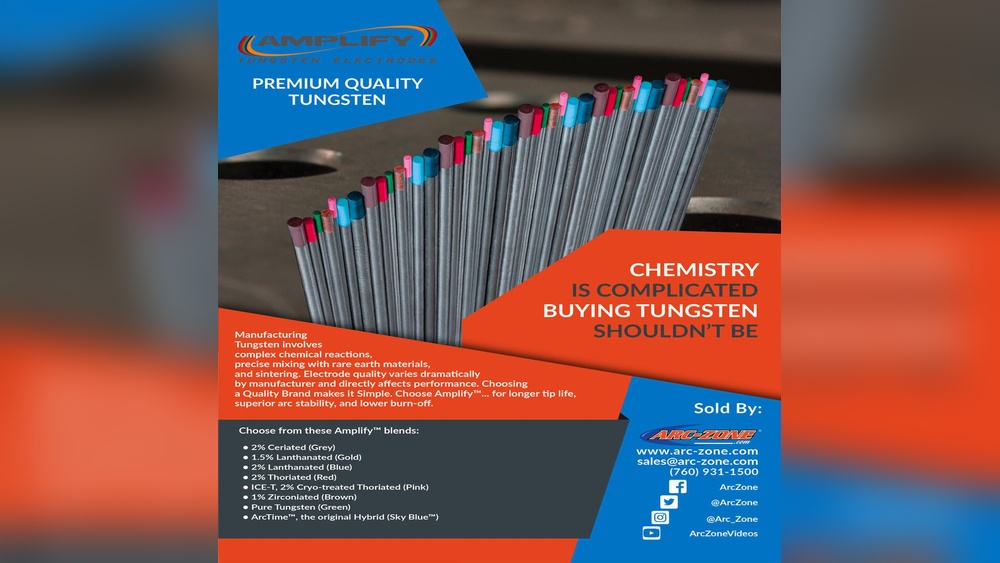
Tungsten is a hard metal with a very high melting point. The electrode does not melt during welding. You can choose different types of tungsten electrodes, each marked with a color code. For example, green is pure tungsten, red is thoriated (with thorium), and gold is lanthanated (with lanthanum).
Shielding Gas Supply
A cylinder holds the shielding gas, usually argon or a mix of argon and other gases like helium. A regulator and flowmeter control how much gas comes out.
Filler Rod
You add a filler rod if you need extra material in the weld. The rod matches the metal you are welding. For example, if you weld stainless steel, you use a stainless steel filler rod.
Foot Pedal Or Hand Control
Many TIG welders have a foot pedal or a hand control. This device lets you change the current while you weld, giving you more control over heat and penetration.
Ground Clamp
You attach a ground clamp to the workpiece. This completes the electrical circuit, so the arc can form between the tungsten and the metal.
Tig Welding Process: Step-by-step
Here is how you perform a basic TIG weld:
- Prepare the Metal: Clean the surfaces to remove oil, dirt, rust, or paint. TIG welding needs very clean metal for best results.
- Select the Electrode: Choose the right tungsten electrode for the metal and grind it to the correct shape.
- Set Up the Machine: Pick the correct current type (AC/DC) and amperage. Connect the torch, gas, and ground clamp.
- Adjust the Gas Flow: Set the shielding gas flow rate, often between 10–20 cubic feet per hour (CFH).
- Start the Arc: Hold the torch at a slight angle. Use a foot pedal or torch switch to start the arc.
- Weld the Joint: Move the torch slowly along the joint. If needed, feed the filler rod into the arc with your other hand.
- End the Weld: Release the pedal or switch. Keep the torch over the weld for a few seconds to let the shielding gas protect the cooling metal.
- Inspect the Weld: Check for cracks, holes, or signs of contamination.
Tig Welding Vs. Other Welding Methods
TIG welding is just one way to join metals. Here is how it compares to two popular methods: MIG welding and Stick welding.
| Feature | TIG Welding (GTAW) | MIG Welding (GMAW) | Stick Welding (SMAW) |
|---|---|---|---|
| Electrode Type | Non-consumable tungsten | Consumable wire | Consumable stick |
| Shielding Gas | External (argon/helium) | External (argon, CO2) | Flux-coated stick |
| Weld Quality | Very high, clean finish | Good, some spatter | Good, more spatter |
| Speed | Slow | Fast | Medium |
| Skill Level | High | Medium | Medium |
| Materials | Most metals, thin or thick | Mainly steel, stainless, aluminum | Steel, cast iron, stainless |
| Best For | Precision, thin metal, clean welds | Speed, thicker metal, production | Outdoor, dirty/rusty metal |
TIG welding is slow but gives the best-looking welds. MIG welding is faster and easier for beginners. Stick welding works well outside or on dirty metal but gives rougher welds.
Advantages Of Tig Welding
TIG welding has several strong points that make it popular for certain jobs.
Clean Welds
TIG welding produces welds with no spatter and very little smoke. The finished weld looks neat and often does not need grinding or cleaning.
Precision And Control
You control the heat, speed, and filler material. This lets you make detailed welds, even on small or thin parts.
Versatility
You can use TIG welding on many metals: aluminum, magnesium, copper, nickel, titanium, and more. It works for both thick and thin materials.
Strong Welds
TIG welds are usually as strong as, or stronger than, the base metal. The process avoids slag and other impurities.
No Flux Or Slag
Since TIG welding uses a shielding gas, you do not need flux. This means no slag forms on the weld, so less cleaning is needed.
Low Distortion
Because you can control the heat closely, you reduce the risk of warping or bending thin metals.
Disadvantages Of Tig Welding
TIG welding is not perfect. Here are some points to consider.
Slower Process
TIG welding takes more time than MIG or stick welding. It is not ideal for large projects where speed is important.
High Skill Needed
You need good hand-eye coordination and practice to get strong, neat welds. Beginners often struggle at first.
Equipment Cost
TIG welders and accessories cost more than basic stick or MIG welders. You also need a clean work area and good ventilation.
Cleanliness Required
The metal must be very clean. Even small amounts of oil, rust, or paint can ruin a TIG weld.
Both Hands Needed
You often use both hands—one for the torch, one for the filler rod. This makes the process harder to learn.
Where Tig Welding Is Used
TIG welding is a top choice when weld appearance and quality matter. Here are some common uses:
- Aerospace: Aircraft parts need strong, lightweight, and reliable welds. TIG welding handles aluminum and titanium used in planes.
- Automotive: Car frames, exhaust systems, and custom parts often use TIG welding for neat joints and high strength.
- Food and Beverage Equipment: Stainless steel tanks, pipes, and fittings must be clean and free from contamination.
- Art and Sculpture: Artists use TIG welding for metal sculptures because it creates clean, smooth welds.
- Medical Devices: TIG welding can join tiny, delicate parts without leaving residue or rough edges.
- Pipe and Tube Welding: TIG is common for joining thin-walled pipes, especially in chemical and gas industries.
- Bicycle Frames: High-end bikes often use TIG-welded frames for strength and appearance.
Types Of Tig Welding Machines
Not all TIG welders are the same. You can choose from different machines based on your needs.
Ac Vs. Dc Tig Welders
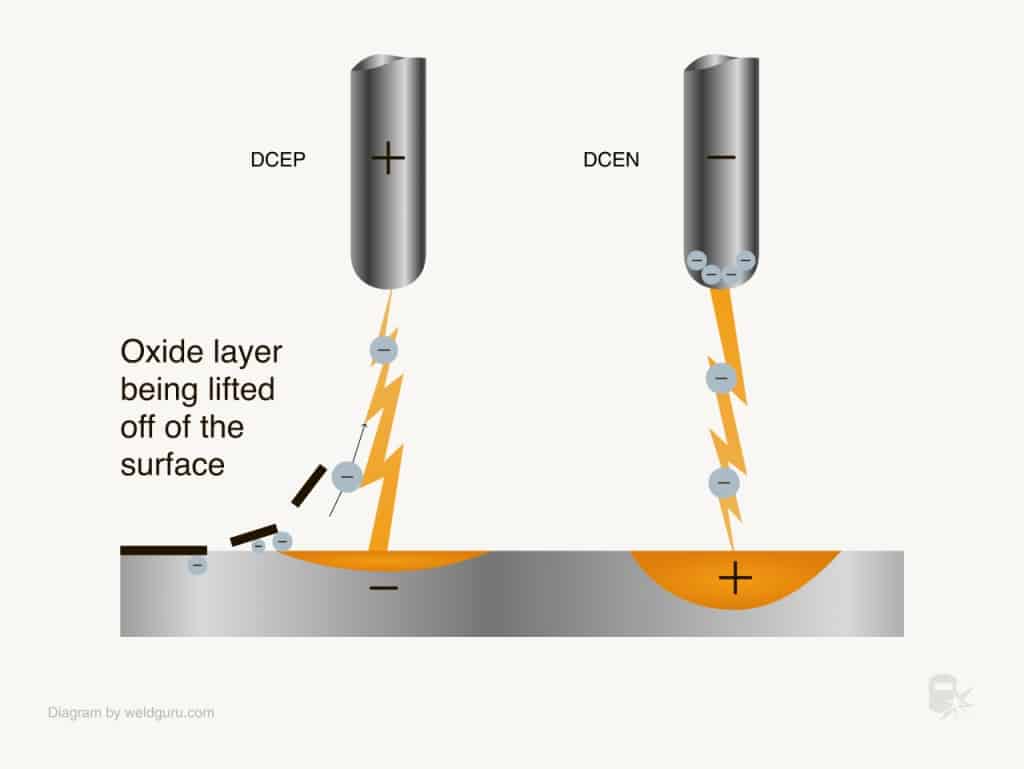
- AC (Alternating Current): Needed for aluminum and magnesium. The current alternates direction, cleaning the oxide layer off aluminum.
- DC (Direct Current): Used for steel, stainless steel, copper, and titanium. The current flows in one direction.
Some machines can switch between AC and DC, making them more versatile.
Inverter Vs. Transformer Tig Welders
- Inverter Welders: Smaller, lighter, and more efficient. They let you adjust settings more precisely.
- Transformer Welders: Larger and heavier but very durable. They have fewer features but last a long time.
Water-cooled Vs. Air-cooled Torches
- Water-Cooled: Used for high-current jobs or long welds. The torch stays cool, even during heavy use.
- Air-Cooled: Fine for short or low-current jobs. Simpler and lighter, but gets hot quickly.
Key Settings For Tig Welding
Getting the right settings is important for TIG welding. Here are the main ones:
Amperage
Amperage controls the heat. More amps mean more heat and deeper welds. Thin metals need low amps; thick metals need more.
Polarity
- DCEN (Direct Current Electrode Negative): Most common for steel and stainless steel. The electrode is negative, the workpiece is positive.
- DCEP (Direct Current Electrode Positive): Rare in TIG, but can be used for special cleaning action.
- AC: Needed for aluminum and magnesium.
Gas Flow Rate
A typical flow rate is 10–20 CFH. Too little gas, and the weld will oxidize. Too much, and it can create turbulence.
Electrode Size And Type
Choose the right tungsten for the metal and current. For example, 1/16″ thoriated tungsten works well for many jobs.
Filler Rod Size And Material
Match the filler rod to the base metal. Thicker rods for big welds; thinner for fine work.

Credit: seaberyat.com
Common Tig Welding Techniques
Welders use different techniques depending on the job:
Walking The Cup
You rest the ceramic cup of the torch on the metal and move it in a steady motion, like rolling a wheel. This keeps the arc stable and makes a smooth, even weld.
Freehand
You hold the torch above the metal and move your hand smoothly along the joint. This works for short welds or tight spaces.
Filler Rod Dipping
You “dip” the filler rod into the edge of the puddle, then pull it back, repeating as you move along. This keeps the weld even.
Pulsed Tig Welding
The machine switches between high and low current quickly. This technique helps control heat and reduces warping, especially on thin metals.
Safety In Tig Welding
Welding can be dangerous if you do not follow safety steps. Here’s what you should do:
- Wear a Welding Helmet: Protect your eyes from UV light, sparks, and the bright arc.
- Use Gloves and Protective Clothing: Wear thick gloves and long sleeves to guard against burns.
- Ventilate the Area: TIG welding can create fumes, especially from some metals. Use fans or work in open areas.
- Check for Gas Leaks: Ensure hoses and fittings do not leak. Argon is harmless but can replace oxygen in a closed space.
- Keep the Workspace Clean: Remove flammable items and clutter from the area.
Credit: weldguru.com
Tips For Better Tig Welding Results
Small details can make a big difference in TIG welding. Here are some tips:
- Keep Metals Clean: Use a stainless steel brush, acetone, or sandpaper to clean before welding.
- Sharpen the Tungsten Properly: Grind the electrode lengthwise, not sideways. This helps keep a stable arc.
- Control Torch Angle: Hold the torch at about 15–20 degrees from vertical for best results.
- Use the Right Gas: Pure argon works for most jobs. For deeper penetration or faster welds, try adding helium.
- Practice Steady Movement: Move the torch and filler rod smoothly. Jerky movement leads to uneven welds.
- Watch the Weld Pool: Pay attention to the puddle of molten metal. This tells you if the heat and speed are right.
Common Problems And Solutions In Tig Welding
Even experienced welders run into problems. Here are some frequent issues and fixes:
Porosity
Small holes in the weld can mean contamination from dirt, oil, or bad gas coverage. Clean the metal and check for drafts.
Tungsten Contamination
Touching the tungsten to the metal or filler rod can cause the arc to wander. Stop and regrind the electrode.
Cracks
Cracks often come from welding too fast, using the wrong filler rod, or letting the weld cool too quickly. Slow down and use the right materials.
Poor Arc Starting
If the arc will not start, check the tungsten tip, gas flow, and ground connection.
Inconsistent Bead
Uneven welds can result from shaky hands, wrong speed, or poor torch angle. Practice helps improve consistency.
Tig Welding: Practical Example
Imagine you want to weld two thin pieces of aluminum. Here’s how you might do it:
- Clean the Metal: Aluminum forms an oxide layer quickly. Use a stainless steel brush just before welding.
- Set the Machine: Use AC current, 1/16″ pure tungsten, and a flow of 15 CFH argon.
- Sharpen the Tungsten: Grind to a rounded tip for aluminum.
- Weld: Hold the torch at 15 degrees, start the arc, and feed a 1/16″ aluminum filler rod slowly into the puddle.
- Finish: Let the weld cool under the shielding gas for a few seconds.
This method gives you a strong, clean joint with no cracks or porosity.
Tig Welding Filler Rod Selection Guide
Choosing the right filler rod is important for strong, reliable welds. Here is a comparison of common filler rods:
| Base Metal | Common Filler Rod | Typical Application |
|---|---|---|
| Steel | ER70S-2 | General steel welding |
| Stainless Steel | ER308L, ER316L | Food, medical, chemical equipment |
| Aluminum | ER4043, ER5356 | Frames, tanks, automotive parts |
| Copper | ERCu | Electrical, plumbing |
| Nickel Alloys | ERNiCr-3 | High-temperature parts |
| Titanium | ERTi-2 | Aerospace, medical |
Always check the filler rod matches the base metal for best results.
Two Non-obvious Insights For Beginners
- Tungsten Shape Matters More Than You Think: Many beginners do not realize that the way you grind your tungsten affects the arc shape and weld quality. Grinding lengthwise (not across) makes a stable arc, which is key for neat welds.
- Argon Shielding After Arc Stops: Hold the torch in place for a few seconds after you finish welding. The gas continues to flow, protecting the hot metal from air and preventing cracks or color changes.
Tig Welding Certification And Training
Many jobs require welders to be certified in TIG welding. Training courses teach the theory, safety, and hands-on skills. Certifications like the American Welding Society (AWS) TIG Welding Certification prove your ability and help you find better jobs. Skilled TIG welders are in demand because many industries need high-quality, reliable welds.
Frequently Asked Questions
What Metals Can I Weld With Tig Welding?
You can weld steel, stainless steel, aluminum, magnesium, copper, nickel, titanium, and more. TIG welding is one of the most versatile methods for joining different metals.
Is Tig Welding Hard To Learn?
TIG welding needs more practice than other methods. You need to control the torch and filler rod at the same time, watch the weld pool, and adjust the heat. Many people start with MIG or stick welding before learning TIG.
What Is The Best Shielding Gas For Tig Welding?
Argon is the most common gas for TIG welding. For some jobs, welders use a mix of argon and helium to get deeper penetration or faster welding.
Can I Tig Weld Without A Filler Rod?
Yes, you can use autogenous welding (no filler rod) for some joints, especially if the base metals are thin and the fit is tight. But most jobs require a filler rod for strength.
Where Can I Learn More About Tig Welding?
You can find detailed information and guides on TIG welding at Wikipedia, local technical schools, and welding training centers.
TIG welding is a precise, reliable, and flexible way to join metals. It gives you control, clean results, and strong welds when done well. If you take the time to learn, practice, and understand the settings and techniques, TIG welding can help you make professional-quality joints in many types of metals.
Whether you are building aircraft, fixing a bike frame, or making art, TIG welding is a tool that rewards skill and attention to detail.