Disclosure: This post contains affiliate links and I will be compensated if you make a purchase after clicking through my links. Learn More
Most people see welders and fabricators working with metal, but they often confuse the two roles. Both jobs involve metal, tools, and skill. Yet, their daily tasks, training, and goals are different. If you want to pick a career or hire the right professional, it is important to know what separates a welder from a fabricator. This article gives you a clear and full explanation of both professions, their tools, main duties, skills, and work settings. You will see real examples, key comparisons, and answers to common questions.
What Is A Welder?
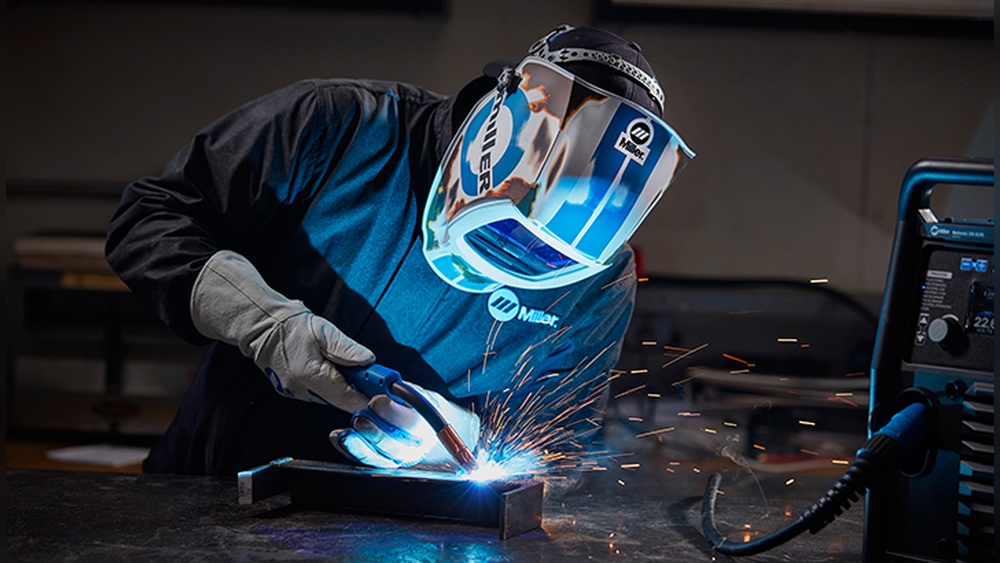
A welder joins pieces of metal together using heat, pressure, or both. Welders use special equipment to melt and fuse metal. Their main goal is to create strong and lasting joints. Welders work on many projects, from car frames to ship hulls, pipelines, or bridges.
Welders use different methods such as MIG welding, TIG welding, and arc welding. Each process needs practice and safety measures. Welders read blueprints, measure parts, clean surfaces, and check their work for quality. Often, welders work with fabricators but focus only on joining metal, not shaping or designing it.
Welding requires good hand-eye coordination, focus, and knowledge of metals and safety rules. Welders often work in factories, construction sites, shipyards, or repair shops. Their work can be indoors or outdoors, sometimes in tight spaces or at heights.
What Is A Fabricator?
A fabricator shapes, cuts, and assembles metal parts to build products or structures. Fabricators handle metal from the raw stage to the finished product. Their tasks include measuring, cutting, bending, welding, and assembling. Fabricators turn blueprints into real objects like frames, staircases, gates, tanks, or machine parts.
Fabricators use many tools: saws, presses, rollers, drills, and welding machines. They may also use computers to read drawings or operate automated machines. Fabricators often work in workshops or factories, sometimes on construction sites.
A fabricator must plan each step and make sure all parts fit together. They check measurements, smooth rough edges, and test finished products. Attention to detail is key. Fabricators need math skills, technical reading skills, and strong hands-on ability.
Main Differences Between A Welder And A Fabricator
The terms often overlap, but there are clear differences. The table below outlines the main contrasts:
| Aspect | Welder | Fabricator |
|---|---|---|
| Main Role | Joins metal parts | Creates and assembles metal parts |
| Daily Tasks | Welding, inspecting joints | Measuring, cutting, bending, welding, assembling |
| Tools Used | Welding machines, grinders | Saws, presses, drills, welding machines |
| Training Needed | Welding certifications | Metal fabrication/apprenticeships |
| Work Setting | Construction sites, factories | Workshops, factories |
| Scope of Work | Narrow: joining metal | Broad: shaping, joining, finishing metal |
Tasks And Responsibilities
Welder Tasks
- Reading blueprints: Welders study plans to understand where and how to join metal.
- Setting up equipment: They prepare welding machines, check gas levels, and choose the right tools.
- Preparing surfaces: Cleaning and smoothing metals to ensure a strong weld.
- Welding: Using heat or pressure to fuse metals.
- Inspecting joints: Checking for cracks, holes, or weak spots.
- Following safety rules: Wearing protective gear and following safety steps.
- Repairing and maintaining equipment: Keeping welding tools clean and in good condition.
Fabricator Tasks
- Reading and understanding designs: Turning drawings into real products.
- Measuring and marking: Using tape measures, rulers, or laser tools for accuracy.
- Cutting metal: Using saws, shears, or torches.
- Bending and shaping: Using presses or rollers to create curves or angles.
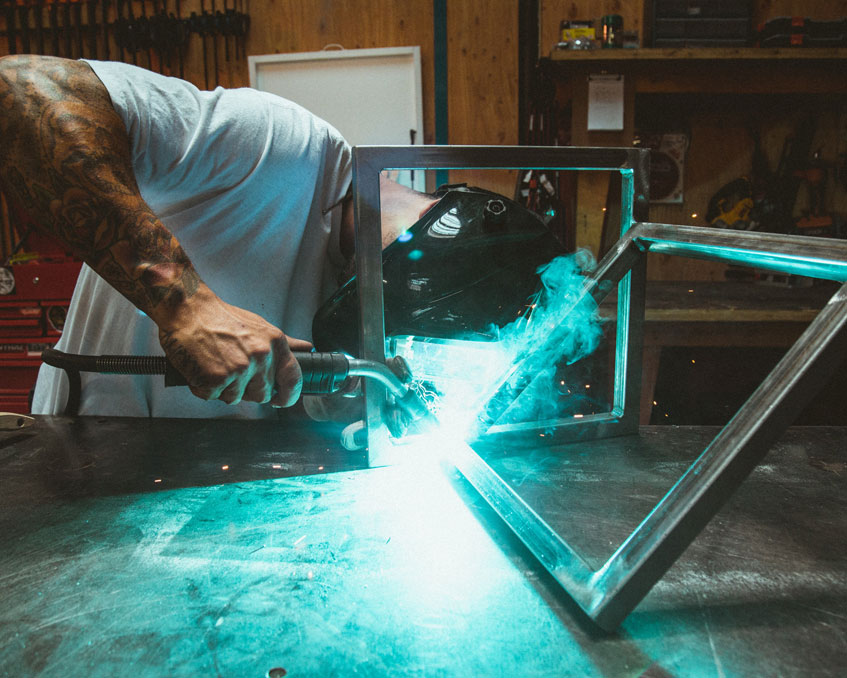
- Welding and joining: Sometimes welding their own parts or working with welders.
- Assembling parts: Fitting everything together and checking alignment.
- Finishing: Smoothing edges, removing sharp spots, and cleaning surfaces.
- Testing and inspecting: Making sure the product meets standards.
Insight: Many beginners think fabricators only cut or bend metal, but they also assemble, finish, and test parts. Welders, on the other hand, focus on joining but rarely handle the whole process.
Credit: kheerasteelworks.com
Skills And Training Needed
Welder Skills
- Hand-eye coordination: Welding requires steady hands and precise movement.
- Technical knowledge: Understanding welding types, metals, and heat levels.
- Blueprint reading: Interpreting technical drawings.
- Attention to detail: Spotting small flaws or mistakes.
- Safety awareness: Knowing risks and safe practices.
Welders usually get training at trade schools or community colleges. Many earn certificates such as the Certified Welder from the American Welding Society. On-the-job training is common. Some welders specialize in certain types, like underwater welding, which needs extra training.
Fabricator Skills
- Math skills: Measuring, reading scales, and calculating sizes.
- Mechanical skills: Using tools and machines safely.
- Blueprint reading: Understanding complex plans.
- Problem-solving: Fixing mistakes or adjusting plans.
- Physical strength: Lifting heavy metal and working on feet.
Fabricators often learn through apprenticeships or technical schools. Some complete longer programs, but many start as helpers and learn on the job. Advanced fabricators may study computer-aided design (CAD) or CNC machine operation.
Non-obvious insight: Some fabricators become welders, and some welders become fabricators, but each path needs separate skills and training. Employers often value hands-on experience as much as formal education.
Tools And Equipment
Welder’s Tools
- Welding machines: For MIG, TIG, Stick, or Flux-Cored welding.
- Grinders: For cleaning joints or smoothing welds.
- Protective gear: Helmet, gloves, jacket, and boots.
- Clamps and magnets: To hold metal in place.
- Wire brushes: To clean surfaces.
Fabricator’s Tools
- Measuring tools: Tape measures, calipers, squares.
- Cutting tools: Band saws, plasma cutters, shears.
- Forming tools: Press brakes, rollers, hammers.
- Assembly tools: Clamps, drills, riveters.
- Welding equipment: Sometimes used by fabricators.
Example: In a shop making steel gates, the fabricator measures and cuts each piece, bends designs, and tacks them together. The welder then joins all parts for a strong frame.

Credit: astromachineworks.com
Work Environments And Conditions
Welders and fabricators often work side-by-side but in different settings. Welders move between sites, including construction areas, shipyards, oil rigs, or repair shops. They may weld outdoors in all weather or in cramped spaces. Welders often handle loud noise, sparks, and fumes.
Fabricators usually work indoors in workshops or factories with machines and tables. Their environment is more controlled, but they still face risks from heavy metals, sharp edges, and machinery. Both roles require safety training and protective gear.
Common mistake: Some people think all welders work in clean shops, but many work outdoors or in risky places. Fabricators may also visit sites to install finished products, not just work indoors.
Education And Certification
Welder Education
Most welders complete a high school diploma or equivalent. Training happens at trade schools, community colleges, or through apprenticeships. Courses last from a few months to two years. Certifications, such as from the American Welding Society (AWS), show skill and help with better jobs. Some jobs need extra exams, like for underwater or pipeline welding.
Fabricator Education
Fabricators often complete high school and then attend technical schools or start as helpers. Some take courses in metal fabrication, blueprint reading, or machine operation. Many learn through apprenticeships, which can last three or four years. Certification is less common, but some get certified in welding or machine operation.
Extra tip: Employers often prefer workers who can show real projects or work samples, not just certificates.
Pay And Job Outlook
Wages depend on skill, location, and industry. Here is a comparison based on recent US data:
| Profession | Average Hourly Pay (USD) | Annual Pay Range (USD) | Job Growth (2022-2032) |
|---|---|---|---|
| Welder | $22 – $28 | $37,000 – $65,000 | +2% (slower than average) |
| Fabricator | $19 – $26 | $33,000 – $60,000 | +1% (little change) |
Welders with advanced skills or who work in oil, gas, or construction can earn more. Fabricators with special skills or who operate CNC machines may earn more too.
Non-obvious insight: Some shops pay more for workers who can do both welding and fabrication, as they can handle more tasks and work with less supervision.
Types Of Welding And Fabrication
Main Welding Types
- MIG (Metal Inert Gas) Welding: Common and easy to learn, used in car repair and fabrication.
- TIG (Tungsten Inert Gas) Welding: For thin metals and clean welds, used in aerospace and bikes.
- Stick (Shielded Metal Arc) Welding: Good for outdoor work and thick metals.
- Flux-Cored Arc Welding: Used in construction and shipbuilding.
Each type has its own tools, skill level, and safety steps.
Main Fabrication Processes
- Cutting: Saws, shears, or lasers cut metal sheets or bars.
- Bending/Forming: Press brakes or rollers make curves or angles.
- Welding/Joining: Parts are joined, often by welders.
- Machining: Drilling or milling to make holes or shapes.
- Assembly: All parts are put together and checked.
Practical example: To build a steel frame, a fabricator measures and cuts all parts, bends corners, and tacks pieces. The welder then fuses all joints. The fabricator finishes by grinding edges and checking the frame.
Industries That Hire Welders And Fabricators
Welders and fabricators work in many industries:
- Construction: Buildings, bridges, and infrastructure.
- Manufacturing: Making cars, machines, tools, or furniture.
- Shipbuilding: Building and repairing ships.
- Oil and Gas: Pipelines, rigs, refineries.
- Aerospace: Aircraft, rockets, and parts.
- Automotive repair: Fixing or customizing vehicles.
- Metal art: Sculptures, gates, railings.
- Defense: Military vehicles, equipment.
- Utilities: Water, power, and energy plants.
- Railways: Trains and tracks.
Non-obvious insight: Some industries, like aerospace, need both welders and fabricators to have special training, such as working with titanium or aluminum.
How To Choose Between Welding And Fabrication As A Career
Think about your interests and skills. Welding is good if you like precise, hands-on work and enjoy joining metal. Fabrication is better if you like creating products from start to finish, using many tools, and working with plans.
Ask yourself:
- Do I like following clear steps (welding) or solving problems and building (fabrication)?
- Am I strong enough to handle heavy materials?
- Do I want to work outdoors or in a shop?
- Do I want to learn many machines or focus on one skill?
Tip: Visit a workshop or talk to workers. Some people start in fabrication and then focus on welding, or the other way around. Both jobs offer steady work for those who learn the skills.
Common Myths And Mistakes
Myth 1: Welders And Fabricators Are The Same
This is not true. Welders join metal. Fabricators shape, cut, and assemble. Some workers do both, but each job has its own focus.
Myth 2: Welders Only Use One Method
Welders must know several methods. Each project needs the right process.
Myth 3: Fabricators Never Weld
Many fabricators weld, especially in small shops. But in big projects, welding is a separate job.
Mistake 1: Ignoring Safety
Both jobs can be risky. Skipping gloves, helmets, or guards can cause burns, cuts, or eye injuries.
Mistake 2: Poor Measurement
A tiny mistake in measuring or cutting can waste time and money. Precision is key in both jobs.
Non-obvious insight: Many accidents happen from poor cleaning before welding or rushing assembly steps. Taking time to prepare saves work and prevents weak joints.
Real World Example: Building A Steel Staircase
Suppose a company needs a steel staircase. Here’s how both roles work:
- Fabricator reads the design, measures and cuts steel beams, bends steps, and assembles all parts in the workshop.
- Welder joins each step and railing to the main frame, using MIG welding for clean, strong joints.
- Fabricator checks the whole staircase for straightness, grinds sharp edges, and applies primer.
- The team installs the staircase at the site, with the fabricator making final adjustments and the welder fixing any joints.
This teamwork shows how both jobs rely on each other but use different skills.
Career Growth And Specializations
Both careers offer room to grow.
Welding Specializations
- Underwater welding: High risk, high pay, for ship repair or pipelines.
- Pipe welding: For oil, gas, or water lines.
- Aerospace welding: For planes and rockets, needs strict standards.
- Robotic welding: Operating and fixing welding robots.
Fabrication Specializations
- Sheet metal fabrication: Thin metal for ducts, roofs, or panels.
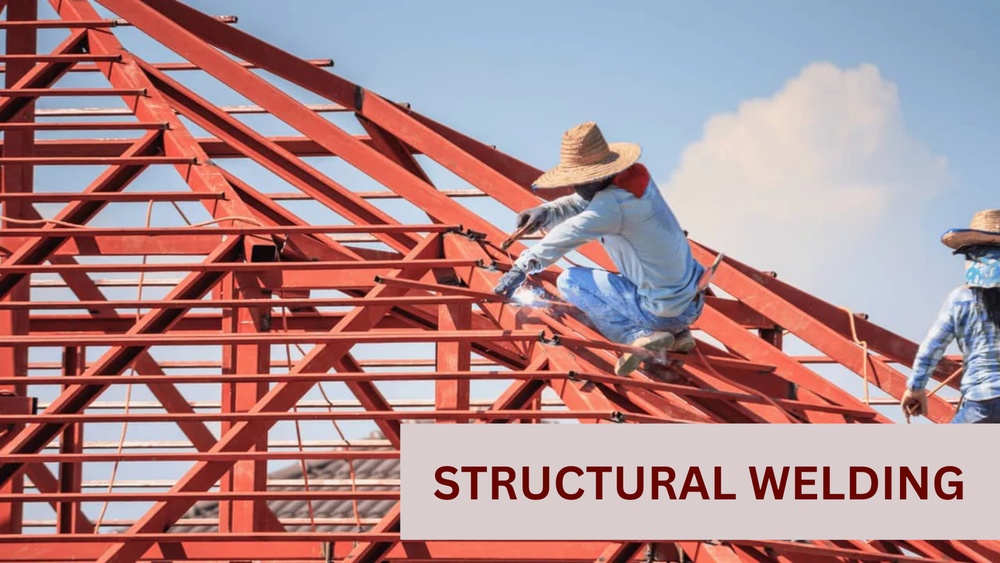
- Structural fabrication: Frames for buildings or bridges.
- Custom fabrication: Unique products, art, or machinery.
- CNC operation: Running computer-controlled machines for precision cuts.
Practical tip: Learning new skills, like CNC or robotic welding, can lead to higher pay and more job options.
How Technology Changes Both Jobs
Modern technology is changing both roles.
- CNC machines: Many fabricators use computer-controlled cutters and benders. This makes work faster and more precise.
- Robotic welding: Robots do some welding in car factories or big jobs. Workers must learn to set up and repair these robots.
- 3D modeling: Fabricators use software to plan and design parts.
- New metals and alloys: Both jobs require learning how to handle new materials.
Non-obvious insight: Some fear robots will replace these jobs, but there is still strong demand for skilled workers to program, fix, and check machines.
Choosing The Right Professional For Your Project
If you want a metal gate, machine part, or repair, choose based on the work:
- Need metal joined? Hire a welder.
- Need something made from scratch? Hire a fabricator.
- Need both? Many shops offer both services, or you can hire a fabricator-welder.
Tip: Ask for work samples and check if they have the right certificates or experience for your job.
For more on welding processes, see the Wikipedia Welding article.
Frequently Asked Questions
What Is The Main Difference Between A Welder And A Fabricator?
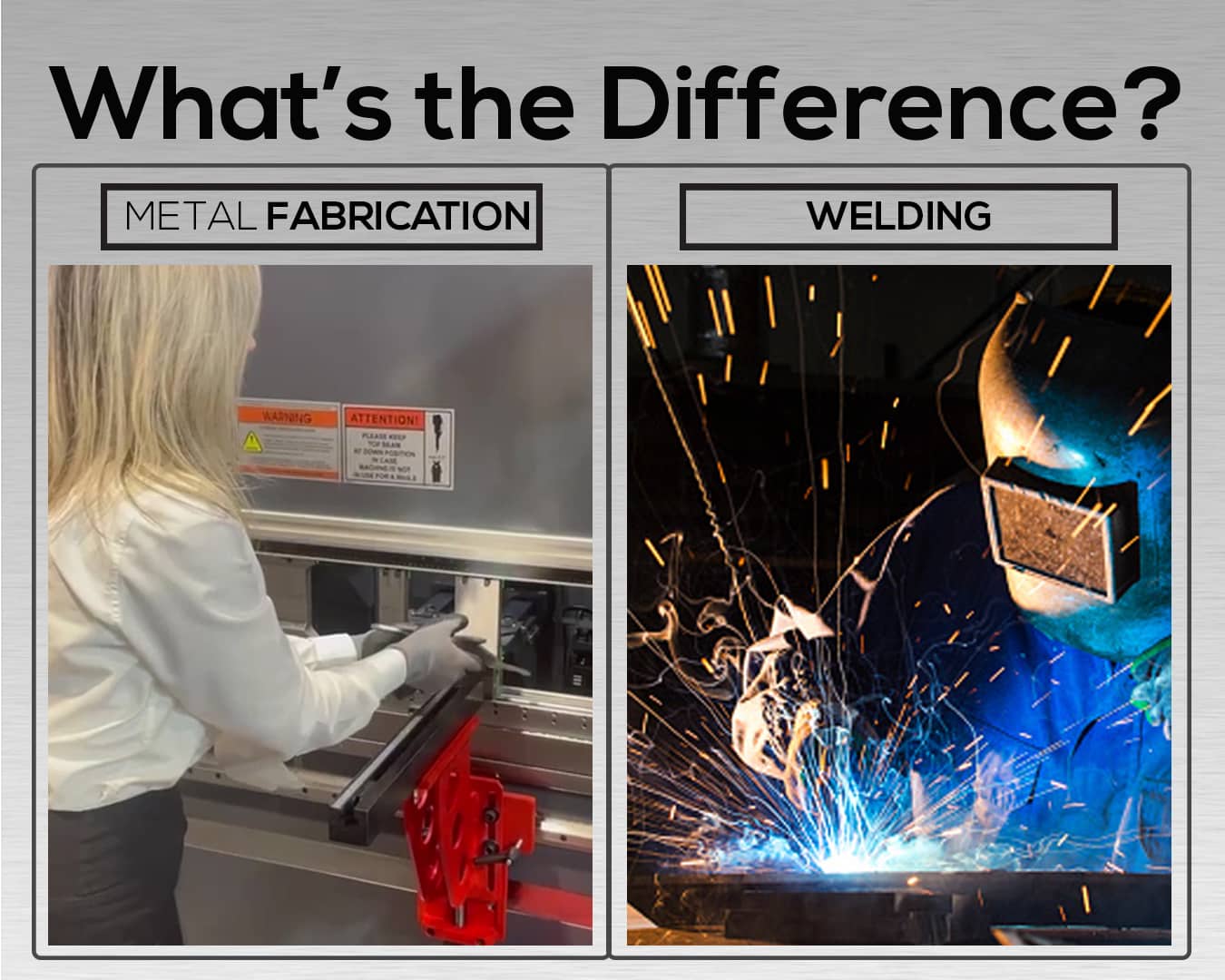
The main difference is that a welder joins metal parts using heat or pressure, while a fabricator shapes, cuts, and assembles metal parts to create products. Fabricators often use welding as one step, but their job is broader.
Can A Fabricator Also Weld?
Yes, many fabricators can weld. In small workshops, fabricators often handle welding, cutting, bending, and assembly. In larger projects, separate welders may do the joining work.
Which Job Pays More: Welder Or Fabricator?
Pay rates are similar, but specialized welders often earn more, especially in oil, gas, or construction. Fabricators with advanced skills or who operate CNC machines can also earn higher wages.
Is Welding Harder Than Fabrication?
Welding and fabrication each have challenges. Welding needs steady hands and focus, while fabrication needs math, planning, and using many tools. Many find welding physically harder, but fabrication can be more complex.
Do I Need Certification To Become A Welder Or Fabricator?
Welders often need certifications, such as from the American Welding Society. Fabricators do not always need certificates, but training or apprenticeships help get better jobs. Some fabricators also get welding certificates.
Credit: www.rmtus.com
Final Thoughts
Welders and fabricators both shape the metal world around us, but they have different skills and focus. Welders join metal with heat, making strong bonds that last. Fabricators plan, cut, bend, and build products from start to finish. Both roles require skill, care, and training.
Knowing these differences helps you choose the right career or hire the best worker for your project. The demand for skilled welders and fabricators stays strong, and learning these trades opens doors to stable and rewarding work.