Disclosure: This post contains affiliate links and I will be compensated if you make a purchase after clicking through my links. Learn More
3G and 4G welding are two common terms in the welding industry. Many people, especially beginners, often confuse these labels. These codes are not about technology generations, like in mobile phones. Instead, they are part of a system that explains how a welder should position the workpiece and apply the weld.
Understanding the difference between 3G and 4G welding is important for anyone who wants to work in construction, shipbuilding, or manufacturing. It also helps you pass welding certification tests, which often require skill in both positions.
Welding is not only about melting metal and joining pieces together. The position you hold the workpiece and the way you move the welding torch matter a lot. They affect the weld’s strength, look, and safety. Some positions are more difficult than others, so knowing the difference between 3G and 4G can help you plan your work better, avoid mistakes, and improve your skills.
This article explains the full difference between 3G and 4G welding. It covers their definitions, applications, advantages, challenges, testing methods, and tips for success. You will also find practical examples, tables for easy comparison, and real-world advice from experienced welders.
By the end, you will have a clear understanding of what separates 3G and 4G welding and why it matters for your work.
What Does Welding Position Mean?
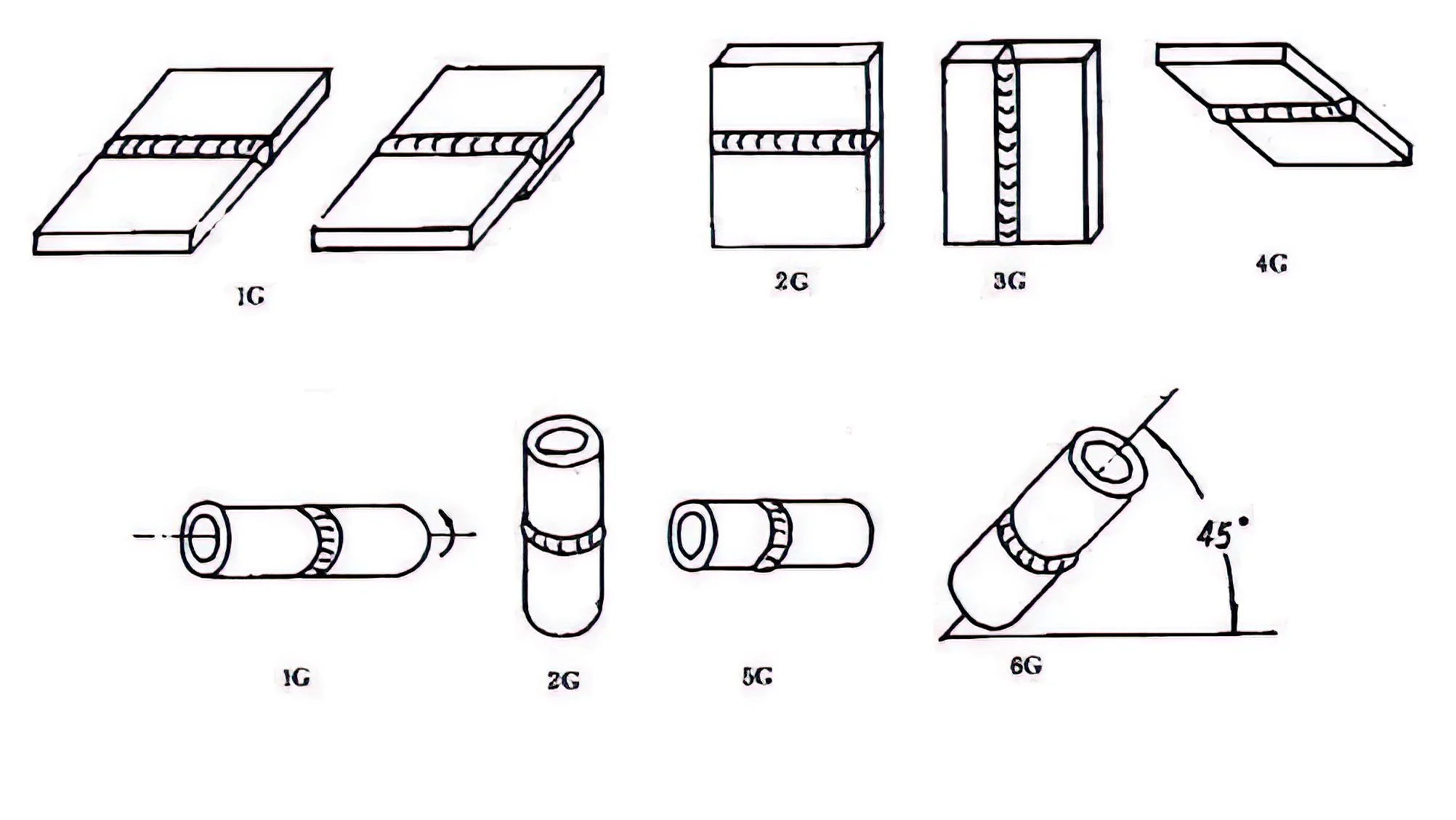
Welding position describes the angle and orientation of the workpiece when you weld two pieces together. The American Welding Society (AWS) sets standard codes to help everyone use the same language. These codes use numbers and letters to identify different positions and types of joints.
- The number (1, 2, 3, 4) shows the orientation: Flat, horizontal, vertical, or overhead.
- The letter (G for groove, F for fillet) tells you the joint type.
So, 3G means a vertical groove weld, and 4G means an overhead groove weld. Each position needs a different technique and skill level.
What Is 3g Welding?
3G welding means you weld a vertical joint in a groove weld. The workpiece stands up, and you weld up or down the seam. This position is important for many structures, like building frames, bridges, and pipelines.
How 3g Welding Works
In 3G welding, you hold two plates upright, edge to edge. You weld the seam vertically, usually from bottom to top (uphill) or from top to bottom (downhill). The joint is a groove, not a fillet, so you aim for strong penetration between the plates.
Why 3g Welding Is Important
3G is a standard test position for welders. If you can pass a 3G test, you show that you can control the weld pool against gravity. This skill is important for real jobs where you cannot always lay the work flat.
Where You See 3g Welding
- Building construction: Welding columns, frames, and beams.
- Pipeline work: Making vertical joints on standing pipes.
- Shipbuilding: Joining ship plates vertically.
3g Welding Techniques
Most welders use Shielded Metal Arc Welding (SMAW), Gas Metal Arc Welding (GMAW), or Flux-Cored Arc Welding (FCAW) for 3G. You need to adjust your travel speed and heat input to fight gravity. Too much heat can make the weld drip; too little can cause weak joints.
What Is 4g Welding?
4G welding means you weld a groove joint in the overhead position. The plates are above your head, and you weld under them. This is one of the hardest positions because gravity works against you.
How 4g Welding Works
You place two plates above you, face to face, with a gap between them. You weld along the groove, moving the torch or electrode overhead. The molten metal wants to fall, so you must control the weld pool carefully.
Why 4g Welding Is Important
4G shows advanced skill. Many jobs require overhead welding, especially when you cannot move large structures. Passing a 4G test proves you can handle difficult positions and keep the weld strong and safe.
Where You See 4g Welding
- Repair work: Fixing overhead beams or plates.
- Ship decks: Welding overhead joints on ship decks or ceilings.
- Pipelines: Overhead joints in complex pipeline networks.
4g Welding Techniques
Welders often use SMAW, FCAW, or GMAW for 4G. The key is to use short, controlled weld beads and adjust the angle to keep the weld pool in place. Overhead welding needs more patience and practice.
Key Differences Between 3g And 4g Welding
Understanding the difference helps you choose the right method and prepare for certification tests. Here is a clear comparison:
| Feature | 3G Welding | 4G Welding |
|---|---|---|
| Position | Vertical (up or down) | Overhead (above head) |
| Plate Orientation | Standing upright | Facing downwards above welder |
| Main Challenge | Controlling molten metal flow vertically | Preventing weld pool from falling |
| Common Applications | Frames, columns, vertical joints | Ceilings, overhead repairs, decks |
| Testing Difficulty | Medium to hard | Hardest |
Gravity Effect
Gravity pulls the molten metal down in both positions, but in different ways. In 3G, you fight side flow as you weld up or down. In 4G, gravity tries to drop the pool on you. You must adjust torch angle, travel speed, and heat for each.
Visibility And Comfort
3G lets you see the joint directly. In 4G, your view is blocked by the plate, and sparks can fall on you. You need extra protection in overhead welding.
Skill Level
Most welders find 4G harder. You need more practice to keep the weld neat and strong overhead.
Detailed Look: 3g Welding
3G welding is a key skill for any welder. It is often a step before overhead welding and is part of most certification tests.
Test Plate Preparation
To practice 3G, prepare two plates, usually 150 mm x 300 mm, with a V-groove in the middle. Clean the edges well. Set a root gap (2-3 mm) and use backing strips if needed.
Welding Process
- Uphill (vertical up): Start at the bottom, move up slowly. This makes a strong weld with deep penetration.
- Downhill (vertical down): Start at the top, move down. This is faster but can be weaker if not controlled.
Electrode Selection
Common choices are E6010 or E7018 rods for SMAW. Use a rod diameter that matches plate thickness.
Weld Passes
- Root pass: The first weld, joins the root of the groove.
- Filler passes: Build up the joint.
- Cap pass: The last pass, smooths and seals the weld.
Common Problems In 3g
- Slag inclusions: Trap of flux in the weld, weakens the joint.
- Undercut: Groove at weld edge, reduces strength.
- Porosity: Air bubbles, caused by poor shielding.
Practical Example
In building construction, workers often weld vertical beams using 3G. They weld up from the base plate to the top, checking for penetration and avoiding undercut.
Detailed Look: 4g Welding
4G welding tests a welder’s highest skill. Many jobs need overhead welding, especially repairs.
Test Plate Preparation
Set two plates above head height, with a groove facing down. Clean all surfaces. Use clamps to hold the plates steady.
Welding Process
- Torch/Electrode Angle: Hold at 90 degrees or slightly forward to push the pool.
- Travel Speed: Move slowly to avoid drips.
- Short Arc: Use a short arc to keep control.
Electrode Selection
E7018 is common for overhead stick welding, as it makes a smooth, strong bead.
Weld Passes
Same as 3G: root, filler, and cap. Take breaks if needed to avoid fatigue.
Common Problems In 4g
- Drop-through: Molten metal falls through the gap.
- Excessive spatter: More sparks, messy weld.
- Burn-through: Too much heat, melts through base metal.
Practical Example
On a ship, repair crews often weld overhead deck plates. The work is tiring and requires steady hands. Welders use small beads and check each pass for defects.

Credit: www.megmeet-welding.com
Certification Tests: 3g Vs. 4g
Welding certifications prove your skill and open more job options. The AWS and other groups use 3G and 4G tests.
3g Welding Test
- Two plates, vertical position.
- Weld a full penetration groove.
- Inspect for cracks, undercut, and porosity.
- May include bend tests to check strength.
Passing a 3G test lets you weld in flat, horizontal, and vertical positions.
4g Welding Test
- Two plates, overhead position.
- Weld a groove joint above head.
- Tested for strength and defects.
A 4G pass shows you can weld overhead, but not always vertical. Each test has its own stamp.
Test Comparison
| Test | Positions Qualified | Difficulty | Typical Use |
|---|---|---|---|
| 3G | Flat, Horizontal, Vertical | Medium to Hard | Frames, columns, pipes |
| 4G | Overhead only | Hardest | Repairs, ceilings, decks |
Real-world Insight
Some welders think that passing 3G means you can weld anything. This is not true. Overhead welding is different and needs separate practice and testing.
Tools And Equipment For 3g And 4g Welding
You need the right tools for each position. Small differences in gear can make a big impact.
Welding Machines
- SMAW (Stick): Most common for both positions.
- GMAW (MIG): Good for clean environments.
- FCAW (Flux-cored): Better for outdoors, windy areas.
Choose a machine with stable current control.
Electrodes And Wires
- E6010: Good for root passes and deep penetration.
- E7018: Best for cap passes and overhead work.
Check that the electrode matches the position and metal type.
Protective Gear
- Helmet: Auto-darkening is best for overhead.
- Gloves: Use heavy-duty, heat-resistant gloves.
- Jacket: Flame-resistant, protects from spatter.
- Boots: Steel-toe, with metatarsal protection.
Extra Tips
- Use a welding curtain to shield others from UV rays.
- Keep a fire extinguisher nearby, especially for overhead work.
Safety In 3g And 4g Welding
Welding is risky, and 3G and 4G have special safety challenges.
3g Safety Tips
- Watch for falling slag when welding up.
- Use a face shield and safety glasses under the helmet.
- Ventilate the area to avoid fumes.
4g Safety Tips
- Wear a full-face helmet and neck protection.
- Expect sparks and hot metal to fall down.
- Use earplugs to keep out hot slag.
- Never weld overhead without a fire watch.
Hidden Dangers
In 4G, molten metal can burn through clothing fast. Many beginners forget to check for holes in their gear, leading to burns.
In 3G, fatigue can cause poor posture. Take breaks to avoid back pain.
Common Mistakes Beginners Make
Many new welders repeat the same errors in 3G and 4G welding. Here are some you should avoid:
- Wrong Electrode Angle: Holding the electrode too flat or too steep can cause slag traps and poor fusion.
- Fast Travel Speed: Moving too fast makes weak, narrow welds.
- Poor Joint Prep: Not cleaning the metal or setting the right gap leads to weak welds.
- Overheating: Too much heat in 4G causes burn-through.
- Neglecting Safety Gear: Sparks in 4G can cause burns if you skip proper jackets and gloves.
- Ignoring Rest: Long welding sessions in overhead can lead to shaky hands and mistakes.
Advanced Tips For Mastery
Beyond basics, these tips can make a big difference in your 3G and 4G results.
For 3g Welding
- Stitch technique: Use small, quick beads (weave or zigzag) to control heat.
- Pause at corners: Let the metal cool slightly at each end to avoid undercut.
- Consistent arc length: Keep the arc short for better control.
For 4g Welding
- Short beads: Make short passes and chip slag between beads.
- Work in sections: Take breaks to avoid fatigue and maintain weld quality.
- Use the right rod: Low-hydrogen rods (E7018) reduce spatter and improve strength.
Non-obvious Insights
- Sound matters: Listen to the arc; a steady buzz means good settings, while a popping sound means adjustment is needed.
- Test coupons: Always practice on test plates before starting real work. This saves time and reduces mistakes.
Applications In Industry
3G and 4G welding are not just for practice—they are used in many industries.
Construction
Both positions are common in building steel structures. Workers weld beams in vertical and overhead joints every day.
Shipbuilding
Ships have many tight spaces where plates must be welded overhead (4G) or upright (3G). Quality here is critical for safety.
Oil And Gas
Pipelines often require vertical (3G) and overhead (4G) welds. Repair crews must be skilled in both.
Manufacturing
Heavy equipment and machinery frames use both positions for strong, lasting joints.
Certification
Most employers require proof of skill in 3G and 4G. Passing these tests can increase your pay and job options.
Table: Quick Reference For 3g Vs. 4g Welding
Here’s a summary for fast decision-making:
| Aspect | 3G (Vertical Groove) | 4G (Overhead Groove) |
|---|---|---|
| Workpiece Position | Vertical/upright | Horizontal/overhead |
| Welder’s Body Position | Facing the joint | Under the joint |
| Recommended Electrode | E6010, E7018 | E7018 |
| Gravity Effect | Pulls metal down sides | Pulls metal down onto welder |
| Difficulty Level | Medium to high | High |
Why Understanding These Differences Matters
If you want to be a top welder, you must know these positions well. Many projects have strict rules for weld quality and testing. If you do not understand the difference, you might fail a certification or make a weak joint.
Good welders plan their work, check their tools, and practice the right position.
Employers look for welders who can switch between positions without errors. Knowing the details can help you pass tests, get better jobs, and avoid costly mistakes.

Credit: www.youtube.com
Training And Practice: How To Improve
To master 3G and 4G, practice is key.
- Start with 3G: Practice uphill and downhill, control your speed and heat.
- Move to 4G: Begin with small plates, focus on short beads, and build up confidence.
- Use practice coupons: Test plates are cheap and let you experiment.
- Watch expert videos: Learn from professionals on platforms like WeldingPros.
- Join a class: Schools and unions offer workshops for all levels.
Maintenance And Inspection After Welding
Always check your work after welding, especially in 3G and 4G.
- Visual inspection: Look for cracks, undercut, and spatter.
- Bend test: Some tests bend the welded plate to check strength.
- Ultrasonic or X-ray: For critical jobs, test the weld with machines.
Regular inspection saves time and money in the long run.
Credit: ecoreprap.com
Frequently Asked Questions
What Does The “g” Stand For In 3g And 4g Welding?
The “G” stands for groove weld, which means the weld is made in a groove between two plates. This is different from “F” (fillet) welds, which join at a corner or edge.
Can I Weld All Positions If I Pass A 3g Or 4g Test?
No, passing 3G means you can weld flat, horizontal, and vertical. Passing 4G only qualifies you for overhead welding. To weld all positions, you need to pass both tests.
Why Is 4g Welding Harder Than 3g?
4G welding is harder because you weld above your head. Gravity pulls the molten metal down, which can cause drips and defects. It also exposes you to more sparks and heat.
What Is The Best Electrode For 4g Welding?
E7018 is the best electrode for 4G stick welding. It gives a smooth bead, low spatter, and strong results, even overhead.
Do I Need Special Safety Gear For 4g Welding?
Yes, for 4G welding, wear a full-face helmet, neck cover, and heavy gloves. Sparks and molten metal often fall down, so extra protection is necessary.
—
Understanding the difference between 3G and 4G welding can boost your skills, safety, and job prospects. Each position needs its own technique, tools, and mindset. Master both, and you will be ready for many welding challenges in industry and construction.