Disclosure: This post contains affiliate links and I will be compensated if you make a purchase after clicking through my links. Learn More
Spray transfer welding is a process that many professionals use to join metals. It offers a smooth, strong weld with low spatter. This technique works best with certain materials and settings. People choose spray transfer welding for specific reasons, especially when quality and appearance matter.
This article explains what spray transfer welding is used for, its main advantages, where it fits best, and why experts rely on it in many industries.
What Is Spray Transfer Welding?
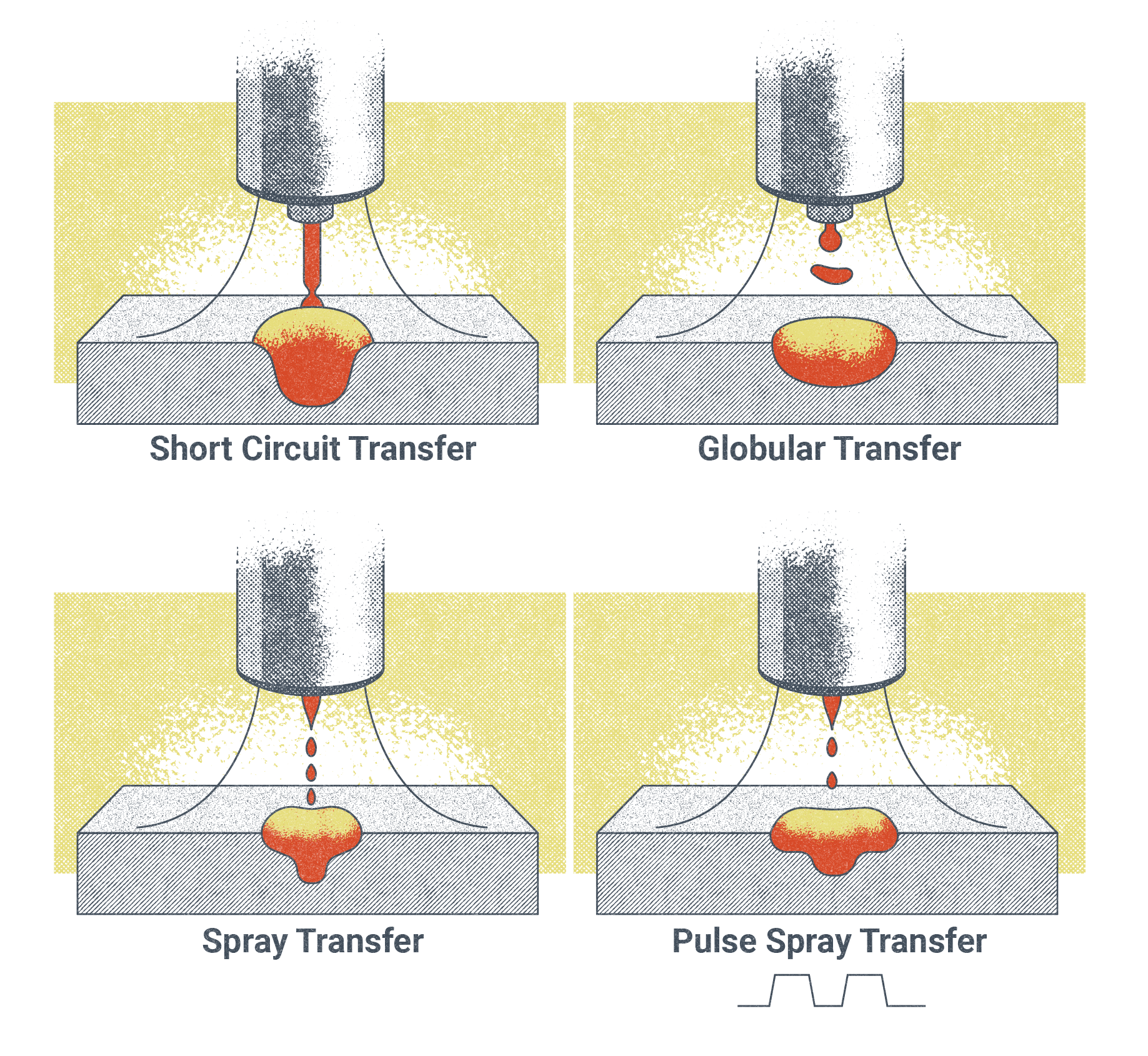
Spray transfer welding is a type of Gas Metal Arc Welding (GMAW). In this process, the welding wire melts and travels across the arc in tiny droplets. These droplets move quickly and directly into the weld pool. This method produces a smooth, even weld. It also creates less spatter compared to other welding processes.
Spray transfer welding uses a high current and a specific gas mix, usually with a high amount of argon. The process only works well on flat or horizontal surfaces because the weld pool is fluid and can drip or run on vertical or overhead positions.
How Spray Transfer Welding Works
In spray transfer welding, the machine feeds the wire into the arc. The high heat melts the wire, forming small droplets. An electric arc carries these droplets across to the base metal. Because the droplets are tiny and move fast, the weld is very smooth.
The process needs:
- High voltage and amperage
- A shielding gas with at least 80% argon
- A clean work surface
If these conditions are not correct, the process may not work properly. For example, if the voltage is too low, the transfer may become globular, causing more spatter and a less attractive weld.
Credit: openwa.pressbooks.pub
Main Uses Of Spray Transfer Welding
Spray transfer welding is not the best choice for every job. It shines when the goal is a clean, strong weld on flat or horizontal surfaces. Here are the most common uses:
1. Manufacturing Thick Steel Components
Many manufacturers use spray transfer welding for thick steel parts. The process creates deep penetration, which means the weld joins the metals strongly. This is important for heavy equipment, machine frames, and structural supports.
For example, spray transfer welding is common in making:
- Construction machinery frames
- Railway car parts
- Ship hull sections
These products need solid, reliable welds that can handle stress.
2. Welding Stainless Steel And Aluminum
Spray transfer welding is effective for stainless steel and aluminum. The process keeps the weld area clean and reduces the risk of contamination. It also prevents oxidation, which is important for these metals.
Industries use this process for:
- Food processing equipment
- Pharmaceutical equipment
- Chemical tanks
These products must be free from cracks and weak spots. Spray transfer welding helps achieve this.
3. Large Production Runs
Spray transfer welding is a favorite in factories that produce large numbers of the same part. The process is fast and repeatable. It can run all day with little interruption.
Examples include:
- Automotive parts
- Appliance frames
- Agricultural machinery
Speed and consistency lower production costs.
4. Pipe And Pressure Vessel Fabrication
Making pipes and pressure vessels requires strong, leak-free welds. Spray transfer welding is ideal for the long, straight welds needed here. The smooth bead ensures fluids or gases do not escape.
This process is often used for:
- Oil and gas pipelines
- Water treatment tanks
- Boilers
A single bad weld can cause leaks or even explosions. Spray transfer welding helps prevent these problems.
5. Sheet Metal Fabrication
While spray transfer welding is better for thicker metal, it can also be used for sheet metal if the right settings are used. The fast-moving droplets melt the thin sheets without burning through.
Common products include:
- Electrical cabinets
- Machine covers
- HVAC units
The welds are clean, so less grinding or finishing is needed.
6. Structural Steel Fabrication
Construction projects often need strong, visible welds. Spray transfer welding produces neat, reliable welds on beams and columns. Builders trust this process for:
- Bridges
- Building frames
- Cranes
A strong weld means the structure can support heavy loads safely.
7. Repair And Maintenance
Many repair shops use spray transfer welding to fix large equipment. The process is fast, and the welds are strong enough for heavy-duty use.
Typical repairs include:
- Bulldozer blades
- Excavator arms
- Truck chassis
Quick, strong repairs keep machines working and reduce downtime.
8. High-quality Surface Finishes
Spray transfer welding creates a smooth bead with low spatter. This is important when the weld will be visible or painted. Industries that need a good appearance use this method for:
- Exposed railings
- Decorative panels
- Automotive body parts
Less finishing work saves time and money.
9. Automation And Robotics
Modern factories often use robotic welding. Spray transfer welding fits well with automated systems because it is consistent and easy to control. Robots can make the same weld over and over with high quality.
This is common in:
- Car factories
- Appliance production lines
- Furniture manufacturing
Automation needs a process that does not change much from part to part.
Benefits Of Spray Transfer Welding
Spray transfer welding offers clear advantages over other welding types. Understanding these helps explain why so many professionals use it.
High Deposition Rate
This process adds more metal per minute than other GMAW methods, like short-circuit or globular transfer. A higher deposition rate means welders can finish jobs faster.
Clean, Smooth Welds
Because the droplets are small and move quickly, spray transfer welding produces a neat weld with little spatter. This saves time on cleaning and reduces waste.
Deep Penetration
The arc melts deep into the base metal. This creates a strong bond, which is vital for structural parts.
Less Distortion
The process creates a stable arc and even heat, which means less warping of the welded parts. This is important for pieces that need to stay straight and true.
Good For Automation
Spray transfer welding works well with robots and automated systems. The process is steady, and the results are repeatable.
Spray Transfer Welding Vs. Other Welding Processes
Understanding how spray transfer welding compares to other methods helps in choosing the right technique.
| Welding Type | Main Feature | Best Use | Spatter Level |
|---|---|---|---|
| Spray Transfer | Smooth, fast droplets | Flat/horizontal on thick metal | Low |
| Short-Circuit | Wire touches base metal | Thin metal, all positions | Medium |
| Globular Transfer | Large, slow droplets | Thick metal, limited use | High |
| Pulsed Spray | Controlled spray bursts | All positions, thin/thick | Low |
Spray transfer welding stands out for its speed and low spatter. But it is not suitable for overhead or vertical welding.
Limitations Of Spray Transfer Welding
While spray transfer welding has many uses, it also has limits. Knowing these prevents mistakes and helps choose the best process.
Not Good For Thin Metals
The high heat can burn through thin sheets. It works better on metal thicker than 3 mm.
Limited Welding Positions
This process is best for flat or horizontal welds. The fluid weld pool can drip or sag in vertical or overhead positions.
Needs Special Gas
Spray transfer welding requires a gas mix with at least 80% argon. Pure CO₂ does not work. This can add to costs.
High Equipment Demands
The process needs a powerful welding machine. Smaller or older machines may not reach the needed voltage and amperage.
More Fumes
High current means more fumes than other types. Good ventilation is important.
Key Equipment For Spray Transfer Welding
Using spray transfer welding calls for the right tools and materials. Here is what matters most.
Welding Machine
A constant voltage power source is needed. It must provide high current and voltage. Machines with fine control work best.
Shielding Gas
The gas must have a high argon content, usually:
- Argon with 5–25% CO₂
- Sometimes small amounts of O₂ for better arc stability
Low-cost CO₂-only mixes will not work.
Wire Electrode
The wire should match the base metal. Common types include:
- ER70S-6 for steel
- ER308L for stainless steel
- ER4043 or ER5356 for aluminum
Wire diameter usually ranges from 0. 9 mm to 1. 6 mm.
Welding Torch
A high-capacity MIG gun is needed to handle the heat and higher wire feed rates.
Personal Protection
Welders should use:
- Welding helmet
- Gloves
- Protective clothing
- Good ventilation
Spray transfer welding creates bright arcs and more fumes.
How To Set Up Spray Transfer Welding
Getting the setup right makes the process smoother and safer. Here are the main steps:
- Choose the correct wire and shielding gas. Check the metal type.
- Set the voltage and amperage. Use the machine’s guide or a welding chart. Spray transfer usually needs at least 24 volts.
- Adjust the wire feed speed. Too slow or too fast can cause problems.
- Clean the base metal. Remove rust, oil, or paint for best results.
- Test on scrap metal. Check the arc and the bead before starting the real weld.
Welders often fine-tune these settings for their own style or specific job.
Safety In Spray Transfer Welding
Safety always matters in welding. Spray transfer welding uses high heat and produces more fumes, so special care is needed.
- Wear proper gear. Use gloves, a helmet, and fire-resistant clothing.
- Ventilate the area. High current means more fumes.
- Watch for sparks. Keep flammable materials away.
- Check cables and equipment. Higher currents can cause overheating.
Many shops use local exhaust ventilation to remove fumes from the welder’s breathing zone.
Common Mistakes In Spray Transfer Welding
Even experienced welders can make errors with spray transfer welding. Here are some mistakes and how to avoid them.
Using The Wrong Gas
CO₂-only gas will not work. Always use a high-argon mix.
Incorrect Settings
Too little voltage or too slow wire feed can stop spray transfer. Always check machine settings.
Poor Metal Preparation
Dirty, rusty, or oily metal causes poor welds. Clean the surface first.
Wrong Welding Position
Trying to use spray transfer on vertical or overhead joints leads to sagging and bad welds.
Not Adjusting For Thickness
High heat can burn through thin metal. Use the right settings for the material.
Credit: www.arccaptain.com
Real-world Examples Of Spray Transfer Welding
Many industries rely on spray transfer welding every day. Here are a few real examples.
Shipbuilding
Large ship sections are joined using spray transfer welding. The process allows for long, straight welds with deep penetration. This is vital for the strength of the hull.
Car Manufacturing
Car factories use robots to weld frames and body panels. Spray transfer welding provides the speed and consistency needed for high-volume production.
Bridge Construction
Welders use spray transfer to join large steel beams. The method ensures strong, smooth welds that can handle heavy traffic loads.
Food Equipment Production
Stainless steel tanks and work surfaces are welded using this process. The smooth finish is easy to clean and resists bacteria growth.
How Spray Transfer Welding Impacts Productivity
Spray transfer welding can increase productivity in several ways:
- Faster welding speeds mean more parts can be made in less time.
- Less post-weld cleanup saves labor costs.
- Consistent quality reduces the need for rework.
A study found that spray transfer welding can cut welding time by up to 30% compared to short-circuit transfer in large part production. Over a year, this can save thousands of work hours.
Spray Transfer Welding Settings Cheat Sheet
Welders often use quick reference charts to set their machines. Here is a basic guide for steel using argon/CO₂ mix:
| Wire Size | Voltage | Amperage | Wire Feed Speed (ipm) | Gas Flow (cfh) |
|---|---|---|---|---|
| 0.9 mm | 24–26 V | 180–220 A | 320–420 | 30–40 |
| 1.2 mm | 26–30 V | 220–300 A | 420–560 | 35–45 |
| 1.6 mm | 28–32 V | 280–400 A | 560–700 | 40–50 |
Settings may change based on the brand of machine, the type of gas, and the exact job.
Two Insights Beginners Usually Miss
First, many beginners do not realize that spray transfer welding cannot be used in all positions. They try it on vertical or overhead joints and get poor results. Always check the position before starting.
Second, the choice of shielding gas is critical. Even a small change in the gas mix can shift the transfer from spray to globular, causing more spatter and a weaker weld. Always use a certified gas mix for spray transfer.

Credit: www.youtube.com
Future Trends In Spray Transfer Welding
Welding technology continues to improve. Here are some trends to watch:
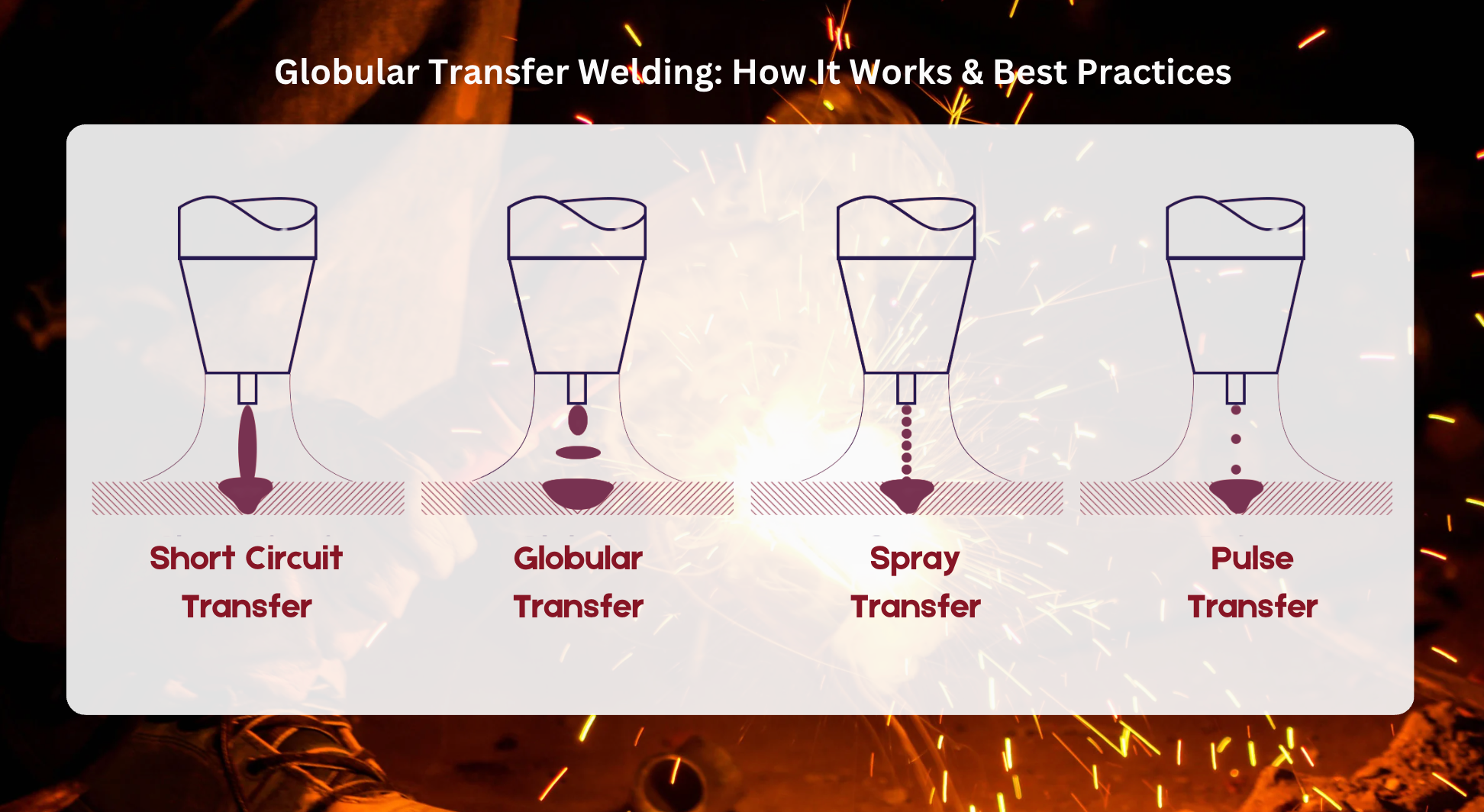
- Pulsed spray transfer now allows welders to use spray techniques on thinner metals and in more positions. This expands the use of spray transfer welding.
- Smarter welding machines can automatically adjust settings for the best spray transfer, making the process easier for new welders.
- Better wire and gas options are being developed for special metals like titanium and duplex stainless steel.
Companies are investing in robotic systems that use spray transfer welding to improve quality and cut costs.
When To Choose Spray Transfer Welding
Spray transfer welding is the right choice when you need:
- Strong, smooth welds on thick metal
- Flat or horizontal joints
- High speed and low spatter
- Consistent results for many parts
It is not the best choice for thin metals, overhead or vertical positions, or where low-cost equipment is all that is available.
Environmental And Health Considerations
Spray transfer welding produces more fumes than short-circuit welding. Welders and employers must ensure good ventilation and use the right protective equipment. Some metals, like stainless steel, can produce dangerous fumes. Always follow safety guidelines and use fume extraction systems where possible.
For more details on welding safety and fume hazards, see this Welding Fume guide.
Frequently Asked Questions
What Is Spray Transfer Welding Best Used For?
Spray transfer welding is best for making strong, clean welds on thick metal parts in flat or horizontal positions. It is common in factories, shipyards, and construction.
Can You Use Spray Transfer Welding On Thin Metal?
Spray transfer welding is not good for thin metal. The high heat can burn through sheets less than 3 mm thick. For thin metals, short-circuit or pulsed spray transfer is better.
What Gas Do You Need For Spray Transfer Welding?
You need a shielding gas with at least 80% argon. A common mix is 90% argon and 10% CO₂. Pure CO₂ does not work for spray transfer.
Is Spray Transfer Welding Better Than Short-circuit Welding?
Spray transfer welding is better for thick metal and for speed. Short-circuit welding is better for thin metal and in all positions.
Can You Automate Spray Transfer Welding?
Yes, spray transfer welding works well with robots and automated machines. It is popular in car factories and other high-volume production.
Spray transfer welding remains a key process in many industries. Its speed, quality, and low spatter make it a top choice for factories and large construction projects. Understanding when and how to use it can improve both the weld and the finished product.
Whether you are a beginner or a professional, spray transfer welding can help you achieve strong, reliable results.