Disclosure: This post contains affiliate links and I will be compensated if you make a purchase after clicking through my links. Learn More
MIG welding is everywhere in our daily life, from the cars we drive to the furniture we use. This welding method helps join metals quickly and cleanly. Many people see sparks flying in auto shops and factories but do not know what makes MIG welding so useful or where it truly shines.
Knowing where MIG welding works best can help workers, hobbyists, and business owners choose the right technique for the job.
This article explains what MIG welding is used for, its main benefits, and why it is so popular in many industries. You will find clear examples, practical uses, and reasons why people trust this method. You will also see how MIG welding compares with other methods and get answers to common questions.
What Is Mig Welding?
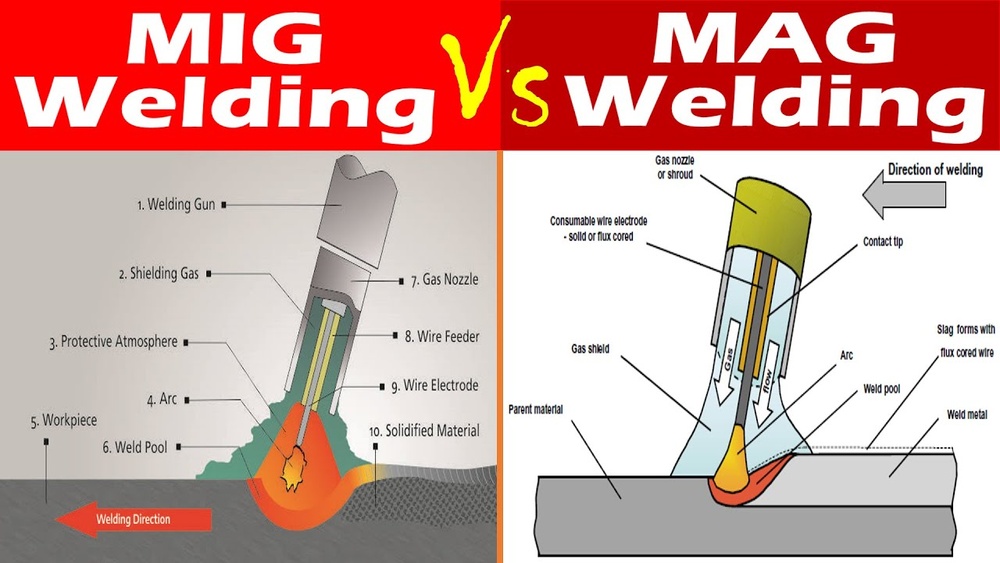
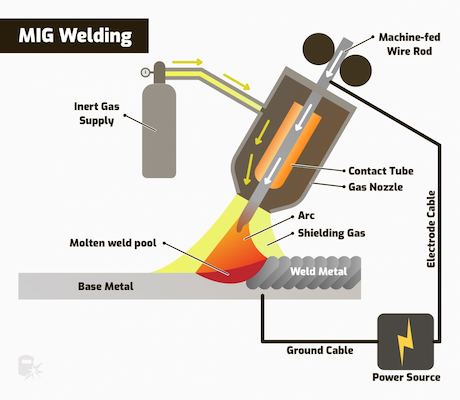
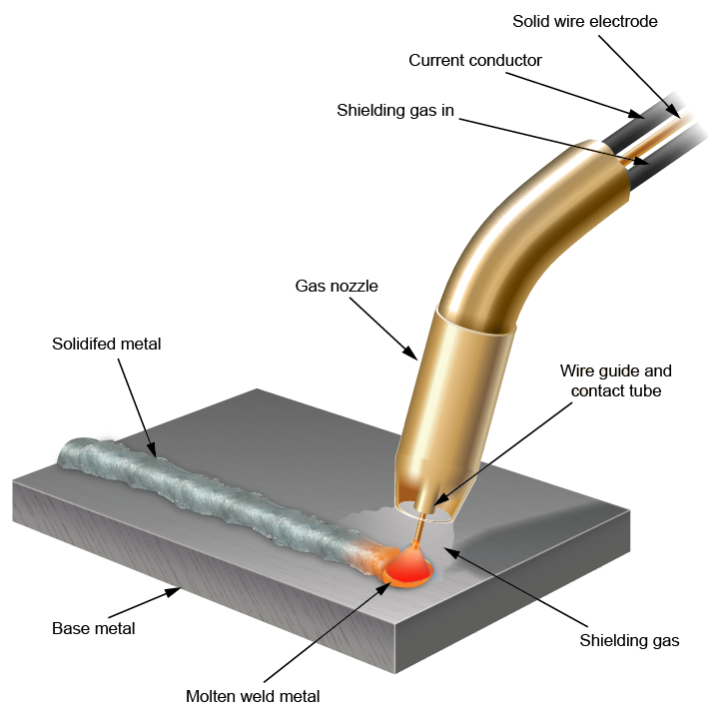
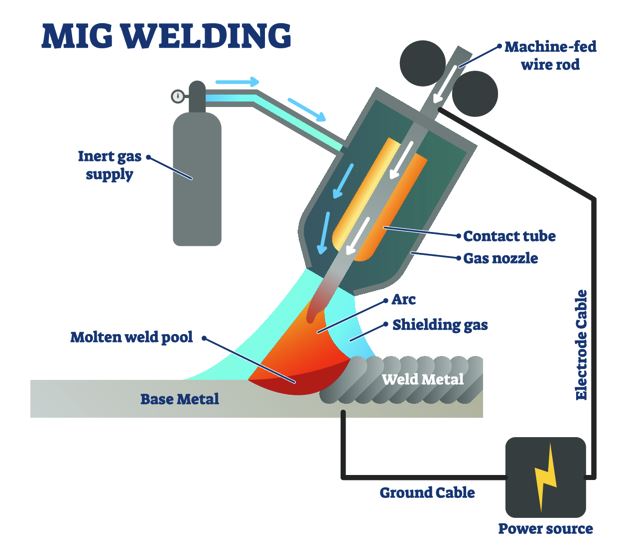
MIG welding stands for Metal Inert Gas welding. People also call it Gas Metal Arc Welding (GMAW). In this process, a machine feeds a thin wire (the electrode) through a special gun. This wire melts and joins metal pieces together. A gas (often argon or a mix) flows out at the same time to protect the hot metal from the air.
This method is popular because it is fast, simple to learn, and works on many metals. Workers can use it in factories, repair shops, or even at home. MIG welding creates strong, clean joins with less need for extra work after welding.
Main Industries That Use Mig Welding
MIG welding plays a big part in many fields. Here are the most common areas where people use this process:
Automotive Industry
Car makers and repair shops use MIG welding every day. They join thin sheets of steel, fix frames, and build new parts. MIG welding is fast and works well on car body panels. It leaves smooth joins that need little grinding or cleaning.
For repairs, MIG welding helps fix rust holes, patch fenders, or build custom exhaust systems. Workers often choose MIG welding for its speed and control. This makes it easier to avoid burns or holes in thin metal sheets.
Construction And Infrastructure
Many buildings, bridges, and towers use steel frames. MIG welding joins these big pieces of metal. Workers use it both in the shop and on the building site. The process works well for making beams, columns, railings, and staircases.
MIG welding is safe for outdoor use if the weather is calm. It helps build strong, long-lasting structures. The clean welds also look good, so people use it for visible parts like handrails.
Shipbuilding And Marine Work
Ships, boats, and oil platforms need strong, watertight joins. MIG welding is common for building hulls, decks, and storage tanks. It works well on both steel and aluminum, which are often used in shipbuilding.
MIG welding’s speed reduces building time. The smooth welds also lower the need for sanding or extra work later. Some shipyards use robots with MIG welding guns for even faster building.
Manufacturing And Fabrication
Factories use MIG welding to make everything from machines to kitchen tools. Workers build frames, cases, carts, and racks. MIG welding is good for both thick and thin metals.
Many factories use automated MIG welding. Robots can weld many parts quickly and with the same quality every time. This helps companies make more products at lower cost.
Home And Hobby Projects
People use MIG welding for making shelves, garden tools, fences, and art. It is a good choice for beginners because it is easy to learn and works on common metals like steel and aluminum.
Hobbyists like MIG welding for car repairs, small trailers, and custom furniture. Many home shops have a small MIG welder for quick fixes and creative work.
Aerospace Industry
Airplanes and rockets need strong but light parts. MIG welding helps join thin aluminum and special alloys. Workers use it to make fuel tanks, frames, and seats.
MIG welding offers good control and leaves clean welds. This is important for safety and for reducing weight. Some aerospace factories use robots for precise, repeatable welds.
Agriculture And Farming Equipment
Farmers need strong tools and machines. MIG welding helps build and repair tractors, plows, and trailers. The process is fast and works on thick or thin steel. Farmers use it to fix broken parts in the field or the shop.
MIG welding is also used to build gates, fences, and storage racks. The welds are strong and last a long time, even in bad weather.
Pipe And Tube Fabrication
Many factories and buildings need pipes for water, gas, or air. MIG welding joins pipes made of steel, stainless steel, or aluminum. Workers use it for both straight and curved pipes.
MIG welding works well for large projects where speed matters. It also helps make custom shapes and sizes. The process can be used by hand or by machine.
Art And Sculpture
Artists use MIG welding to join metal pieces for sculptures, signs, and garden art. It works on many types of metal and lets artists shape and join pieces easily.
MIG welding’s smooth joins let artists focus on design, not just strength. The process is safe and clean for indoor studios.
Credit: americantorchtip.com
Key Materials Used In Mig Welding
MIG welding works on many metals, but some are more common than others. Here are the main materials people join with this method:
Mild Steel
Mild steel is the most common metal in MIG welding. It is cheap, strong, and easy to weld. Car frames, building beams, and furniture often use mild steel.
Stainless Steel
Stainless steel is used for food tools, medical gear, and pipes. MIG welding works well on stainless steel, making strong, clean joins. The gas shield prevents rust and keeps the weld bright.
Aluminum
Aluminum is light and does not rust. MIG welding needs special wire and gas for aluminum. Workers use it in cars, planes, and boats.
Other Metals
MIG welding also works on copper, nickel alloys, and some special metals. These need special wires and gas, but the method is still fast and clean.
Everyday Items Made With Mig Welding
Many things around us are made with MIG welding. Here are some examples:
- Car bodies and frames – Most cars have parts joined by MIG welding.
- Bicycles – Steel or aluminum bike frames use MIG welds for strength.
- Kitchen sinks – Stainless steel sinks are often welded with this method.
- Fencing and gates – Metal fences, gates, and railings use MIG welding.
- Metal furniture – Desks, chairs, and shelves often use MIG welds.
- Trailers – Utility, boat, and car trailers are built with MIG welding.
- Storage tanks – Oil, water, and fuel tanks use this process for leak-free joins.
- Playground equipment – Swings, slides, and climbing frames use MIG welds.
Why Mig Welding Is So Popular
Many people choose MIG welding for these reasons:
Speed And Efficiency
MIG welding is faster than many other methods. The wire feeds automatically, so workers can weld longer without stopping. This saves time and money in big projects.
Easy To Learn
The process is simple. Even beginners can make good welds after a short lesson. There are fewer steps to remember compared to stick or TIG welding.
Clean Welds
MIG welding makes smooth, neat joins. There is less smoke, splatter, and cleanup. This matters for products that need to look good, like cars and furniture.
Works On Many Metals
MIG welding is flexible. People can weld steel, stainless steel, aluminum, and more. They just change the wire and gas for each metal.
Less Waste
The process uses almost all the wire. There is little leftover, so it is good for saving material and money.
How Mig Welding Compares With Other Welding Methods
Choosing the right welding method depends on the job. Here is a simple comparison between MIG welding and other popular types:
| Method | Main Use | Pros | Cons |
|---|---|---|---|
| MIG Welding | Thin to medium steel, aluminum, stainless | Fast, easy, clean | Needs gas, wind can affect |
| TIG Welding | Thin metals, fine work | Precise, neat welds | Slow, hard to learn |
| Stick Welding | Thick metal, outdoor | Works in wind, cheap | Messy, more cleanup |
Insights Beginners Miss
Many new welders think MIG welding works for all jobs. But MIG is not always best for outdoors. Wind can blow away the gas shield, making weak welds. Also, MIG welding is less suited for very thick or rusty metal.
In these cases, stick welding may work better.
Another point: the quality of the weld depends on the wire, gas, and settings. Using the wrong wire or gas can cause poor joins or make the weld look bad.
Credit: www.cwbgroup.org
Key Techniques And Tips For Mig Welding
To get the best results, workers follow some important steps:
Choose The Right Wire And Gas
- For mild steel, use ER70S-6 wire and a mix of argon and CO₂ gas.
- For aluminum, use ER4043 or ER5356 wire and pure argon gas.
- For stainless steel, use special wire and a mix with more argon.
Set The Right Machine Settings
Correct voltage and wire speed matter. Too much heat can burn through thin metal. Too little heat makes weak welds. Workers test on scrap metal before starting the real job.
Clean The Metal
Dirt, rust, or oil can make weak welds. Workers use a wire brush or grinder to clean the area first.
Keep A Steady Hand
A steady, even movement makes smooth, strong welds. Moving too fast or slow can cause holes or bumps.
Watch For Common Problems
- Porosity (small holes): Caused by wind or dirty metal.
- Burn-through: Happens if the heat is too high.
- Cold welds: Not enough heat, weak join.
Advanced Uses Of Mig Welding
While MIG welding is common for basic jobs, it also works for advanced uses. Here are some specialized areas:
Robotic Welding
Many car factories use robots with MIG welding guns. Robots make the same weld every time, with no breaks or mistakes. This improves safety and speed.
Multi-pass Welding
When joining thick metal, workers make several layers (passes). MIG welding can handle these steps, making very strong joins.
Welding In Hard-to-reach Spots
The small MIG gun can fit into tight spaces. Workers use it to repair pipes, car frames, or machines where other tools cannot reach.
Sheet Metal Work
MIG welding is gentle enough for thin metal sheets. This is important for making car doors, panels, and ducts.
Repair And Maintenance
Factories and farms use MIG welding to fix broken parts quickly. The process helps keep machines running and reduces downtime.
Safety With Mig Welding
Welding is safe if you follow good practices. Here are important points:
Protective Gear
- Helmet with a dark lens protects eyes from bright light.
- Gloves and a jacket protect skin from sparks.
- Boots protect feet from hot metal.
- Respirator is important if working in closed spaces.
Ventilation
MIG welding makes fumes. Good airflow removes these and keeps workers safe.
Fire Safety
Keep flammable items away. Always have a fire extinguisher nearby.
Avoid Electric Shock
Check cables for damage. Never touch the wire or gun tip with bare hands.
Environmental Impact Of Mig Welding
MIG welding uses gas, wire, and power. It creates less waste than some other methods. The wires are thin, and most of the material becomes part of the weld.
The main environmental concern is gas use and fumes. Many shops use fans or filters to clean the air. Some newer machines use less energy, saving power.
Common Mistakes People Make With Mig Welding
- Using the wrong gas for the metal. This can make the weld weak or dirty.
- Not cleaning the metal enough. Dirt or paint can make holes or weak spots.
- Setting the wire speed too high or too low. This causes splatter or uneven welds.
- Welding in windy places without protection. Wind can blow away the shielding gas.
- Not wearing enough safety gear. Sparks and bright light can cause burns or eye injury.
Table: Common Mig Welding Gases And Their Uses
Here is a quick look at popular shielding gases for MIG welding and their main uses:
| Gas Type | Main Use | Effect on Weld |
|---|---|---|
| Argon | Aluminum, stainless steel | Stable arc, smooth welds |
| CO₂ | Mild steel | Deep weld, more splatter |
| Argon/CO₂ mix | General steel work | Clean, easy welds |
| Helium mix | Thick metals | Hotter weld, faster speed |
Credit: fractory.com
Table: Mig Welding Vs. Stick And Tig—cost And Speed
Comparing the main welding types helps workers and buyers choose the right process:
| Method | Skill Level | Weld Speed | Equipment Cost |
|---|---|---|---|
| MIG Welding | Easy | High | Medium |
| TIG Welding | Hard | Low | High |
| Stick Welding | Medium | Medium | Low |
Non-obvious Insights For Better Mig Welding
- Wire Quality Matters: Cheaper wire can cause feeding problems, burnbacks, or poor welds. Spend a little more for better wire if you want clean, strong joins.
- Keep the Gun Clean: Spatter builds up in the tip and nozzle. Clean these often to stop blockages and keep the gas flowing well.
- Check Gas Flow Rate: Too much gas wastes money and stirs up dust. Too little lets air in, causing porosity. 20–25 cubic feet per hour (CFH) is a good starting point for most jobs.
- Practice on Scrap: Every metal and thickness is a bit different. Practice first to avoid mistakes on the real job.
- Replace Liners and Tips: Worn liners and tips cause wire jams. Change them if you see feeding problems.
How Mig Welding Shapes Modern Manufacturing
MIG welding changed how people make things. With its speed and quality, factories can build more cars, planes, and tools every day. The process lets companies use robots and automation, making work safer and more reliable.
Because MIG welding works on so many metals, it supports many industries. It also helps small shops and hobbyists fix or build things at home.
For anyone who wants to learn a useful skill, MIG welding is a smart choice. It is simple, effective, and opens the door to many jobs.
Where To Learn More
Many schools, trade centers, and online sites offer MIG welding courses. Good training includes safety, machine setup, and practice on real metal. To see more technical details, you can visit the Wikipedia page on GMAW.
Frequently Asked Questions
What Is The Main Advantage Of Mig Welding Over Stick Welding?
MIG welding is faster and makes cleaner welds than stick welding. It also produces less smoke and needs less cleanup. MIG is easier to learn for most people.
Can Mig Welding Be Used Outdoors?
Yes, but wind can blow away the shielding gas. This makes the weld weak or full of holes. For outdoor work, use wind shields or stick welding if it is very windy.
What Metals Cannot Be Welded With Mig?
MIG welding works on most metals, but not on cast iron, magnesium, or some special alloys without special wire and gas. Always check the metal type before starting.
How Thick Can Mig Welding Join?
With the right machine and wire, MIG welding can join metal from thin sheets (about 1 mm) up to thick plates (about 19 mm or 3/4 inch) using multiple passes.
Why Does My Mig Weld Have Holes Or Bubbles?
This is called porosity. It is often caused by dirt, oil, or wind blowing away the gas. Make sure the metal is clean, the gas is set right, and you are not welding in a draft.
MIG welding is a powerful tool for building and fixing metal items. By knowing where and how it is used, anyone can make better choices for their projects. Whether in a factory, farm, or home shop, MIG welding continues to help shape our modern world.