Disclosure: This post contains affiliate links and I will be compensated if you make a purchase after clicking through my links. Learn More
A fitter welder is a skilled tradesperson who reads blueprints, prepares materials, fits parts together, and performs welding to assemble or repair metal structures. This role combines precise metal fabrication with advanced welding techniques for construction, manufacturing, and maintenance projects.
What Does A Fitter Welder Do?
A fitter welder works where raw metal transforms into essential structures. They read engineering drawings, cut and shape metals, and then weld them to create frames, pipes, or machinery. Their work supports bridges, ships, factories, and even art installations. The fitter welder role is hands-on, demanding strong technical skills and a sharp eye for detail.
Fitter welders start by examining blueprints and technical diagrams. They measure and mark out materials, ensuring each cut is accurate. Once everything is ready, they use welding equipment to join pieces. They might use techniques like MIG, TIG, or stick welding, depending on the project requirements.
After welding, they inspect joints, test strength, and sometimes finish with grinding or polishing for a clean look.
You’ll find fitter welders in shipyards, construction sites, manufacturing plants, and repair shops. Some specialize in heavy industry, while others focus on custom fabrication or art pieces. Their work is essential for infrastructure, machinery, and many products we use every day.
Key Skills And Qualities Of A Fitter Welder
The best fitter welders have a mix of technical know-how and practical abilities. If you want to succeed in this field, you need to master several skills:
- Blueprint reading: Understanding plans is critical. A single error can ruin a project.
- Mathematics: Measurements, angles, and layouts all require quick math.
- Metalworking: Cutting, bending, and shaping metal must be second nature.
- Welding techniques: Knowing different welding methods and when to use each.
- Attention to detail: Small mistakes can cause safety risks or failures.
- Physical strength: Handling heavy materials and equipment safely.
- Problem-solving: Adapting when things don’t fit or plans change.
- Safety awareness: Working safely around heat, sparks, and heavy equipment.
Strong communication also matters. Fitter welders often work with engineers, supervisors, and other trades. Clear updates keep projects on track and prevent mistakes.

Credit: www.alamy.com
Types Of Welding Used By Fitter Welders
Different projects require different welding methods. Here are the main types you’ll see:
Shielded Metal Arc Welding (smaw)
Also called stick welding, SMAW is common for construction and repairs. It’s portable and works well outdoors, even in wind or rain. The welder uses a coated electrode to create an arc that melts the metal together.
Gas Metal Arc Welding (gmaw/mig)
MIG welding uses a wire fed through a gun and a shielding gas to protect the weld. It’s fast, clean, and good for thinner metals or production work.
Gas Tungsten Arc Welding (gtaw/tig)
TIG welding is precise and used for detailed work or thin materials. It creates clean, strong welds, often in stainless steel or aluminum projects.
Flux-cored Arc Welding (fcaw)
FCAW is similar to MIG but uses a special wire filled with flux. It works well outdoors and on thick materials, making it useful for heavy construction.
Oxy-acetylene Welding
This method uses a torch fueled by oxygen and acetylene gas. It’s less common for structural work today but still valuable for cutting, brazing, and certain repairs.
Fitter Welder Vs. Welder: What’s The Difference?
Many people confuse fitter welders with welders. Both roles work with metal and welding, but their focus and responsibilities differ.
| Fitter Welder | Welder |
|---|---|
| Reads blueprints, prepares, fits, and welds components | Usually welds pre-prepared pieces or follows fitter’s layouts |
| Handles measurement, cutting, and assembly | Mainly joins metals using specific welding techniques |
| Often leads fabrication process | Supports or follows fitter’s directions |
| Requires strong fabrication and welding skills | Specializes in welding skills |
A fitter welder combines the skills of a fabricator and a welder. They take charge of the whole process—from interpreting plans to cutting, fitting, and welding pieces. Welders often focus more on the joining process itself.
Common Industries For Fitter Welders
Fitter welders support industries that keep society moving. Their expertise applies to:
- Construction: Building steel frames, bridges, supports, and infrastructure.
- Shipbuilding: Fabricating and repairing ship hulls, decks, and internal structures.
- Manufacturing: Assembling machinery, vehicles, and heavy equipment.
- Oil and gas: Creating pipelines, tanks, and refinery equipment.
- Railways: Building and maintaining train cars and tracks.
- Aerospace: Precision fitting and welding for aircraft and spacecraft.
- Automotive: Custom parts, repairs, and assembly lines.
- Mining: Fabricating and repairing large mining machines.
- Art and sculpture: Creating metal artwork, gates, and displays.
- Agriculture: Building and maintaining equipment, silos, and storage.
In each field, fitter welders adapt their skills to meet specific safety, strength, and quality standards.
Typical Day In The Life Of A Fitter Welder
A fitter welder’s workday starts early and often runs on a tight schedule. Here’s what you can expect:
- Morning briefings: Review blueprints, safety notes, and daily targets.
- Material prep: Gather tools, check equipment, and prepare metal parts.
- Measuring and layout: Mark out cuts and positions using rulers, squares, and templates.
- Cutting and fitting: Use saws, torches, or plasma cutters to size metal, then fit pieces together with clamps or tack welds.
- Welding: Select the right welding technique and complete joins, checking for clean, strong welds.
- Quality checks: Inspect welds for cracks, gaps, or weak spots. Make repairs if needed.
- Cleanup: Remove slag, grind surfaces, and clear work areas.
- Reporting: Update supervisors and fill out quality or safety logs.
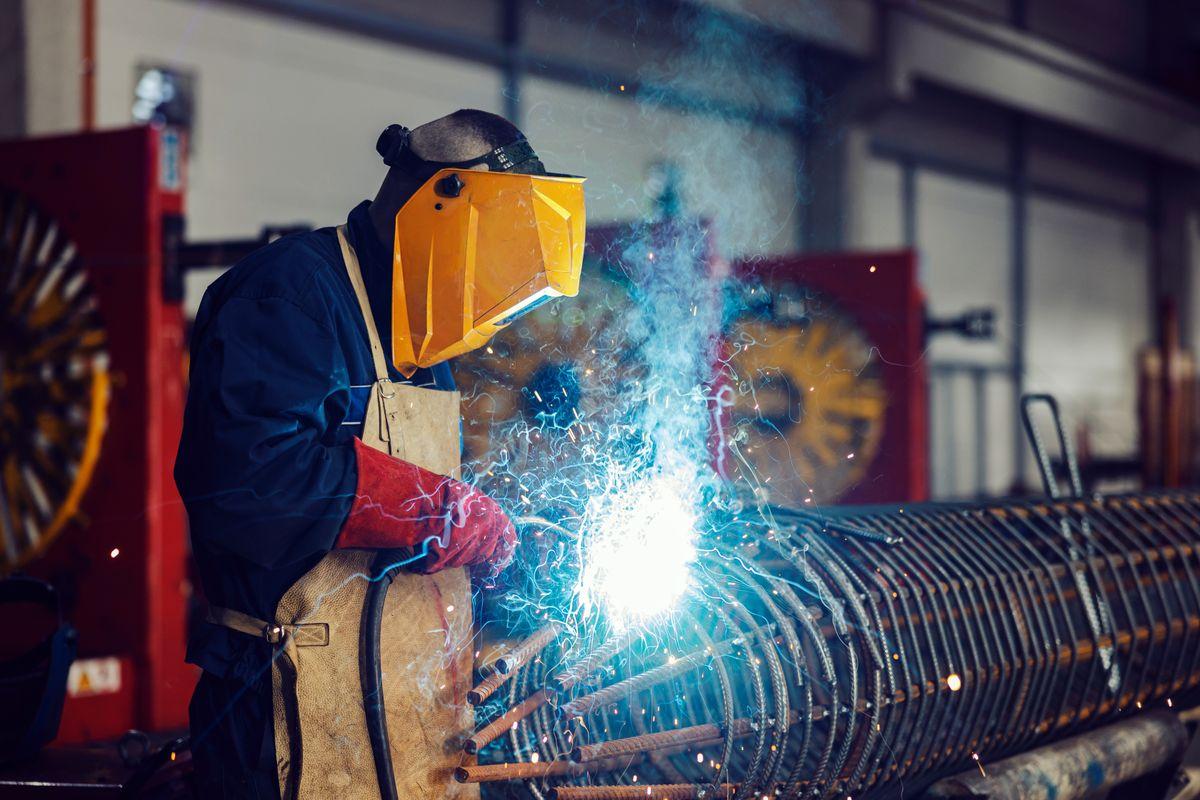
Unexpected problems often appear—wrong parts, tight deadlines, or last-minute design changes. Fitter welders must adapt quickly, always prioritizing safety and accuracy.
Credit: www.zippia.com
Training And Qualifications For Fitter Welders
You can become a fitter welder through several routes:
Apprenticeships
Most fitter welders start as apprentices. This means learning on the job under a mentor, usually for 3–4 years. Apprenticeships mix hands-on practice with classroom lessons in math, blueprint reading, and welding safety.
Technical Schools
Many community colleges or trade schools offer welding and fabrication programs. These courses last a few months to two years and cover key topics like metallurgy, advanced welding, and blueprint reading.
Certifications
Some employers require industry certifications. In the USA, the American Welding Society (AWS) offers recognized exams like Certified Welder (CW) or Certified Welding Fabricator (CWF). These prove you meet industry standards.
On-the-job Experience
Experience is essential. Many fitter welders start as helpers or general laborers and work their way up by mastering each skill step by step.
Continuous Learning
New technologies and materials appear all the time. Top fitter welders stay current with new welding methods, safety standards, and fabrication tools.
Tools And Equipment Used By Fitter Welders
A fitter welder’s toolbox is full of specialized gear. The main categories include:
Measuring And Marking Tools
- Steel rules
- Tape measures
- Squares and protractors
- Marking chalk or scribes
Cutting Tools
- Oxy-acetylene torches
- Plasma cutters
- Angle grinders
- Band saws
Fitting Tools
- Clamps and vices
- Hammers and mallets
- Levels and plumb bobs
Welding Machines
- MIG welders
- TIG welders
- Stick welders
- Multi-process machines
Personal Protective Equipment (ppe)
- Welding helmets
- Gloves
- Aprons
- Steel-toe boots
- Eye and ear protection
Inspection Tools
- Weld gauges
- Magnifiers
- Ultrasonic testers (for advanced inspections)
Welders check and maintain their tools daily, as a faulty tool can lead to mistakes or injuries.
Safety In Fitter Welder Jobs
Safety is non-negotiable. Fitter welders work with extreme heat, electricity, heavy metals, and sometimes at heights. Major safety risks include burns, electric shock, eye injuries, and inhaling fumes.
Workplaces enforce strict safety rules:
- Wear PPE: Helmets, gloves, fire-resistant clothing, and boots.
- Ventilation: Good airflow prevents fume buildup.
- Equipment checks: Inspect machines before each use.
- Clear workspaces: Avoid trips, slips, and fire hazards.
- Safe lifting: Use proper lifting techniques or equipment for heavy pieces.
- Fire safety: Keep extinguishers nearby and know emergency exits.
Experienced fitter welders also use lockout/tagout procedures when working on energized equipment. They never take shortcuts on safety, even under deadline pressure.
Career Path And Salary Expectations
Fitter welders have strong career prospects. As infrastructure ages and industries grow, the demand for skilled fabricators and welders stays high.
Entry-level
New fitter welders earn between $18–$24 per hour in the USA. Overtime and shift work can increase pay.
Mid-level
With 3–5 years of experience, fitter welders typically make $25–$32 per hour. They may supervise small teams or handle complex projects.
Senior Or Specialist Roles
Experienced fitter welders can earn $33–$45 per hour or more, especially in oil, gas, or construction. Some move into roles like fabrication supervisor, welding inspector, or start their own businesses.
Geographic Differences
Wages vary by region, industry, and union membership. Alaska, Texas, and California often offer higher pay due to heavy industry.
| Experience Level | Hourly Wage (USD) | Typical Roles |
|---|---|---|
| Entry-Level | $18–$24 | Helper, Apprentice |
| Mid-Level | $25–$32 | Journeyman, Team Lead |
| Senior | $33–$45+ | Supervisor, Inspector, Business Owner |
Advantages And Challenges Of Being A Fitter Welder
Advantages
- High demand: Skilled fitter welders are always needed.
- Good pay: Overtime and specialty work boost income.
- Variety: Projects change often, keeping work interesting.
- Job satisfaction: Seeing a finished product you helped create feels rewarding.
- Career mobility: Skills transfer across industries and locations.
Challenges
- Physical demands: Work is hard on the body, with heavy lifting and long hours.
- Exposure to hazards: Burns, cuts, and fumes are risks.
- Weather: Outdoor projects mean working in heat, cold, or rain.
- Precision required: Small errors can lead to big problems or safety issues.
- Certification updates: Ongoing training is often needed.
Many fitter welders say the pride in building real-world projects outweighs the challenges. Still, this career is best for people who like hands-on, active jobs and don’t mind getting dirty.
Common Projects And Examples
Fitter welders might work on:
- Building steel frames for high-rise buildings
- Repairing heavy machinery in factories or farms
- Welding pipelines for oil and gas
- Custom automotive frames for racing or restoration
- Ship hull repairs after storms or accidents
- Creating public art from metal
- Restoring historic bridges for modern use
Every project needs careful planning, accurate fitting, and strong welds. For example, a single bad weld in a bridge can risk lives, while a perfect custom car frame might win a race.
Non-obvious Insights For Beginners
1. Blueprint skills matter more than welding alone. Many new welders focus only on joining metal. But reading and interpreting blueprints and fabrication drawings is just as important—and often the difference between entry-level and higher-paid roles.
2. Fitting errors are expensive. Cutting a piece even a quarter inch wrong can ruin hours of work or waste expensive materials. Double-check measurements before cutting or welding. Experienced fitter welders always “measure twice, cut once.”
3. Communication prevents mistakes. If you’re unsure about a detail on the plans, ask before starting. Misunderstandings can cause costly delays or safety hazards.
4. Cleanliness affects quality. Oil, rust, or paint on metal surfaces can weaken welds. Always clean surfaces before welding for the strongest results.
5. Certifications open doors. Even if not required, industry certifications make you more competitive, especially for government or union jobs.
How To Become A Fitter Welder: Step-by-step
If you want to start a fitter welder career, follow these steps:
- Finish high school or get a GED. Math and shop classes help.
- Join an apprenticeship or trade school program. Learn on the job and in the classroom.
- Practice welding and fabrication as much as possible. Build projects at home or at school.
- Earn certifications from groups like the American Welding Society.
- Apply for entry-level jobs. Look for positions as a welder’s helper or apprentice fitter.
- Keep learning. Attend workshops, read industry publications, and stay curious.
You can find more career resources at Wikipedia: Welder.
Fitter Welder In The Modern Workplace
Technology keeps changing the fitter welder’s job. Today, computer-controlled plasma cutters, robotic welding arms, and advanced inspection tools are common in large shops. Some fitter welders learn computer-aided design (CAD) to create or modify blueprints.
Still, hands-on skills remain essential. Even with automation, someone needs to set up jobs, make adjustments, and check quality. Many employers value workers who can blend traditional skills with new technology.
Is Fitter Welder Right For You?
This career is ideal if you:
- Enjoy building and fixing things
- Have strong attention to detail
- Like working with your hands and tools
- Can handle physical work and outdoor conditions
- Want a job with variety and visible results
If you prefer desk jobs or dislike physical tasks, it might not fit your style. But for those who like seeing real-world results and solving challenges, fitter welding offers a rewarding path.

Credit: www.careerharvest.com.au
Frequently Asked Questions
What Is The Main Job Of A Fitter Welder?
A fitter welder reads blueprints, prepares and fits metal parts, and then welds them together to build or repair structures. Their main job is to turn plans into strong, finished products in construction, manufacturing, or maintenance.
How Do Fitter Welders Differ From Regular Welders?
Fitter welders handle both fitting and welding tasks. They measure, cut, assemble, and weld parts. Regular welders usually focus on joining metals, often using materials already prepared by fitter welders or fabricators.
What Qualifications Do You Need To Become A Fitter Welder?
Most fitter welders need a high school diploma or GED, plus formal training through an apprenticeship or trade school. Certifications from organizations like the American Welding Society help prove your skills and open more job opportunities.
What Industries Hire The Most Fitter Welders?
Industries like construction, shipbuilding, manufacturing, oil and gas, railways, and automotive hire many fitter welders. These fields need skilled workers to build, repair, and maintain metal structures, equipment, and vehicles.
Is Fitter Welding A Good Career For The Future?
Yes, fitter welding offers strong job security, good pay, and chances to advance. As infrastructure ages and industries grow, skilled fitter welders are always in demand. Automation may change some tasks, but hands-on skills stay valuable.
A fitter welder plays a vital role in shaping the world around us—building, repairing, and ensuring safety in every project. With the right skills, training, and attitude, this career offers pride, steady work, and a pathway to a better future.