Disclosure: This post contains affiliate links and I will be compensated if you make a purchase after clicking through my links. Learn More
Many people see the term open circuit voltage on a welder and feel confused. The number seems important, but what does it really mean? If you use welding machines or plan to buy one, you need to understand this term. It is not just a technical detail. Open circuit voltage can affect how your welder starts, how safe it is, and even how well your welds turn out. Getting this wrong can lead to poor performance or even dangerous situations.
This article explains open circuit voltage in a clear and simple way. You will learn what it is, how it works, why it matters, and what numbers to look for. We will also compare different welders, explain common myths, and help you make smarter decisions. If you want to weld safely and get better results, keep reading.
What Is Open Circuit Voltage?
Open circuit voltage (OCV) is the voltage present at the welder’s output terminals when the machine is on but not welding. In simple words, it is the voltage you measure between the electrode and the work clamp when you are not striking an arc.
This voltage is important because it determines how easily the arc will start when you touch the electrode to the metal. A higher OCV usually means the arc starts with less effort. But, higher voltage also increases the risk of electric shock if you touch the electrode or workpiece.
The Science Behind It
Every electrical circuit has voltage when powered. For welders, when the circuit is open (not welding), the machine produces a certain voltage at the terminals. This is the open circuit voltage. When you start welding, the circuit closes and the voltage drops to the working level.
Typical Ocv Values
Different welders have different OCV ratings. Here are some examples:
- Stick welders (SMAW): 45–100 volts
- TIG welders (GTAW): 60–80 volts
- MIG welders (GMAW): 14–38 volts
Manufacturers usually print the OCV on the machine’s data plate or in the manual.
Why Open Circuit Voltage Matters
Open circuit voltage is not just a number on a sticker. It affects safety, performance, and how you use your welder. Understanding these effects can help you choose the right machine and use it in a safer way.
Arc Starting
If the OCV is too low, you may struggle to start the arc. The electrode might stick to the workpiece, or you might need to tap several times to get the arc going. If the OCV is high enough, the arc starts quickly and easily.
Safety Risks
OCV is present even when you are not welding. If you touch the electrode and ground at the same time, the voltage can pass through your body. Higher OCV increases the risk of electric shock. Some welders reduce OCV automatically when not in use to improve safety.
Weld Quality
A stable and easy-starting arc leads to better welds. Poor OCV can cause uneven starts, weak penetration, and more spatter. The right OCV helps you make cleaner, more consistent welds.
How Open Circuit Voltage Works In Different Welding Processes
Different welding processes use different OCV ranges. Let’s look at how OCV affects each process.
Stick Welding (smaw)
Stick welding uses high OCV, usually between 45 and 100 volts. The higher voltage helps start the arc even if the electrode and workpiece are dirty or rusty. Some stick welders have adjustable OCV, allowing you to set the value for different electrodes.
Mig Welding (gmaw)
MIG welders use lower OCV, usually between 14 and 38 volts. MIG welding uses a continuously fed wire, so the arc starts and maintains itself at lower voltage. Higher OCV is not needed, and lower values make the process safer.
Tig Welding (gtaw)
TIG welders often use OCV in the range of 60–80 volts. TIG requires a stable arc and quick start, especially for thin or tricky metals. The OCV helps strike the arc cleanly without sticking.
Plasma Cutting
Some plasma cutters use high OCV, sometimes up to 400 volts. This high voltage is necessary to ionize the air and create a plasma arc. Plasma cutting is not the same as welding, but OCV plays a similar role.
Comparing Open Circuit Voltage In Different Welders
To see how OCV varies, let’s compare some common welder types side by side.
| Welder Type | Typical OCV Range (Volts) | Purpose |
|---|---|---|
| Stick (SMAW) | 45–100 | Heavy-duty welding, outdoor use |
| MIG (GMAW) | 14–38 | Sheet metal, auto repair, production |
| TIG (GTAW) | 60–80 | Precision work, thin metals |
| Plasma Cutter | 90–400 | Cutting thick and thin metals |
Notice that stick welders have the widest OCV range. MIG welders use much lower OCV because the wire feed makes arc starting easier.
How To Measure Open Circuit Voltage
If you want to know your welder’s real OCV, you can measure it with a digital voltmeter. Here is how you do it safely:
- Turn off the welder.
- Set your voltmeter to DC volts (for most welders).
- Attach one probe to the electrode holder, and the other to the work clamp.
- Turn on the welder but do not start welding.
- Read the voltage.
Never touch the probes or the electrodes with your hands while testing.
Some welders show OCV on a display, but many do not. Measuring it yourself gives the true value.
Factors That Affect Open Circuit Voltage
OCV is not a fixed number in all conditions. Several things can change it:
Welder Design
Older transformer-based welders often have higher OCV. Modern inverter welders may use lower OCV for safety.
Power Supply
Changes in input voltage (such as low household voltage) can lower OCV. This can make arc starting harder.
Electrode Type
Some electrodes need more OCV to start. For example, cellulose rods (such as 6010) need higher OCV than rutile rods (such as 6013).
Environmental Conditions
Cold weather, humidity, or long cables can lower the effective OCV at the electrode.
Open Circuit Voltage Vs Working Voltage
Many people confuse open circuit voltage with working voltage.
- Open circuit voltage is measured when the welder is NOT welding (circuit open).
- Working voltage is the voltage during welding, when the arc is active (circuit closed).
For example, a stick welder may have 75 volts OCV, but only 25 volts when welding. The working voltage is always lower.
| State | Voltage at Output | Description |
|---|---|---|
| Open Circuit | 60–80 volts | Not welding; high voltage at terminals |
| Welding | 20–40 volts | Arc present; voltage drops |
How Open Circuit Voltage Affects Safety
Safety is one of the most important reasons to understand OCV. Here’s why:
Electric Shock
A voltage above 50 volts DC or 30 volts AC can be dangerous. Most stick and TIG welders have OCV above this level. If you touch the electrode and ground, you could get a serious shock.
Wet Conditions
Water lowers your body resistance. In wet conditions, even lower OCV can cause injury or death. Welders should always avoid wet surfaces and wear proper gloves.
Voltage Reduction Devices (vrd)
Many modern welders include a voltage reduction device (VRD). When not welding, the VRD lowers the OCV to a safe level (often below 20 volts). This reduces the risk of shock if someone touches the electrode.

Credit: unimig.com.au
Why Do Some Welders Have High Ocv?
You might wonder, why not always use low OCV? The answer is that some electrodes and processes need high OCV to start and maintain the arc. For example:
- Cellulose electrodes (6010, 6011): Need high OCV to start and keep the arc stable.
- Long welding cables: Cause voltage drop. Higher OCV helps compensate.
- Dirty or rusty surfaces: High OCV helps start the arc even with poor contact.
But, if you use electrodes that do not need high OCV, or you work in a clean, safe environment, you can use a welder with lower OCV.
Common Myths About Open Circuit Voltage
Many people repeat wrong ideas about OCV. Here are some common myths and the truth behind them.
Myth 1: Higher Ocv Always Means More Power
Truth: OCV only affects arc starting, not how much power the welder has during welding. Working voltage and current decide the weld power.
Myth 2: Low Ocv Means Safer Welding
Truth: Low OCV can improve safety, but only if you follow all other safety rules. You can still get a shock from lower voltages in wet conditions.
Myth 3: Ocv Does Not Matter For Mig Welding
Truth: While MIG uses lower OCV, it still matters for arc stability and wire feeding.
Myth 4: All Stick Welders Have The Same Ocv
Truth: OCV varies by brand, model, and type of electrode used. Always check the data plate or manual.
What Ocv Should You Choose?
Choosing the right OCV depends on your welding needs.
For Stick Welding
- Use higher OCV (70–80 volts) for cellulose rods or outdoor work.
- Use lower OCV (50–60 volts) for rutile or basic rods, or indoor work.
For Tig Welding
- Standard OCV (60–80 volts) is usually enough.
For Mig Welding
- Lower OCV (14–38 volts) works well.
If you are not sure, check the electrode box or the welder manual. They often give recommended OCV values.
Practical Tips For Using Welders With Ocv
Here are some useful ideas based on real experience:
- Check your work area. Never weld on wet or damp surfaces. Water can make OCV much more dangerous.
- Use the right PPE. Always wear dry gloves and boots. Never weld with bare hands.
- Know your welder. Read the manual and understand your machine’s OCV rating.
- Test before starting. If you have arc starting trouble, check your OCV with a voltmeter.
- Use VRD if available. Turn on voltage reduction if your welder has it, especially in risky conditions.
- Match your electrode. Pick an OCV that matches your electrode needs. Some rods will not work well with low OCV.
- Avoid long cables if possible. Long cables reduce OCV at the electrode. Use thicker or shorter cables to keep voltage up.
Examples From The Field
Let’s look at how OCV works in real situations.
- Welding with 6010 rods: Jake, a pipeline welder, tried to use a small inverter welder with 50 volts OCV. The arc kept going out, and the electrode stuck. He switched to a welder with 80 volts OCV, and the arc became easy to start and keep going.
- Welding in rain: Maria worked on a farm and tried to weld outside after rain. She wore wet gloves and got a mild shock from her stick welder. After changing to dry gloves and boots, she finished the job without problems.
- Switching processes: An auto repair shop switched from stick to MIG welding. Their MIG welder used 24 volts OCV, and starting the arc became much smoother, with less spatter.
How Ocv Impacts Different Industries
Different workplaces have different OCV needs.
- Construction: Often uses high OCV stick welders for outdoor work and dirty surfaces.
- Shipbuilding: Uses high OCV for deep penetration and special electrodes.
- Automotive: Prefers lower OCV MIG welders for thin metal and safety.
- Manufacturing: Uses a mix, but often chooses lower OCV for worker safety.
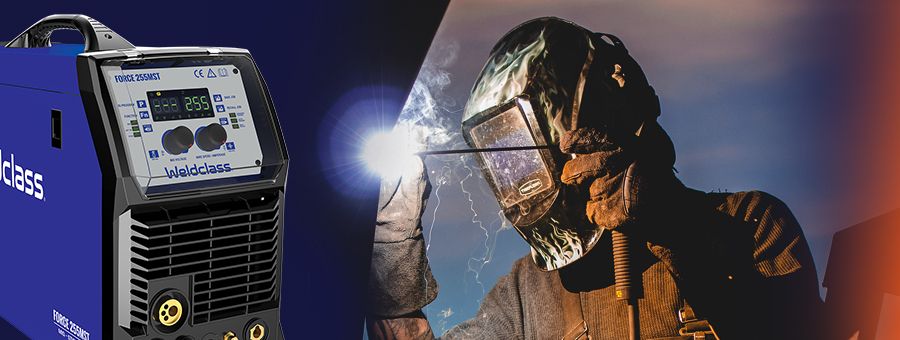
Credit: www.weldclass.com.au
Innovations In Welder Design
Modern welders include features to manage OCV and improve safety:
- Automatic OCV reduction: Lowers voltage when not welding.
- Digital displays: Show OCV in real time.
- Preset OCV options: Let you choose the best OCV for your job.
- Remote controls: Adjust OCV from a distance, keeping you safer.
These changes make welding safer and more user-friendly.
Common Mistakes With Open Circuit Voltage
Beginners often make these mistakes:
- Ignoring the manual: Not all welders work the same way. Always check the recommended OCV.
- Using the wrong electrode: Some electrodes will not start well with low OCV.
- Not measuring OCV: If you have arc problems, check the voltage. Do not guess.
- Not using VRD: Leaving voltage reduction off can increase risk, especially for new users.
- Misunderstanding power: OCV helps start the arc, but does not decide how much you can weld.

Credit: www.youtube.com
How To Choose A Welder With The Right Ocv
If you are shopping for a welder, check the OCV rating before you buy. Here’s what to look for:
- Your welding process: Stick, TIG, or MIG? Each needs a different OCV range.
- Types of electrodes: If you use cellulose rods, get a welder with high OCV.
- Safety features: Look for VRD or other voltage reduction systems.
- Your work environment: Wet or dry? Indoors or outdoors? High OCV is riskier in wet places.
- User reviews: Check what other welders say about arc starting and safety.
If you are unsure, visit a trusted welding supplier or check the manufacturer’s website. For detailed safety guidelines, see the Welding Safety article on Wikipedia.
Open Circuit Voltage And Energy Efficiency
People sometimes ask if OCV affects how much electricity a welder uses. The answer is: not much. OCV is present only when not welding, and the current draw is low. Most of the energy is used during welding, not at open circuit.
But leaving a welder running when not in use wastes a little energy. For best practice, turn off the welder when you take long breaks.
Open Circuit Voltage: Key Terms
- Open circuit voltage (OCV): Voltage present at the output terminals when not welding.
- Working voltage: Voltage during welding, when the arc is active.
- Voltage reduction device (VRD): Reduces OCV for safety.
- Electrode: The welding rod or wire.
- Arc starting: Creating the spark to begin welding.
Frequently Asked Questions
What Is The Difference Between Open Circuit Voltage And Welding Voltage?
Open circuit voltage is the voltage present at the welder’s terminals when you are not welding. Welding voltage (or working voltage) is the voltage during welding, when the arc is active. OCV is always higher than welding voltage.
Is High Open Circuit Voltage Dangerous?
Yes, high OCV can be dangerous if you touch the electrode and ground at the same time, especially with wet skin or poor insulation. Always use proper safety gear and avoid wet conditions.
Can I Use Any Electrode With Low Ocv Welders?
No, some electrodes (such as 6010 or 6011) need high OCV to start and keep the arc stable. If your welder has low OCV, use electrodes that are rated for low voltage, such as 6013.
Do All Modern Welders Have Voltage Reduction Devices?
Not all, but many new models include a voltage reduction device (VRD) for safety. Always check the specs or manual before you buy or use a welder.
Does Open Circuit Voltage Affect How Much I Can Weld?
No, OCV affects how easily you start the arc, not how much you can weld. The welding current and working voltage decide the power and thickness you can weld.
Open circuit voltage is a key part of welding that many people overlook. It affects how easily you start the arc, how safe your work is, and what electrodes you can use. Understanding OCV helps you choose the right machine, improve your results, and stay safe.
Whether you are a beginner or a pro, always check your OCV, match it to your needs, and use all recommended safety steps. Your welds—and your safety—depend on it.