Disclosure: This post contains affiliate links and I will be compensated if you make a purchase after clicking through my links. Learn More
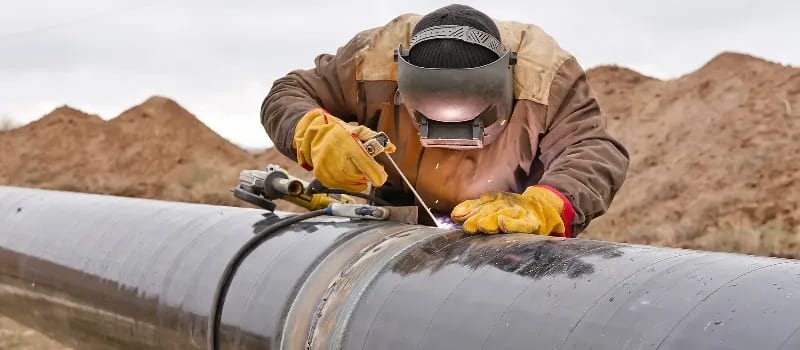
Pipeline welding is a skilled trade that demands more than steady hands and technical knowledge. Employers and clients want proof that a welder can do the job safely and correctly. This proof comes in the form of certifications. These credentials open doors to better jobs, higher pay, and greater job security. But the certification process can seem confusing, with different tests, standards, and options. This article explains what certifications pipeline welders need, why they matter, and how to get them. You will also find comparisons, practical examples, and tips that most beginners miss.
Why Certification Matters For Pipeline Welders
Certification in pipeline welding is not just a formality. It serves several purposes:
- Safety: Certified welders understand safety rules and work practices. This reduces job site accidents.
- Quality: Certification means a welder can produce strong, leak-free welds. This is critical in oil, gas, and water pipelines.
- Legal Requirements: Many countries and states require certified welders for pipeline projects. Projects may fail inspections if welders are not certified.
- Career Growth: Certified welders often earn more and have access to top jobs.
Consider this: a 2023 industry report showed that over 80% of pipeline contractors require proof of welding certification before hiring. Uncertified welders face limited job opportunities and lower pay.
Key Pipeline Welding Certifications
Pipeline welders may need one or more certifications, depending on the job. The most recognized certifications include:
- American Welding Society (AWS) Certifications
- American Petroleum Institute (API) Certifications
- American Society of Mechanical Engineers (ASME) Certifications
- Occupational Safety and Health Administration (OSHA) Certifications
- National Center for Construction Education and Research (NCCER) Certification
- State and Local Certifications
- Employer-Specific Qualifications
Each certification serves a different purpose and has its own requirements.
Credit: www.uti.edu
1. American Welding Society (aws) Certifications
The AWS offers several certifications that apply to pipeline welding. The most important are:
Aws Certified Welder (cw)
This is often the first certification pipeline welders earn. The AWS CW shows that a welder can produce welds that meet code standards. The test is hands-on and must be taken at an AWS-accredited test facility.
- Test types: Welders can test in different positions (flat, horizontal, vertical, overhead) and with various processes (SMAW, GMAW, FCAW, GTAW).
- Focus: The test for pipelines often uses the 6G position (pipe at a 45-degree angle). This is the hardest and most respected welding test.
- Renewal: Certification does not expire as long as the welder submits maintenance forms every six months.
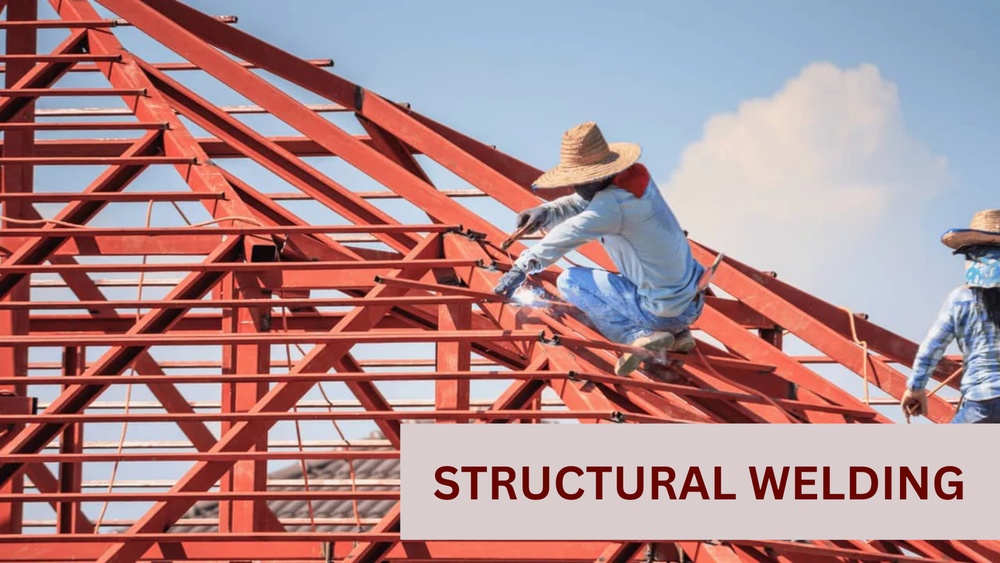
Aws D1.1 Structural Welding
While this certification is designed for structural steel, many pipeline jobs require it. It proves a welder can handle high-stress welds and follow standards.
Aws D10.9 Pipeline Welding
The D10.9 code covers welding of piping and tubing. This standard is specific to pipelines and is valued by pipeline contractors.
Example
A pipeline welder working on an oil line in Texas may need both AWS CW and D10.9. Some contractors may also want D1.1, especially for structural welding on supports and crossings.
2. American Petroleum Institute (api) Certifications
The API is a key organization for the oil and gas industry. It sets standards for pipeline construction, inspection, and repair.
Api 1104 – Welding Of Pipelines And Related Facilities
This is the main certification for pipeline welders. API 1104 covers welding on pipelines for oil and gas, both in the field and in fabrication shops.
- Test: Welders must pass a practical welding test, often supervised by a certified inspector.
- Positions: The test is usually in the 5G or 6G position.
- Renewal: The certification may be tied to the employer or specific project.
Why Api 1104 Matters
Most U. S. pipeline projects require welders to meet API 1104. Some states make it mandatory by law. Many international companies also use this standard.
Other Api Certifications
While API 1104 is the main focus, pipeline welders working in inspection or management roles may pursue API 1169 (Pipeline Construction Inspector). But for hands-on welding, API 1104 is the gold standard.

Credit: yeswelder.com
3. American Society Of Mechanical Engineers (asme) Certifications
The ASME issues codes and certifications for mechanical systems, including pipelines under pressure.
Asme Section Ix – Welding And Brazing Qualifications
This code is important for pipeline welders working on pressure piping, refineries, chemical plants, and power plants.
- Test: Similar to API, welders must pass a hands-on welding test.
- Coverage: Section IX covers both welding and the procedure for qualifying welders and welding operators.
Example
A welder building a high-pressure steam line in a chemical plant may need ASME IX certification, even if they already hold API 1104.
Comparison: Api 1104 Vs. Asme Ix
Here’s a look at the differences:
| Feature | API 1104 | ASME IX |
|---|---|---|
| Focus | Oil & gas pipelines | Pressure piping, boilers |
| Test Position | Mainly 5G/6G | All positions |
| Industries | Pipelines | Refineries, plants |
| Renewal | Project or employer-based | Project or employer-based |
Many jobs require both, especially in large projects.
4. Osha Safety Certifications
Pipeline welding involves many risks: fire, fumes, heavy equipment, and confined spaces. The Occupational Safety and Health Administration (OSHA) offers safety certifications that many employers require.
Osha 10 And Osha 30
- OSHA 10: A basic 10-hour safety course covering hazards, equipment safety, and worker rights.
- OSHA 30: A more advanced 30-hour course for supervisors and managers.
Both courses are offered online and in person. While not welding-specific, these certifications show that a welder understands job site safety.
Confined Space Entry
Pipeline welders often work inside pipes or closed spaces. Confined Space Entry Certification teaches workers how to stay safe in these environments. Many pipeline companies require this in addition to OSHA 10/30.
Hazardous Materials (hazwoper)
Some pipeline jobs involve hazardous materials. HAZWOPER training is mandatory for these sites. It covers handling, cleanup, and emergency procedures.
Example
A welder working on a pipeline repair near a chemical spill would need both OSHA and HAZWOPER certifications.
5. Nccer Pipeline Welding Certification
The National Center for Construction Education and Research (NCCER) offers certifications for construction trades, including pipeline welding.
Nccer Pipeline Welding
- Test: A practical welding test based on industry standards.
- Registry: Welders who pass are listed in a national registry. This helps employers verify credentials quickly.
- Focus: The test includes pipe welding in the 5G and 6G positions, with visual and X-ray inspection.
Nccer Benefits
Employers like the NCCER because it is portable. Welders can take their certification from job to job, even across states.
Example
A welder who moves between states or works for different contractors can use the NCCER card as proof of skills.
6. State And Local Certifications
Some U.S. states and cities have their own requirements for pipeline welders. These may include:
- State-issued welding licenses
- City or county welding cards
- Special tests for public works or utilities
These certifications usually require a hands-on test and sometimes a written exam. Rules change from place to place, so welders must check local laws before starting work.
Example
New York City requires welders to hold a Welder License issued by the Department of Buildings. California has its own license for pipeline welders working on public water systems.
7. Employer-specific Qualifications
Many pipeline contractors have in-house qualification tests. These are separate from national codes. They help employers confirm that a welder can meet the company’s exact standards.
- Test: Usually a hands-on weld in the position and with the process used on the job.
- Documents: Welders who pass receive a company qualification card. This may be valid only for that employer.
Non-obvious Insight
Even experienced, certified welders often fail employer-specific tests the first time. Every company has small differences in their procedures. Practicing exactly as instructed is the key to passing.
Main Welding Processes For Pipeline Certification
Pipeline welders must prove their skill with different welding processes. The most common are:
- SMAW (Shielded Metal Arc Welding or Stick Welding)
- GMAW (Gas Metal Arc Welding or MIG Welding)
- GTAW (Gas Tungsten Arc Welding or TIG Welding)
- FCAW (Flux Cored Arc Welding)
Of these, SMAW is the standard for field pipeline welding. Most certification tests use SMAW in 5G or 6G positions.
Example: 6g Position
The 6G position means welding a pipe fixed at a 45-degree angle. The welder must make a sound weld around the entire pipe, dealing with gravity and changing positions. Passing this test proves a high level of skill.
What To Expect In The Pipeline Welder Certification Test
A pipeline welding certification test is hands-on and demanding. Here’s what usually happens:
- Preparation: The welder prepares the pipe joint according to exact instructions.
- Welding: The welder completes the weld, often under time limits.
- Inspection: Inspectors use visual checks, bend tests, and sometimes X-rays to look for flaws.
If the weld passes all checks, the welder receives a certification for that process, position, and pipe size.
Common Test Variables
- Pipe size: Usually 2- to 12-inch diameter.
- Material: Carbon steel is common, but some tests use stainless steel or other alloys.
- Process: Most use SMAW, but some employers require TIG or MIG.
Non-obvious Insight
Certification is specific. A welder certified on 6-inch pipe with SMAW is not automatically qualified for stainless steel or a different process. More certifications mean more flexibility and better job prospects.
How To Prepare For Pipeline Welding Certification
Success in pipeline welding certification takes planning and practice.
1. Choose The Right Training
Many welders attend a welding school or apprenticeship program. Good programs teach:
- Welding theory
- Safety practices
- Hands-on practice with test joints
- Test-taking strategies
2. Understand Test Requirements
Each test has its own requirements. Welders should:
- Study the code book (API 1104, ASME IX, or AWS D10.9)
- Practice the exact weld joint and position
- Learn the acceptance criteria (what counts as a pass or fail)
3. Practice Under Test Conditions
Practicing with the same time limits, pipe size, and joint type as the real test helps welders build confidence.
4. Work On Weak Areas
Many welders struggle with the root pass or overhead positions. Targeted practice can make a big difference.
5. Get Feedback
Working with a certified instructor or experienced welder helps. They can spot mistakes and give tips to correct them.
Common Mistakes To Avoid
- Not reading the test instructions carefully
- Rushing the weld
- Using the wrong welding rod or settings
- Ignoring safety rules during the test
Keeping Certifications Current
Pipeline welding certifications do not last forever. Welders must keep their credentials up to date.
- AWS: Submit maintenance forms every six months.
- NCCER: Some certifications are valid for a set time, often five years.
- OSHA: OSHA cards do not expire, but many employers want refresher courses every 3-5 years.
- Employer Qualifications: These usually expire if a welder leaves the company or does not weld for a certain period.
Failing to keep certifications current can lead to loss of job or missed opportunities.
Career Impact Of Pipeline Welding Certifications
Certified pipeline welders earn more, have better job security, and can work in more places.
- Pay: Certified pipeline welders earn an average of $65,000–$100,000 per year, depending on location and experience.
- Mobility: Certifications like AWS, API, and NCCER are recognized across the U.S. and in many other countries.
- Advancement: With the right certifications, welders can move into inspection, supervision, or training roles.
Example: Job Posting
A major energy company posts a job for a pipeline welder. The requirements:
- API 1104 certification
- OSHA 10 or 30 card
- Ability to pass company weld test
Certified welders can apply. Uncertified welders are not considered.
Pipeline Welding Certification: At A Glance
Here’s a summary of the main certifications and what they cover:
| Certification | Purpose | Common Test Position | Validity |
|---|---|---|---|
| AWS CW | Basic pipe welding skills | 6G | Ongoing (with updates) |
| API 1104 | Oil & gas pipelines | 5G/6G | Project or employer-based |
| ASME IX | Pressure piping | All positions | Project or employer-based |
| NCCER | Portable, national registry | 5G/6G | Five years |
| OSHA | Job site safety | Classroom | Ongoing |
International Pipeline Welding Certifications
Pipeline projects often cross borders. Some countries have their own certifications:
- Canada: The Canadian Welding Bureau (CWB) issues certifications for pipeline welders. The CWB test is similar to the AWS and API tests but follows Canadian standards.
- Europe: The European Welding Federation (EWF) sets standards for pipeline welding in the EU.
- Australia: Australian welders often need certification to AS/NZS 1554 standards.
Welders who want to work internationally should research the specific rules for each country.
Example
A U. S. welder with API 1104 may need extra testing to work in Canada or Europe, even if they are highly skilled.

Credit: www.aws.org
How To Choose The Right Certification
Choosing the right certification depends on your career goals and the type of pipeline work you want.
For Entry-level Welders
Start with AWS Certified Welder (CW) and OSHA 10. This proves you have the basic skills and understand safety.
For Oil & Gas Pipelines
API 1104 is often required. Add NCCER for more flexibility.
For Refineries Or Pressure Piping
ASME Section IX is the key certification.
For Moving Between Jobs Or States
NCCER provides a portable credential.
For Supervisory Roles
Consider advanced safety training (OSHA 30) and inspection certifications.
Practical Tips For Success
- Keep good records: Always save certificates, test results, and maintenance forms. Many welders lose jobs because they cannot prove their certifications.
- Stay current: Take refresher courses as needed. Rules and codes change over time.
- Network: Join welding associations and attend local meetings. Many jobs are filled through word of mouth.
- Practice new skills: Learning more than one process (like TIG and stick welding) makes you more valuable.
Common Myths About Pipeline Welding Certification
Myth 1: All welding certifications are the same.
Fact: Each certification covers specific processes, positions, and codes. Employers want the right one for the job.
Myth 2: Certification is a one-time event.
Fact: Most certifications require ongoing updates and proof of activity.
Myth 3: Experience is enough.
Fact: Even skilled welders need certifications. Many projects are inspected, and inspectors check credentials first.
Myth 4: Only the test matters.
Fact: Safety training and soft skills (like communication) also matter.
Where To Find More Information
Welders can learn more about certifications from the American Welding Society website, local training centers, and industry groups. For detailed standards and rules, see the American Welding Society.
Frequently Asked Questions
What Is The Most Important Pipeline Welding Certification?
The most important is usually API 1104, especially for oil and gas pipelines. Some jobs require other certifications, but API 1104 is the most widely recognized for pipeline construction and repair.
How Long Does It Take To Get Certified As A Pipeline Welder?
It depends on the welder’s experience and training. Some people can pass the test in a few weeks, while others may need several months of practice. Training programs often last 6–12 months.
Do Pipeline Welding Certifications Expire?
Yes, most certifications need regular updates. For example, AWS requires maintenance every six months. NCCER is valid for five years, and employer qualifications expire if you stop welding for that company.
Can I Work In Other Countries With A U.s. Pipeline Welding Certification?
Sometimes. The U. S. certifications (like AWS and API) are respected, but other countries may require extra tests. Always check the rules before moving.
Is Safety Training Required For Pipeline Welders?
Yes. Most employers require at least OSHA 10 or OSHA 30. If you work in confined spaces or with hazardous materials, you may need extra training like Confined Space Entry or HAZWOPER.
—
Pipeline welding is a rewarding career for those willing to earn the right certifications. Each credential opens new jobs and greater earning power. By understanding the main certifications, preparing carefully, and staying current, welders can build a long, successful career.
Always research the specific needs for your region and employer, and never stop learning new skills.