Disclosure: This post contains affiliate links and I will be compensated if you make a purchase after clicking through my links. Learn More
Solar generators and gas generators both provide power. Each has unique features and benefits.
Understanding the differences helps in making informed decisions. In today’s world, reliable power sources are crucial. Whether for home use or outdoor activities, choosing the right generator matters. Solar generators harness sunlight to produce electricity. They are silent and eco-friendly.
Gas generators, on the other hand, run on fuel. They offer continuous power and are time-tested. Knowing which is best for your needs can save money and reduce hassle. This comparison will explore key aspects of both options. It will guide you through the pros and cons. By the end, you’ll know which generator suits your lifestyle best. Let’s dive into the details and make the right choice.
Introduction To Power Generators
Solar generators harness energy from the sun, offering clean power without emissions. Gas generators run on fuel, providing robust energy output, ideal for high-demand situations. Choosing between them depends on environmental impact and energy needs.
Imagine waking up to a stormy morning with the power out, leaving you without electricity to make coffee or charge your phone. This is where power generators step in, providing a lifeline to keep your essential devices running. Generators are vital tools in ensuring uninterrupted power supply, especially during emergencies or off-grid adventures. But how do you decide between a solar generator and a gas generator?
Purpose Of Generators
Generators serve a crucial role in providing electricity when traditional power sources fail or are unavailable. They offer peace of mind during blackouts and a practical solution for outdoor enthusiasts camping in remote locations. You might find them in use during outdoor events or construction sites where stable power is a necessity. The primary purpose of generators is to convert different types of energy into electricity, ensuring that your lights stay on and your devices stay charged.
Types Of Generators
Generators come in various forms, each with unique features. Two popular types are solar generators and gas generators.
Solar generators harness the sun’s energy, converting it into electricity. They are eco-friendly, quiet, and great for those conscious about their carbon footprint. Imagine using clean energy as you camp under the stars, knowing you’re making a positive impact.
Gas generators, on the other hand, rely on fuel combustion to generate electricity. They are known for their reliability and power output, making them suitable for heavy-duty tasks. Picture having one at home during a power outage, ready to keep your refrigerator running and your home secure.
When choosing between these two, consider your needs. Are you looking for sustainability or sheer power? Do you want something portable or stationary? Each type offers distinct advantages, depending on your situation.
So, which type would you trust to keep your world powered up during an emergency?
Solar Generator Basics
Solar generators have emerged as a popular alternative to traditional gas generators. They’re clean, renewable, and increasingly efficient. Understanding the basics of how they function can help you decide if they’re the right fit for your energy needs.
How Solar Generators Work
Solar generators convert sunlight into electricity using solar panels. The electricity generated is stored in a battery for later use. Unlike gas generators, they do not produce noise or emissions. Imagine enjoying a quiet afternoon while your generator silently charges from the sun’s rays.
Many people find solar generators ideal for camping trips or emergencies. They can power small appliances and charge devices without the hassle of fuel refills. Have you ever thought about how much easier life could be without the constant need to purchase gasoline?
Components Of Solar Generators
Solar generators typically consist of three main components: solar panels, a battery, and an inverter. The panels capture sunlight, the battery stores the electricity, and the inverter converts it into a usable form. Each part plays a crucial role in ensuring your generator performs efficiently.
Consider the solar panels as the heart of the system—they need to be positioned correctly to maximize sunlight exposure. The battery is like your generator’s muscle, holding the energy until you need it. The inverter is the brain, making sure the energy is safe and usable for your devices.
Have you ever wondered about the lifespan of solar panels? They can last over 20 years with minimal maintenance. That’s a long-term investment in clean energy that can save you money over time. What are you waiting for? Embrace the sun’s power and consider switching to a solar generator today.
Gas Generator Basics
When deciding between solar and gas generators, understanding the basics of gas generators can help you make an informed choice. Gas generators are known for their reliability and efficiency in providing power during outages. But how exactly do they function, and what are their key components? Let’s break it down.
How Gas Generators Work
Gas generators convert mechanical energy into electrical energy. They do this through a process that involves burning gasoline or natural gas to power an engine.
The engine drives a rotor within the generator, creating an electromagnetic field. This field generates electricity that can be used to power your devices and home appliances.
Imagine you’re at a camping site with a gas generator humming away. You can plug in your gadgets and keep the lights on, even when nature decides to go dark.
Components Of Gas Generators
A gas generator is made up of several essential components that work together seamlessly. These include the engine, alternator, fuel system, voltage regulator, and cooling system.
The engine burns fuel to produce mechanical energy. The alternator converts this energy into electrical power that you can use.
The fuel system stores and supplies the fuel needed for the engine. Without fuel, your generator is just a heavy piece of metal.
Have you ever thought about the voltage regulator’s role? It ensures a consistent flow of electricity, protecting your devices from power surges.
Finally, the cooling system prevents the generator from overheating, keeping it running smoothly. This is especially crucial if you rely on it for extended periods.
As you consider your options, think about the practicality and reliability of gas generators. Would you prefer the immediate power of a gas generator during a sudden blackout, or is the quiet efficiency of solar more appealing to your lifestyle?
Efficiency And Performance
Solar generators offer quiet operation and low maintenance, ideal for eco-conscious users. Gas generators provide reliable power, especially in remote areas. Each option has unique benefits depending on user needs and environmental impact preferences.
When choosing between solar and gas generators, understanding efficiency and performance is crucial. These factors can significantly impact how well your generator meets your power needs. Efficiency refers to how effectively a generator converts fuel into usable energy, while performance is about reliability and suitability in various conditions.
Energy Output Comparison
Solar generators rely on sunlight, converting it into electricity through solar panels. This means their energy output depends on the weather and time of day. On sunny days, they can provide consistent energy, but cloudy skies can reduce their output.
Gas generators, on the other hand, produce energy by burning fuel like gasoline or propane. Their energy output is more predictable, as it’s not influenced by weather. However, fuel availability and price can affect how much power you can generate over time.
Reliability In Different Conditions
Consider where and how often you’ll use your generator. Solar generators are reliable in sunny climates, but you might face challenges in regions with frequent rain or snow. They require sunlight to function, so nighttime use relies on stored energy.
Gas generators are versatile in various conditions. They can run day or night, rain or shine. However, they need regular maintenance to ensure reliability. Storing fuel safely and managing exhaust emissions are also important considerations.
Which generator is more efficient for your needs? Think about your environment and energy demands. If you live in a sunny area and value sustainability, a solar generator might be more efficient. If you need consistent power regardless of the weather, a gas generator could be the better choice.
Ultimately, both generators have their strengths and weaknesses. Your decision should reflect your priorities and the conditions you expect to encounter.
Environmental Impact
Choosing between solar and gas generators greatly affects our planet. Each option leaves a different environmental footprint. This difference plays a crucial role in decision-making. Understanding the environmental impact helps in making informed choices.
Carbon Footprint
Solar generators produce zero emissions during operation. They rely on sunlight, a clean energy source. This means no carbon dioxide is released into the air. In contrast, gas generators burn fossil fuels. This burning releases significant carbon dioxide and other pollutants. Over time, these emissions contribute to global warming. Reducing carbon footprint is essential for a sustainable future.
Sustainability Factors
Solar generators use renewable energy. Sunlight is abundant and inexhaustible. They also require less maintenance over time. Gas generators depend on fossil fuels, which are finite resources. Extracting and refining these fuels harm the environment. It also depletes natural reserves. Choosing solar supports a more sustainable energy future. Long-term use of solar power preserves natural resources.
Cost Analysis
Choosing between a solar generator and a gas generator involves evaluating costs. This analysis helps you make an informed decision. Understanding expenses is crucial for long-term planning. Let’s dive into the financial aspects of both options.
Initial Investment
Solar generators require a higher upfront payment. Panels, batteries, and inverters contribute to the cost. Installation can be complex, adding to expenses. Gas generators generally cost less initially. Buying a unit and necessary accessories is straightforward. Setup is often easier, reducing initial expenses.
Maintenance And Operational Costs
Solar generators are low-maintenance. Panels need occasional cleaning for efficiency. Batteries have a lifespan and require replacement over time. Gas generators demand regular servicing. Oil changes and filter replacements are necessary. Fuel expenses add up, affecting operational costs.
Solar generators use free sunlight, reducing running costs. Gas generators rely on fuel, increasing expenses over time. Consider these factors for budget planning. Evaluating long-term costs can guide your choice.
Portability And Convenience
Choosing between a solar generator and a gas generator often depends on portability and convenience. Solar generators are lightweight and easy to carry, making them great for outdoor activities. Gas generators, while powerful, can be heavy and require fuel, limiting mobility.
When it comes to choosing between a solar generator and a gas generator, portability and convenience are crucial factors that can significantly influence your decision. Whether you’re planning a camping trip, preparing for emergencies, or considering everyday use, the ease with which you can transport and set up your power source matters greatly. Let’s dive into the specifics of how each type of generator fares in terms of portability and convenience.
Ease Of Transport
Imagine you’re heading out for a weekend camping adventure. The last thing you want is to struggle with heavy equipment. Solar generators are generally lighter and more compact compared to gas generators. You can easily carry them in your car without needing extra space.
Gas generators, on the other hand, tend to be heavier. They often require wheels or handles to move around. If you’re not planning on staying in one place, this could be a hassle. The weight and bulkiness might make you think twice about lugging it around.
Setup And Use
Setting up a solar generator is straightforward. Just position the solar panels to catch sunlight and connect them to the generator. You don’t need to worry about fuel levels or fumes. This simplicity can save you time and energy, especially if you’re in a hurry or new to using generators.
Gas generators demand a bit more effort. You need to ensure there’s enough fuel and check for any leaks. Starting it might involve pulling a cord or pressing a button, depending on the model. If you’ve ever fumbled around with a stubborn engine, you know this can be frustrating.
Which would you prefer—an effortless setup with clean energy, or dealing with fuel and engine concerns? Your choice might depend on how much convenience matters to you in different situations.
In the end, both types of generators have their pros and cons. Solar generators shine with ease of use and transport, while gas generators offer robust power when needed. Your decision should reflect your lifestyle and specific needs. So, which one feels like a better fit for your adventures and everyday life?
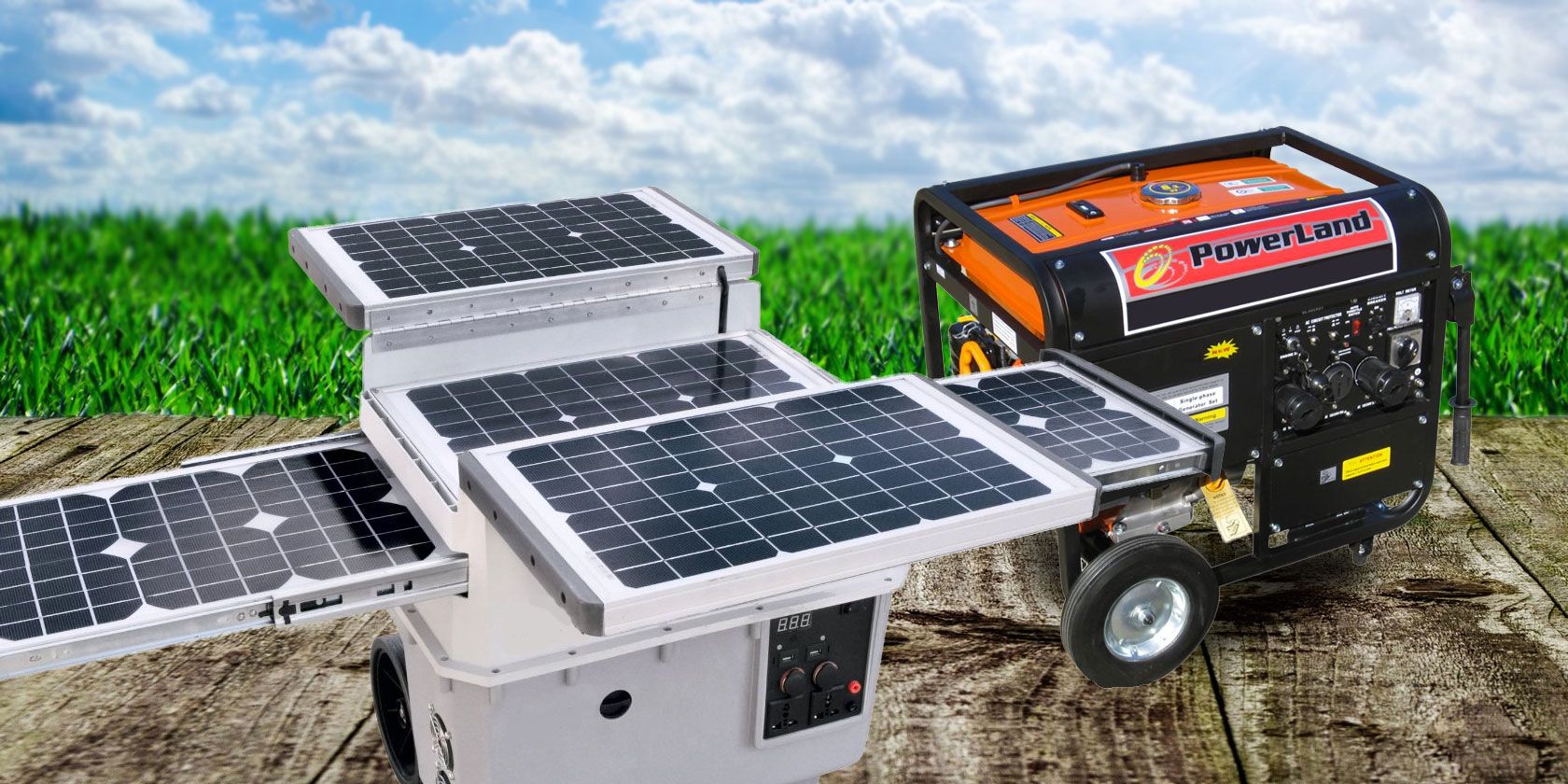
Credit: www.makeuseof.com
Ideal Use Cases
Choosing between a solar generator and a gas generator depends on use cases. Both have unique strengths suited to different scenarios. Understanding these applications can help in making the right decision.
Residential Applications
Solar generators are great for home use. They operate silently, causing no noise pollution. They harness energy from the sun, which is free and renewable. This makes them ideal for areas with ample sunlight. They are perfect for powering small appliances and lights.
Gas generators, on the other hand, are best for larger power needs. They can run heavy appliances like refrigerators and air conditioners. In locations with limited sunlight, gas generators offer reliable power. They are suitable for homes that need backup power during outages.
Outdoor And Emergency Situations
Solar generators shine in outdoor settings. They are portable and lightweight, making them easy to carry. Perfect for camping trips, they can charge phones and power small devices. They work well in remote areas where sunlight is abundant.
Gas generators excel in emergencies. They provide instant power, crucial during natural disasters. They are dependable when quick energy is necessary. In sudden power cuts, gas generators can keep essential devices running. This reliability makes them a go-to choice for emergency preparedness.
Future Trends In Generator Technology
Generator technology is rapidly evolving as the demand for cleaner energy grows. Solar and gas generators offer different benefits for homes and businesses. Understanding future trends can help you choose the right generator.
Innovations In Solar Technology
Solar generators are advancing with better energy storage capabilities. Lithium-ion batteries store more power than older models. This makes them more efficient and reliable. New solar panels capture sunlight even on cloudy days. Improved panel design increases energy production. Integrated smart systems optimize energy usage. These systems automatically adjust to peak energy times. They enhance overall performance and reduce waste.
Advancements In Gas Generator Design
Gas generators are becoming more efficient and environmentally friendly. New engines produce less noise and emissions. This makes them suitable for urban areas. Advanced fuel systems offer better fuel efficiency. They use less gas while providing the same power. Digital controls simplify operation and maintenance. These controls allow for remote monitoring and adjustments. Enhanced durability ensures longer life with less frequent servicing.
Conclusion And Recommendations
Choosing between solar and gas generators involves careful consideration. Each type offers unique benefits and challenges. Your decision depends on factors like cost, environment, and convenience. Evaluating these elements can guide you to the best choice for your energy needs.
Choosing The Right Generator
Solar generators excel in eco-friendliness and cost-saving potential. They harness the sun’s energy, reducing reliance on fossil fuels. Ideal for areas with abundant sunlight, they require no fuel purchases. Gas generators, on the other hand, provide reliable power under all weather conditions. They offer higher power output, suitable for heavy-duty appliances. Consider your location’s climate and power needs when selecting.
Assess the initial investment and long-term costs. Solar generators may have higher upfront costs. Yet, they save money over time with free solar energy. Gas generators have lower initial costs but incur fuel expenses. Calculate your budget and projected savings to determine the economical choice.
Final Thoughts On Power Solutions
Both generator types have their merits. Solar generators are perfect for eco-conscious individuals. They offer renewable energy without emissions. Gas generators remain dependable power sources with robust performance. They suit locations with limited sunlight or urgent power demands.
Consider your personal priorities. Think about environmental impact, cost-efficiency, and power reliability. Your choice should align with your lifestyle and needs. By weighing these factors, you can find the perfect power solution.
Frequently Asked Questions
What Is Better, A Gas Generator Or A Solar Generator?
A gas generator offers reliable power and quick refueling, ideal for emergencies. A solar generator is eco-friendly and quiet, suitable for sustainable energy needs. Choose based on power requirements and environmental priorities.
What Are The Disadvantages Of A Solar Generator?
Solar generators have limited power capacity and depend on sunlight. They can be expensive and bulky to transport. Battery life degrades over time, and efficiency drops in cloudy weather. They may not support high-power appliances and require substantial initial investment.
Can A Solar Generator Replace A Gas Generator?
A solar generator can replace a gas generator for powering small devices and homes. It is eco-friendly and silent. Gas generators are better for heavy-duty needs and continuous power. Choose based on your energy requirements and environment impact. Solar is ideal for off-grid and sustainable energy solutions.
Can A Solar-powered Generator Run A Whole House?
Yes, a solar-powered generator can run a whole house, but requires sufficient capacity and storage. Assess energy needs and install the right system size. Battery storage enhances efficiency for uninterrupted power supply during cloudy days or nighttime. Consult experts for tailored solutions.
Final Words
Choosing between a solar and gas generator depends on your needs. Solar generators are eco-friendly and silent. Ideal for sunny regions. Gas generators offer more power. Suitable for heavy-duty tasks. They work in any weather. But require fuel and maintenance.
Consider your location, power needs, and budget. Solar for green and quiet power. Gas for reliability and strength. Weigh the pros and cons of each. Make an informed choice for your energy needs. Both options have unique benefits. Decide what fits your lifestyle best.