Disclosure: This post contains affiliate links and I will be compensated if you make a purchase after clicking through my links. Learn More
Welding is a skill used in many industries, from building bridges to making art. Two of the most common welding methods are MIG welding and stick welding. Each has strong points and weak points. Many people want to know which is better, but the answer depends on your goals, budget, and the type of work you do.
This article explains MIG vs stick welding in simple words. You will learn how each process works, their main differences, and which one suits different jobs. You will also find out about cost, safety, and what beginners often miss. By the end, you will feel confident choosing the right welding method.
What Is Mig Welding?
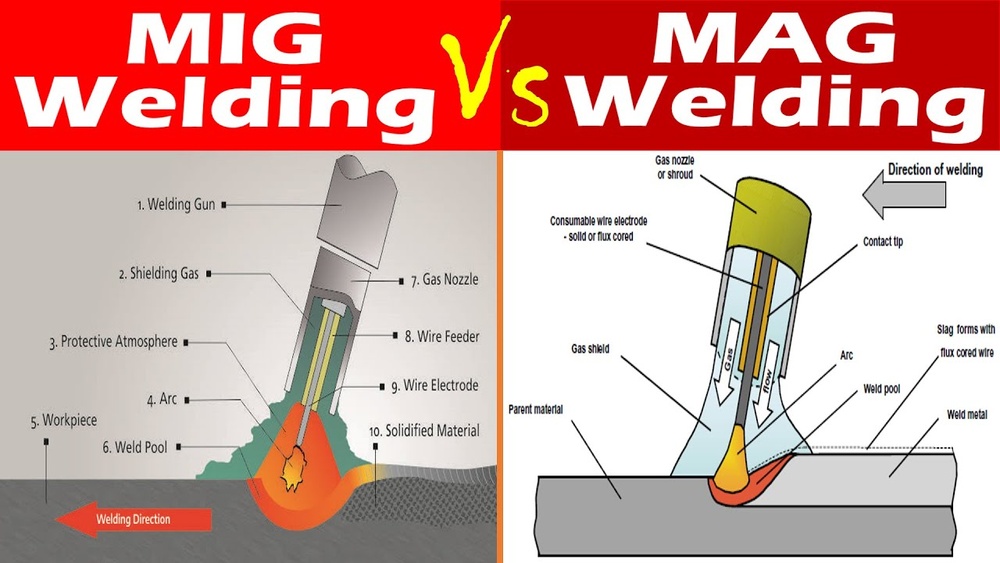
MIG welding stands for Metal Inert Gas welding. People also call it Gas Metal Arc Welding (GMAW). It uses a wire that acts as both the electrode and the filler material. An electric arc forms between the wire and the metal you want to join. The wire melts and fills the joint. At the same time, a gas (usually argon, CO₂, or a mix) flows out of the welding gun to protect the weld from the air.
MIG welding is popular for:
- Car repairs
- Metal furniture
- Light construction
- Hobby projects
Many people like MIG welding because it is fast and produces clean welds with less smoke.
What Is Stick Welding?
Stick welding is another name for Shielded Metal Arc Welding (SMAW). It uses a metal rod (called a stick or electrode) coated with a special material. When you strike the arc, the rod melts, and its coating forms a gas shield and a layer of slag. This protects the weld from air.
Stick welding is common in:
- Construction sites
- Pipe welding
- Outdoor repairs
- Heavy machinery
People choose stick welding because it is reliable, works well outside, and does not need extra gas bottles.
How Mig And Stick Welding Work
Mig Welding Process
- Plug in the welding machine and connect the work clamp.
- Load the wire spool into the machine.
- Attach the gas cylinder and set the flow rate.
- Hold the welding gun and press the trigger.
- The wire feeds automatically while the gas flows out.
- An electric arc forms between the wire and the metal.
- The wire melts and fills the gap, making the weld.
Stick Welding Process
- Connect the stick welder to a power source.
- Insert the electrode into the holder.
- Attach the ground clamp to the metal.
- Tap or scratch the electrode to start the arc.
- Move the rod along the joint at a steady speed.
- The rod melts and deposits metal.
- The coating creates a protective gas and a layer of slag.
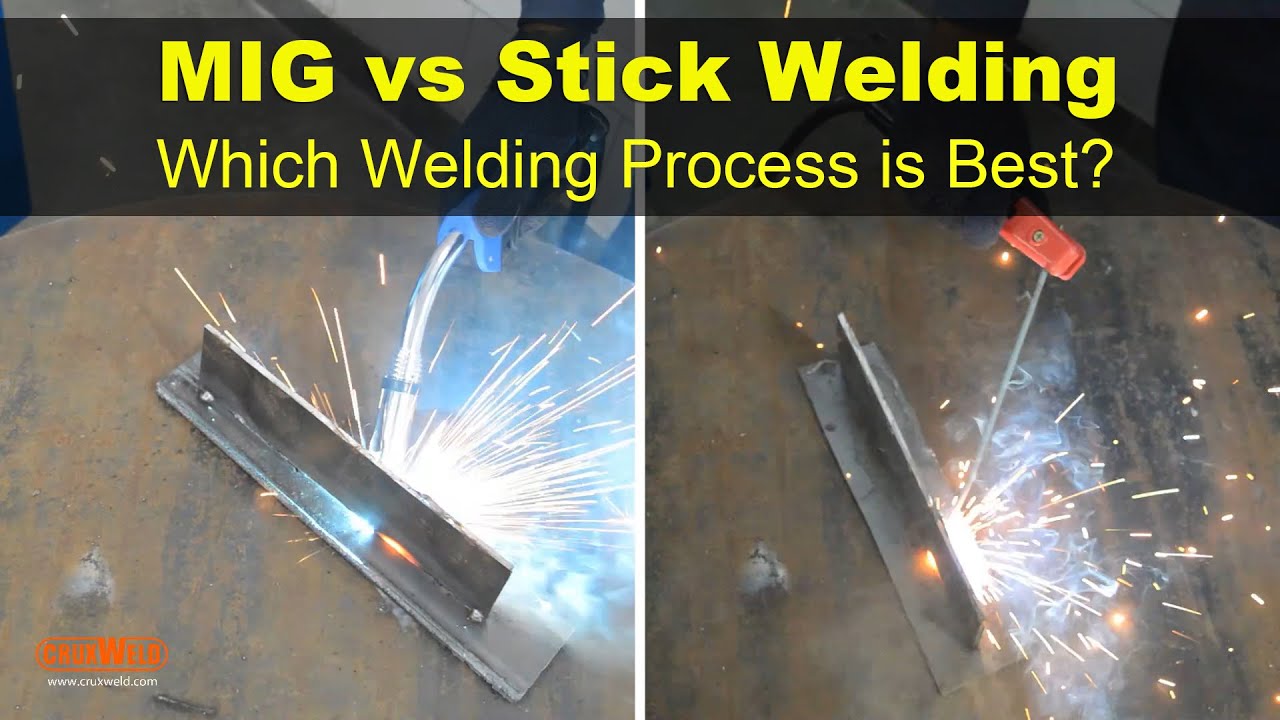
Both methods use electricity to melt metal, but the way they protect the weld is different. MIG uses a separate gas, while stick uses a coated rod.
Main Differences: Mig Vs Stick Welding
Understanding the main differences helps you pick the right tool. Here are some key points:
| Aspect | MIG Welding | Stick Welding |
|---|---|---|
| Shielding | External gas (argon, CO₂) | Rod coating (flux) |
| Electrode | Wire spool (continuous feed) | Short stick (manual feed) |
| Weld Speed | Faster | Slower |
| Cleanliness | Clean weld, little slag | Slag must be removed |
| Outdoor Use | Wind can disrupt gas | Works well outside |
| Metal Thickness | Best for thin to medium | Best for thick metal |
| Skill Level | Easier for beginners | Needs practice |
| Setup Time | Longer (wire, gas setup) | Quick (just clamp and weld) |
| Equipment Cost | Higher | Lower |
Credit: www.youtube.com
Pros And Cons Of Mig Welding
Advantages
1. Clean Welds
MIG welding makes smooth welds with little spatter and almost no slag. This means you save time on cleaning.
2. Faster Welding
The wire feeds automatically, so you work faster than with stick welding.
3. Easier To Learn
Many new welders find MIG welding less difficult. The gun is easy to control, and you only need one hand.
4. Good For Thin Metals
MIG welding works well on car panels, gates, and thin steel.
5. Versatile
You can weld steel, aluminum, and stainless steel by changing wires and gas.
6. Continuous Welds
The wire runs as long as you hold the trigger, making long welds easy.
Disadvantages
1. Sensitive To Wind
The shielding gas can blow away outdoors, causing weak welds.
2. More Equipment
You need a gas bottle, hoses, and a wire feeder. This adds cost and weight.
3. Needs Clean Metal
MIG welding does not like rusty or dirty metal. You must clean before welding.
4. More Expensive
MIG welders and gas cylinders cost more than stick welders.
Pros And Cons Of Stick Welding
Advantages
1. Works Outdoors
The flux coating protects the weld, even in wind and rain.
2. Low Equipment Cost
Stick welders are simple and cheap. You do not need gas cylinders.
3. Welds Dirty Metal
Stick welding can handle rust, paint, and dirt better than MIG.
4. Strong Welds On Thick Metal
Stick welding is good for heavy steel in construction and repairs.
5. Portable
Small stick welders are light and easy to carry.
Disadvantages
1. Slower Process
You must stop and change rods often. You also need to chip off slag after each weld.
2. More Spatter And Smoke
Stick welding makes more mess. You need to clean up after.
3. Harder To Learn
It takes practice to strike the arc and keep a steady hand.
4. Not For Thin Metal
Stick welding can burn through thin materials.
Applications: Where Each Method Shines
Mig Welding Uses
- Car bodywork: Smooth welds without burning thin sheets.
- Metal gates and fences: Fast for long welds.
- Furniture making: Clean finish, less grinding.
- Art projects: Easy to control for precise work.
- Light repairs: Quick setup for small jobs.
Stick Welding Uses
- Pipe welding: Works well in all positions.
- Farm equipment repair: Handles dirty, rusty metal.
- Construction: Good for building frames and heavy structures.
- Outdoor work: No need to worry about wind.
- Shipyards: Strong welds on thick steel plates.
Costs: Equipment And Operation
Mig Welding Costs
- Machine price: $300–$1,200 for home models, more for pro units.
- Gas cylinders: $100–$350 each, plus refills.
- Wire spools: $20–$60 per spool, depending on size and type.
- Accessories: Includes helmet, gloves, gas hose, and tips.
MIG welding costs more at the start, but can save money on large or repeat jobs because of speed.
Stick Welding Costs
- Machine price: $100–$400 for basic models.
- Electrodes: $20–$50 per box.
- No gas needed: This cuts ongoing costs.
- Accessories: Helmet, gloves, and chipping hammer.
Stick welding is cheaper to start. For small repairs or field jobs, it is often the best value.
Running Costs
- MIG welders use more power, especially with thick metals.
- Stick welding uses less electricity per job, but is slower.
Learning Curve: Which Is Easier?
Many beginners ask, “Is MIG welding easier than stick?” For most, the answer is yes. MIG welding offers:
- Simple trigger operation
- Less spatter
- Easier starts
Stick welding takes more time to master. Striking the arc and keeping the rod at the right angle can be tricky. Also, the rod gets shorter as you weld, so you must adjust your hand often.
Some people start with stick welding because the machines are cheap. Others begin with MIG because the process is less frustrating.
Non-obvious insight: Even though MIG is easier, some people develop bad habits if they never learn stick welding. Stick teaches you about arc control, which helps with other welding methods.
Weld Quality: Appearance And Strength
Mig Welding
- Usually gives a smooth, even bead.
- Little spatter and almost no slag.
- Great for projects where looks matter.
But MIG welds can be weak if the shielding gas blows away or if the metal is dirty.
Stick Welding
- Leaves a rougher bead with more spatter.
- Slag must be chipped off after each pass.
- Good for strong, deep welds, especially on thick steel.
Stick welds hold up well in harsh conditions, but they need more cleanup.
Non-obvious insight: Some people trust stick welds more for structure because the process allows deep penetration into thick metal.
Working Indoors Vs Outdoors
Mig Welding
- Works best indoors, where wind cannot blow away the gas.
- Needs a dry, clean space to avoid gas leaks or contamination.
Stick Welding
- Works in rain, wind, or dusty places.
- Ideal for field repairs or outside construction.
This is why stick welding is often used on farms, pipelines, and big building sites.
Safety: What You Must Know
Welding can be dangerous. Both methods need care.
- Electric shock: Both machines use high voltage. Always wear gloves and dry clothes.
- Fumes: Stick welding makes more smoke and fumes than MIG. Work in a well-ventilated area.
- Eye injury: Never weld without a proper helmet. The bright arc can damage your eyes.
- Burns: Hot metal and sparks can burn skin. Wear long sleeves and pants.
Extra tip: MIG welding produces less smoke, but the shielding gas (CO₂ or argon) can collect in small spaces and push out oxygen. Never weld in a sealed room.
Common Beginner Mistakes
People learning welding often make these errors:
1. Wrong Settings
Setting the voltage or wire speed too high or too low causes weak welds. Always test on scrap metal first.
2. Poor Metal Prep
MIG welding needs clean metal. Rust, oil, or paint will cause holes or poor fusion.
3. Wrong Electrode Or Wire
Each metal type needs the right wire or rod. For example, aluminum needs special wire and gas.
4. Bad Technique
Moving the gun too fast or too slow can ruin the weld.
5. Ignoring Safety
Some people skip gloves or helmets. This can lead to burns or eye damage.
6. Poor Storage
Electrodes for stick welding absorb water if left outside. Keep them dry for the best results.
Which Welding Method Should You Choose?
Use Mig Welding If:
- You work with thin or medium metal (1–6 mm).
- You want clean, neat welds for visible projects.
- You plan to weld indoors.
- You prefer a process that is quick to learn.
Use Stick Welding If:
- You repair heavy machinery or farm equipment.
- You weld outdoors, even in bad weather.
- You often work on thick or rusty steel.
- Your budget is small.
Practical tip: Some welders use both machines. They use MIG for car repairs and stick for fieldwork.
Key Technical Differences
To understand MIG vs stick welding better, see this technical comparison:
| Feature | MIG Welding | Stick Welding |
|---|---|---|
| Current Type | DC (mostly), some use AC | AC or DC |
| Metal Types | Steel, stainless, aluminum | Steel, iron, some stainless |
| Weld Position | All positions, but flat is easiest | All positions, strong vertical welds |
| Arc Stability | Very stable | Stable, but needs skill |
| Portability | Less portable (gas needed) | Very portable |
Maintenance And Troubleshooting
Mig Welding
- Check the wire feeder and clean the liner often.
- Inspect the gas hose for leaks.
- Replace worn contact tips.
- Keep the wire dry to prevent rust.
Common MIG problem: The wire jams or “birds-nests” if the feeder tension is wrong.
Stick Welding
- Change electrodes often for best results.
- Clean the ground clamp for a good connection.
- Store rods in a dry box.
Common stick problem: The rod sticks to the metal if the current is too low or the angle is wrong.
Environmental Impact
MIG and stick welding both use lots of energy. But stick welding creates more fumes and slag waste. MIG produces less smoke, but uses more electricity and gas.
Some companies now use special filters and fume extractors to protect workers. Always check local safety rules.
What The Experts Say
Experienced welders often use both methods. They say:
- MIG saves time on car repairs and small jobs.
- Stick is better for repairs outside or on thick steel.
- Each method has its place. The best welders can switch between them as needed.
Some welding schools start with stick welding to teach arc control, then move to MIG for production work.
New Technology And Trends
Welding machines now come with digital controls and automatic settings. Some MIG welders have “synergic” features that set voltage and wire speed for you. This helps beginners get better results.
For stick welding, new electrode types make it easier to weld in hard positions or on special metals.
Extra insight: In some factories, robots use MIG welding for speed and repeatability. But for repairs and fieldwork, human welders still rely on stick welding.
How To Choose The Right Machine
When buying a welder, consider:
- Type of work: Car repairs, art, construction, or farm jobs
- Metal thickness: Thin sheet or heavy plate
- Work location: Indoors or outdoors
- Power supply: Do you have 110V, 220V, or both?
- Budget: MIG costs more upfront
- Portability: Stick welders are easier to move
Practical example: If you restore cars in your garage, a MIG welder is ideal. If you fix fences in the field, pick a stick welder.

Credit: joneswelding.com
Training And Certification
If you want to work as a pro welder, you need training. Schools teach both MIG and stick welding. You learn how to set up the machine, choose the right settings, and weld in all positions.
Some jobs (like pipelines or shipbuilding) need special certificates. These prove you can make strong, safe welds.
For hobbyists, many online videos and local classes teach the basics. Practice is key to getting better.
Accessories And Gear
Both methods need safety gear:
- Auto-darkening helmet: Protects your eyes from the arc
- Welding gloves: Thick leather to stop burns
- Jacket or sleeves: For arms and body
- Boots: To stop sparks from burning your feet
- Wire brush or chipping hammer: To clean the weld
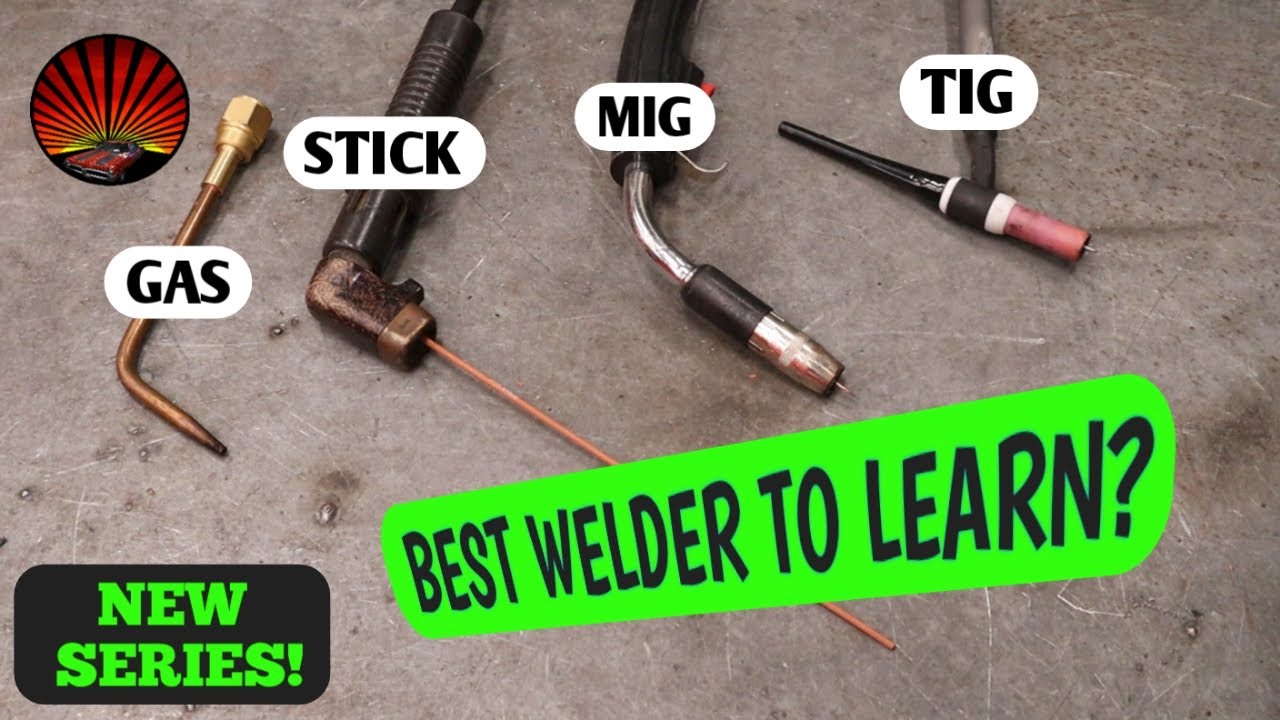
MIG welders also need a gas cylinder and regulator. Stick welders only need a rod holder and ground clamp.
Weld Joint Types
Both MIG and stick welding can join metal in many ways:
- Butt joint: Two pieces edge-to-edge
- Lap joint: One piece overlaps the other
- T-joint: Pieces meet at a 90-degree angle
- Corner joint: Pieces meet at a corner
MIG is best for thin joints that need a neat look. Stick is better for thick, strong joints.
Tips For Better Welds
- Clean the metal before welding.
- Set the right current or voltage.
- Hold the gun or rod at the correct angle (about 10–15° from vertical).
- Move at a steady speed.
- Practice on scrap before the real job.
- Store rods and wire in a dry place.
Expert tip: Watch the shape of the weld pool as you work. If it is too wide or narrow, adjust your speed or power.
When To Use Both Methods Together
Some jobs need both MIG and stick welding. For example, you might use MIG to tack pieces together, then use stick for strong, deep welds in the field. Some machines can do both processes if you change cables or settings.
This gives you more flexibility for repairs or custom work.
Frequently Asked Questions
What Metals Can I Weld With Mig Vs Stick Welding?
MIG welding works well with steel, stainless steel, and aluminum. You need the right wire and gas for each. Stick welding is best for steel and iron, but with special rods, you can weld stainless and some other metals. Stick is not good for aluminum.
Which Method Is Better For Beginners?
Most beginners find MIG welding easier to learn. The process is smoother, and the results look better at first. Stick welding takes more practice, but it teaches arc control, which is useful for all welding types.
Can I Weld Outside With Mig?
You can use MIG welding outside, but wind can blow away the shielding gas. This weakens the weld. To weld outdoors with MIG, use wind blocks or switch to flux-cored wire, which works more like stick welding.
How Do I Know If My Weld Is Strong?
A strong weld has full fusion, no holes, and no cracks. For MIG, check for even beads and no “cold laps. ” For stick welding, remove slag and look for a solid, even surface. Practice helps you spot good welds.
For important jobs, pro welders use tests or x-rays.
Where Can I Learn More About Welding?
You can find more info at Wikipedia’s welding page, or take classes at local trade schools and community colleges. Many online videos also show how to start with MIG or stick welding.
MIG and stick welding are both trusted methods with many uses. MIG offers clean, fast welds for thin and medium metal, while stick welding is strong, reliable, and works almost anywhere. Your choice depends on your projects, budget, and where you work.
With practice and the right gear, you can make safe and strong welds using either method. Always follow safety rules, keep learning, and enjoy the process of building with metal.
Credit: www.youtube.com