Disclosure: This post contains affiliate links and I will be compensated if you make a purchase after clicking through my links. Learn More
Welding attracts many people who want a practical and stable job. It offers hands-on work, visible results, and the chance to build things that last. But is welding a good career for long term growth? Many worry about future job security, health, pay, and career advancement.
The answer is not simple. To help you decide, this article covers every aspect you need to know, from salary and job demand to risks and career paths.
Understanding Welding As A Profession
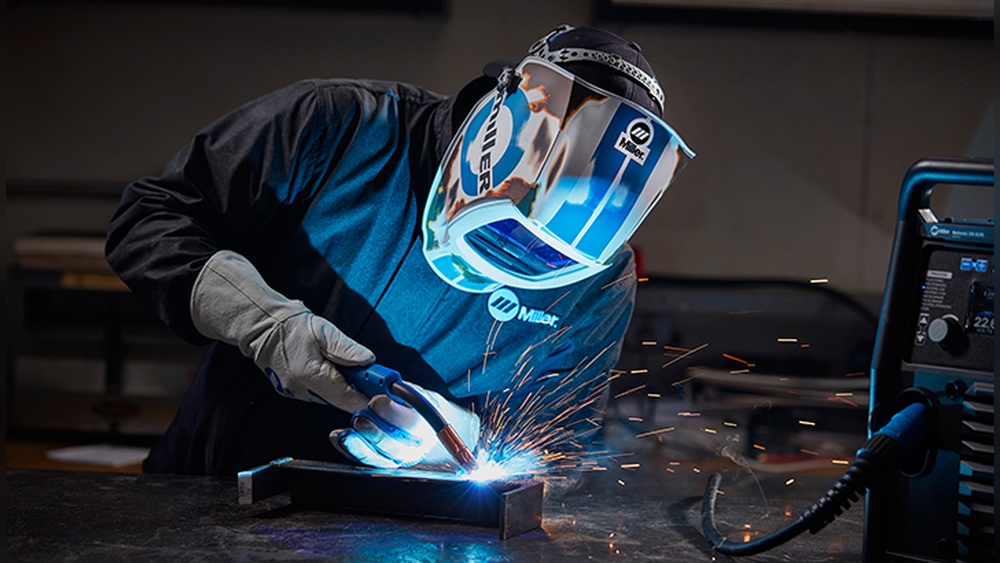
Welding joins metals using high heat. It is key in construction, manufacturing, shipbuilding, oil and gas, aerospace, and automotive industries. Welders work on bridges, pipelines, vehicles, buildings, and many other structures. The job needs skill, attention to detail, and physical strength.
Main Types Of Welding Jobs
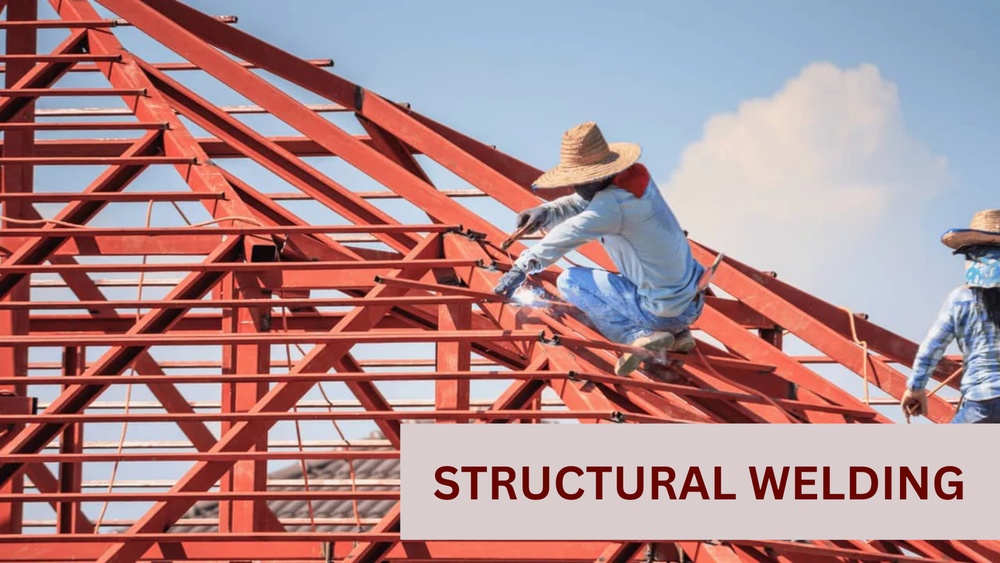
- Construction welders work on buildings, bridges, and roads.
- Industrial welders focus on factories and production lines.
- Pipeline welders handle oil, gas, or water pipelines.
- Underwater welders repair ships and offshore rigs.
- Aerospace welders build and repair airplanes and spacecraft.
- Automotive welders assemble and fix cars and trucks.
Each area requires special skills and sometimes extra training. This variety creates many options for those who want to grow in their career.
Long Term Job Demand For Welders
Current Demand
The U.S. Bureau of Labor Statistics (BLS) says there were about 418,200 welding jobs in the U.S. in 2022. The BLS expects the number of welding jobs to rise by 2% between 2022 and 2032. This is slower than average, but several factors can increase demand:
- Aging infrastructure: Many bridges and pipelines are old and need repair or replacement.
- Growth in manufacturing: As the economy grows, factories need more skilled workers.
- Energy sector needs: Oil, gas, and renewable energy projects require welders.
Global Perspective
Welding is not just important in the U. S. In countries like Canada, Australia, Germany, and China, welders are always needed for large projects. Developing countries also need skilled welders to build new infrastructure.
Automation And Technology
Some worry that robots will replace welders. Robots can do simple, repetitive welds, but skilled welders are still needed for:
- Custom or complex projects
- Repairs in hard-to-reach places
- Quality checks and supervision
As technology changes, welders who learn new tools and methods will stay valuable.
Salary And Earning Potential
Average Pay
Welding pay depends on skill, experience, location, and industry. Here is a comparison of average annual salaries in the U.S. for different types of welders:
| Job Type | Average Salary (USD) |
|---|---|
| Entry-level Welder | $36,000 – $43,000 |
| Experienced Welder | $45,000 – $60,000 |
| Pipeline Welder | $65,000 – $100,000+ |
| Underwater Welder | $80,000 – $200,000+ |
| Welding Inspector | $62,000 – $85,000 |
Some welding jobs pay much more if you travel, work overtime, or handle dangerous tasks.
Factors That Affect Pay
- Location: Welders in Alaska and Texas earn more due to oil and gas projects.
- Industry: Oil, gas, and construction pay higher than factories.
- Certifications: Special skills and certificates raise your pay.
- Experience: More years in the job mean higher pay.
Overtime And Benefits
Many welders get overtime pay. Some employers offer health insurance, retirement plans, and paid time off.
Required Skills And Education
Welding is not just about physical labor. You must learn:
- Blueprint reading: Understand technical drawings.
- Math: Measure and cut materials accurately.
- Equipment use: Work with torches, grinders, and safety tools.
- Welding processes: Learn methods like MIG, TIG, and Stick welding.
Most welders learn through:
- Technical schools or community colleges: Programs last a few months to two years.
- Apprenticeships: Earn money while you learn from experts.
- On-the-job training: Some companies train new workers directly.
Certifications
Getting certified helps you get better jobs and pay. The American Welding Society (AWS) offers respected certificates. Some employers require special tests for certain jobs.
Career Progression
Welding offers clear paths for growth:
- Senior welder: More complex jobs and higher pay.
- Welding inspector: Check the quality of other welders’ work.
- Supervisor or manager: Lead teams and plan projects.
- Welding engineer: Design new methods or improve processes.
If you keep learning and getting certificates, you can move up faster.
Pros And Cons Of Welding For Long Term Growth
Pros
- High demand: Many industries need welders.
- Good pay: Skilled welders can earn strong salaries.
- Variety: Many types of welding jobs to choose from.
- Visible results: You see your work in finished structures.
- Travel opportunities: Some jobs let you see new places.
- Fast training: You can start earning in less than two years.
- Clear career path: Promotions and new roles are possible.
Cons
- Physical strain: The job can be hard on your body.
- Health risks: Smoke, fumes, and noise can harm you if you don’t use protection.
- Injury risk: Burns, cuts, and eye damage are possible.
- Dirty or hot work: Some places are not comfortable.
- Changing technology: You must keep learning new methods.
- Job security varies: Some areas have more jobs than others.
Non-obvious Insights
- Specializing in a niche (like underwater welding or robotics) can protect your job from automation and raise your pay much higher than average.
- Soft skills like communication and project planning matter more than many think. Welders who work well with others and understand project needs often move into leadership or inspection roles.
Welding And Automation: Threat Or Opportunity?
Many worry that robots will take welding jobs. It is true that robots now do simple welds in factories. But automation also creates new jobs:
- Programming and maintaining welding robots
- Supervising automated work
- Solving problems robots cannot handle
Robots are not good at repairs, working in tight spaces, or handling one-of-a-kind jobs. If you learn to work with robots and new tools, you become more valuable.
How To Stay Ahead
- Take courses in robotic welding and automation.
- Get certified in new techniques.
- Learn about computer-aided design (CAD) and blueprint reading.
Welders who adapt stay in demand.
Credit: www.corsosaldatura.com
Health And Safety In Welding
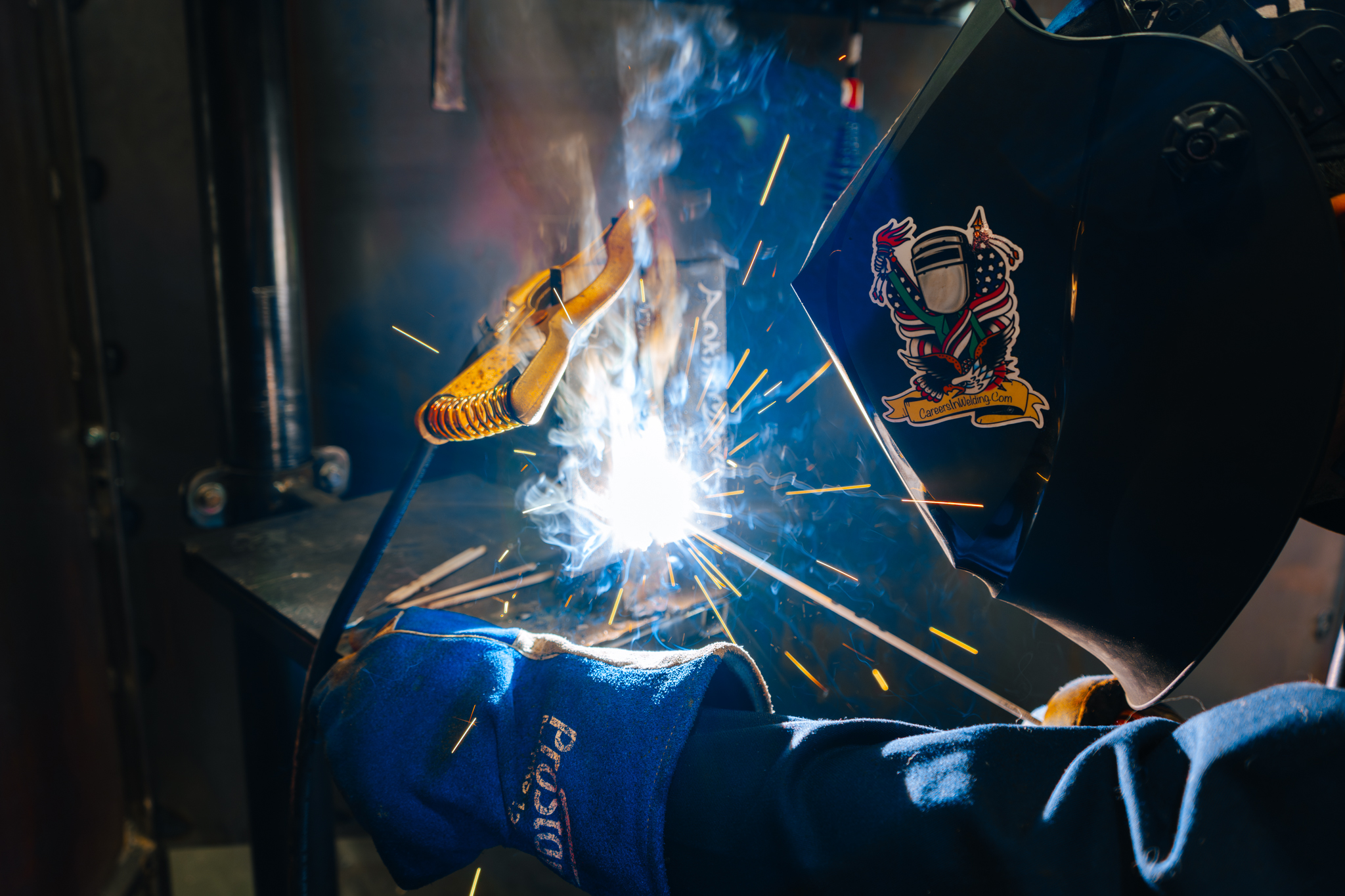
Welding can be risky without good safety habits. Common risks include:
- Burns: From hot metal and sparks
- Eye damage: From bright flashes (“arc eye”)
- Lung problems: From fumes and smoke
- Hearing loss: From loud work sites
How To Stay Safe
- Use proper gear: Helmet, gloves, mask, and ear protection.
- Work in well-ventilated areas.
- Follow safety rules and training.
- Take breaks to avoid fatigue.
Most injuries happen when people skip safety steps. Modern gear and training lower the risks a lot.
Health Benefits And Drawbacks
Welding can be good for people who like active work. The job keeps you moving and working with your hands. But long-term problems can happen if you do not protect yourself. Some welders develop back pain or breathing problems later in life.
Good habits and regular health checks help prevent these issues.
Job Satisfaction And Work-life Balance
Welders often feel proud of their work. They build things people use every day. Many like the teamwork and seeing projects finished. But some jobs have long hours or require travel, which can make family life harder.
How To Find Balance
- Choose jobs with steady hours if you want more time at home.
- Look for employers who care about safety and worker health.
- Consider contract or freelance work for more control over your schedule.
Some welders move into teaching or inspection later in their careers, which can offer more regular hours.
Career Advancement In Welding
Welding is not a dead-end job. Many welders move into higher roles over time. Here is a look at common career paths:
| Entry Role | Mid-Level Role | Advanced Role |
|---|---|---|
| Apprentice Welder | Experienced Welder | Welding Inspector |
| Helper | Lead Welder | Supervisor |
| Entry-Level Welder | Specialist Welder (e.g., TIG or Pipe) | Welding Engineer |
You can also move into related areas like:
- Teaching: Train the next generation of welders.
- Sales: Sell welding equipment or supplies.
- Quality control: Check the safety and strength of welds.
Some welders even start their own businesses.
Comparing Welding To Other Skilled Trades
Many people compare welding to jobs like electrician, plumber, or carpenter. Here is a look at some differences and similarities:
| Trade | Average Salary (USD) | Training Time | Job Security |
|---|---|---|---|
| Welder | $45,000 – $60,000 | 6 months – 2 years | Moderate to High |
| Electrician | $56,000 – $70,000 | 4 years (apprenticeship) | High |
| Plumber | $55,000 – $68,000 | 4 years (apprenticeship) | High |
| Carpenter | $48,000 – $60,000 | 3-4 years | Moderate |
Welding often allows you to start earning faster, since training is shorter. The pay can be as high as other trades, especially with overtime or special skills. Job security is good, but it depends more on the industry and location.
Credit: www.goodwin.edu
Common Mistakes That Limit Growth
Many welders make small errors that slow their career progress:
- Ignoring new technology: Not learning new tools or methods
- Skipping certifications: Missing out on better jobs and pay
- Poor safety habits: Leading to injury or early retirement
- Weak communication: Trouble working with teams or supervisors
- Not networking: Missing chances to learn about new jobs
If you focus on learning, safety, and building relationships, you will have more growth options.
The Realities Of Starting A Welding Career
Starting as a welder can feel tough. Entry-level jobs may be hard, dirty, or pay less. But these roles build your skills and open doors to better jobs. Most experienced welders started in basic roles and moved up.
What Employers Look For
- Willingness to learn
- Good work habits
- Attention to detail
- Problem-solving skills
Some companies hire welders with no experience and train them. Others expect a certificate or some training from a technical school.
How To Stand Out
- Get certified in more than one welding process (like MIG and TIG).
- Learn to read blueprints.
- Practice safety and quality in all your work.
- Show up on time and ready to work.
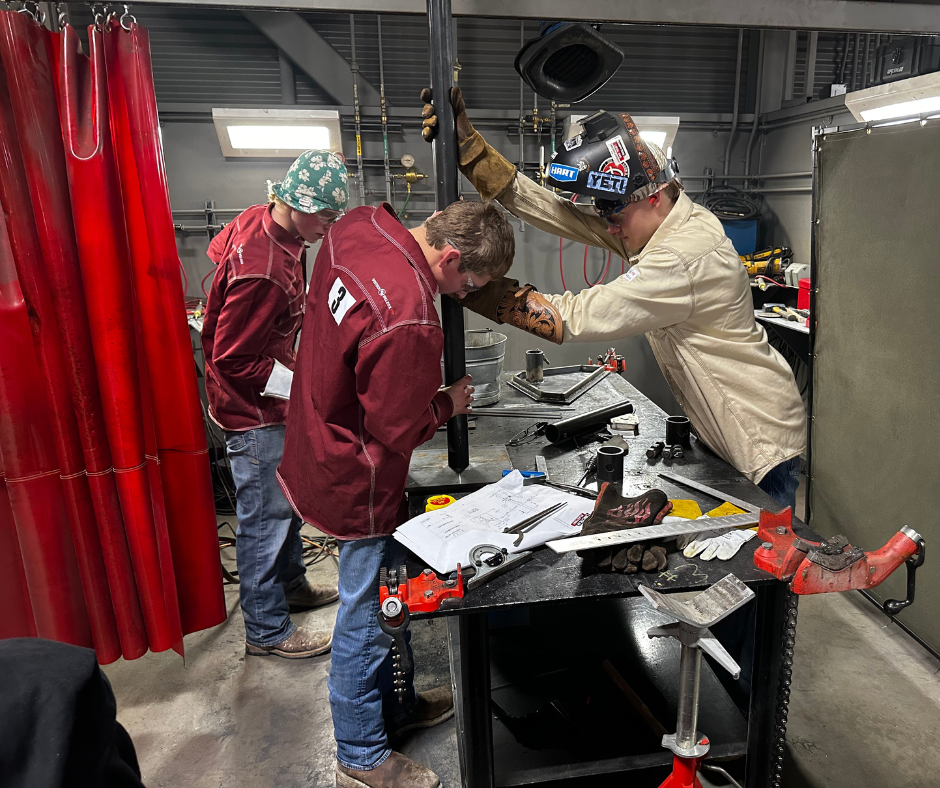
Credit: ua449.com
Welding In Different Industries
Welding is used everywhere. Here are some examples of where welders work:
- Construction: Buildings, bridges, tunnels
- Manufacturing: Cars, planes, machines
- Oil and gas: Pipelines, rigs, refineries
- Shipbuilding: Boats, ships, submarines
- Aerospace: Spacecraft, satellites
- Railroads: Trains, tracks, repair
Some industries pay more or offer steadier work. For example, pipeline welders often earn more but travel a lot. Manufacturing jobs may offer regular hours and better benefits.
Industry Changes
Green energy (like wind and solar power) is growing. These projects need welders for building and repairing equipment. As new industries grow, welders who learn new skills can find even more opportunities.
Is Welding A Good Career For Women?
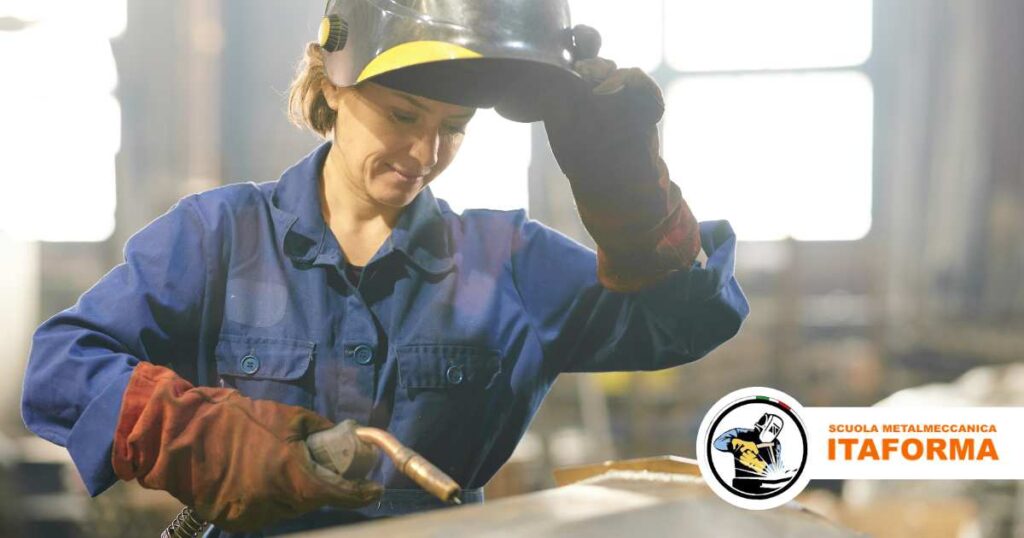
Welding has long been male-dominated, but more women are joining the trade. Many employers now encourage women to apply. Women welders are respected for their skill and attention to detail.
Advantages for women:
- Strong demand for skilled workers
- Opportunities for leadership and teaching
- Support from groups like Women Who Weld
Physical strength helps, but modern welding equipment is lighter and safer, making the trade accessible for everyone.
Education Vs. Experience: What Matters Most?
Employers value both education and hands-on experience. Many prefer workers with a technical certificate, but some will hire and train people with no background. The fastest way to grow is to:
- Get formal training (even a short course)
- Gain experience on the job
- Take extra courses as you advance
If you combine school and real-world practice, you will move up faster.
Long-term Outlook: Is Welding Future-proof?
Welding is likely to stay important for many decades. Buildings, bridges, vehicles, and machines will always need to be made and repaired. Technology will change the tools and methods, but skilled welders will still be needed.
What The Experts Say
Industry leaders say that welding will remain strong, especially for those who adapt to new technology. For more detailed data on job trends, see the Bureau of Labor Statistics.
Two Insights Most Miss
- Welders who learn about new materials (like composites and advanced metals) will be in high demand as industries look for lighter and stronger products.
- Starting your own welding business can give you more control and higher income. Many successful welders build small companies for repairs or custom metalwork.
Frequently Asked Questions
What Is The Starting Salary For A Welder?
Most entry-level welders in the U.S. earn between $36,000 and $43,000 per year. With overtime or special skills, pay can rise quickly.
Is Welding A Safe Job?
Welding can be safe if you use proper protective gear and follow safety rules. Most injuries happen when people skip safety steps.
Do I Need A College Degree To Become A Welder?
No. Most welders attend a technical school or get on-the-job training. Certificates are helpful but a college degree is not required.
How Long Does It Take To Become A Certified Welder?
Most welding programs last 6 months to 2 years. Some jobs offer training while you work, but getting certified improves your job options.
Can Welders Advance To Higher Positions?
Yes. Welders can become inspectors, supervisors, teachers, or engineers. Career growth depends on your skills, training, and willingness to learn.
Welding remains a solid career choice for long-term growth, especially for those ready to learn new skills and adapt to changes. The field offers strong pay, steady demand, and clear paths for advancement. If you enjoy working with your hands and want a career you can grow in, welding is a smart option.