Disclosure: This post contains affiliate links and I will be compensated if you make a purchase after clicking through my links. Learn More
Welding zinc coated steel is common in construction, automotive repair, and manufacturing. Many people use steel with a zinc layer, called galvanized steel, because it resists rust and lasts longer outdoors. But welding this material brings serious safety risks and technical challenges. If you want to weld zinc coated steel, you must understand these risks and learn the right way to protect your health and get strong welds.
Many beginners think they can weld galvanized steel like any other metal. This is not true. The zinc coating creates dangerous fumes when heated. These fumes can cause metal fume fever, a sickness with flu-like symptoms. Unsafe welding can also weaken the steel, create messy welds, and damage tools.
This article explains how to weld zinc coated steel safely. You will learn about the dangers, the best ways to protect yourself, and how to get clean, strong welds. This guide covers the tools you need, steps for preparation, welding methods, troubleshooting, and aftercare.
By following these practices, you can work with zinc coated steel without risking your health or quality.
Why Weld Zinc Coated Steel?
Many industries use zinc coated steel because it resists rust. Zinc forms a protective layer that stops water and air from reaching the steel. This makes the material last longer in harsh environments like bridges, outdoor signs, car parts, and construction beams.
Welders often need to join pieces of galvanized steel for repairs or new projects. Sometimes, you cannot avoid welding this material. But the zinc layer creates unique problems you must solve to get good results.
Dangers Of Welding Zinc Coated Steel
Heating zinc produces zinc oxide fumes. These fumes are toxic and can make you very sick. The main risk is metal fume fever. Symptoms include:
- Headache
- Fever
- Nausea
- Chills
- Muscle aches
- Cough
Symptoms often appear several hours after welding. Most people recover in a day or two, but repeated exposure can cause serious lung problems. In rare cases, high levels of zinc fumes can lead to chemical pneumonia or even death.
Other risks include:
- Eye and throat irritation from fumes
- Damage to welding equipment from zinc vapor
- Weak welds due to contamination
Many new welders do not realize how serious these risks are. Even a small job can create enough fumes to cause health problems. You must always take safety seriously.
Personal Protective Equipment (ppe)
Wearing the right gear can protect you from zinc fumes and other hazards. Never weld zinc coated steel without proper PPE.
Essential Ppe For Safe Welding
- Respirator or mask: Use a mask rated for metal fumes, such as a P100 or N100 respirator. Simple dust masks are not enough.
- Welding helmet: Protects your eyes and face from sparks and UV light.
- Welding gloves: Use heavy-duty gloves to prevent burns and cuts.
- Long-sleeved clothing: Wear flame-resistant clothes to cover all skin.
- Safety glasses: Wear under the helmet for extra eye protection.
- Welding boots: Use steel-toe boots with rubber soles for foot safety.
- Hearing protection: Use earplugs if working with loud tools.
Many welders skip the respirator, thinking the helmet is enough. This is a common mistake. The helmet does not block zinc fumes. Always use a respirator designed for welding fumes.
Preparing Zinc Coated Steel For Welding
Good preparation is the key to safe and clean welds. You must remove the zinc coating from the area you will weld. If you leave the zinc, the weld will be weak and produce more fumes.
How To Remove Zinc Coating
- Grinding: Use an angle grinder with a flap disc or wire wheel. Grind off the zinc coating at least 2 inches (5 cm) around the weld area.
- Sanding: For small jobs, use coarse sandpaper or a sanding disc.
- Chemical removal: Some use acids like vinegar or muriatic acid to remove zinc, but this method is dangerous and not recommended for beginners.
Always clean both sides of the joint. Wipe away dust with a dry cloth before welding.
Example
Suppose you need to weld two pieces of galvanized steel pipe. Mark the area to be welded, then grind off the zinc coating all around the joint—at least 2 inches from the edge. This step reduces fumes and gives you a stronger weld.
Why Removing Zinc Matters
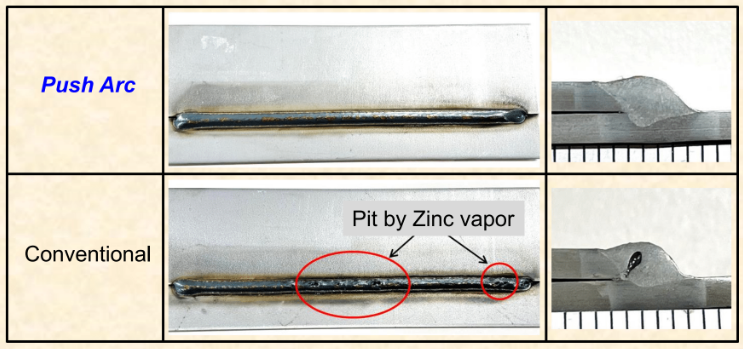
Welding over zinc creates porous, brittle welds. The zinc can also seep into the weld, causing cracks. Removing the coating near the weld reduces these problems. Leaving even a thin layer of zinc will create more fumes and a dirty weld.

Credit: southatlanticllc.com
Choosing The Right Welding Process
Several welding methods work on zinc coated steel. The three most common are MIG welding, TIG welding, and stick welding (SMAW). Each has pros and cons.
| Welding Method | Skill Level | Fume Production | Weld Quality |
|---|---|---|---|
| MIG (GMAW) | Easy/Moderate | Medium | Good |
| TIG (GTAW) | Advanced | Low | Excellent |
| Stick (SMAW) | Easy | High | Fair |
Mig Welding
MIG welding is popular because it is fast and easy to learn. It works well on thin to medium gauge steel. Use a shielding gas like CO₂ or a mix of argon and CO₂ for best results.
Tig Welding
TIG welding produces the cleanest, strongest welds. It creates less fume because it uses lower heat. But TIG is slower and needs more skill. If you want top-quality welds or need to weld thin material, use TIG.
Stick Welding
Stick welding is cheap and works outside in windy areas. It makes more fumes and slag, and the welds are rougher. Use this method if other options are not available.
Choosing The Right Filler Metal And Settings
The filler metal should match the base steel, not the zinc. Most people use ER70S-6 for MIG or TIG welding. For stick welding, use a mild steel electrode like E6011 or E6013.
Welding Settings
- Use low to medium heat to avoid burning the steel or making more fumes.
- Set the voltage and wire feed speed to match the metal thickness.
- Make short welds (called “stitch welding”) to let fumes clear.
Check your welder’s manual for specific settings. Test on scrap pieces first.
Work Area Ventilation
Good ventilation is the best way to control zinc fumes. Never weld zinc coated steel indoors without removing fumes.
How To Ventilate Safely
- Work outside if possible.
- Use a fume extractor with a flexible hose near the weld.
- Open windows and use fans to move air away from your face.
- Use local exhaust systems in workshops.
Do not trust a fan alone. You need equipment that moves fumes away from your breathing zone.
Example
A small garage with open windows is not enough. Place a fume extractor hose 6–12 inches from the weld to suck up fumes as soon as they form.
Step-by-step Welding Process
Follow these steps for safe, strong welds on zinc coated steel:
- Prepare the steel: Mark and grind off the zinc coating at least 2 inches from the weld area.
- Set up ventilation: Place a fume extractor or work outside.
- Put on PPE: Wear a respirator, helmet, gloves, and safety gear.
- Set the welder: Choose the right process, filler, and settings.
- Tack weld: Make small tack welds to hold pieces in place.
- Weld in short runs: Make short, quick welds (1–2 inches), then pause to let fumes clear.
- Brush slag and check welds: Clean each weld with a wire brush and check for defects.
- Repeat as needed: Finish the weld in stages rather than one long pass.
Common Mistakes To Avoid
Many beginners make these errors:
- Welding without removing enough zinc
- Using no respirator or poor ventilation
- Making long welds that trap fumes
- Using too much heat, causing burn-through and weak joints
Cleaning And Finishing
After welding, you must clean and protect the steel again. The area you cleaned is now bare and will rust quickly.
How To Finish Welded Zinc Coated Steel
- Remove slag and spatter: Use a wire brush or chipping hammer.
- Clean with solvent: Wipe with acetone or alcohol.
- Apply cold galvanizing spray: Spray zinc-rich paint over the weld to restore rust protection.
- Inspect welds: Check for cracks, porosity, or weak spots.
Example
If you weld a section of galvanized fence, spray the cleaned and welded area with a zinc-rich primer. This prevents rust and keeps the fence strong.
Quality Control And Inspection
Strong welds are safe and last longer. Inspect your work for these signs of quality:
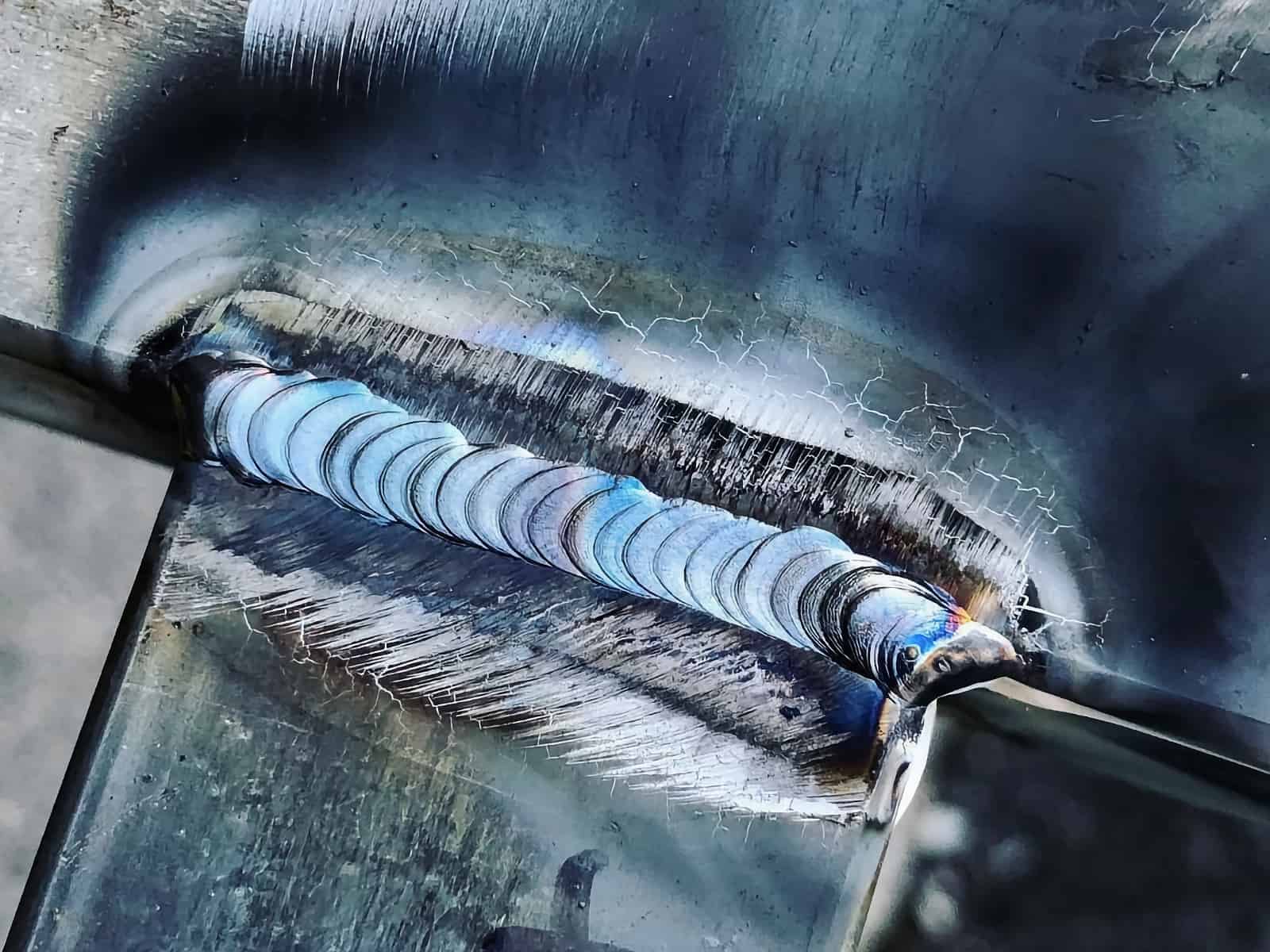
- Smooth, even bead with no holes or craters
- No cracks or burn-through
- Good penetration (weld fuses well with both pieces)
- No trapped slag or spatter
If you find problems, grind out the defect and weld again.
Simple Weld Inspection Checklist
- Did you remove enough zinc?
- Did you use proper PPE and ventilation?
- Are the welds smooth and strong?
- Did you restore rust protection?
Fix any issues before using the welded part.
Credit: blog.daihen-usa.com
Examples And Practical Tips
Welders often learn best by example. Here are some real-world tips:
Example 1: Welding A Galvanized Pipe
- Grind the coating 2 inches around the joint.
- Weld in 1-inch sections, letting fumes clear.
- Use a fume extractor and P100 mask.
- Spray with zinc-rich primer after cooling.
Example 2: Repairing A Galvanized Fence Panel
- Clamp the parts, grind both sides.
- Use MIG welding with ER70S-6 wire.
- Weld in short bursts.
- Recoat with cold galvanizing spray.
Practical Tips
- Always keep a window open and a fan blowing fumes away.
- Practice on scrap pieces before working on your project.
- Store your PPE and welding tools clean and dry.
- If you feel sick or dizzy, stop welding and get fresh air immediately.
Comparing Welding On Bare Steel Vs. Zinc Coated Steel
Many welders notice big differences between welding bare steel and zinc coated steel. This table shows the main differences:
| Feature | Bare Steel | Zinc Coated Steel |
|---|---|---|
| Preparation Needed | Wipe clean | Grind off zinc coating |
| Fume Risk | Low | High (toxic) |
| Weld Quality | Consistent | Porous if not cleaned |
| Post-Weld Protection | Paint or oil | Zinc spray required |
This shows why special care is needed for zinc coated steel.
Legal And Workplace Safety Rules
Many countries have strict rules for welding zinc coated steel. For example, the Occupational Safety and Health Administration (OSHA) in the United States requires employers to provide proper ventilation, PPE, and training. You should know the rules in your area and follow them.
- Workplaces must monitor air quality.
- Workers must wear approved respirators for zinc fumes.
- Employers must train welders about fume hazards.
For more details on workplace safety, see the guidelines at OSHA.
Advanced Welding Techniques
As you gain experience, you can use advanced methods to improve quality and safety.
Backing Bars
For thin steel, place a copper backing bar behind the weld. This prevents burn-through and absorbs extra heat.
Preheating
Preheat thick pieces to 150–200°C (300–400°F) to reduce cracking. Use a temperature stick or infrared thermometer.
Controlled Atmosphere
In factories, some welders use special booths with filtered air to reduce fume exposure. This is not practical at home but is common in large shops.
What Beginners Often Miss
Many new welders make these mistakes:
- Not removing enough zinc: Even a small amount left near the weld creates fumes and weak spots.
- Ignoring ventilation: A helmet and gloves are not enough. You must move fumes away from your face at all times.
- Welding too long in one go: Short, quick welds let fumes escape and metal cool. Long welds trap fumes and heat.
- Skipping post-weld protection: Bare steel rusts quickly. Always spray with zinc-rich paint after welding.
Common Questions And Myths
People often believe myths about welding zinc coated steel. Here are some facts:
- “Zinc fumes are not dangerous if you feel fine.” (Wrong. They harm your lungs even if you do not notice right away.)
- “A fan is enough for ventilation.” (Wrong. You need a fume extractor or full local exhaust system.)
- “You do not need to remove the coating if you weld fast.” (Wrong. Always remove zinc near the weld.)
Credit: weldguru.com
Repair And Maintenance After Welding
After welding, you must keep the steel protected to prevent rust and keep welds strong.
- Inspect welds every few months if used outdoors.
- Reapply zinc spray if scratches or rust appear.
- Keep records of repairs if used on safety-critical structures.
Proper aftercare extends the life of your work.
Frequently Asked Questions
What Is The Best Way To Remove Zinc Coating Before Welding?
The safest and most effective way is to use an angle grinder with a flap disc or wire wheel. Grind at least 2 inches (5 cm) around the weld area. Chemical methods work but are not recommended for beginners because acids are dangerous.
Can I Weld Galvanized Steel Without Removing The Zinc Coating?
It is possible but not safe or recommended. Leaving the zinc coating creates toxic fumes and weak, porous welds. Always remove the zinc near the weld.
What Should I Do If I Breathe In Zinc Fumes?
Leave the area and get fresh air immediately. Drink water and rest. If you feel sick (fever, chills, cough, nausea), seek medical help. Do not continue welding until you are fully recovered.
Is Tig Welding Better Than Mig Welding For Zinc Coated Steel?
TIG welding produces less fume and cleaner welds, but it is slower and needs more skill. MIG welding is faster and easier for most jobs. Both work well if you remove zinc and use proper safety steps.
Do I Need Special Training To Weld Zinc Coated Steel?
Yes, you should learn about the risks, PPE, and proper ventilation. Many employers require safety training before you weld galvanized steel. Always follow workplace rules and local safety laws.
Working with zinc coated steel brings unique risks and requires extra care, but you can weld it safely with the right methods. Always remove the zinc coating near the weld, use a respirator and good ventilation, and protect the cleaned steel after welding.
Never ignore the dangers of zinc fumes—even short jobs can make you sick. With practice and attention to safety, you will get strong, lasting welds without risking your health.