Disclosure: This post contains affiliate links and I will be compensated if you make a purchase after clicking through my links. Learn More
Welding high carbon steel is one of the toughest jobs in metalwork. If you try to weld it like mild steel, cracks can appear quickly—sometimes while you’re still working, and sometimes days later. This problem is common even for skilled welders. High carbon steels are everywhere: in tools, knives, springs, and automotive parts. If you want to get strong, safe welds on these materials, you need the right approach. This article will give you step-by-step instructions, practical advice, clear tables, and expert tips to help you weld high carbon steel without cracking.
What Is High Carbon Steel?
High carbon steel contains a higher amount of carbon than mild or low carbon steel. Usually, high carbon steel has between 0.6% and 1.0% carbon. The carbon gives the steel more strength and hardness, but it also makes the metal more brittle and harder to weld.
Some typical uses for high carbon steel include:
- Cutting tools (like chisels and knives)
- Springs
- High-strength wires
- Automotive and machinery parts
When you weld high carbon steel, you change its structure at a microscopic level. This can make the steel crack, especially if you don’t follow the right process.
Why High Carbon Steel Cracks When Welded
Cracking is the biggest problem when welding high carbon steel. To avoid it, you need to understand why it happens.
Causes Of Cracking
- Hardening in the Heat Affected Zone (HAZ)
- The area around the weld gets very hot, then cools quickly. This can form hard, brittle microstructures called martensite.
- High Internal Stresses
- When the weld and base metal cool at different rates, stress builds up. If the steel can’t bend or move, it cracks.
- Hydrogen Embrittlement
- Moisture in electrodes or the air adds hydrogen to the weld. Hydrogen makes steel more likely to crack.
- Improper Welding Techniques
- If you don’t use the right preheat, filler, or cooling methods, you increase the risk of cracks.
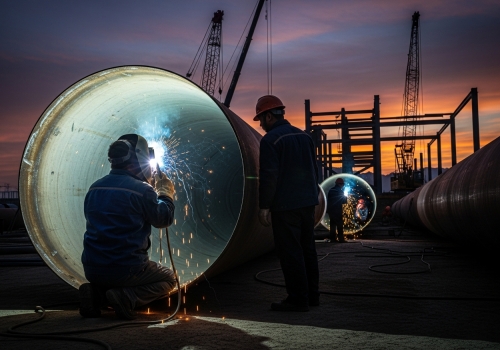
Types Of Cracks
- Hot cracks: Appear during cooling, often along the weld.
- Cold cracks: Show up hours or days after welding, usually in the heat-affected zone.
Credit: www.centerwaypipe.com
Key Properties Of High Carbon Steel
It’s important to know how high carbon steel behaves so you can weld it safely.
| Property | High Carbon Steel | Low Carbon Steel |
|---|---|---|
| Carbon Content | 0.6% – 1.0% | 0.05% – 0.30% |
| Hardness | Very High | Low |
| Ductility | Low | High |
| Weldability | Poor | Good |
| Common Uses | Tools, Springs | Sheet Metal, Pipes |
High carbon steel’s low ductility and high hardness make it more sensitive to the heat and stress of welding.
Preparing To Weld High Carbon Steel
Good results start with careful preparation. Skipping these steps almost always leads to cracking.
Identify The Steel
Know exactly what type of steel you have. Check the material certificate or use a spark test. High carbon steel sparks are bright and burst in many directions.
Clean The Metal
Remove all oil, dirt, paint, and rust. Use a wire brush, grinder, or chemical cleaner. Any dirt can trap hydrogen, increasing crack risk.
Choose The Right Welding Process
Some welding methods are safer for high carbon steel than others:
- Shielded Metal Arc Welding (SMAW): Common and works well if you use low-hydrogen rods.
- Gas Tungsten Arc Welding (GTAW/TIG): Gives good control and clean welds.
- Gas Metal Arc Welding (GMAW/MIG): Can be used, but control over heat input is less precise.
Select The Correct Filler Material
For high carbon steel, use a low hydrogen electrode. Choose a filler that matches or slightly under-matches the base metal’s strength. This helps absorb stress and reduces cracking risk.
Preheat The Metal
Preheating is one of the most important steps. It slows down cooling, reducing hardening and stress.
Recommended preheat temperatures:
- 0.6–0.8% carbon: 250°C – 350°C (482°F – 662°F)
- 0.8–1.0% carbon: 350°C – 400°C (662°F – 752°F)
Use a temperature stick or infrared thermometer to check the preheat.
Plan For Post-weld Heat Treatment
Post-weld heat treatment (PWHT) helps soften the steel after welding and relieve stress. You’ll need to plan for this before you start.
Step-by-step Guide To Welding High Carbon Steel Without Cracking
Welding high carbon steel safely requires you to follow a strict process. Each step helps prevent cracking.
1. Preheat The Steel
Heat the joint area and surrounding metal slowly and evenly. Use a torch, furnace, or electrical heater. Make sure the whole part reaches the target preheat temperature.
- Check with temperature crayons or infrared thermometer.
- Keep the steel at this temperature until you finish welding.
Non-obvious tip: Preheat not only the weld area but also a wide area around it. This spreads the heat and reduces sharp temperature changes.
2. Use Low Hydrogen Electrodes
Low hydrogen rods, such as E7018, are best. These stop hydrogen from entering the weld.
- Store electrodes in a dry oven.
- Only remove rods right before use.
If you use TIG or MIG, make sure your shielding gas is clean and dry.
3. Set The Correct Welding Parameters
Welding with too much heat can be as bad as too little. Use the lowest amperage and voltage that gives a good weld.
- Use short weld beads (no more than 2–3 inches at a time).
- Allow the metal to cool for a few seconds between welds.
Non-obvious tip: Stringer beads (straight lines) are safer than weaving, which can add too much heat.
4. Control The Cooling Rate
After welding, the steel must cool slowly. Fast cooling forms hard, brittle martensite.
- Cover the welded area with insulation, like a welding blanket or dry sand.
- Let the part cool down at a rate of about 50°C (122°F) per hour until it reaches 200°C (392°F).
- Don’t use water or forced air.
5. Apply Post-weld Heat Treatment
Once the metal has cooled to about 200°C (392°F), hold it at this temperature for 1–2 hours. This process is called tempering.
- Use a furnace or torch to keep the part at the tempering temperature.
- Allow the steel to cool to room temperature slowly, still covered.
If you skip post-weld heat treatment, the chances of cracking increase a lot.
6. Inspect The Weld
Look for any signs of surface cracks. Use dye penetrant or magnetic particle testing for deeper cracks.
If you find cracks, grind them out completely and repeat the welding and heat treatment process.
Best Practices For Welding High Carbon Steel
Follow these best practices to get strong, crack-free welds.
- Always preheat and post-heat: Never skip these steps, even for small parts.
- Use the right filler: Low hydrogen is a must.
- Short beads, slow cooling: These two steps are more important than welding speed.
- Keep everything dry: Moisture adds hydrogen, which causes cracks.
- Don’t overheat: Too much heat can also cause cracking and distortion.
- Grind sharp corners: Rounded edges help reduce stress.
- Clamp parts loosely: Allow some movement as the metal expands and contracts.
Comparing Welding Methods For High Carbon Steel
Some welding processes are safer and easier than others. Here’s a side-by-side comparison.
| Welding Process | Suitability for High Carbon Steel | Key Considerations |
|---|---|---|
| SMAW (Stick) | Good | Use low hydrogen electrodes; preheat required |
| TIG (GTAW) | Very Good | Excellent control; clean welds; preheat required |
| MIG (GMAW) | Moderate | Control heat input; use correct shielding gas |
| Oxy-Acetylene | Moderate | Good for small parts; hard to control on large jobs |
| Flux-Cored Arc Welding (FCAW) | Poor | High risk of cracks; hard to control hydrogen |
TIG welding is often the best choice for thin or critical parts, while stick welding works well for thicker sections.
Choosing The Right Filler Metal
The filler metal should match the base steel but be slightly softer or have less carbon. This allows the weld to absorb stress.
Good choices for high carbon steel include:
- E7018 (low hydrogen electrode for stick welding)
- ER70S-2 (for TIG and MIG, for steels up to 0.8% carbon)
Never use hardfacing or hard alloy rods unless you’re repairing a tool edge and know the risks.
Pro tip: For tool steels and very high carbon steels, sometimes a nickel-based filler is used. Nickel softens the weld and absorbs stress, reducing cracks.
Essential Preheating And Post-heating Equipment
Reliable temperature control is the key to safe welding. Here’s a comparison of preheating methods.
| Method | Accuracy | Best For |
|---|---|---|
| Oxy-acetylene torch | Moderate | Small jobs, spot preheating |
| Furnace | High | Even heating of large or complex parts |
| Electrical heating pads | Good | Flat or simple shapes, field work |
| Induction heaters | Very High | Precision work, tool steels |
Choose the method that matches your job size and budget. Always check temperatures with a thermometer or temperature crayons.
Common Mistakes And How To Avoid Them
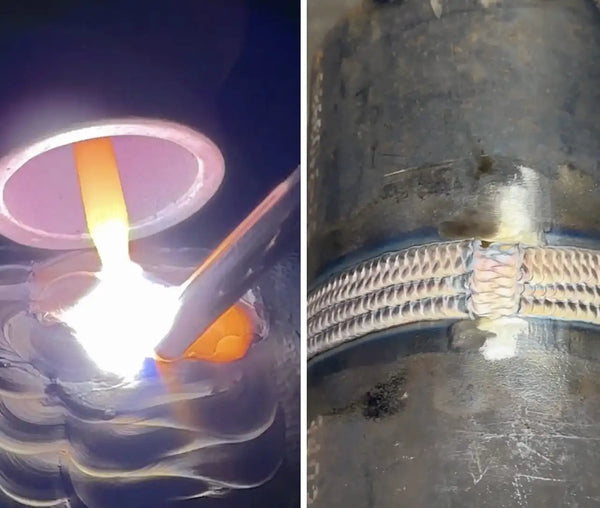
Welders often repeat the same errors when working with high carbon steel. Avoid these to keep your welds crack-free.
Skipping Preheat
Many beginners think small parts don’t need preheating. Even small welds can cause cracking, especially on thin sections.
Ignoring Post-weld Heat Treatment
Some believe slow cooling is enough. But without tempering, martensite can remain in the steel and cause delayed cracks.
Using The Wrong Filler
Filler that is too hard or strong can cause the weld to crack instead of bend under stress.
Welding Too Quickly
Fast welding creates more heat and stress in the metal. Take your time and let the metal cool between beads.
Poor Joint Design
Sharp corners or tight joints trap heat and stress. Use rounded shapes and small gaps to allow the metal to move.
Moisture In Electrodes Or Parts
Store electrodes in a dry oven and keep parts dry. Even small amounts of moisture can add enough hydrogen to cause cracking.
Credit: yeswelder.com
Repairing Cracks In High Carbon Steel Welds
If a crack appears, it’s not the end of the world, but you need to act fast.
- Stop welding immediately to prevent the crack from growing.
- Grind out the crack completely. Don’t just weld over it.
- Preheat the area as you would for a new weld.
- Re-weld using the correct technique (low hydrogen filler, short beads, slow cooling).
- Apply post-weld heat treatment again.
If cracks keep coming back, check your process for missed steps: preheat, filler, and cooling are usually the problem.
Real-world Examples
Example 1: Welding A Broken Chisel
A blacksmith needs to weld a broken tool steel chisel (about 0.9% carbon). He:
- Preheats the whole chisel to 350°C (662°F)
- Uses E7018 stick electrodes
- Welds short beads, allowing cooling between each
- Covers the tool with dry sand after welding
- Tempers at 200°C (392°F) for 2 hours
The weld holds, and the chisel works like new.
Example 2: Repairing A Spring
A mechanic needs to fix a broken automotive spring (0.7% carbon). He:
- Preheats the spring to 300°C (572°F)
- Uses TIG welding with ER70S-2 filler
- Welds slowly, checking temperature often
- Cools the spring under a welding blanket
- Applies a low-temperature temper to reduce brittleness
The spring is strong, with no visible cracks after weeks of use.
Expert Tips For Success
- Use a pyrometer or temp sticks to check heat, not just your hand.
- When in doubt, preheat a little more. Too little is more dangerous than too much.
- If welding tool steel, consider sending critical parts to a heat-treating shop for professional tempering.
- For thick sections, weld from both sides if possible—this balances stress.
- Keep a logbook of your welds, filler choices, and results. Patterns will help you improve.
Safety Precautions
High carbon steel welding uses high heat and can release fumes from coatings or oils. Protect yourself:
- Always wear a full welding helmet, gloves, and fire-resistant clothing.
- Work in a well-ventilated area or use a fume extractor.
- Check for gas leaks if using a torch or shielding gas.
- Handle hot parts with tongs or insulated gloves.
Troubleshooting Guide
If you see problems, use this quick guide:
- Crack appears right after welding: Check preheat and electrode type.
- Crack appears hours or days later: Check for hydrogen, moisture, and slow cooling.
- Porosity (holes in weld): Clean metal better, check shielding gas.
- Weld is too hard to grind: May have formed martensite; increase post-weld tempering time.
Advanced Techniques
For special jobs, advanced techniques can help:
- Butter Layer: Weld a thin, soft layer (like nickel or mild steel) on the high carbon part before the main weld. This layer absorbs stress.
- Peening: Lightly tap the weld bead with a hammer while it is still hot. This spreads the metal and reduces cracking.
- Weld Sequencing: Plan your welds to spread heat evenly, not all in one spot.
These methods require experience but can save difficult jobs.
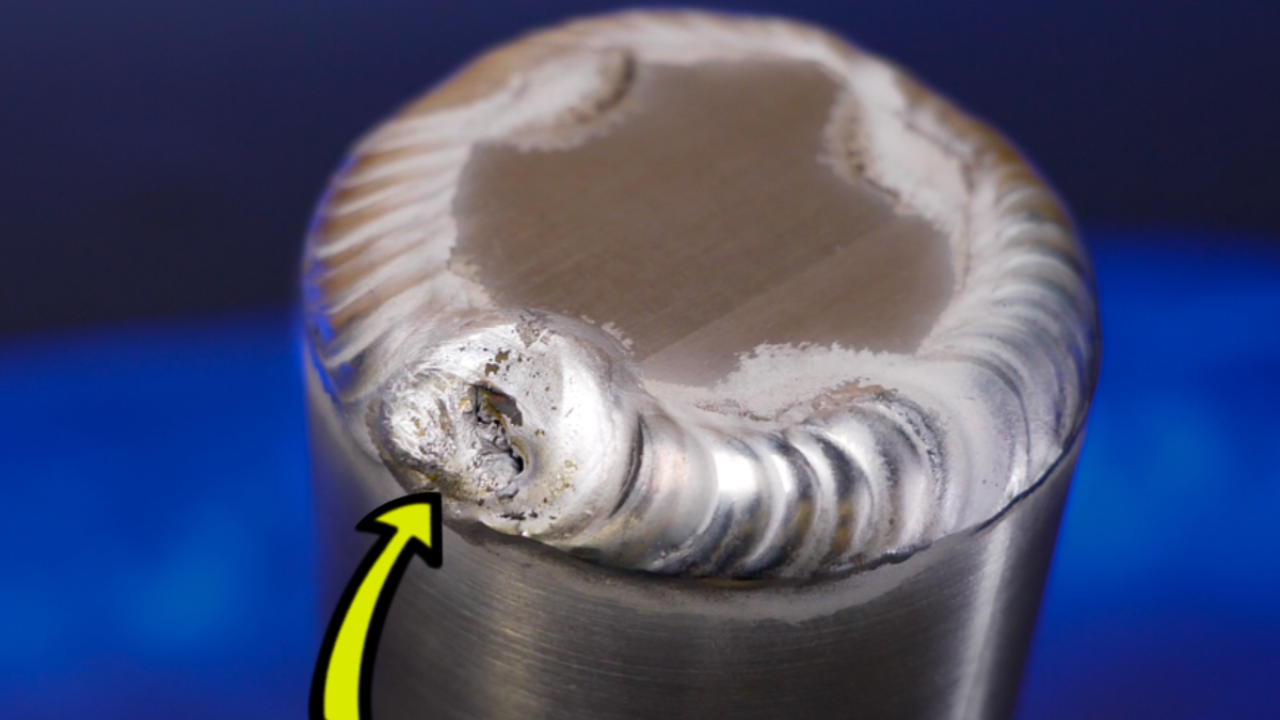
Credit: www.pacificarctigwelding.com
When To Avoid Welding High Carbon Steel
Some jobs are too risky for welding. Avoid welding if:
- The part is a critical safety item (like a brake spring).
- You can’t preheat or post-heat the part.
- The steel has more than 1.0% carbon (tool steels may need special processes).
In these cases, consider mechanical fastening, brazing, or replacing the part.
Where To Learn More
Welding high carbon steel takes practice. If you want deeper knowledge, read the welding codes from organizations like the American Welding Society (AWS) or check out the Welding Wikipedia page for more technical details.
Frequently Asked Questions
What Is The Main Reason High Carbon Steel Cracks When Welded?
High carbon steel cracks mostly because it forms hard, brittle structures when it cools too fast. The high carbon makes the steel less flexible, so internal stresses cause cracks.
Do I Always Need To Preheat High Carbon Steel Before Welding?
Yes, preheating is almost always required. It slows cooling, reduces stress, and helps prevent hard structures that lead to cracking.
Can I Weld High Carbon Steel With Normal Mig Wire?
It’s possible, but not recommended. Standard MIG wires usually contain more hydrogen and may not match the hardness of the steel. Use a low hydrogen wire and always preheat.
How Can I Tell If I Have High Carbon Steel?
Check the steel’s spark pattern: high carbon steel gives bright, branching sparks. You can also look at the part’s use—tools, springs, and knives are often high carbon. For certainty, use a material certificate or chemical test.
What Should I Do If I See A Crack After Welding?
Stop work. Grind out the crack completely, preheat the area, and re-weld with the right filler and technique. Apply post-weld heat treatment. If cracks keep returning, review your process for missed steps.
Welding high carbon steel without cracking is possible if you follow the right process. Take your time, prepare carefully, and always pay attention to the details. With practice and care, you can achieve strong, reliable welds on even the toughest steels.