Disclosure: This post contains affiliate links and I will be compensated if you make a purchase after clicking through my links. Learn More
Welding copper to steel is a tough job, even for skilled workers. Copper and steel react differently to heat, and their melting points are far apart. Many people avoid this process because they fear weak joints or failed welds. But with the right tools, methods, and safety steps, you can achieve a reliable and strong bond. This guide explains every step, from preparation to final inspection, so you can weld copper to steel with confidence—even if you are new to welding or speak English as a second language.
You will learn about the best welding methods, how to prepare your materials, and which filler metals work best. You will also find out how to avoid common mistakes that waste time and money. If you want strong, lasting joints and fewer problems, keep reading.
This article covers all you need to know.
Why Welding Copper To Steel Is Difficult
Welding copper to steel is not like joining two pieces of the same metal. Each metal has unique traits:
- Copper melts at about 1,085°C (1,984°F) and conducts heat very well.
- Steel melts at around 1,370–1,510°C (2,500–2,750°F), depending on the type, and holds heat longer.
These differences matter. Copper can pull heat away from the weld area, making it hard to reach the right temperature. The joint may cool too quickly, leading to cracks or weak spots.
Expansion and contraction also differ. As the metals heat and cool, they may pull apart or warp if not handled properly. The right filler metal and welding method are key to success.
Tools And Materials You Need
You must gather all tools and materials before you start. Missing even one item can slow you down or ruin your weld.
Tools
- Welding machine (TIG or MIG)
- Angle grinder (for cleaning)
- Wire brush (for surface prep)
- Clamps (to hold pieces in place)
- Protective gear (welding helmet, gloves, apron)
- Measuring tape
- Hammer (for minor adjustments)
- Welding table (stable, flat surface)
Materials
- Copper piece (sheet, rod, or plate)
- Steel piece (mild steel works best)
- Filler metal (often silicon bronze or nickel-based rods)
- Shielding gas (argon or argon/helium mix for TIG, CO2/argon for MIG)
- Solvent (acetone or alcohol for cleaning)
You may also need sandpaper and a small file for smoothing edges.
Choosing The Right Welding Method
Not all welding methods give good results for copper-to-steel joints. The two most common are TIG (Gas Tungsten Arc Welding) and MIG (Gas Metal Arc Welding).
| Method | Pros | Cons | Best For |
|---|---|---|---|
| TIG Welding | Precise, clean welds, good control | Slower, requires skill | Thin copper, detailed work |
| MIG Welding | Faster, easier for beginners | Less control, more spatter | Thicker pieces, large joints |
TIG welding is the top choice for most copper-to-steel jobs. It gives better control and cleaner welds. MIG welding works well for large or thick parts but is less precise.
Some try brazing or soldering instead of welding. These use lower temperatures and special filler metals. They do not melt the base metals, so they are better for small or delicate jobs.
Preparing The Work Area
A clean, safe workspace is essential. Good preparation helps avoid accidents and improves your weld quality.
- Pick a well-ventilated area. Fumes from welding copper and steel can be harmful.
- Clear your table of clutter.
- Keep a fire extinguisher nearby.
- Set up good lighting so you can see details.
- Plug in your welding machine and check all cables.
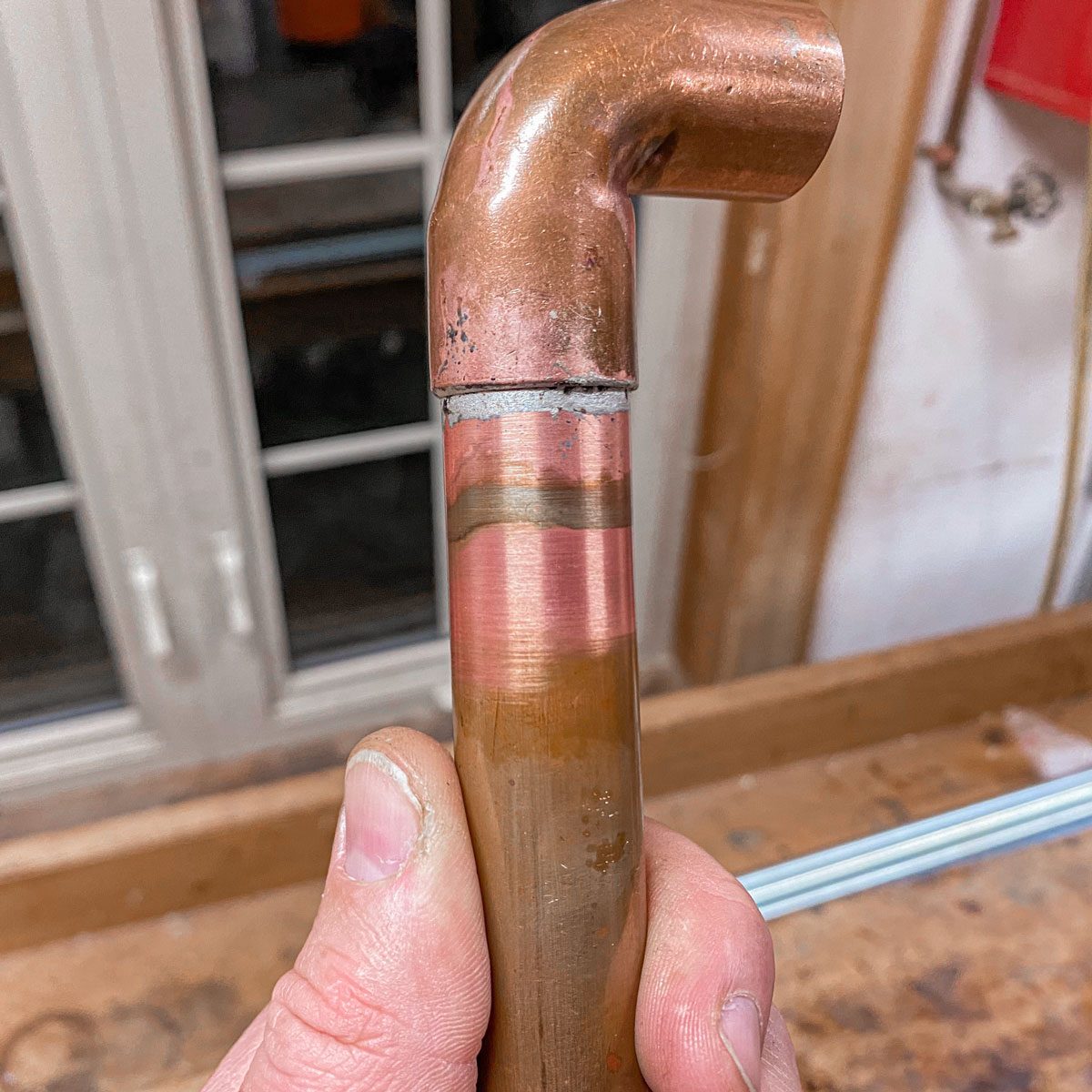
Credit: www.familyhandyman.com
Cleaning And Preparing The Metals
Proper cleaning is critical. Dirt, grease, or rust will ruin your weld. Even a small amount of oil can cause bubbles or weak spots.
- Remove grease or oil with acetone or alcohol. Wipe both copper and steel pieces.
- Use an angle grinder to remove surface rust from steel. Clean copper with a wire brush.
- Smooth edges with sandpaper or a file. Sharp or rough edges can cause uneven welds.
- Fit the pieces together as tightly as possible. Gaps make welding much harder.
- Clamp the metals to your table. They should not move during welding.
Experienced welders often mark the joint area with chalk. This helps you stay on the correct path.
Selecting The Right Filler Metal
Choosing the correct filler rod or wire is crucial. The filler must bond well to both copper and steel.
- Silicon bronze rods (AWS A5.7 ERCuSi-A) are popular. They flow well and resist cracking.
- Nickel-based rods also work, especially for high-stress joints.
- Some welders use phosphor bronze fillers, but these are less common.
Do not use pure copper or steel filler rods. They will not bond well and may crack.
Tip: Always match your filler rod to the job size and stress level. For heavy-duty work, choose nickel-based rods.
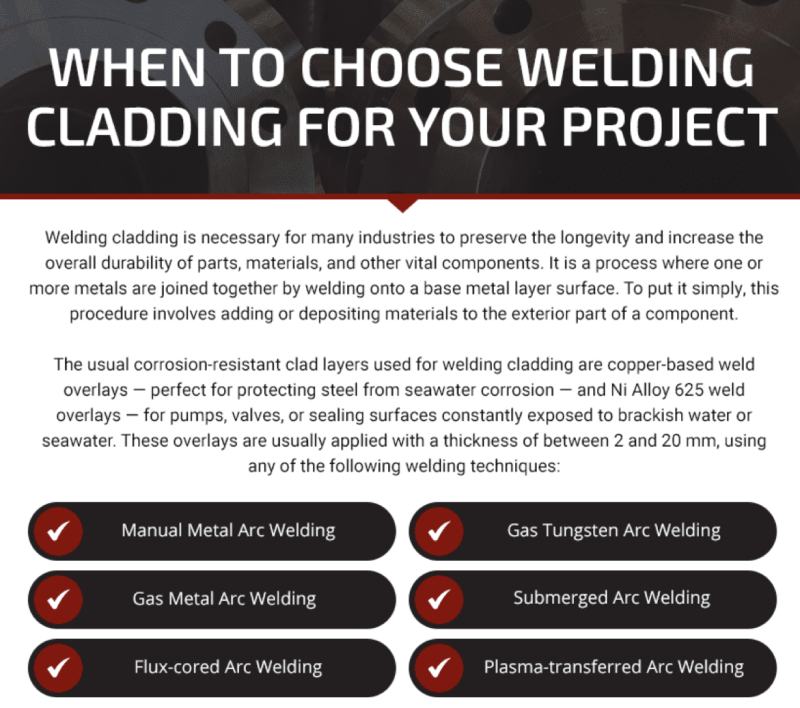
Credit: www.msmmfg.com
Setting Up The Welding Machine
The correct settings depend on your method and material thickness.
Tig Welding Settings
- Current type: DCEN (Direct Current Electrode Negative)
- Amperage: 80–130 amps for most jobs
- Shielding gas: Pure argon or argon/helium mix at 12–20 L/min
- Tungsten electrode: 2% thoriated, 1.6–2.4 mm diameter
Mig Welding Settings
- Wire type: Silicon bronze or nickel-based wire
- Voltage: 18–22 volts (adjust for thickness)
- Wire speed: Medium (consult your machine manual)
- Shielding gas: 75% argon, 25% CO2
Tip: Run a short test weld on scrap before starting on your real pieces.
Step-by-step Welding Process
Now you are ready to weld copper to steel. Follow these steps for the best results.
1. Align And Secure The Pieces
- Place copper and steel so their edges touch.
- Use clamps to hold the metals tight. They must not move during welding.
- Check alignment from above and from the side.
2. Tack Weld The Joint
- Weld a small spot at each end of the joint.
- This keeps the pieces in place.
- For TIG, use a short burst of heat and a little filler.
- For MIG, use a quick pull of the trigger.
Check that the metals did not shift. Adjust if needed.
3. Start Welding
- Begin at one end of the joint.
- Hold the torch at a 70–80 degree angle to the copper.
- Feed the filler rod into the joint as you move along.
- Use short, steady movements.
- Do not stay in one spot for too long—this can burn through the copper.
For TIG, keep your arc length short (2–3 mm). For MIG, keep the tip close but not touching the work.
4. Control Heat Input
- Copper draws heat away fast. You may need to increase your amperage or move slower.
- Watch for the color of the metals. Copper will turn dull red when hot enough.
- If the steel starts to melt before the copper, you are using too much heat.
Tip: Preheat the copper with a propane torch if you have problems. Bring it to 200–300°C (392–572°F) before welding. This helps balance the heat.
5. Add Filler Metal Carefully
- Do not add too much filler at once. This can create a lumpy or weak joint.
- Aim for a smooth, even bead.
- If the filler does not flow, increase the heat slightly or slow down.
6. Finish The Weld
- End the weld at the opposite tack spot.
- Lift the torch away slowly to avoid craters.
- Let the joint cool slowly. Fast cooling can cause cracks.
Tip: Do not quench the weld in water. This can cause stress and cracks. Let it air cool.
7. Inspect The Weld
- Look for cracks, holes, or uneven spots.
- The bead should be smooth and cover the joint fully.
- Tap the weld with a small hammer. A solid sound means a good bond.
If you find problems, grind out the defect and try again.
Common Mistakes And How To Avoid Them
Even skilled welders make mistakes. Here are common problems and how to fix them.
Porosity (holes In The Weld)
- Cause: Dirty metal, poor gas coverage, or too fast movement.
- Solution: Clean the metal better, check gas flow, slow down.
Cracking
- Cause: Cooling too fast, wrong filler rod, or too much heat.
- Solution: Use the right filler, let the weld cool slowly, avoid overheating.
Weak Joint
- Cause: Not enough filler, poor alignment, or cold lap (weld did not fuse both metals).
- Solution: Add more filler, clamp pieces tight, keep heat even.
Burn-through
- Cause: Too much heat, staying in one spot too long.
- Solution: Lower the amperage, move the torch faster.
Safety Tips For Welding Copper To Steel
Welding is always risky. Copper and steel make it even more so because of fumes and heat.
- Always wear a welding helmet with the correct shade lens.
- Use leather gloves and a heavy apron.
- Work in a space with good airflow.
- Do not touch hot metal with bare hands.
- Keep a fire extinguisher nearby.
- Never weld near flammable materials.
- Take breaks if you feel dizzy or light-headed.
Some copper alloys release toxic fumes. A simple fan is not enough—use proper ventilation or a fume extractor.
Testing The Strength Of Your Weld
It is smart to test your work before using it in a real project. A weak weld can fail and cause injury or damage.
Visual Inspection
- Look for a smooth, even bead without holes or cracks.
- The weld should blend into both metals.
Mechanical Test
- Try to bend or twist the joint by hand or with a tool.
- A good weld will not break or crack.
Penetrant Test
- Spray a dye penetrant on the weld.
- Wipe off the extra and apply developer.
- Cracks will show as bright lines.
Tip: Test on scrap metal first until you get good results.
Real-world Example
Suppose you want to attach a copper water pipe to a steel bracket for plumbing. The process is the same:
- Clean the pipe and bracket.
- Clamp them so they touch firmly.
- Use TIG welding with silicon bronze filler.
- Move the torch slowly along the joint, feeding the filler rod.
- Inspect the weld and test for leaks.
If done right, the joint will last for years and hold water pressure.
Table: Copper Vs. Steel Welding Properties
Here is a comparison of how copper and steel behave during welding.
| Property | Copper | Steel |
|---|---|---|
| Melting Point | 1,085°C (1,984°F) | 1,370–1,510°C (2,500–2,750°F) |
| Thermal Conductivity | High | Medium |
| Expansion Rate | High | Lower |
| Oxidation | Low | High |
| Preheat Needed | Sometimes | Rarely |
Table: Filler Rod Comparison For Copper To Steel
This table shows common filler rods and their uses.
| Filler Type | Main Use | Strength | Notes |
|---|---|---|---|
| Silicon Bronze | General welding | Medium | Good flow, resists cracking |
| Nickel-Based | High-stress joints | High | More expensive, best for thick pieces |
| Phosphor Bronze | Light-duty welds | Low | Not for structural use |
Two Insights Beginners Often Miss
Many new welders think that any filler rod will work. They do not realize that wrong filler can make the joint brittle or weak. Always use silicon bronze or nickel-based rods, not steel or copper-only rods.
Another common mistake is ignoring preheating. Because copper pulls heat away so fast, preheating the copper part is often the difference between a strong weld and a failed one. Use a propane torch to preheat large copper pieces, even if you do not think you need it.
Troubleshooting: Fixing A Bad Weld
Sometimes things go wrong. Here is how to fix common problems:
- If the weld cracks, grind out the crack and re-weld with lower heat and slower cooling.
- If the bead looks lumpy, grind it smooth and try again with less filler.
- If the metals do not bond, check your machine settings and filler rod.
Do not be afraid to cut out the bad section and start over. Safe, strong welds matter more than saving time.
Credit: www.muggyweld.com
Alternatives To Welding
Sometimes welding is not the best choice. Consider these other joining methods:
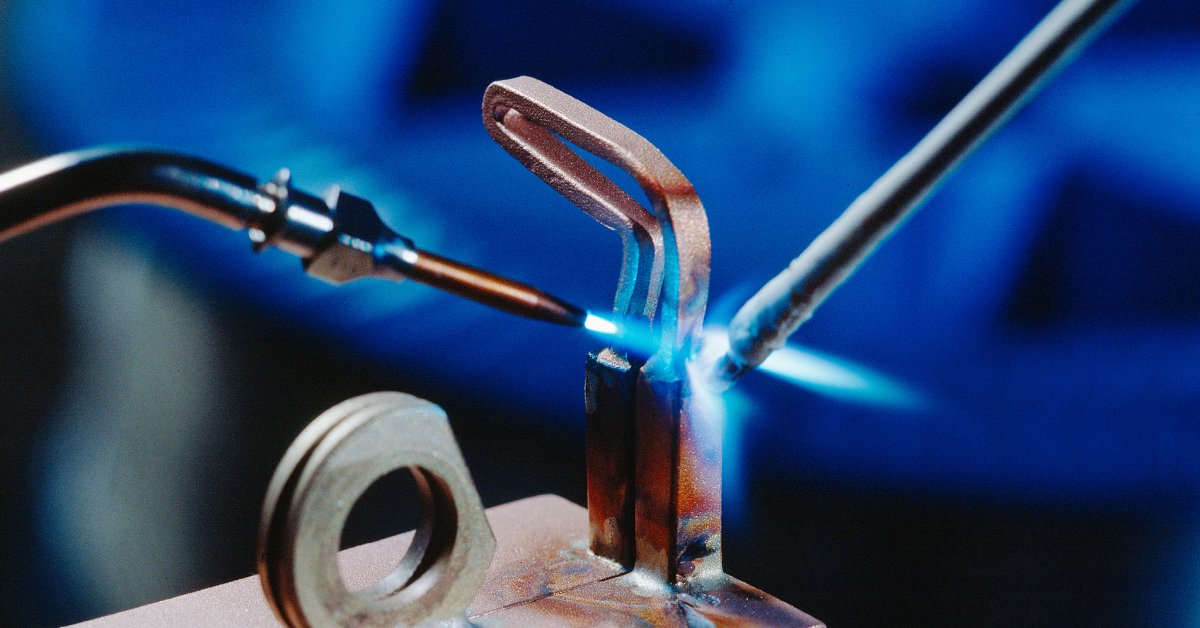
- Brazing: Uses a lower temperature and special brass or silver rods. Easier for thin or delicate parts.
- Soldering: Good for small jobs, electronics, or plumbing. Requires less heat.
- Mechanical fasteners: Bolts, screws, or rivets can join copper to steel if welding is not possible.
If you are unsure, try brazing first. It is easier and safer for beginners.
Maintenance And Care After Welding
A good weld lasts a long time, but you still need to check it now and then.
- Inspect the joint for cracks or rust every few months.
- Keep the area clean and dry.
- Paint or coat the weld if it will be exposed to moisture.
- Fix small problems early, before they get worse.
If the weld is part of a pressure system or carries fluids, check for leaks often.
Where To Learn More
Welding is a skill you build over time. Local trade schools or online courses can help you get better. For more technical details, you can visit Wikipedia’s Welding Page.
Frequently Asked Questions
What Is The Best Welding Method For Copper To Steel?
TIG welding is usually the best. It gives more control and cleaner welds. MIG welding also works for bigger jobs, but is less precise.
Which Filler Rod Should I Use To Join Copper To Steel?
Choose a silicon bronze or nickel-based filler rod. Do not use plain copper or steel rods, as they will not bond well and may crack.
Do I Need To Preheat Copper Before Welding?
Yes, for large or thick copper pieces, preheating with a torch helps balance the heat and prevents weak joints or cracks.
Can I Weld Copper To Stainless Steel?
Yes, but you need the right filler rod (nickel-based is best) and extra care with heat control.
Is Welding Copper To Steel Safe?
It is safe if you use good ventilation, proper protective gear, and follow all safety steps. Fumes can be dangerous, so never skip this.
Welding copper to steel takes practice and patience, but with the right approach, you can achieve strong, lasting joints. Respect the differences between the metals, use the correct filler, and always put safety first. This will help your projects succeed and keep you safe on the job.