Disclosure: This post contains affiliate links and I will be compensated if you make a purchase after clicking through my links. Learn More
Welding chrome moly steel is common in industries like motorsport, aviation, and construction. This material, known for its strength and heat resistance, is often used for roll cages, frames, and high-stress parts. But chrome moly steel—short for chromium-molybdenum steel—needs special care during welding.
If you rush or skip steps, you risk cracks or weak joints. Safety is also crucial because of fumes and heat. Many people make mistakes with this alloy, thinking it is like mild steel. In fact, it needs careful preparation and technique.
This guide explains how to weld chrome moly steel safely, from preparation to finishing. Whether you are new or have some experience, you’ll find clear steps and expert tips to help you get strong, safe welds.
What Is Chrome Moly Steel?
Chrome moly steel is an alloy that mixes chromium and molybdenum with steel. The most common type is 4130 steel, used in racing cars and aircraft. It is popular because it is strong yet lighter than many other steels. The chromium gives it some rust resistance. The molybdenum helps it handle high temperatures.
Here are key properties:
- High tensile strength (can handle high forces without breaking)
- Good toughness (absorbs energy without cracking)
- Heat resistance
- Some corrosion resistance
But these same features can make it tricky to weld. If you do not control heat, the metal can become brittle. It can also crack after cooling. Knowing how chrome moly reacts to heat will help you weld it safely and effectively.
Why Safety Is Essential
Welding chrome moly steel involves risks you cannot ignore. The main dangers are:
- Toxic fumes from burning chromium
- Eye and skin burns from UV light and hot metal
- Fire hazards from sparks
- Structural failure if the welds are weak
You must use the right safety gear and methods. Many beginners skip steps, thinking nothing will go wrong. But even a small mistake can lead to serious injury or a failed project. Understanding the risks is the first step to working safely.
Preparing To Weld Chrome Moly Steel
Preparation is more than just cleaning the metal. It is about making sure everything is ready for safe, strong welding.
1. Select The Right Equipment
The most common welding methods for chrome moly steel are TIG (Tungsten Inert Gas) and MIG (Metal Inert Gas). TIG is preferred for precision and high-quality welds. MIG is faster for larger jobs but less precise.
You will need:
- TIG or MIG welder (with adjustable settings)
- Filler rods (ER70S-2 or ER80S-D2 for 4130 steel)
- Argon gas (for shielding)
- Grinder or wire brush
- Temperature measuring tool (infrared thermometer or temp sticks)
2. Prepare The Welding Area
A safe welding area reduces accidents:
- Work in a space with good ventilation or use a fume extractor
- Remove flammable materials
- Use welding curtains to protect others from the arc flash
3. Clean The Steel
Clean metal helps prevent cracks and weak welds. Chrome moly steel often has a thin oxide layer. Remove it with a grinder or wire brush. Do not use harsh chemicals, as they can leave residues.
4. Fit Up And Tacking
Align your parts carefully. Hold them in place with tack welds before the final weld. This step keeps the steel from moving and reduces stress during welding.
5. Preheat The Metal
This is a step many beginners miss. Preheating helps prevent cracking. For thin tubes (less than 2mm), preheat to about 150°C (300°F). For thicker material, aim for 300°C (570°F). Use an infrared thermometer for accuracy.
Preheating helps the metal expand evenly. If you weld cold chrome moly, the area near the weld can cool too quickly and become brittle.
Choosing The Right Welding Process
You can weld chrome moly steel with several processes. Each has advantages and disadvantages.
Tig Welding
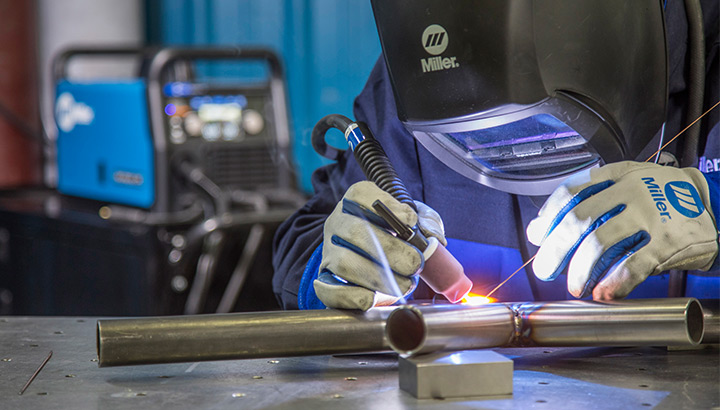
TIG is the most common choice for chrome moly. It allows precise heat control and creates clean, strong welds. You use a tungsten electrode and add filler rod by hand. Shielding gas (usually pure argon) protects the weld from air.
Pros:
- High-quality welds
- Good for thin sections
- Low spatter
Cons:
- Slower than MIG
- Needs skill
Mig Welding
MIG welding uses a wire fed through the gun. It is faster and easier for large sections. But it can introduce more heat and spatter, which is risky for chrome moly.
Pros:
- Fast
- Easier for beginners
- Good for thick material
Cons:
- Less precise
- More risk of overheating thin parts
Oxy-acetylene Welding
This older method uses a flame to melt the metal. It is less common today but still used for some tube frames in motorsport. It heats the metal slowly and evenly, which can help reduce cracking.
Stick Welding
Stick welding is not ideal for chrome moly steel because it is hard to control the heat and can create brittle welds.
Comparison Table: Welding Processes For Chrome Moly Steel
| Welding Process | Precision | Speed | Skill Level | Best For |
|---|---|---|---|---|
| TIG | High | Medium | Experienced | Thin parts, critical joints |
| MIG | Medium | High | Beginner | Thick parts, fast jobs |
| Oxy-Acetylene | Medium | Low | Experienced | Tube frames |
| Stick | Low | Medium | Beginner | Field repairs |
Setting Up Your Welder
For TIG welding, set the amperage based on material thickness:
- 1mm (0.04 in): 30–50 amps
- 2mm (0.08 in): 50–90 amps
- 3mm (0.12 in): 80–120 amps
Use a DC (Direct Current) electrode negative (DCEN) setting. Shield the weld with pure argon at 10–15 liters per minute.
If using MIG, match the wire to the base metal (ER70S-2 or similar). Set the voltage and wire speed based on thickness and run test welds on scrap first.
Welding Chrome Moly Steel: Step-by-step
Here’s a clear process for welding chrome moly steel safely and effectively.
1. Wear The Right Safety Gear
Protect yourself with:
- Welding helmet with proper shade (10 or higher)
- Flame-resistant gloves and jacket
- Respirator or fume extractor (chromium fumes are toxic)
- Safety glasses under the helmet
- Ear protection
2. Check Your Setup
Inspect cables, gas hoses, and connections for leaks or damage. Make sure your workpiece is grounded to prevent electric shock.
3. Preheat The Steel
Apply heat evenly with a torch. Check the temperature with a stick or infrared thermometer. Do not overheat—too much heat can damage the steel.
4. Start The Weld
For TIG, strike the arc and add filler rod as you move. Keep a tight arc length (2-3mm). For MIG, keep a steady hand and move at a constant speed.
5. Control The Heat
Move smoothly and avoid staying in one spot too long. Too much heat can cause the steel to lose strength and become brittle. If you see blue or purple colors on the metal, you may be overheating.
6. Back Purge (for Tubes)
When welding tubes or pipes, fill the inside with argon gas. This stops the inside from oxidizing and keeps the weld strong. It is especially important for aircraft and motorsport parts.
7. Avoid Weaving
For chrome moly, straight beads are better. Weaving can overheat the metal and create weak spots.
8. Watch For Cracks
Check your welds for any cracks or defects as you work. If you see small cracks, stop and fix them before moving on.
9. Post-heat And Cool Slowly
After welding, keep the steel warm for a few minutes. Some welders use a torch to gently heat the weld area. Let the metal cool slowly in still air. This helps prevent cracking.
10. Clean The Weld
Remove slag and oxide with a wire brush. Inspect the weld for any flaws.
Common Mistakes And How To Avoid Them
Many welders, even with experience, make mistakes with chrome moly steel. Here are the most common errors and how to avoid them.
Skipping Preheat
Some think preheat is not needed for thin material. But even thin chrome moly can crack if you skip this step. Always preheat, even for small parts.
Using The Wrong Filler Rod
Do not use stainless or mild steel filler. Use ER70S-2 or ER80S-D2 for 4130 chrome moly. The wrong rod can cause weak joints or cracking.
Overheating The Metal
Too much heat changes the steel structure. This makes it brittle. Use the lowest heat that still gives good penetration.
Not Purging Tubes
If you weld tubes without back purging, the inside oxidizes. This weakens the weld and can lead to failure under stress.
Ignoring Safety
Chrome moly fumes are hazardous. Always wear a respirator or use a fume extractor. Do not weld in closed spaces without ventilation.
Rushing The Cooling
Do not force-cool the metal with water or air. Fast cooling causes cracks. Let the steel cool naturally.
Filler Metal Choices
The filler rod you use is critical for weld strength. For 4130 chrome moly steel, the most common options are:
- ER70S-2: Lower strength than base metal but more flexible. Less likely to crack.
- ER80S-D2: Closer in strength to 4130 steel. Use for parts that need higher strength.
If you match the filler metal to the base metal exactly, the weld can become brittle. Many professionals use ER70S-2 for critical parts because it absorbs stress better.
Credit: www.millerwelds.com
Do You Need Post-weld Heat Treatment?
Post-weld heat treatment (PWHT) is a process where you heat the welded part after welding and then cool it slowly. This relieves stress and prevents cracks. For most motorsport and aircraft parts, PWHT is not always required if you control your weld and cooling.
But for very thick or high-stress parts, it is a good idea.
PWHT steps:
- Heat the part to 600°C (1100°F)
- Hold for 30–60 minutes per inch of thickness
- Cool slowly in still air
Inspecting Your Welds
Inspection is as important as welding itself. Here’s how you can check your work:
- Visual inspection: Look for cracks, holes, or uneven beads
- Dye penetrant testing: Spray dye on the weld, wipe it off, then spray developer. Cracks show up as colored lines.
- X-ray or ultrasonic: Used for critical parts in aviation or motorsport
Even if a weld looks good, it can still be weak inside. If in doubt, test on scrap first.
Credit: www.strangeengineering.net
Practical Tips From Experienced Welders
- Keep the work clean: Dirt, oil, and rust cause weak welds.
- Use short welds: Long welds can overheat the metal. Use several short beads if possible.
- Practice on scrap: Every batch of steel is a little different. Test your settings first.
- Keep filler rods clean and dry: Moisture can cause porosity in the weld.
- Check gas flow: Too little gas gives porous welds, too much can blow the shield away.
- Hold the torch at 15-20° angle: This gives better gas coverage and bead control.
Chrome Moly Vs. Mild Steel: What’s Different?
Chrome moly steel is not just “stronger mild steel. ” It behaves differently during welding.
| Property | Chrome Moly Steel | Mild Steel |
|---|---|---|
| Strength | High | Moderate |
| Weldability | Requires care | Very easy |
| Preheat required? | Yes | Rarely |
| Common uses | Race cars, aircraft | General fabrication |
| Post-weld treatment | Sometimes | Almost never |
Essential Safety Steps
Welding chrome moly steel creates risks beyond normal welding. Here’s how to protect yourself and others.
- Ventilation: Always work in an open area or use a fume extractor. Chromium fumes can cause lung problems.
- Personal Protective Equipment: Wear a helmet, gloves, fire-resistant clothing, and a respirator.
- Fire Safety: Keep a fire extinguisher close. Clear away anything flammable.
- First Aid: Know how to treat burns and eye injuries.
- Noise Protection: Welding can be loud. Use ear plugs if needed.
- Electrical Safety: Make sure your equipment is grounded and cables are intact.
A mistake many overlook: cleaning up after welding. Metal dust and slag can start fires or cause slips. Sweep your area after finishing.
Storing And Handling Chrome Moly Steel
How you store and handle your steel affects weld quality.
- Keep steel dry to avoid rust. Moisture can cause defects.
- Store filler rods in a sealed container.
- Handle tubes carefully to avoid dents, which are hard to weld.
- Cut parts with sharp, clean tools. Dull blades leave rough edges and can overheat the metal.
Real-world Example: Building A Race Car Roll Cage
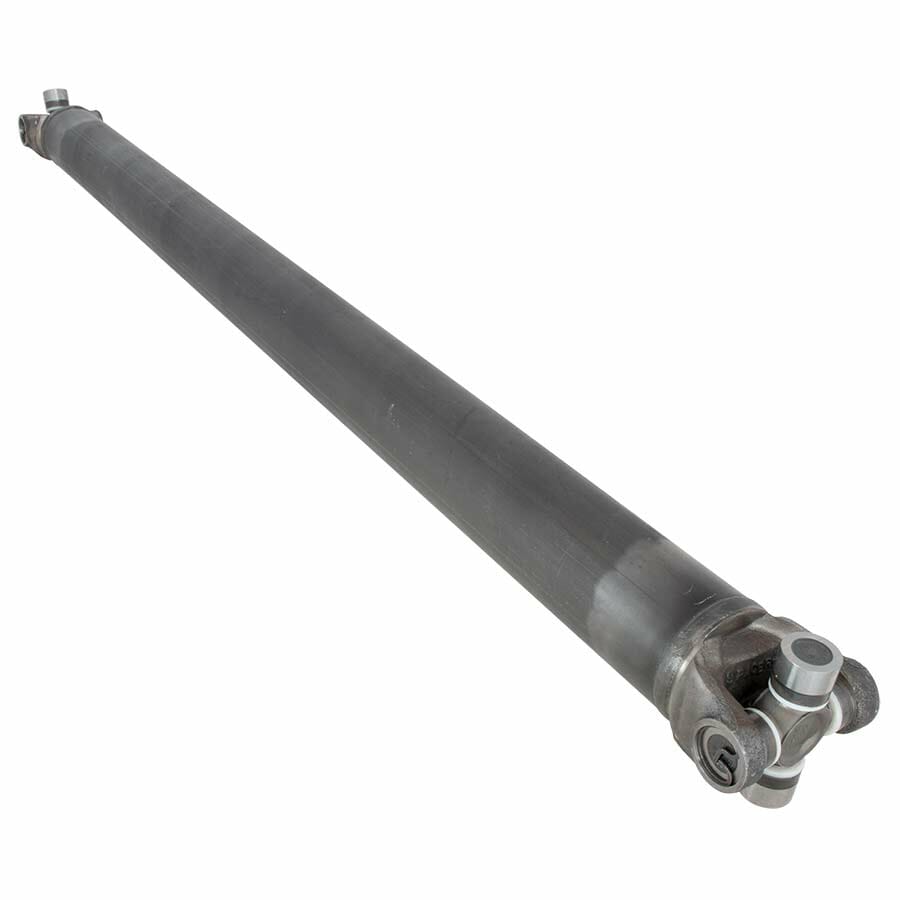
A roll cage for a racing car is often made from 4130 chrome moly steel. Here is how a professional might approach the job:
- Measure and cut tubes with minimal heat to avoid hardening the ends.
- Clean each tube inside and out.
- Preheat the ends before tacking the joints.
- TIG weld each joint, using back purging with argon for inside weld quality.
- Weld short sections at a time to prevent warping.
- After welding, inspect every joint with dye penetrant.
- Let the cage cool slowly before removing from the jig.
Many new builders skip back purging or preheat to save time, but this can lead to cracks during a crash. Professional builders never take these shortcuts.
Non-obvious Tips That Make A Difference
- Use temp sticks for preheat: These special crayons melt at certain temperatures, making it easy to check if your part is hot enough.
- Weld in a sequence: If you weld a full circle on a tube in one go, it can warp. Weld small sections across from each other to keep the shape.
- Keep a log of settings: Write down your welder settings for each type of joint. This saves time and ensures consistency for future projects.
Environmental And Legal Considerations
Some regions have laws about welding chromium alloys due to the fumes. Always check local rules for ventilation and waste disposal. Never pour welding waste or metal dust down the drain.
If you work in a shop, make sure to follow workplace safety rules. Many insurance companies require proof of safe welding practices for critical parts.
For more technical details and research, you can check the Wikipedia page on Chromoly Steel.
Frequently Asked Questions
What Is The Best Welding Process For Chrome Moly Steel?
TIG welding is the best choice for chrome moly steel, especially for thin materials and parts that need high strength and precision. TIG lets you control heat and use the right filler rod. MIG can be used for thicker sections but offers less control.
Do I Always Need To Preheat Chrome Moly Steel Before Welding?
Yes, preheating is important for almost all chrome moly welds. It helps prevent cracking by making sure the metal heats and cools evenly. Skipping preheat can cause brittle welds, especially for thicker or high-stress parts.
Is It Safe To Weld Chrome Moly Steel Indoors?
You can weld indoors if the area has good ventilation or you use a fume extractor. Chrome moly fumes can be toxic. Always wear a respirator and never weld in a closed space without airflow.
Can I Use Mild Steel Filler Rod For Chrome Moly?
No, using mild steel filler rod is not safe for chrome moly steel. It can cause weak, brittle welds. Use a filler rod like ER70S-2 or ER80S-D2 for best results.
Do I Need Post-weld Heat Treatment After Welding Chrome Moly?
Post-weld heat treatment helps relieve stress and prevent cracks, especially for thick or critical parts. For thin parts or roll cages, it is often not required if you preheat and cool slowly. Always check your project requirements.
Welding chrome moly steel takes skill and care, but with the right steps, you can achieve strong, safe results. Take your time, follow safety rules, and practice on scrap before starting your main project. Good preparation and attention to detail make all the difference for high-quality chrome moly welds.

Credit: www.youtube.com