Disclosure: This post contains affiliate links and I will be compensated if you make a purchase after clicking through my links. Learn More
Starting a welding side job from home can change your income and boost your skills. Many people want to earn extra money but are not sure how to begin. Welding is a practical trade with real demand. Many homeowners, small businesses, and hobbyists need custom metal work, repairs, and creative projects.
You do not need to rent a shop or buy expensive equipment to get started. With the right plan, you can work from your garage or backyard and offer valuable services in your area.
This article will give you clear steps to start welding side jobs from home. You will learn about the tools you need, what services you can offer, safety tips, legal requirements, marketing ideas, and common mistakes to avoid. You will also see real examples and practical advice, so you can make smart decisions and avoid wasting time and money.
Why Start A Welding Side Job From Home?
Welding jobs at home offer real benefits. You control your schedule and workload. You can work evenings, weekends, or whenever you have free time. Many welders start small, then grow their business as they get more clients. Home welding jobs can bring in from $200 to $1,000 per month, depending on your skills, the services you offer, and the time you invest.
Demand for welding is stable in many communities. People need help with gates, fences, trailers, furniture, art, and repairs. Most welding tasks are too small for big shops but too complex for DIY. This gap creates good side job opportunities for skilled welders.
You do not need a big investment to start. Many people begin with a used welder, basic tools, and a small work area. If you already have some welding skills, starting at home is low risk.
Who Should Consider Home Welding Side Jobs?
Home welding side jobs fit many people. If you have basic welding skills, some free time, and a small space, you can start. These jobs are good for:
- Tradespeople who want extra income
- Hobby welders with garage space
- Retired workers with welding experience
- Students studying welding
- Farmers or DIYers with the right equipment
You do not need to be a professional welder to begin. Many customers want simple repairs, art, or light fabrication. As you get more experience, you can tackle bigger projects.

Credit: www.youtube.com
What Welding Services Can You Offer From Home?
Your service list depends on your skills, tools, and space. Here are services most home welders can offer:
- Gate and fence repair — Fix broken metal gates or fence panels for homeowners and landlords.
- Trailer repair and modification — Weld broken trailer hitches, frames, or install custom racks.
- Custom metal furniture — Build tables, benches, shelves, or racks for homes and small offices.
- Metal art — Create sculptures, signs, or yard art for craft fairs and local buyers.
- Grill and smoker repair/building — Repair old BBQ grills or make custom smokers for outdoor cooks.
- Automotive welding — Fix car frames, exhaust pipes, or small body parts (with proper ventilation).
- Handrail and stair rail fabrication — Weld or repair handrails for homes and small businesses.
- Lawn and garden equipment repair — Mend broken mower decks, shovels, or wheelbarrows.
- Tool repair — Fix handles, brackets, or metal tools for neighbors and local businesses.
- Custom brackets and mounts — Make small metal parts for garages, bikes, or household uses.
Tip: Focus on services that match your skill level and equipment. Specialize in 2–3 types of jobs at first. This makes marketing easier and builds your reputation faster.
What Skills Do You Need To Start?
You need basic welding skills to start. Most home side jobs use MIG or stick welding. TIG welding is useful for thin metals and small details but is harder to learn. You should know how to:
- Set up and adjust your welder
- Clean and prepare metal for welding
- Make strong, clean welds
- Read simple drawings or plans
Non-obvious insight: Many new welders focus too much on fancy techniques. Most customers want strong welds that last, not perfect-looking beads. Reliability matters more than beauty for repairs and simple projects.
You also need basic measuring and cutting skills. Mistakes in measurement waste time and materials. Practice with a tape measure, angle grinder, and saw before taking paid jobs.
What Equipment And Tools Do You Need?
You do not need every tool to start home welding jobs. Begin with the basics, then add more as your business grows.
| Essential Equipment | Purpose | Approximate Cost (USD) |
|---|---|---|
| MIG or Stick Welder | Main welding tool for most jobs | $300–$700 (used/new) |
| Angle Grinder | Cutting and cleaning metal | $40–$120 |
| Welding Helmet | Eye and face protection | $40–$150 |
| Basic Hand Tools | Measuring, marking, clamping | $50–$150 |
| Protective Gear | Gloves, jacket, boots | $60–$200 |
| Fire Extinguisher | Safety for home and garage | $20–$50 |
You can add more tools as you grow, such as a chop saw, drill press, or TIG welder. Start with used tools if your budget is tight. Many welders find good deals at auctions, online marketplaces, or local shops.
Non-obvious insight: Good clamps and a sturdy workbench make welding much easier and safer. Do not ignore small tools—they save time and improve your results.
Setting Up Your Home Welding Workspace
Your workspace does not need to be large, but it must be safe and organized. Most people use a garage, shed, or a covered outdoor area. Here are key steps for setting up your space:
- Clear out flammable materials. Remove cardboard, papers, and chemicals from the area.
- Set up good ventilation. Welding fumes are unhealthy. Work with open doors, windows, or a fan.
- Use a heavy workbench. A metal or thick wooden bench works best for welding and grinding.
- Install good lighting. Bright lights help you see welds and avoid mistakes.
- Keep tools within reach. Store clamps, grinders, and gear nearby for quick access.
- Have a fire extinguisher ready. Fires can start fast during welding.
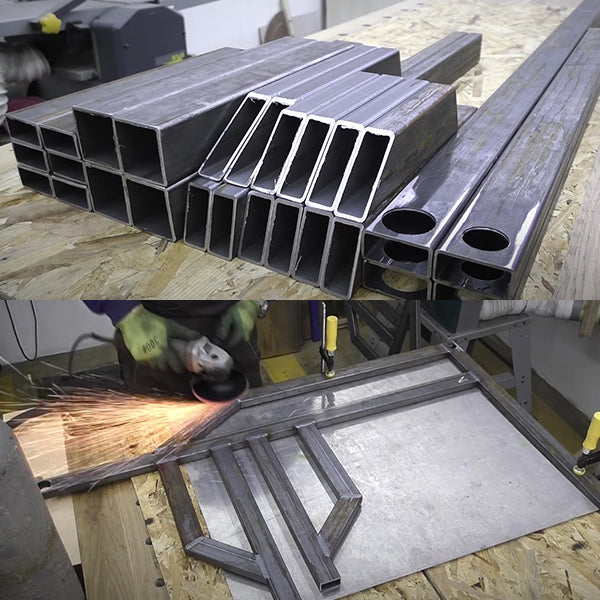
Example: Mark, a hobby welder, turned half his garage into a welding area with a simple steel table, two clamps, and a fan for airflow. He does small repairs and earns $400/month without leaving home.
Credit: yeswelder.com
Legal And Safety Requirements
Many people skip legal steps and face fines or safety risks later. Always check local rules before starting home welding jobs.
Permits And Zoning
- Check if your city or county allows home welding businesses. Some areas restrict commercial work at home.
- You may need a home occupation permit. Fees are usually low ($25–$100).
- Do not annoy neighbors. Control noise and smoke to avoid complaints.
Insurance
- Basic liability insurance protects you if someone gets hurt or property is damaged.
- Some customers require proof of insurance before hiring you.
- Insurance costs can range from $200–$600/year for part-time welders.
Taxes
- Track your income and expenses for tax time.
- You may need to collect sales tax on some jobs, depending on your state or country.
- Consider talking to a small business accountant for advice.
Safety
- Wear all required protective gear (helmet, gloves, jacket).
- Keep your area clean and well-ventilated.
- Do not weld near children or pets.
- Use a fire extinguisher and keep water nearby.
Practical tip: Some welders ignore permits and insurance, but this is risky. One accident or neighbor complaint can cost you much more than the permit fee.
How To Price Your Welding Services
Setting the right price is key to making money and keeping customers happy. Start with these steps:
- Estimate material costs. List every part, metal piece, and supply you will use.
- Calculate your time. Decide how many hours the job will take and what your hourly rate should be.
- Add overhead. Include electricity, gas, wear on tools, and other small costs.
- Check local prices. Call other welders and see what they charge for similar work.
- Set a fair profit. Add 20–30% above your costs to earn a profit.
Example pricing for common jobs:
| Service | Typical Price (USD) | Time Required |
|---|---|---|
| Gate Repair | $60–$150 | 1–2 hours |
| Trailer Hitch Weld | $80–$200 | 2–3 hours |
| Custom Metal Shelf | $120–$300 | 3–6 hours |
| Small Sculpture | $100–$500 | 4–10 hours |
Non-obvious insight: Many new welders undercharge because they forget to count their time and tool costs. This leads to burnout and little profit. Always price for your time and skills.
How To Find Your First Customers
You do not need a big ad budget to find customers. Most home welders get jobs from friends, neighbors, and local referrals. Try these methods:
- Tell friends and family. Most people know someone who needs welding help.
- Post on local groups. Join Facebook groups, Nextdoor, or community forums.
- Print simple flyers. Place them at hardware stores, feed stores, or coffee shops.
- Offer a discount for first jobs. This helps get your name out and builds trust.
- Share photos of your work. Use social media to show before/after pictures.
Example: Sarah posted her first weld repair job on a local Facebook group. She got three messages in one day and booked her first customer that week.
Building Trust With Customers
- Show up on time and finish jobs as promised.
- Be honest about your skills and limits.
- Give clear prices before starting each job.
- Offer a simple warranty (for example, “Repairs are guaranteed for 30 days”).
Small acts of trust build a good reputation and lead to more work.
Marketing Your Welding Side Business
Once you finish your first few jobs, you can start simple marketing to grow your side business.
Easy Marketing Ideas
- Create a Facebook page for your business. Post photos and updates.
- Ask for reviews from happy customers.
- Join local business groups or online directories.
- Make a basic website with your services, prices, and contact info.
- Partner with local repair shops or handyman services. They can refer small welding jobs to you.
What Works Best For Welders
Word-of-mouth is the most powerful tool. People trust personal recommendations. Focus on doing good work and being reliable—happy customers will tell others.
Non-obvious insight: Many welders waste time on paid ads before building a base of loyal customers. Invest in quality and service first; the business will grow naturally.
If you want more marketing ideas, see the U.S. Small Business Administration for free resources.

Credit: www.arccaptain.com
Common Mistakes To Avoid
Even skilled welders make errors when starting side jobs. Avoid these pitfalls:
- Ignoring local rules. Working without permits or insurance can cause fines or shutdowns.
- Overpromising. Taking jobs above your skill level leads to unhappy customers and stress.
- Poor workspace setup. Clutter and bad ventilation create safety risks and slow you down.
- Undercharging. Forgetting to count your time and costs leads to burnout.
- Skipping safety gear. One injury can end your side business quickly.
- Not tracking income/expenses. This causes tax trouble and makes it hard to see if you’re making money.
- Relying only on friends/family. Expand your network for steady work.
- Ignoring feedback. Listen to customer complaints and improve your service.
Practical tip: Start small, fix mistakes early, and ask for feedback. This builds confidence and avoids big losses.
How To Grow Your Home Welding Side Business
After a few months, you may want to earn more or take on bigger projects. Here’s how you can grow:
- Expand your services. Learn TIG welding, plasma cutting, or powder coating.
- Buy better tools. Upgrade to a larger welder, saws, or a welding cart.
- Hire a helper. If you get too busy, find a skilled friend or part-time worker.
- Partner with contractors. Offer your services to builders or landscapers.
- Join craft fairs or markets. Sell metal art or custom furniture to new customers.
Growth should be slow and steady. Do not invest in expensive equipment until you have regular customers and know what services are most popular.
Non-obvious insight: Some welders find their best income from teaching welding skills to others—small classes or private lessons in their garage.
Real Examples: Home Welders Who Succeed
Hearing about real people helps. Here are two simple examples of home welders who started small and grew their side job:
Example 1: Mike The Trailer Repair Specialist
Mike worked as a truck driver and welded in his spare time. He fixed broken trailer hitches and farm equipment for neighbors on weekends. After a few months, he made $600/month. He bought a better welder and added small fabrication jobs.
Now, he works part-time and gets steady referrals from local businesses.
Example 2: Anna The Metal Art Maker
Anna loved making garden art in her shed. She posted photos on Instagram and joined local craft fairs. People started ordering custom pieces for gifts. She now earns $400–$1,000/month and teaches basic welding to hobbyists in her area.
Both started simple, focused on their strengths, and grew by word of mouth.
Frequently Asked Questions
How Much Can I Earn From Home Welding Side Jobs?
Most part-time home welders earn $200–$1,000 per month. Your income depends on your skills, the types of jobs you take, and how much time you work. Some jobs, like custom art or repairs, pay more per hour than bulk or large projects.
Do I Need A Welding License To Start Side Jobs At Home?
In most areas, you do not need a license for small welding jobs or repairs at home. But you should check local rules for permits and business registration. Some cities require a simple home occupation permit. If you do structural or big commercial jobs, licensing rules may be stricter.
What Is The Best Welder For Beginners Starting At Home?
A MIG welder is easiest for beginners. It works on most metals, is easy to learn, and does not cost too much. Stick welders are good for outdoor work and thicker metal. If you plan to do thin or detailed work, a TIG welder is better but harder to use.
How Do I Stay Safe When Welding At Home?
Wear all protective gear—helmet, gloves, jacket, and boots. Work in a clean, open area with good ventilation. Keep a fire extinguisher nearby. Do not weld near flammable items, children, or pets. Always check your gear before use.
Can I Turn A Home Welding Side Job Into A Full-time Business?
Yes, many people grow their side jobs into full-time welding businesses. The key is to build a steady client base, offer reliable services, and invest in better tools as you grow. Some welders also offer classes or expand into metal fabrication for larger profits.
Starting welding side jobs from home is one of the simplest ways to use your hands and earn extra income. With careful planning, safe work habits, and a focus on quality, you can build a side business that pays real rewards and helps your community.