Disclosure: This post contains affiliate links and I will be compensated if you make a purchase after clicking through my links. Learn More
Setting up a welder safely in a garage workshop is an important job for anyone who works with metal at home. Welding is a useful skill, but it brings risks that many people overlook. A small mistake can cause injuries, fires, or damage to your garage and tools.
Careful planning and clear steps help you avoid these problems. This guide explains every part of setting up a welder safely in your garage, even if you are new to welding. It covers choosing the right welder, preparing your space, handling electricity, setting up ventilation, and using safety equipment.
You will also learn about common mistakes, tips that make your work easier, and how to keep your workshop safe every day. By following this guide, you can weld with more confidence and reduce the risk of accidents in your garage.
Choosing The Right Welder For Your Garage
The first step is selecting a welder that fits your needs and garage space. Not every welder is right for a small workshop. Consider these types:
- MIG welders are popular for beginners. They use a wire that feeds automatically, making them easier to control. MIG welding works well for most garage projects like car repairs or making metal shelves.
- TIG welders offer more control and create neat welds. They are good for thin metals and detailed work, but they need more skill and practice.
- Stick welders are tough and work well on rusty or dirty metals. They are good for outdoor jobs but make more smoke and sparks.
Think about the power your garage can provide. Many home garages have standard 120V outlets. Some welders need 240V, which may require electrical changes. Also, check the duty cycle. This number shows how long the welder can run before it needs to cool down. For short jobs, a low duty cycle is fine. For longer work, choose a welder with a higher duty cycle.
Compare the main types using the table below:
| Welder Type | Best For | Skill Level | Power Needed | Typical Uses |
|---|---|---|---|---|
| MIG | General garage work | Beginner | 120V/240V | Car repairs, frames |
| TIG | Thin/detailed metal | Advanced | 240V | Stainless, aluminum |
| Stick | Heavy, outdoor jobs | Intermediate | 120V/240V | Gates, thick steel |
Non-obvious insight: Make sure your welder can handle the thickest metal you plan to weld. Many beginners buy a small welder and find it cannot join car frames or thick steel.
Non-obvious insight: Some welders have built-in safety features like thermal overload protection. These features help prevent overheating but are not always present in cheaper models.
Preparing Your Garage Workshop
A safe welding setup starts with a clean and organized garage. Keep these points in mind:
- Clear the area. Move all flammable materials, like paint, gasoline, and wood, away from your welding space. Sparks can travel far and start fires.
- Choose a flat surface. Welding on a stable, flat table reduces the risk of accidents. Use a metal table if possible. Wood tables can catch fire.
- Organize your tools. Keep welding tools, clamps, and brushes within easy reach. Store cables neatly to prevent tripping.
- Create a safe zone. Mark a space for welding that is at least 10 feet from cars, storage shelves, and other equipment.
Many people forget to check for overhead hazards. Make sure there are no hanging wires, curtains, or storage above your work area. Sparks can go up as well as out.
Tip: Lay down a welding blanket or fireproof mat under your work area. These mats stop sparks from burning your floor.
Electrical Safety For Welding In A Garage
Welders use a lot of electricity, and poor wiring is a leading cause of garage fires. Before you plug in your welder:
- Inspect your outlets. Check that your outlets and wiring can handle the welder’s power draw. A standard 120V outlet supports most small welders, but larger units need 240V.
- Check the circuit breaker. Find out which breaker controls the outlet. Make sure it matches the welder’s requirements (for example, a 20A breaker for a welder that draws 15A).
- Use the right extension cord. If you need an extension cord, choose one that is thick (low gauge) and rated for welding. Thin cords overheat and cause fires.
- Ground your welder. A good ground connection protects you from shocks. Most welders have a ground clamp—attach it directly to your metal work table or the piece you are welding.
- Never weld near water. Water increases the risk of electric shock.
If you are unsure about your garage’s wiring, ask a licensed electrician to check it. Do not guess with electricity.
Practical example: If your welder draws 30 amps and your outlet is rated for 15 amps, you risk tripping the breaker or melting the wires. Upgrade the outlet or use a smaller welder.
Setting Up Ventilation
Welding creates fumes and gases that can harm your lungs. Good ventilation is not optional—it is a must. Here is how to set it up:
- Open garage doors and windows. Airflow helps push fumes out.
- Use a fan. Place a fan behind you to blow fumes away from your face and toward an open door or window.
- Install a fume extractor. These machines pull smoke and gases away from your work area. They are best for frequent welding.
- Avoid welding in closed garages. Never weld with all doors and windows shut, even for a short job.
Some metals, like galvanized steel, make toxic fumes. If you smell a sweet or strong odor, stop welding and increase ventilation.
Common mistake: Many beginners weld with the garage door closed in winter. This traps fumes and increases health risks.
Fire Safety In The Garage
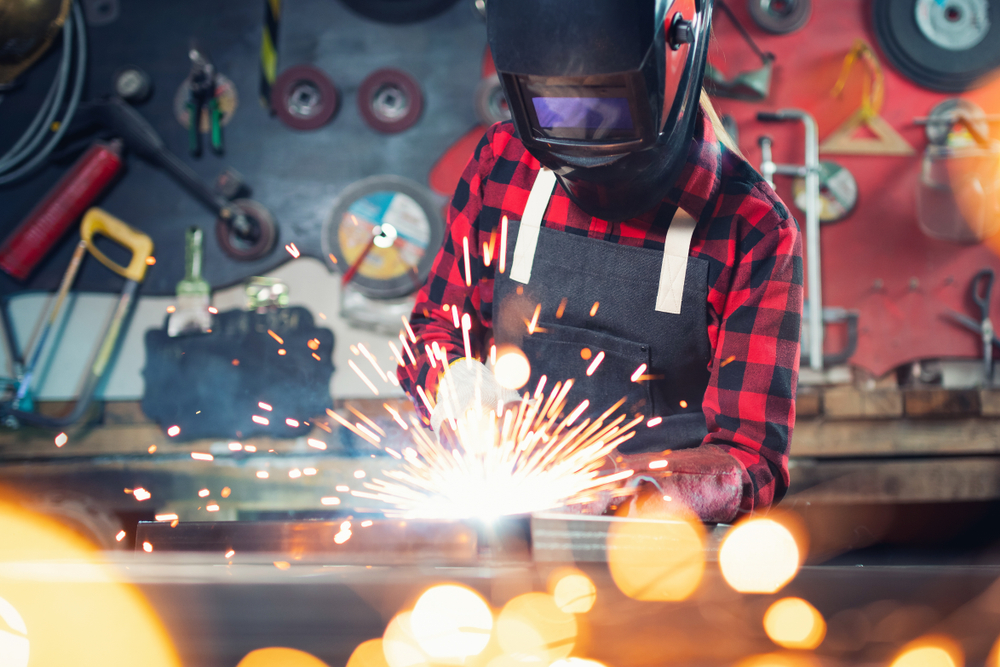
Welding sparks can cause fires in seconds. Take these steps before you start:
- Keep a fire extinguisher close to your work area. Choose one rated for electrical and flammable liquid fires (Class ABC).
- Remove flammable items. This includes oil, paper, cardboard, and sawdust. Sparks can fly up to 35 feet.
- Have a fire watch. If possible, ask someone to watch for fires while you weld. If you work alone, check the area for 30 minutes after you finish.
- Install a smoke alarm in your garage.
Pro tip: Put a bucket of sand nearby. Sand can smother small fires quickly and does not conduct electricity.
Personal Protective Equipment (ppe) For Welding
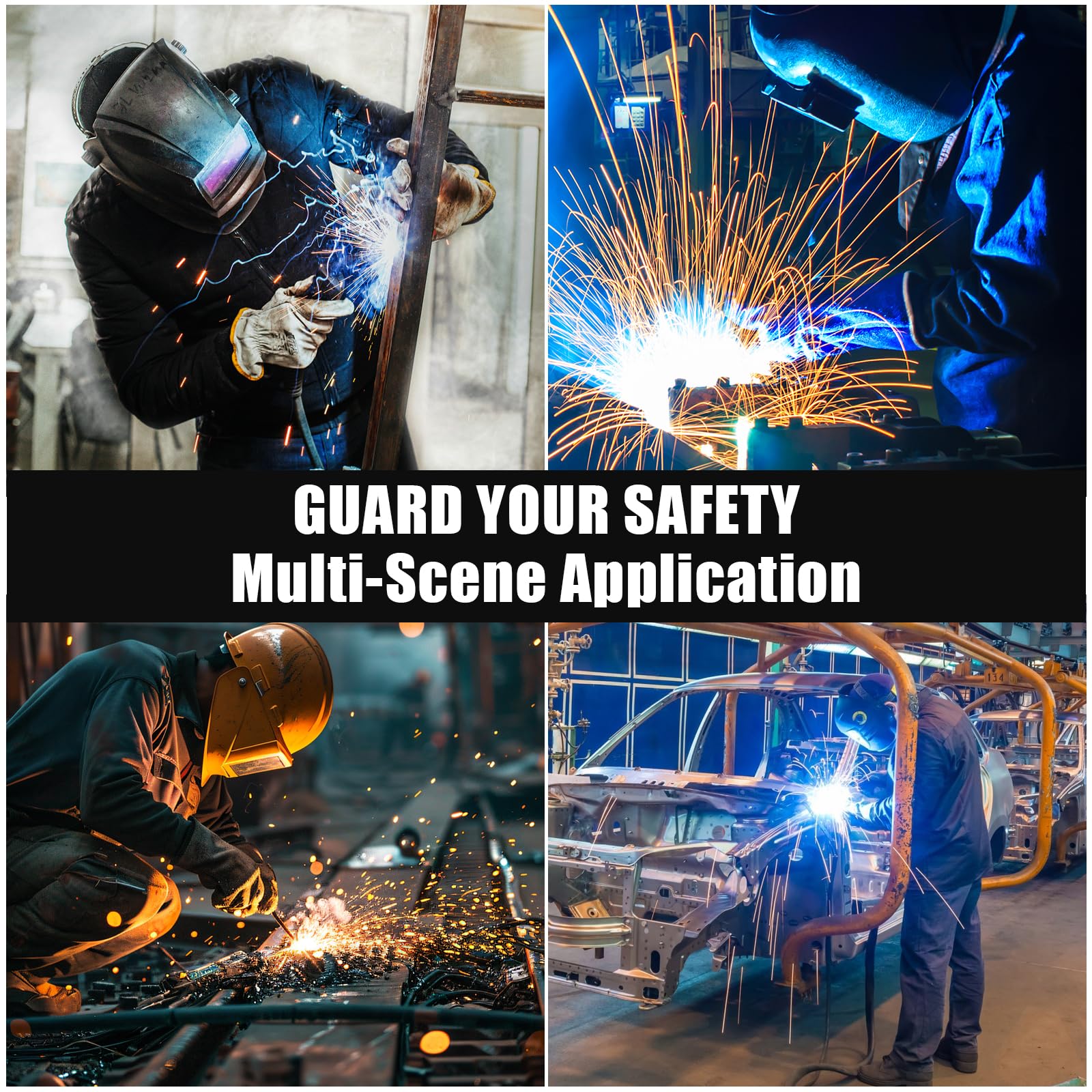
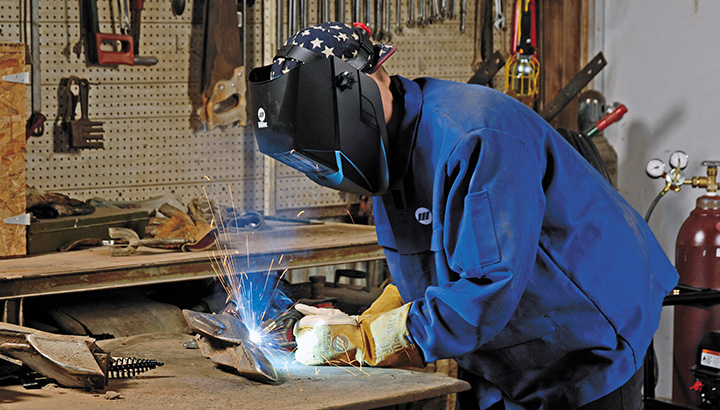
Welding without the right gear is dangerous. Even a short job can cause burns, eye injuries, or hearing loss. Wear this equipment every time:
- Welding helmet. Choose one with a dark lens rated for your welder’s power. Auto-darkening helmets adjust instantly to the arc.
- Welding gloves. Thick, heat-resistant gloves protect your hands from sparks and heat.
- Fire-resistant jacket or sleeves. Cotton or leather shirts work best. Avoid synthetic fabrics; they melt and stick to your skin.
- Safety glasses. Wear them under your helmet to protect from flying metal when you chip or grind welds.
- Work boots. Leather boots with high tops keep sparks off your feet.
- Ear protection. Loud welding and grinding noises can damage your hearing.
Example: If you weld in a short-sleeve shirt, hot sparks can burn your arms. Always cover your skin.
Setting Up Your Welding Area
Plan your workspace for safety and comfort. Follow these steps:
- Choose the right spot. Place your welding table near a wall, but with space to walk around it. Avoid blocking doors or windows.
- Position your welder. Set it on a stable, dry surface. Keep the controls within easy reach.
- Lay out cables safely. Run cables along the wall or floor, not across walkways. Use cable covers if needed.
- Organize your tools. Hang clamps, brushes, and hammers on a pegboard or keep them in a drawer.
- Store gas cylinders upright. Secure them with chains or straps. Never lay gas bottles on their side.
Non-obvious insight: Set up a small first aid kit near your welding area. Quick access to bandages and burn cream can help after small accidents.
Installing And Handling Gas Cylinders
Many welders use gas cylinders (such as CO2 or argon). Handling these safely is critical:
- Transport cylinders upright. Secure them in your car or on a cart.
- Store them upright. Use a chain or strap to stop them falling over.
- Check for leaks. Use soapy water on connections; bubbles show leaks.
- Open valves slowly. Never force a stuck valve.
- Keep away from heat. Do not store cylinders near heaters or in direct sunlight.
Tip: Always close the cylinder valve when not in use, even if you finish for just a few minutes.
Connecting And Testing The Welder
Once your welder is in place, connect it safely:
- Read the manual. Each welder has specific instructions for wiring and setup.
- Connect the ground clamp. Attach it to clean, bare metal on your workpiece or table.
- Insert the electrode or wire. Make sure it matches the metal you are welding.
- Connect the gas line. If your welder uses shielding gas, check that hoses are tight and leak-free.
- Test the controls. Before you weld, check the voltage and wire speed settings.
Example: If you use the wrong gas, your welds will be weak and porous. Always use the gas type listed in your manual.
Checking Your Welding Setup Before Each Use
Before you start welding, do a quick safety check:
- Inspect cables and hoses. Look for cracks or cuts.
- Test the ground clamp. Make sure it grips tightly.
- Check your PPE. Put on your helmet, gloves, and jacket.
- Clear the area. Move any flammable items you missed before.
- Test fire your welder. Strike a small arc on a scrap piece to check settings.
Non-obvious insight: Check for tripping hazards every time. Extension cords, hoses, and tools on the floor are easy to miss but cause many accidents.
Safe Welding Practices
Welding is safer with good habits:
- Keep your head out of the fumes. Stand to the side of the smoke, not directly above it.
- Use two hands. Hold the torch steady with both hands for better control.
- Start with low power. It is easier to increase power than to fix a burnt piece.
- Let metal cool. Hot metal looks the same as cold metal. Test with a gloved hand or infrared thermometer.
- Watch for fire. Check the area for hot spots or smoke while you weld.
Practical example: If you weld on a car, disconnect the battery to avoid electrical shocks or fires.
Storing Your Welder And Tools
After you finish, store everything safely:
- Turn off and unplug the welder. This stops accidental starts and saves energy.
- Close gas cylinders. Tighten the valve fully.
- Coil cables neatly. Hang them on hooks to avoid damage.
- Store PPE in a dry place. Damp gloves or jackets lose their fire resistance.
- Lock up your welder. If children use your garage, keep the welder out of reach.
Pro tip: Wipe down your welder and tools after use. Dust and metal shavings can damage machines over time.
Credit: www.gemefindustries.com
Regular Maintenance And Inspection
A safe workshop needs regular checks:
- Inspect your welder monthly. Look for loose wires, worn cables, and rust.
- Clean your helmet lens. A dirty lens makes it hard to see and causes mistakes.
- Test your fire extinguisher. Make sure the pressure gauge is in the green zone.
- Check ventilation fans. Clean dust and check that they run smoothly.
- Replace damaged PPE. Gloves and helmets wear out faster than you think.
Non-obvious insight: Many welders fail because dust or metal shavings block cooling fans. Clean these areas often.
Common Mistakes To Avoid
Many beginners make the same errors when setting up their garage for welding. Here’s what to watch out for:
- Using home extension cords. Most home cords are not thick enough for welding and can melt.
- Welding near flammable materials. Even a can of WD-40 can explode if hit by sparks.
- Skipping PPE for quick jobs. Burns and eye injuries can happen in seconds.
- Ignoring fume control. Welding with poor ventilation can cause headaches or lung problems.
- Leaving gas cylinders loose. A falling cylinder can become a dangerous projectile.
- Welding on dirty or painted metal. Dirt, paint, and rust weaken welds and create toxic fumes.
- Welding with poor grounding. This increases the risk of electric shock and poor welds.
- Overloading circuits. Plugging too many tools into one outlet can start fires.
- Not checking for fire after welding. Fires often start after you leave.
- Letting children or pets near the welding area. They can be burned or blinded by the arc.
Practical tip: Make a checklist and run through it every time you weld. This keeps you from forgetting important steps.
Comparing Welder Power Needs And Garage Wiring
Many people are unsure if their garage has enough power for a welder. Here’s a quick guide to help you compare:
| Welder Size | Voltage Required | Breaker Size Needed | Extension Cord Gauge | Typical Garage Circuit |
|---|---|---|---|---|
| Small (up to 140A) | 120V | 15-20A | 12 or 10 gauge | Standard |
| Medium (140-200A) | 240V | 30-40A | 8 or 6 gauge | May need upgrade |
| Large (200A+) | 240V | 50A+ | 6 gauge or lower | Upgrade required |
If you are unsure, always ask an electrician to check your wiring before you buy a welder.
Keeping Your Garage Safe Every Day
Safety is not a one-time job. Make these habits part of your routine:
- Sweep the floor often. Metal shavings, dust, and clutter create hazards.
- Test smoke alarms monthly. Replace batteries once a year.
- Review your emergency plan. Know where your fire extinguisher, exits, and first aid kit are.
- Keep emergency numbers handy. Tape them near the garage door.
- Teach family members about welding dangers. Even if they do not weld, they should know what to avoid.
Non-obvious insight: Many fires start from leftover sparks. After welding, use an infrared thermometer to check for hot spots on floors and walls.
Credit: lux-life.digital
Working With Limited Space
Many garages are small and crowded. Here are smart ways to stay safe in tight spaces:
- Use folding tables. These save space and can be stored after work.
- Hang tools on walls. Keep the floor clear to reduce tripping.
- Store gas cylinders outside if possible. This lowers the risk if a fire starts.
- Use portable fume extractors. Small units can be moved where you need them.
Pro tip: Avoid stacking storage above your welding area. Items can fall during work and cause injury.
What To Do In Case Of Emergency
Prepare for accidents before they happen:
- Fire: Use a fire extinguisher or sand to put out small fires. For large fires, leave and call 911.
- Burns: Cool burns with cold water and cover with a clean cloth. Seek medical help for serious burns.
- Electric shock: Turn off the power before helping someone. Call for help if the person is unconscious.
- Fume exposure: Move to fresh air if you feel dizzy or sick while welding.
Tip: Keep your phone charged and nearby during welding. You may need to call for help quickly.
Credit: www.millerwelds.com
Learning And Improving Your Welding Skills
Safe setup is just the start. Improving your welding makes your workshop safer and your projects better:
- Take a welding class. Many community colleges offer short courses.
- Watch safety videos. See proper techniques and learn from experts.
- Practice on scrap metal. Test settings and skills before working on real projects.
- Join a welding forum. Ask questions and learn from others’ experiences.
External resource: For more on welding safety, visit the Welding Wikipedia page.
Frequently Asked Questions
What Is The Safest Type Of Welder For Home Use?
MIG welders are usually safest for beginners. They are easier to use and have fewer exposed parts. Choose a model with built-in safety features and make sure your garage wiring can support it.
Can I Use A Regular Extension Cord With My Welder?
No, most home extension cords are too thin for welding. Use a heavy-duty cord, at least 10-gauge for small welders or thicker for larger units. Thin cords can overheat and start fires.
How Do I Know If My Garage Needs Better Ventilation?
If you see smoke hanging in the air or smell strong odors, your garage needs better airflow. Open doors, use fans, or install a fume extractor. Welding without good ventilation is unsafe.
Is It Safe To Weld Near My Car?
Move your car away if possible. Sparks can damage paint, glass, and wires. If you must weld near your car, cover it with a welding blanket and disconnect the battery.
Do I Need A Special Fire Extinguisher For Welding?
Yes, keep a Class ABC fire extinguisher nearby. It handles electrical, liquid, and regular fires. Check the gauge monthly to make sure it works.
Setting up a welder in your garage workshop takes planning and care. Pay attention to safety, use the right tools, and check your space before every job. With good habits, you can weld safely and enjoy building new projects for years to come.