Disclosure: This post contains affiliate links and I will be compensated if you make a purchase after clicking through my links. Learn More
Welding at home can be rewarding. You build, repair, and create useful things. But welding also brings risks. The smoke that rises when you weld is not just a bad smell—it’s a mix of dangerous gases and tiny particles. Breathing these fumes can harm your lungs and your health.
Many people who weld at home do not know how serious welding fumes can be, or they think basic safety steps are enough. This guide will show you how to protect your lungs from welding fumes at home. You will learn practical methods, what equipment works best, and how to set up a safer workspace.
This advice comes from real experience and science, not just theory.
Why Welding Fumes Are Dangerous
Welding fumes come from melting metals and coatings. These fumes are a mix of small particles and gases. Some common gases in welding fumes are ozone, carbon monoxide, and nitrogen oxides. The particles may include iron, manganese, chromium, and even lead. Each of these can hurt your lungs in different ways.
If you breathe these fumes, you may cough, feel short of breath, or get a sore throat. Over time, welding fumes can cause lung disease, asthma, metal fume fever, and even lung cancer. According to the World Health Organization, people exposed to welding fumes have a higher risk of lung cancer compared to those who are not. The dangers grow if you weld often or do not use protection.
Many home welders think, “I only weld sometimes, so I’m safe. ” This is not true. Even short welding jobs can create enough fumes to cause harm, especially in a small space. You need to treat every welding session as a risk and protect your lungs every time.
Setting Up A Safe Welding Area
Your workspace matters as much as your equipment. A poor setup traps fumes around your face. A smart setup keeps air moving and reduces risk.
Choose The Right Location
Weld in open or well-ventilated spaces. A garage with open doors and windows is better than a closed room. Never weld in basements, small sheds, or rooms without windows. Fumes build up fast in small spaces.
Remove Flammable Items
Clear your workspace of flammable materials like paint cans, rags, or fuel. Welding fumes can ignite these easily.
Use Local Exhaust Ventilation
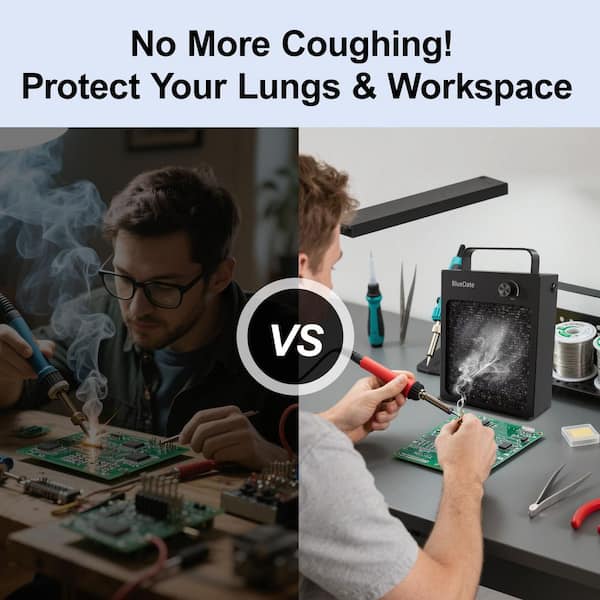
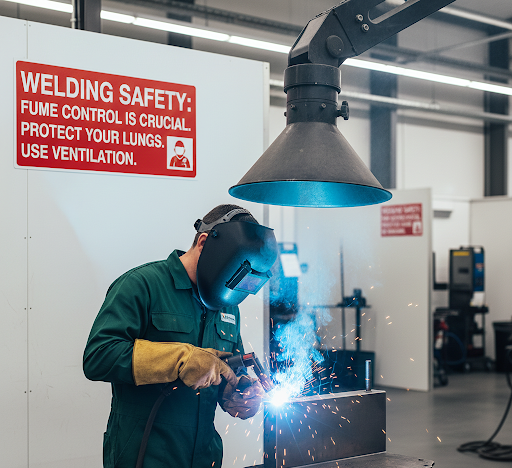
A local exhaust system pulls fumes away from your breathing area. At home, you can use a portable fume extractor. Place the extractor’s hood close to your welding spot—about 6 to 12 inches from the weld. If you cannot buy one, a strong household fan can help, but it is not as effective.
Plan Your Welding Position
Stay upwind of the fumes if you work outdoors. This means the wind should blow fumes away from your face, not toward you. Indoors, set up your fan to push fumes out a window.
Credit: www.homedepot.com
Personal Protective Equipment (ppe) For Your Lungs
No workspace is perfect. You need personal protection every time you weld. The right gear can block nearly all dangerous fumes.
Types Of Respirators
Not all masks work for welding. Dust masks or surgical masks do not protect you from welding fumes. You need a respirator designed for fine particles and gases.
Here is a comparison of common respirators for home welding:
| Type | Protection Level | Reusable? | Price Range (USD) |
|---|---|---|---|
| N95 Respirator | Basic particle protection | No | $1 – $3 |
| Half-mask Respirator (P100) | High particle, some gas | Yes (replace filters) | $20 – $50 |
| Full-face Respirator | High, plus eye protection | Yes (replace filters) | $80 – $180 |
| PAPR (Powered Air-Purifying Respirator) | Highest protection | Yes (replace filters/battery) | $300 – $1000 |
For most home welders, a half-mask respirator with P100 filters is a good balance. It blocks almost all fine particles and is affordable. If you weld often or for long periods, consider a full-face respirator or a PAPR. These give the best protection but cost more.
How To Wear A Respirator Correctly
A respirator only works if it fits well. Make sure it seals tightly around your nose and mouth. Check for leaks by covering the filters and breathing in. If air leaks around the edges, adjust the straps or try a different size.
Replace filters as the maker suggests. A clogged or old filter lets fumes through. Keep your respirator clean and dry between uses.
Other Protective Gear
Welding fumes can irritate your eyes and skin too. Wear:
- Welding helmet with a proper shade
- Protective gloves
- Long-sleeved shirt and pants (cotton is better than synthetic)
- Safety glasses under your helmet
Covering your skin reduces the risk of burns and metal dust settling on you.
Improve Ventilation At Home
Good ventilation is one of the most effective ways to reduce welding fumes. At home, you may not have professional systems, but you can still make big improvements.
Natural Vs. Mechanical Ventilation
Natural ventilation uses open windows and doors to move air. This is the easiest and cheapest method. But it depends on wind and weather. It may not be enough for heavy welding.
Mechanical ventilation uses fans or extractors to move fumes out. Even a strong box fan can help if you set it up right.
Setting Up Fans And Airflow
Position a fan behind you, blowing air past your body and toward an open door or window. Put another fan at the window to pull fumes outside. Do not blow fumes into another room or basement.
Here is a simple setup for a home garage:
| Fan Position | Purpose | Where to Place |
|---|---|---|
| Behind welder | Push fumes away from breathing zone | 3-5 feet behind you, aimed at work area |
| Window/door | Pull fumes outdoors | At open window/door, facing outside |
Portable Fume Extractors
A portable fume extractor is a small device with a fan and filter. It sits next to your work and sucks up fumes. These are better than fans alone, since they filter out harmful particles before releasing air back into the room or outdoors. Some models use HEPA filters, which capture almost all fine particles.
Diy Fume Extraction Tips
If you cannot buy an extractor, you can build a basic fume hood with a strong fan, a flexible duct, and a box with a filter. Aim to move at least 100 cubic feet per minute (CFM) of air from your work area. This will not match a pro system, but it is much better than nothing.
Choose Safer Welding Methods And Materials
Some welding methods make more fumes than others. Some metals and coatings are more dangerous.
Welding Methods And Fume Levels
Here’s a comparison of common welding methods and the amount of fumes they produce:
| Method | Fume Production | Notes |
|---|---|---|
| MIG (GMAW) | Medium | Often used at home, less fume than stick |
| TIG (GTAW) | Low | Cleanest method, less fume |
| Stick (SMAW) | High | Most fume, avoid indoors if possible |
| Flux-cored (FCAW) | High | Easy, but makes lots of smoke |
If you can, use TIG welding for thin metal and detail work. It makes much less fume. MIG welding is also a good choice for home projects. Avoid stick and flux-cored welding indoors unless you have strong ventilation and protection.
Pick Safer Metals
Bare steel and stainless steel are common. But welding galvanized steel (coated with zinc), painted metal, or plated parts creates much more dangerous fumes. Zinc fumes can cause metal fume fever—a sickness with headache, fever, and chills. Always remove paint, rust, or coatings before welding.
Avoid Unknown Scrap Metal
Home welders often use scrap metal. But you may not know what it’s made of or coated with. If you must use scrap, clean it well and test a small piece outdoors first. Do not weld parts from cars, electronics, or pipes unless you know they are safe.
Take Smart Breaks And Limit Exposure
The longer you weld, the more fumes you breathe. Even with protection, your lungs need time to recover.
Work In Short Sessions
Weld in sessions of 20–30 minutes, then take a break for at least 10 minutes in fresh air. This lowers the total amount of fumes you inhale.
Leave The Area After Welding
Fumes stay in the air after you finish. Leave the workspace for at least 15–30 minutes and keep fans running to clear the air. Do not eat or drink in the area until it is clear.
Rotate Tasks
If you have many pieces to weld, switch tasks. Prep your next piece, grind, or clean during your breaks. This keeps your exposure lower.
Clean Up After Welding
Dust and particles settle on floors, tools, and clothes. If you do not clean up, you may breathe these later or bring them into your home.
Wet Cleaning Methods
Sweep floors with a damp mop, not a dry broom. Dry sweeping spreads dust into the air. Wipe surfaces with a wet cloth.
Change Clothes And Shower
Welding dust can stick to your clothes and skin. Change your clothes after welding, especially if you work in your home or near living spaces. Wash your hands and face before eating or touching your mouth.
Store Ppe Safely
Keep your respirator, gloves, and helmet in a clean, dry box. Do not leave them in the workspace, where they can collect dust and fumes.
Watch For Early Signs Of Lung Problems
Early symptoms are easy to miss. If you catch them soon, you can prevent worse health problems.
Common Warning Signs
- Cough that lasts more than a few days
- Feeling short of breath after welding
- Tight chest or wheezing
- Headache, fever, or chills after welding
If you notice these signs, stop welding and get fresh air. If symptoms do not improve, see a doctor. Tell your doctor you weld at home—many do not ask unless you mention it.
Regular Health Checks
If you weld often, get a lung check-up once a year. Simple tests like spirometry can find early problems. Early action can protect your lungs for life.
Teach Others And Set Rules At Home
If you share your space, teach family or friends the risks. Many injuries happen because others do not know how dangerous welding fumes are.
Set Clear Rules
- No children or pets in the workshop during welding
- Only trained people should weld
- Everyone must wear protection, even for short jobs
- Keep the workspace locked or off-limits when not in use
Mark Danger Zones
Use tape or signs to show where welding happens. This keeps visitors away from fumes and sparks.
Common Myths About Welding Fume Safety
Many home welders believe myths that put them at risk. Clearing up these misunderstandings keeps you safer.
Myth 1: “a Simple Dust Mask Is Enough.”
A dust mask cannot filter the small particles and gases in welding fumes. You need a respirator with P100 or HEPA filters.
Myth 2: “opening The Garage Door Is All I Need.”
Natural ventilation helps, but it may not be enough, especially on still days. Use fans, extractors, and a respirator for real protection.
Myth 3: “welding Outdoors Is Always Safe.”
Wind can change or stop. You still need to stay upwind and use a respirator.
Myth 4: “i Only Weld For A Few Minutes.”
Even short jobs can expose you to harmful fumes. Always use protection.
Myth 5: “fume Extractors Are Only For Professionals.”
Small portable extractors are now affordable for home use. They make a big difference in air quality.

Credit: www.youtube.com
Legal Standards And Home Welding
Workplaces must follow strict rules for welding fumes. At home, you are responsible for your safety. Some countries and states have guidelines for home workshops. For example, the Occupational Safety and Health Administration (OSHA) sets exposure limits for different metals. Aim to keep your exposure well below these levels.
If you ever sell items you weld at home, you may need to meet extra safety rules. Check local laws before starting a business.
Useful Resources For Home Welders
Staying safe means staying informed. Here are some trusted sources:
- American Welding Society (AWS): Offers guides and safety tips.
- Occupational Safety and Health Administration (OSHA): Sets standards and gives advice.
- National Institute for Occupational Safety and Health (NIOSH): Researches workplace safety.
You can find detailed health information at the NIOSH Welding Topic Page.
Credit: www.cwbgroup.org
Practical Tips Many Beginners Miss
- Test your respirator before every use. Many people forget, and a loose fit means poor protection.
- Clean your welding helmet lens often. Dirty lenses make you move your head closer to the work, increasing fume exposure.
- Check airflow with a smoke stick or incense. This shows if your fans are moving air the right way.
- Replace filters before they feel clogged. Waiting too long means you lose protection.
- Label and store used filters and rags away from your living space. These can keep releasing fumes and dust.
Frequently Asked Questions
How Dangerous Are Welding Fumes For Hobby Welders?
Welding fumes are dangerous even for hobby welders. They can cause lung problems, metal fume fever, and increase cancer risk. Short welding jobs in small spaces are risky without good protection. Always use a proper respirator and ventilation.
Is A Regular Dust Mask Enough For Home Welding?
No, a regular dust mask does not block the fine particles and gases in welding fumes. Use a half-mask respirator with P100 or HEPA filters. Make sure it fits tightly and check for leaks before each use.
What Is The Best Way To Ventilate A Garage For Welding?
Open all doors and windows. Place a fan behind you to push fumes toward a window, and put another fan in the window to pull fumes outside. Use a portable fume extractor if possible for the best protection.
What Should I Do If I Feel Sick After Welding?
Stop welding and go outside for fresh air. Drink water and rest. If you have a cough, chest pain, or fever that lasts, see a doctor. Tell them you have been welding, as this helps with diagnosis.
Can I Weld Painted Or Coated Metal At Home?
It is best to avoid welding painted or coated metal. These release extra dangerous fumes. Remove paint, rust, and coatings before welding. If you must weld coated metal, do it outdoors with a respirator and strong ventilation.
Taking these steps protects your lungs and your life. Safe welding is possible at home if you use the right methods, equipment, and habits. You do not need to risk your health to enjoy welding. Make safety part of every project, and you will breathe easier for years to come.