Disclosure: This post contains affiliate links and I will be compensated if you make a purchase after clicking through my links. Learn More
Welding can build amazing things, but it also brings real risks. One of the most painful and common injuries welders face is arc eye—also called welder’s flash. Arc eye can cause sharp eye pain, blurred vision, and even long-term damage if ignored. Many new welders underestimate arc eye, thinking it is a minor irritation. In reality, this injury can stop work for days and even threaten eyesight.
This article explains how arc eye happens, why it matters, and the best ways to prevent it while welding. You will learn about protective gear, safe work habits, and practical tips that help both beginners and experienced welders. You will also find real examples, common mistakes, and answers to questions many people have about welding safety.
What Is Arc Eye?
Arc eye is an injury to the eyes. It happens when unprotected eyes are exposed to ultraviolet (UV) light from a welding arc. The strong UV rays cause a burn on the cornea, the clear front part of your eye. This burn is similar to sunburn on your skin, but it affects your eye.
Symptoms usually start a few hours after exposure, not always right away. Signs of arc eye include:
- Sharp eye pain
- Redness
- Gritty feeling (like sand in the eye)
- Sensitivity to light
- Watery eyes
- Blurred vision
Arc eye usually heals on its own in one to two days. But repeated injuries can cause serious eye problems, including permanent vision loss. Many welders do not protect their eyes enough, thinking a quick weld “won’t hurt. ” This mistake can have lasting effects.
How Does Arc Eye Happen?
During welding, the electric arc produces intense UV light. This light is much stronger than sunlight. Even a short exposure can damage your eyes. Arc eye can happen when:
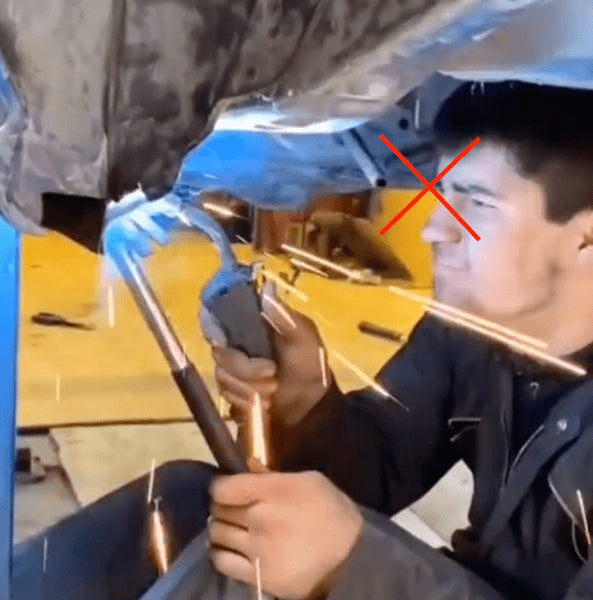
- You weld without a helmet or proper eye protection.
- You lift your helmet before the arc stops.
- You work near others who are welding, even if you are not welding yourself.
- You use a damaged helmet or cracked lens.
UV rays pass through air and reflect off shiny surfaces like metal or concrete. This means you can get arc eye even if you do not look directly at the arc.
Many people forget that indirect exposure is dangerous. For example, if you stand behind a welder or in a nearby area, you can still be at risk. Even watching welding from a distance without protection can cause arc eye.
Why Preventing Arc Eye Matters
Many think arc eye is just a temporary pain. But the risks are much higher:
- Lost work time: Pain and sensitivity can make you stop work for several days.
- Medical costs: Treatment may require doctor visits, eye drops, or other care.
- Long-term damage: Repeated injuries can lead to cataracts, scarring, or vision loss.
- Legal risk: Employers may face fines if workers are not protected.
Prevention is much easier, safer, and less expensive than treatment. Good habits protect your sight and keep your work safe.
The Right Eye Protection
Wearing the correct eye protection is the single most important step to prevent arc eye. Not all eye gear is equal. Here’s what works best and what to avoid.
Types Of Welding Helmets
There are two main types of welding helmets:
| Helmet Type | How It Works | When to Use |
|---|---|---|
| Passive helmet | Has a fixed dark lens, usually shade 10 | Good for simple welding jobs, reliable and affordable |
| Auto-darkening helmet | Lens changes from light to dark in milliseconds when arc starts | Best for frequent welding, switching between tasks, high comfort |
Passive helmets are simple and strong, but you must flip the helmet down before every weld. Some welders forget, which increases risk.
Auto-darkening helmets make it easier to start and stop work without touching your helmet. These are now common, even for beginners.
Choosing The Correct Lens Shade
The lens shade is a number that shows how dark the lens is. Higher numbers mean darker lenses and more protection from UV and infrared rays.
For most electric arc welding, you should use a lens with shade 10 to 13. The right shade depends on the welding process and the current you use.
| Welding Process | Current (Amperes) | Recommended Shade |
|---|---|---|
| Shielded Metal Arc (SMAW) | 60–160 A | 10 |
| Gas Metal Arc (GMAW/MIG) | 100–200 A | 11 |
| Tungsten Inert Gas (GTAW/TIG) | 150–250 A | 12 |
| High-Amperage (>250 A) | 250+ A | 12–13 |
If you are not sure, start with a darker shade. If you cannot see well, try a lighter shade, but never go below the recommended level.
Non-obvious tip: Some cheap helmets use low-quality lenses that do not block enough UV, even if they look dark. Always check for certification marks like ANSI Z87.1 (in the US) or EN379 (in Europe).
Safety Glasses And Goggles
Helmets protect your eyes from the arc, but they do not stop flying sparks or debris. Always wear safety glasses or goggles under your helmet. Choose glasses with side shields and a “Z87” mark.
Some people skip safety glasses, thinking the helmet is enough. In fact, many eye injuries happen when metal chips or slag fly under the helmet.
Face Shields For Extra Protection
For grinding, cutting, or working near others, use a clear face shield on top of your safety glasses. This adds another layer against sparks and debris.
Keeping Your Gear In Good Condition
Eye protection gear can wear out. Scratched or cracked lenses let in UV rays. Straps and headbands get loose and stop fitting well.
- Check your helmet and glasses every day.
- Replace cracked or pitted lenses right away.
- Clean dust and metal splatter often, as dirty lenses reduce vision and safety.
Non-obvious tip: Some lens covers are replaceable. Use them to protect your main lens and save money.

Credit: www.allaboutvision.com
Safe Welding Habits
Good equipment matters, but your work habits are just as important. Many arc eye cases happen because of poor habits.
Always Wear Protection
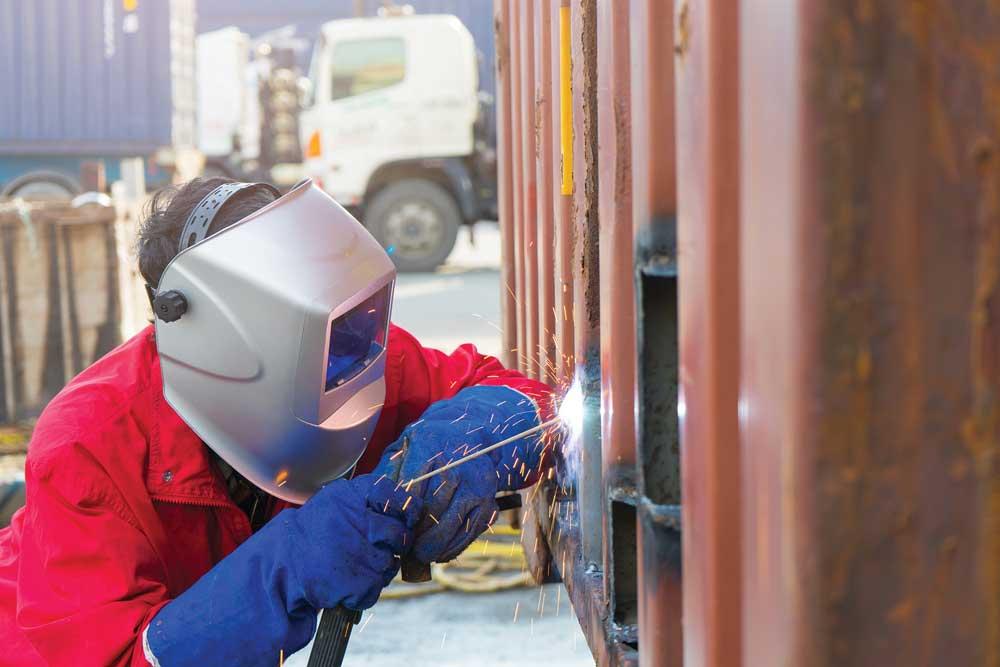
Never skip your helmet or glasses, even for “just one quick weld. ” Most arc eye injuries happen during small jobs or repairs.
Keep Your Helmet Down Until The Arc Stops
Do not raise your helmet before the arc completely stops. Many people lift their helmet too early, exposing their eyes to the last burst of UV.
Use Proper Positioning
Stand so your body and head are not directly in line with the arc. This reduces exposure to stray UV rays.
Set Up Welding Curtains
If other people are nearby, put up welding curtains. These are dark plastic sheets that block UV light. This keeps coworkers and bystanders safe.
Non-obvious insight: Welding curtains only block direct line-of-sight UV. Reflections from walls or shiny surfaces can still cause exposure. Make sure the workspace absorbs, not reflects, stray light.
Watch Out For Reflections
Welding near shiny metal, painted surfaces, or even white walls increases risk. UV rays bounce off these surfaces and can reach your eyes from the side or behind.
- Cover shiny surfaces with dark cloths.
- Move work to a dull, non-reflective area if possible.
Take Breaks And Let Eyes Rest
Long welding sessions strain your eyes. Take short breaks to relax your vision and check your gear.
Protecting Others In The Area
Many arc eye injuries happen to people who are not welding. Helpers, visitors, and coworkers can get exposed without realizing it.
Use Warning Signs
Place clear warning signs around the welding area. This keeps unprotected people from walking in while welding is active.
Offer Spare Eye Protection
Keep extra helmets or safety glasses for helpers or visitors. Never allow anyone near the work without protection.
Block Off The Area
Use barriers, tape, or screens to block access to the welding zone. This is required by safety rules in many countries.
Credit: www.thefabricator.com
Training And Education
Knowing the risks is not enough. People need regular training to stay safe.
Teach Safe Habits
Make eye safety a regular topic in training. Remind workers to check their gear, use proper shades, and protect others.
Share Real Examples
Show pictures or stories of real arc eye injuries. These make the risk real and encourage safer habits.
Update Training Regularly
As new helmets and gear appear, update safety training. New features or standards may affect how you use your equipment.
Common Mistakes That Lead To Arc Eye
Many arc eye cases come from small mistakes. Here are common errors and how to avoid them:
- Skipping eye protection for quick jobs: People think “just one weld” is safe. It’s not. Always wear full gear.
- Using the wrong shade lens: Some welders use a lens that is too light. Always check the recommended shade for your process.
- Working with damaged helmets: Cracks, scratches, or missing covers let in UV rays. Replace damaged gear.
- Ignoring side and bottom gaps: UV rays can get under a loose helmet. Adjust the fit and wear safety glasses.
- Not protecting others: Helpers and bystanders need protection too. Block off the area and offer extra gear.
- Not checking for certification: Cheap gear may look safe but lack real UV protection. Only buy certified helmets and lenses.
Advanced Tips For Extra Safety
Experienced welders use a few extra steps to stay safe:
- Use helmet covers: Add a fabric cover to the back of your helmet to block stray UV rays from above and behind.
- Keep a spare helmet: If your helmet fails or gets dirty during a job, switch to a backup instead of risking your eyes.
- Store gear properly: Keep helmets and glasses in a clean, dry box to avoid scratches and UV damage.
- Choose helmets with a fast auto-darkening response: Some auto-darkening helmets respond slower than others. Look for models with a switching speed of 1/20,000th of a second or faster.
- Wear a welding cap: A cap under the helmet protects the top of your head and can block reflected light.
What To Do If You Get Arc Eye
If you suspect you have arc eye, act quickly:
- Stop working and rest your eyes in a dark room.
- Do not rub your eyes—it makes the injury worse.
- Use cold compresses to relieve pain.
- Avoid bright lights and screens.
- Use artificial tears (eye drops) to soothe the eyes.
- If pain is severe or vision is blurry, see a doctor.
Most cases heal in 24–48 hours. If symptoms last longer, get medical help. Never ignore repeated injuries.
Statistics On Arc Eye In Welding
Arc eye is one of the most reported injuries in welding. Studies show:
- Up to 25% of all welding injuries involve the eyes.
- About 90% of eye injuries in welding are preventable with proper gear.
- Welders without helmets are 60 times more likely to get arc eye.
- Most injuries happen during short, “quick” welding jobs.
(source: American Welding Society, Niosh)
These numbers show why prevention is so important.
Comparing Different Protection Methods
Welders have several options for eye safety. Here’s a quick comparison:
| Method | Protection Level | Comfort | Cost | Recommended For |
|---|---|---|---|---|
| Passive helmet | High (if correct shade) | Medium | Low | Occasional welding |
| Auto-darkening helmet | Very High | High | Medium to High | Frequent welding, professionals |
| Safety glasses only | Very Low | High | Low | Never for arc welding |
| Helmet + safety glasses | Maximum | High | Medium | All welders |
Key Point: Always combine a helmet with safety glasses for the best protection.
Legal And Industry Standards
Most countries have strict rules for welding safety. In the US, OSHA (Occupational Safety and Health Administration) requires employers to provide eye protection for welders. Standards like ANSI Z87.1 and EN379 set the minimum levels for helmets and glasses.
Employers must:
- Provide certified helmets and glasses.
- Train workers on safe use.
- Replace damaged gear.
- Enforce safety rules.
Failing to follow rules can lead to fines and injuries.
How To Choose The Best Welding Helmet
With many helmets on the market, here’s what really matters:
- Certification: Look for ANSI Z87.1, EN379, or equal standards.
- Adjustable shade: For auto-darkening helmets, make sure you can set the shade for your welding process.
- Switching speed: Faster is better. Look for 1/20,000th of a second or better.
- Fit and comfort: Try on before buying. A heavy or loose helmet is unsafe.
- Solar or battery power: Some helmets use solar cells, others need batteries. Choose what suits your work style.
- Lens size: A larger viewing area makes welding easier and safer.
- Durability: Strong materials protect against impacts and last longer.
Credit: yeswelder.com
Special Cases: Tack Welding And Spot Welding
Short welding tasks, like tack or spot welding, still produce UV rays. Many people skip protection for these jobs, thinking the risk is low. In fact, these quick bursts can cause arc eye just as easily as longer welds.
Always wear full protection, even for a single tack weld.
Eye Protection For People Who Wear Glasses
If you wear prescription glasses, you still need safety glasses or goggles over them. Regular glasses do not block enough UV. Some companies make prescription safety glasses with side shields, which can help.
Auto-darkening helmets fit over most glasses, but always check the fit before starting work.
Children And Young Workers
Young people and students often try welding for the first time in school or training programs. Their eyes are more sensitive, and they may not know all the risks.
- Give them extra training.
- Check their gear before every session.
- Supervise closely.
Welding Outdoors Vs. Indoors
Welding outside adds more UV exposure from sunlight. Indoors, reflections from walls or equipment can increase risk. In both cases:
- Wear full protection.
- Block off the area with curtains or barriers.
- Check for reflections and cover shiny surfaces.
Do Other Types Of Light Cause Arc Eye?
Only UV light from the welding arc is strong enough to cause arc eye. Other bright lights or sunlight do not have the same effect. Some industrial lamps, like UV sterilizers, can also injure your eyes, but this is less common.
The Role Of Employers And Supervisors
Supervisors must enforce safety rules and provide proper gear. They should:
- Check that all workers use certified helmets and glasses.
- Fix or replace damaged equipment quickly.
- Run safety talks and training sessions often.
- Inspect the workspace for hazards like shiny surfaces or missing curtains.
Non-obvious insight: Supervisors who model good safety behavior influence others more than rules alone.
Personal Stories: Why Welders Take Eye Safety Seriously
Many experienced welders have suffered arc eye at least once. Most say the pain is “like hot sand in your eyes. ” Some could not work for days. After that, they never weld without a helmet again.
A welder in a large shop once ignored his helmet for a five-minute repair. He got arc eye, and his eyes hurt so badly that he could not sleep for two nights. He now tells new welders, “No weld is worth risking your eyes.
”
Stories like this remind us that prevention is simple, but living with an injury is not.
Useful Resources
For more detailed safety standards and research, see the Arc eye Wikipedia page.
Frequently Asked Questions
What Is The Fastest Way To Treat Arc Eye?
The fastest way is to rest your eyes in a dark room, use cold compresses, and apply artificial tears. Do not rub your eyes. If pain or vision problems last longer than two days, see a doctor.
Can I Get Arc Eye If I Am Not Welding But Just Watching?
Yes. Watching welding without proper eye protection, even from a distance, can cause arc eye. Always use at least safety glasses with side shields, and never look directly at the arc.
Are Sunglasses Enough To Protect Against Arc Eye?
No. Regular sunglasses do not block enough UV light from the welding arc. Only certified welding helmets or goggles can prevent arc eye.
How Often Should I Replace My Welding Helmet?
Replace your helmet if it is cracked, the lens is scratched, or the auto-darkening feature does not work quickly. Check your gear before every welding session.
Do All Types Of Welding Cause Arc Eye?
Any welding that creates an electric arc produces enough UV light to cause arc eye. This includes arc welding, MIG, TIG, and even spot welding. Always use full eye protection for every type.
Final Thoughts
Protecting your eyes while welding is not just about comfort—it is about keeping your vision safe for life. Arc eye can happen quickly, but it is almost always preventable with the right equipment and habits. Use a certified helmet, wear safety glasses, block off your workspace, and never cut corners.
Train yourself and others to take eye safety seriously. Your eyes are worth it, every time you weld.