Disclosure: This post contains affiliate links and I will be compensated if you make a purchase after clicking through my links. Learn More
Lighting and adjusting an acetylene torch demands care, focus, and the right knowledge. Many people use these torches for welding, cutting, brazing, or heating metals. While acetylene torches offer high temperatures and versatility, they also carry risks if used incorrectly.
Fires, explosions, and serious injuries can happen without proper steps. This guide explains how to light and adjust an acetylene torch safely, even if you have little experience. Each section covers important details, common mistakes, and practical tips to keep you safe and confident.
Why Safe Acetylene Torch Use Matters
Acetylene torches heat up to 3,500°C (6,332°F) in combination with oxygen. This heat can melt steel and many other metals. But acetylene is a flammable gas. A small leak or spark can cause a fire. Gas under high pressure can explode if mixed wrong or handled carelessly.
Statistics from the U. S. Bureau of Labor show that over 500 welding-related injuries happen every year, many from gas torches. Most injuries come from poor setup, skipping safety checks, or not following correct lighting procedures.
Understanding the risks helps you respect the process. Knowing the right steps saves time and trouble later. Safe torch use protects you, your workspace, and everyone nearby.
Key Parts Of An Acetylene Torch System
Before you light a torch, you must know its main parts. Each part has a role in safety and performance.
- Acetylene cylinder: Stores acetylene gas under pressure
- Oxygen cylinder: Holds compressed oxygen
- Regulators: Reduce cylinder pressure to safe working pressure
- Hoses: Deliver gas from cylinders to the torch handle
- Torch handle: Main grip, contains valves for acetylene and oxygen
- Mixing chamber: Where gases mix before burning
- Torch tip: Where flame exits, comes in different sizes
Check each part before using the torch. A damaged hose or loose connection can cause leaks. Regulators should show correct pressure and be easy to adjust. If you see cracks, rust, or unusual wear, replace or repair the part before use.
Personal Protective Equipment (ppe) And Workspace Safety
Welding and torch work produce heat, sparks, and bright light. You need proper gear to protect your eyes, skin, and lungs.
Essential Ppe
- Welding goggles or shield: Use a shade #5 lens or higher to protect against UV and IR light.
- Flame-resistant gloves: Protect hands from burns.
- Long-sleeve cotton or leather jacket: Synthetics can melt and stick to the skin.
- Work boots: Closed-toe, non-slip footwear keeps feet safe from falling hot metal.
- Hearing protection: Use if the work is noisy.
- Respirator: Use for poor ventilation or when working with metals that produce fumes.
Workspace Setup
- Work in an open, well-ventilated area.
- Keep flammable materials (paper, oil, gasoline) at least 10 meters (30 feet) away.
- Place a fire extinguisher (Class B/C) nearby.
- Ensure good lighting and a clear escape path.
- Avoid working near compressed gas lines, electrical panels, or high-traffic walkways.
Preparing The Acetylene And Oxygen Cylinders
Correct cylinder setup is crucial. Mistakes here can lead to leaks, backfires, or cylinder damage.
Step 1: Inspect The Cylinders
Check both cylinders for rust, dents, or leaks. If you smell gas or see frost, do not use them. Ensure the cylinders stand upright and are chained or strapped securely to prevent falling.
Step 2: Attach The Regulators
Wipe cylinder valves with a clean, dry cloth. Dust or oil can cause explosions. Attach the acetylene regulator (usually left-hand thread, marked with a notch) and the oxygen regulator (right-hand thread).
Step 3: Connect The Hoses
Red hose is for acetylene, green for oxygen. Tighten connections firmly using a wrench, but do not force. Check for correct color coding and labeling.
Step 4: Check For Leaks
Turn the cylinder valves on briefly, then off. Watch the regulator pressure gauges. If the needles drop, you may have a leak. Mix soapy water and brush it on all joints. Bubbles mean a leak; tighten or replace the faulty part.
Setting The Right Gas Pressure
Setting the correct pressure gives you stable flames and prevents dangerous flashbacks.
- Acetylene: Never exceed 15 psi (1 bar). Above this, acetylene can become unstable and explode.
- Oxygen: Set between 20 and 40 psi (1.4–2.8 bar), depending on the torch and tip size.
Check the manufacturer’s chart for your torch model. Using the wrong pressure makes the flame hard to control and increases risk.
Example Pressure Chart
| Tip Size | Acetylene Pressure (psi) | Oxygen Pressure (psi) |
|---|---|---|
| 000 | 3–5 | 5–10 |
| 0 | 5–7 | 10–15 |
| 2 | 7–10 | 20–25 |
Tip sizes and pressure may change by manufacturer. Always check your torch’s manual.
Proper Lighting Sequence: Step-by-step
Lighting the acetylene torch in the right order prevents dangerous situations. Never guess the sequence.
1. Open Cylinder Valves
Stand to the side of the regulator, not in front. Open the acetylene cylinder valve a quarter turn (not all the way). Open the oxygen cylinder valve fully, as it has a double seal.
2. Set Regulator Pressures
Turn the regulator adjusting screw clockwise to the desired pressure. Watch the gauges. If pressure rises above set limits, back off and try again.
3. Purge The Hoses
This removes air and prevents pops or small explosions in the line.
- Open the acetylene valve on the torch handle for 2–3 seconds, then close.
- Open the oxygen valve for 2–3 seconds, then close.
Do this away from the work area, facing the tip down and away from people.
4. Open The Acetylene Valve
Turn the acetylene valve on the torch handle about 1/8 to 1/4 turn. You should hear a soft hissing. Do not open fully.
5. Ignite The Acetylene Gas
Use a friction spark lighter (not matches or lighters) near the torch tip. The flame should be yellow with some black smoke.
6. Adjust The Acetylene Flame
Increase or decrease the acetylene valve until the flame is steady, about 6–9 inches long. Avoid opening the valve too much; a large, smoky flame means excess acetylene.
7. Slowly Add Oxygen
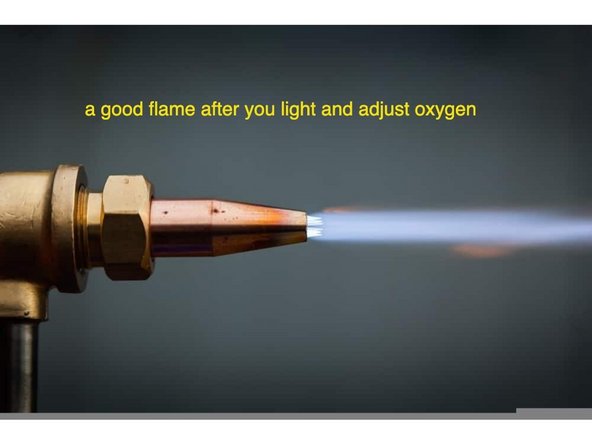
Turn the oxygen valve on the torch handle slowly. The flame changes from yellow to blue. A short, bright blue flame with a sharp inner cone means you have the right mix.
8. Fine-tune The Flame
Adjust both acetylene and oxygen valves until you get a neutral flame. This is the safest and most useful flame for most jobs.
Flame Types And Adjustments
A proper flame is key to clean, safe work. There are three main flame types:
1. Neutral Flame
- Inner blue cone and outer envelope are equal length
- No feather on the inner cone
- Used for welding steel, general heating
- Temperature about 3,200°C (5,792°F)
2. Carburizing (reducing) Flame
- Inner blue cone has a long, fuzzy feather
- More acetylene than oxygen
- Used for welding high-carbon steel, lead, or some non-ferrous metals
3. Oxidizing Flame
- Short, pointed inner cone
- More oxygen than acetylene
- Used for cutting, some brass work
| Flame Type | Oxygen:Acetylene Ratio | Main Use |
|---|---|---|
| Neutral | 1:1 | Welding steel |
| Carburizing | 0.8:1 | Lead, high-carbon steel |
| Oxidizing | 1.2:1 or more | Cutting, brass |
Always use a neutral flame for starting. Adjust for special tasks only if you know the metal’s needs.
Common Mistakes To Avoid
Even skilled workers make mistakes. Here are errors many beginners miss:
- Lighting with too much acetylene: This makes a loud pop, pushes the flame off the tip, and can ignite gas nearby.
- Skipping hose purging: Leftover air can cause a flash or puff at ignition.
- Using a match or lighter: These can ignite gas in your hand or pocket.
- Setting acetylene pressure above 15 psi: This risks cylinder instability and possible explosion.
- Ignoring leaks: Even small leaks can build up gas in the workspace.
- Holding the torch near your face: Always keep the tip away from your body when lighting.
- Not wearing goggles: Even a quick flash can damage your eyes.
Shutting Down The Acetylene Torch Safely
Turning off the torch is as important as lighting it. Wrong shutdown steps can pull air into the hoses or cause flashbacks.
Step-by-step Shutdown
- Close the acetylene valve on the torch handle first. The flame should go out.
- Close the oxygen valve on the torch handle next.
- Close both cylinder valves (acetylene and oxygen) at the source.
- Open the torch valves one at a time to bleed pressure from the hoses, then close again.
- Back out the regulator adjusting screws until loose.
- Coil hoses neatly and store the torch in a safe, dry place.
Never leave pressure in hoses. This can cause leaks or pressure buildup when stored.
Checking And Maintaining Equipment
Good maintenance prevents most torch accidents. Inspect before each use.
- Check hoses for cracks, burns, or soft spots.
- Test for leaks with soapy water after connecting.
- Clean torch tips with the right size tip cleaner.
- Replace worn parts right away.
A well-maintained torch lasts longer and works better. Poor maintenance leads to unstable flames, leaks, or sudden failures.
Flashback Arrestors And Check Valves
Some torches include extra safety devices. Flashback arrestors stop flames from traveling back into hoses or cylinders. Check valves prevent gas from flowing in the wrong direction.
- Install flashback arrestors on both the torch and regulator ends.
- Replace faulty arrestors immediately.
- Never swap oxygen and acetylene hoses.
| Device | Function | Placement |
|---|---|---|
| Flashback Arrestor | Stops reverse flame travel | Torch and/or regulator |
| Check Valve | Prevents reverse gas flow | In hose near torch |
Many industrial codes require these devices. They lower risk, especially for beginners.
Troubleshooting Common Flame Problems
A stable flame means safe, clean work. Here are common flame issues and fixes:
Flame Pops Or Goes Out
- Check for leaks or blocked tip.
- Make sure you’re not using too much acetylene.
- Purge hoses and relight.
Flame Is Loud Or Unsteady
- Lower gas pressure to recommended levels.
- Check for loose connections or worn tips.
Sooty, Smoking Flame
- Too much acetylene, not enough oxygen.
- Adjust valves for a neutral flame.
Flame Won’t Light
- Tip may be blocked or too close to the work.
- Check for gas flow and clean the tip if needed.
If problems persist, stop work and inspect the system fully. Do not force the torch or try to “push through” with high pressure.
Special Safety Tips For Home And Shop Users
Many people use acetylene torches in home garages or small shops. Follow these extra tips:
- Store cylinders upright, chained to a wall.
- Never store acetylene in hot or enclosed spaces.
- Transport cylinders with caps on and valves shut.
- If you smell gas, shut everything off and ventilate the area.
- Never use oil or grease on fittings or valves—these can ignite with oxygen.
If you work in a shared space, tell others when you use the torch and post “No Smoking” signs.
Advanced Adjustments: Using Different Tips And Attachments
As you gain skill, you may use different torch tips for various jobs. Each tip size and shape affects the flame.
- Welding tips: For joining metals; smooth, neutral flame.
- Cutting tips: For slicing through metal; uses a high-pressure oxygen jet.
- Heating tips: For bending or shaping; wider, softer flame.
Always match the tip to the job and adjust pressures according to the tip chart. Using the wrong tip or pressure can damage the workpiece or cause flashbacks.
Credit: makers.dozuki.com
Legal And Industry Standards
In many regions, torch use is regulated. Workers may need training or certification. Follow guidelines from the Occupational Safety and Health Administration (OSHA) or similar agencies in your country.
Some standards to check:
- OSHA 1910.253: Oxygen-fuel gas welding and cutting
- American Welding Society (AWS) safety codes
Workplace insurance may require proof of training or regular equipment checks. For more information on regulations, see the OSHA Welding, Cutting, and Brazing Safety page.
Two Non-obvious Insights For Beginners
1. The “Quarter Turn” Rule for Acetylene Valves: Many new users open the acetylene cylinder valve fully. This is a mistake. Acetylene valves are designed to be opened only a quarter turn. In emergencies, this lets you shut the gas off quickly. Opening it further can jam the valve or slow your response.
2. Importance of Tip Cleaning: Blocked torch tips cause irregular flames, pops, or backfires. Even small bits of metal or soot lower safety and flame quality. Many beginners forget to clean tips regularly. Use a proper tip cleaner, not needles or wires that can scratch the metal.

Credit: www.youtube.com
Example Workflow: Lighting And Adjusting Safely
To make the process clear, here’s a summary workflow for lighting and adjusting an acetylene torch:
- Put on all PPE.
- Check and secure cylinders.
- Attach regulators, hoses, and torch handle.
- Check all connections for leaks.
- Set correct gas pressures.
- Purge hoses.
- Open acetylene valve slightly, ignite with spark lighter.
- Adjust acetylene for a steady flame.
- Slowly add oxygen for a neutral flame.
- Fine-tune as needed for your task.
Reverse the process to shut down, closing acetylene first.
Frequently Asked Questions
What Is A Neutral Flame And Why Is It Important?
A neutral flame has equal parts acetylene and oxygen. It produces a clean, blue flame with a sharp inner cone. This flame does not add or remove carbon from the metal, so it gives the best results for general welding and cutting. Using the wrong flame type can weaken joints or damage the workpiece.
Why Should I Never Use Oil On Oxygen Fittings?
Oxygen reacts violently with oil or grease. Even a small amount can cause fire or explosion under pressure. Always keep fittings clean and dry. Use only approved lubricants if the equipment maker allows it.
What Should I Do If I Smell Gas While Using The Torch?
Stop work immediately. Shut off both cylinder valves and move to fresh air. Check for leaks with soapy water, not a flame. Repair or replace faulty parts before using the torch again. Never ignore the smell of gas.
Can I Use An Acetylene Torch Outdoors?
Yes, but be careful. Wind can blow the flame out or cause it to pop. Shield the flame if possible and avoid working in rain or wet conditions. Always keep cylinders upright and secure, even outdoors.
How Often Should I Check My Equipment?
Check hoses, regulators, and torches for leaks and damage before every use. Clean torch tips weekly or after heavy use. Replace parts that show wear, rust, or cracking right away. Good maintenance prevents accidents.
Lighting and adjusting an acetylene torch safely is not difficult, but it requires attention to detail and respect for the equipment. With the right steps, you can work efficiently and avoid most risks. Practice these methods until they become a habit.
This way, every job stays safe, clean, and successful.

Credit: www.wikihow.com