Disclosure: This post contains affiliate links and I will be compensated if you make a purchase after clicking through my links. Learn More
Galvanized metal is popular in many projects because it resists rust and lasts a long time. People use it for fences, roofs, buckets, outdoor furniture, and even home decorations. But painting galvanized metal can be tricky. If you paint it without the right preparation, the paint can peel, bubble, or flake off in a short time.
This is frustrating and can waste time and money.
Many people try to paint galvanized metal the same way they paint regular steel or iron. They often find that the paint does not stick, or it wears off quickly. The reason is simple: galvanized metal has a special zinc coating that protects it from rust. This coating is both a strength and a challenge. It keeps the metal strong, but it makes it hard for paint to grip the surface.
Cleaning galvanized metal before painting is the most important step. Many beginners miss small problems like leftover oil, fingerprints, or tiny spots of rust. These can all ruin your paint job. If you want the paint to last, you must clean the surface well.
This article will guide you, step by step, through the best way to clean galvanized metal before painting. You will learn which materials work best, which cleaning mistakes to avoid, and how to tell if your metal is ready for paint.
We will also compare different cleaning products, show you how to handle new versus old galvanized surfaces, and share tips that experts use. By the end, you will have clear, simple instructions you can trust—no guessing, no confusion, just solid results.
Why Cleaning Galvanized Metal Matters
Paint does not stick well to dirty or oily surfaces. Galvanized metal often has a layer called passivation or white rust. This is a very thin, sometimes invisible film that forms during manufacturing to protect the metal. It can make your paint job fail if you do not remove it.
Some people think a quick wipe with a wet rag is enough. This is not true. Even a small amount of oil or dust can cause paint to bubble or peel. Careful cleaning makes the surface rough enough for paint to stick.
It also removes invisible barriers. If you skip cleaning, you may have to redo the whole job.
Tools And Materials You Will Need
Gather everything you need before you start. This makes the process faster and helps you avoid mistakes.
- Mild detergent (like dish soap)
- Clean water
- White vinegar
- Scouring pad (non-metallic, to avoid scratching)
- Lint-free rags or microfiber cloths
- Rubber gloves (to protect your hands)
- Bucket
- Soft-bristle brush
- Clean sponge
- Sandpaper (fine-grit, usually 220 to 320 grit)
- Tack cloth
- Paint thinner or mineral spirits (for very oily metal)
- Safety goggles and mask (if using strong cleaners)
You may not need every item, but having them ready helps you deal with any problem.
Credit: home.howstuffworks.com
Step-by-step Guide To Cleaning Galvanized Metal
1. Inspect The Surface
Look at the metal under good light. Check for:
- Dust or dirt
- Grease or oil
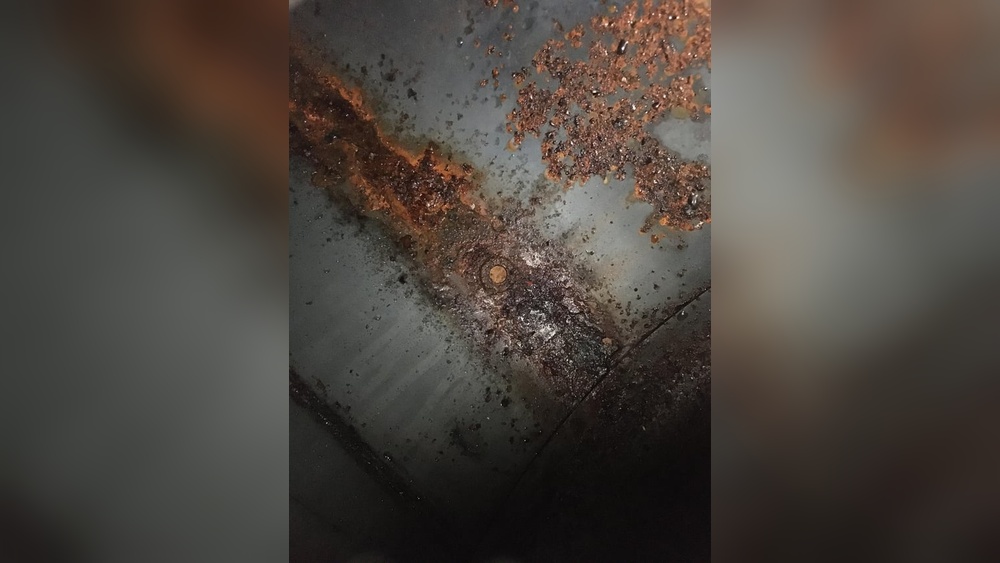
- White chalky spots (white rust)
- Rust stains or scratches
If you see any of these, note where they are. You will need to focus on those areas.
2. Remove Loose Dirt And Dust
Start by brushing off all loose dirt, dust, or spider webs. Use a soft-bristle brush. Do not use a wire brush. Wire brushes can scratch the zinc coating and cause rust later.
Wipe the metal with a dry microfiber cloth. This step is simple but important.
3. Wash With Mild Detergent
Mix a few drops of dish soap in a bucket of warm water. Put on rubber gloves. Use a sponge or soft brush to scrub the metal. Focus on corners and edges where dirt hides.
Rinse with clean water. You can use a hose for large objects or a wet cloth for small pieces. Dry with a lint-free cloth.
Many skip drying, but leaving water on the surface can cause water spots. These spots can stop paint from sticking.
4. Remove Oil And Grease
Galvanized metal often has oil from the factory. This is called mill oil. Paint will not stick to it.
Use paint thinner or mineral spirits for oily spots. Pour a little on a clean rag and wipe the area. Do not pour these directly on the metal. Always use gloves and work in a well-ventilated space.
For new galvanized steel, this step is essential. Older metal may not need it if it looks dull and clean.
5. Treat White Rust (passivation Layer)
White rust is a powdery or chalky deposit. It forms when water sits on galvanized metal. White rust will keep paint from sticking.
Mix equal parts white vinegar and water. Dip a cloth in the solution and wipe the affected spots. Let it sit for 5-10 minutes. Scrub gently with a scouring pad (not steel wool). Rinse with clean water and dry well.
Vinegar is an acid. It reacts with zinc and removes the passivation layer. Do not let it sit for too long, or it may damage the zinc.
6. Sand The Surface (if Needed)
Lightly sanding the surface helps paint stick. Use fine-grit sandpaper (220 to 320 grit). Sand in one direction. Do not sand too hard. You want to dull the shine, not remove the zinc coating.
Wipe away dust with a tack cloth. This cloth picks up fine particles and leaves no residue.
You may skip sanding if your metal is already dull and clean, but for glossy or very smooth surfaces, this step improves results.
7. Final Wipe Down
Use a clean, damp cloth to wipe the surface one last time. Let the metal dry completely. Do not touch it with bare hands. Fingerprints can leave oil behind.
Now, your galvanized metal is ready for primer and paint.
Cleaning New Vs. Old Galvanized Metal
Not all galvanized metal is the same. New and old surfaces need different care.
New Galvanized Metal
New metal usually has a shiny look and feels a bit slippery. It often has mill oil and a strong passivation layer. This makes cleaning harder.
You must:
- Remove all oil with paint thinner.
- Use vinegar to break the passivation layer.
- Sand lightly to dull the shine.
If you skip these steps, paint will likely peel.
Old Galvanized Metal
Old metal may look dull, gray, or have small rust spots. Most oils and passivation layers are gone. You may only need:
- Washing with mild detergent.
- Light sanding.
- Removing any rust.
If there is heavy rust, you need a rust remover or a wire brush. But be careful not to scratch into the zinc layer.

Credit: southatlanticllc.com
Comparing Cleaning Methods For Galvanized Metal
Different methods and products can clean galvanized metal. Each has pros and cons. Here is a simple comparison for quick reference:
| Cleaning Method | Best For | Strengths | Weaknesses |
|---|---|---|---|
| Mild Detergent & Water | General dirt, dust | Safe, easy, cheap | Not strong enough for oil/white rust |
| Paint Thinner / Mineral Spirits | Oil, grease | Very effective for oil | Flammable, strong smell |
| White Vinegar Solution | Passivation, white rust | Removes invisible film, cheap | Can over-etch if left too long |
| Fine-Grit Sandpaper | Smooth, shiny metal | Improves paint grip | Can damage zinc if overused |
Common Mistakes And How To Avoid Them
Many people make the same errors when preparing galvanized metal for paint. Here are some common mistakes and how to avoid them:
1. Skipping The Cleaning Step
Some people go straight to painting, thinking the surface looks clean. Even if it looks clean, there may be oil or a passivation layer you cannot see. Always clean first.
2. Using Strong Acids
Some advice suggests using strong acids like muriatic acid. This can damage the zinc layer, making the metal rust faster. Use white vinegar or a cleaner made for galvanized metal.
3. Scratching The Surface
Wire brushes and steel wool can scratch the zinc coating. Scratches let water in and cause rust. Use non-metallic pads or fine sandpaper.
4. Not Rinsing Cleaners Off
Leaving soap or vinegar on the surface can cause problems with paint sticking. Always rinse and dry well.
5. Touching The Surface Before Painting
Natural oils from your skin can create spots where paint will not stick. Wear gloves and avoid touching the cleaned surface.
6. Not Letting The Metal Dry
Moisture trapped under paint can cause blistering and peeling. Make sure the metal is fully dry before painting.
Preparing The Metal For Primer
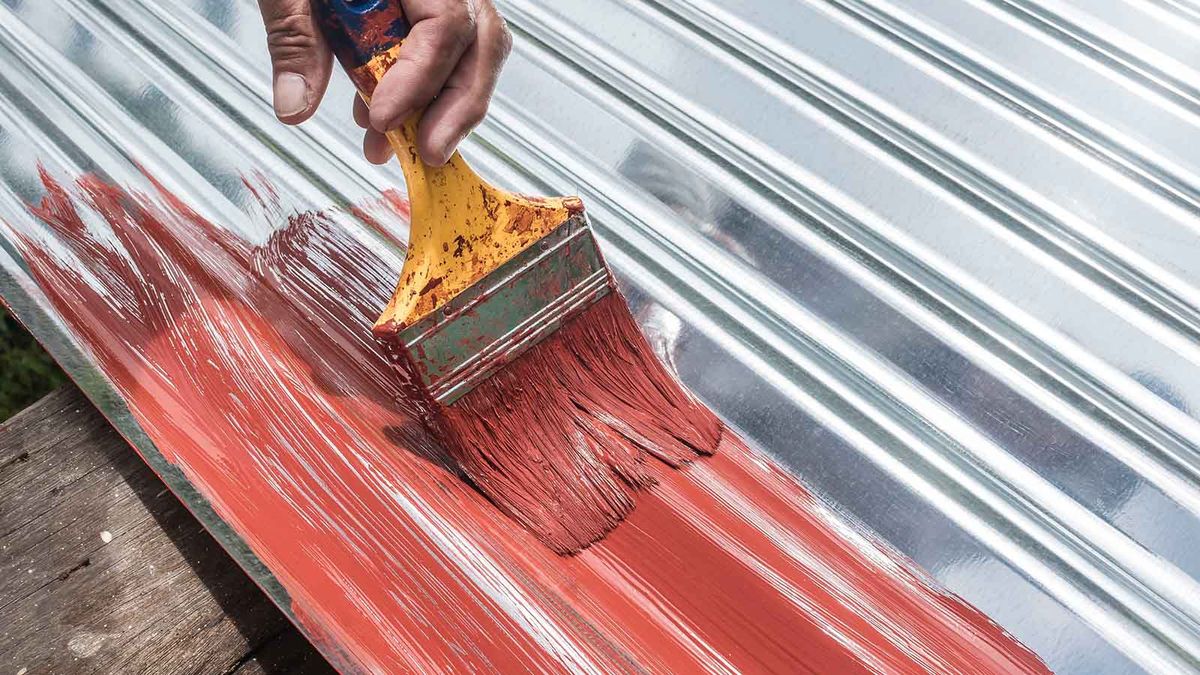
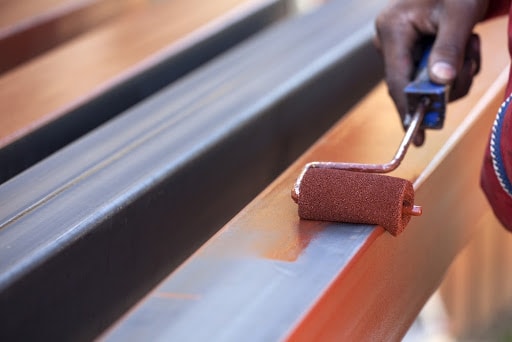
Once the metal is clean, you need to prime it. Primer helps paint stick and keeps rust away. Use a primer made for galvanized metal.
How To Prime Galvanized Metal
- Choose the right primer. Look for “galvanized metal primer” or “bonding primer.” Standard primers may not work.
- Apply thin, even coats. Use a brush or spray, depending on the size of the metal.
- Let the primer dry fully. Drying time depends on the product and temperature (usually 2-4 hours).
- Check for bare spots. If you see any, touch them up before painting.
Some high-quality paints say you can use them without primer, but for best results, always use a primer.
Dealing With Rust On Galvanized Metal
Rust is a sign that the zinc coating has worn away. If you see rust, you need to remove it before painting.
- Scrape off loose rust with a plastic scraper or soft brush.
- Sand the area with fine-grit sandpaper.
- Clean the dust with a tack cloth.
- If the rust is deep, use a rust converter. This turns rust into a paintable surface.
- Prime the area before painting.
Do not use harsh chemicals or heavy wire brushes. These can damage healthy zinc nearby.
Special Tips For Large Or Complex Projects
Cleaning a small metal box is simple. Large projects, like fences or roofs, need extra care.
Outdoor Cleaning
- Work on a dry, mild day. Humidity and rain can cause new rust spots.
- Use a hose or pressure washer for big surfaces, but dry them quickly.
- Break the job into sections. Clean and paint one area at a time.
Complex Shapes
- Use small brushes or old toothbrushes to reach corners and grooves.
- Inspect hidden spots. Rust and dirt often hide in folds or seams.
Safety
- Wear gloves, goggles, and a mask when using chemicals.
- Work outside or in a well-ventilated area.
- Keep children and pets away from your work zone.
How To Check If The Metal Is Ready For Paint
Before you paint, check if the metal is ready.
- Run your hand (with a glove) over the surface. It should feel smooth but not slippery.
- Look for any shiny spots. These may need more sanding or cleaning.
- Splash a little water on the surface. If it beads up, there may still be oil left. Clean again if needed.
If your surface passes these checks, you are ready to prime and paint.
Paint Compatibility With Galvanized Metal
Not all paints work on galvanized metal. Some paints react with zinc and peel away.
Best Paint Types
- Acrylic latex paint (water-based): Good for most uses, dries fast.
- Epoxy paint: Very strong, good for outdoor items.
- Alkyd paint: Needs a special primer to avoid peeling.
Paints To Avoid
- Oil-based paints without primer. They often react with zinc and fail.
- Cheap spray paints. Many do not stick to galvanized surfaces.
Check the label. If it says “for galvanized metal,” you are safe.
How Long Does The Cleaning Process Take?
Time depends on the size and condition of the metal.
- Small objects: 30–60 minutes.
- Large panels or fences: 2–4 hours.
Do not rush the drying steps. Paint sticks best when the surface is fully dry.
How Weather And Temperature Affect Cleaning
Weather can change how you clean and paint.
- In cold weather, cleaners and water dry slower. Wait longer before painting.
- In hot, humid weather, sweat and moisture can land on the metal. Wipe it dry often.
- Avoid painting in direct sunlight. The metal can get too hot, making paint dry too fast and peel.
How Cleaning Affects Paint Lifespan
Good cleaning can make paint last years longer. Studies show that paint on properly cleaned galvanized metal can last two to three times longer than paint on metal that was not cleaned well. This means fewer touch-ups and better protection for your project.
Real-world Example: Painting A Galvanized Fence
Suppose you have a galvanized steel fence. It looks old and dull, and you want to paint it to match your house.
- Start by brushing off all dust and spider webs.
- Wash with mild detergent and rinse.
- Use paint thinner on spots that look oily.
- Wipe with a vinegar solution to remove the passivation layer.
- Sand any shiny spots.
- Dry the fence completely.
- Prime and paint with acrylic latex paint.
If you follow these steps, your paint will stick well and look good for many years.
Quick Reference: Cleaning Galvanized Metal Before Painting
Here is a summary to help you remember the steps:
| Step | What To Do | Why It Matters |
|---|---|---|
| Inspect | Check for dirt, oil, rust | Find problem areas early |
| Brush | Remove loose dirt | Clean starting point |
| Wash | Use soap and water | Remove most grime |
| Degrease | Paint thinner on oil spots | Helps paint stick |
| Remove Passivation | Wipe with vinegar | Prepares zinc surface |
| Sand | Lightly dull shiny metal | Improves grip for paint |
| Dry | Wait until fully dry | Prevents bubbles/peeling |
Credit: universalgalvanizing.com
Two Insights Beginners Miss
- Passivation Layer: Many beginners do not realize new galvanized metal has a nearly invisible chemical layer (passivation). Regular cleaning will not remove it. Vinegar is needed to break it down.
- Touching Clean Metal: Even clean hands leave oil on metal. A single fingerprint can cause paint to peel later. Always wear gloves after cleaning.
Expert Advice For The Best Results
- Test a small area first. Paint a small spot and check if it sticks after it dries.
- Use new sandpaper and clean rags. Old, dirty tools can add oil or grit back to the surface.
- Store cleaned metal in a dry place before painting. Humidity can add new moisture or dirt.
When To Hire A Professional
For small projects, you can do the cleaning yourself. For large roofs, tanks, or safety-critical structures, consider hiring a professional. They have tools to clean and coat large surfaces safely. Poor preparation on big projects can lead to expensive repairs.
To learn more about galvanized steel and painting, you can read the guide on Wikipedia.
Frequently Asked Questions
What Happens If I Paint Galvanized Metal Without Cleaning It First?
The paint will likely peel, bubble, or flake off quickly. Dirt, oil, and the passivation layer keep paint from bonding to the metal. You may need to redo the job much sooner.
Can I Use Bleach To Clean Galvanized Metal Before Painting?
No. Bleach can react with zinc and cause damage. Use mild soap, vinegar, or cleaners made for galvanized metal.
How Do I Know If I Removed All The Oil From The Surface?
After cleaning, splash a little water on the metal. If it spreads evenly and does not bead up, the oil is gone. If it beads, clean again with paint thinner.
Should I Use A Pressure Washer To Clean Galvanized Metal?
You can use a pressure washer for large outdoor surfaces, but use low pressure. High pressure can damage the zinc coating. Always dry the metal well after washing.
Can I Paint Over Rust On Galvanized Metal?
No. Paint will not stick to rust and the rust will spread. Remove all rust, sand smooth, and prime before painting.
Cleaning galvanized metal before painting takes time and care, but the results are worth it. With proper preparation, your paint will look better and last much longer. Follow these steps and enjoy a finish that protects and improves your metal project.