Disclosure: This post contains affiliate links and I will be compensated if you make a purchase after clicking through my links. Learn More
If you want to become a welder in New Jersey, you need the right training, certifications, and skills. This guide breaks down every step, from education to landing your first welding job, including tips to succeed in the welding industry.
Why Welding Is A Smart Career Choice In New Jersey
Welding is more than just joining metals. It’s a skill that keeps New Jersey’s bridges, highways, factories, and energy plants working. The state has thousands of job openings every year, with welders earning $23 to $32 per hour on average. Many companies offer overtime, strong union benefits, and room for growth. New Jersey’s economy depends on skilled tradespeople, making welding a secure career with long-term potential.
What makes welding stand out in New Jersey is how many industries rely on it. From the busy ports in Newark to the pharmaceutical and food processing plants in central Jersey, welders keep critical systems running. Repairing water pipes after winter freezes, maintaining train lines, or building new solar farms—these all need skilled welders.
This means you’re not limited to one type of job or location.
Welding is also resistant to automation. While some manufacturing jobs are being replaced by robots, welding often requires careful, on-site adjustments a machine can’t handle. This gives welders extra job security. Another overlooked benefit: many welding jobs let you move up quickly if you show skill and responsibility. It’s a career where your effort gets noticed.
What Does A Welder Do?
A welder uses heat to fuse or cut metals for construction, manufacturing, shipyards, and repair shops. You might build skyscraper frames, repair pipelines, or create custom metalwork. Welders need to understand blueprints, know different welding processes, and follow strict safety rules. The work can be indoors or outdoors, sometimes in tight spaces or at heights.
Beyond just melting and joining metals, welders also prepare surfaces, measure and cut materials, and inspect finished welds for cracks or weak spots. In New Jersey, many welders also do basic fabrication—bending, grinding, or fitting parts before welding. Sometimes you’ll need to work in extreme temperatures, like repairing hot boilers or welding outdoors in winter.
Welders in NJ often handle emergency jobs, such as fixing broken machinery on short notice or repairing damaged infrastructure after storms. Employers expect you to work quickly and adapt to changing plans. Good welders also document their work, keep equipment in top shape, and help train new team members.
Essential Skills For Welding Success
You need more than muscle and tools. The best welders in New Jersey combine technical know-how with problem-solving and communication. Here’s what employers look for:
- Manual dexterity: Steady hands and good eye-hand coordination
- Math skills: Measuring, reading blueprints, calculating angles
- Attention to detail: Spotting flaws and fixing them fast
- Physical stamina: Standing for hours, lifting heavy materials
- Safety focus: Following OSHA and site rules to prevent injuries
Two insights most beginners miss: First, strong visual inspection skills are as critical as actual welding. Second, employers value your punctuality and reliability as much as your technical skill. Show up ready, every day.
Another skill often underestimated is adaptability. Welding jobs can change daily—a factory shutdown, a new blueprint, or a surprise repair call. Being able to switch tasks and still produce quality work is highly valued. Also, modern welding sometimes includes using digital equipment or basic computer controls, especially in larger NJ factories.
Don’t overlook teamwork. Welders often work with pipefitters, electricians, or engineers. Being able to explain a welding problem or listen to safety instructions makes you a better hire. Many welding projects are tight on deadlines, so being someone others can count on sets you apart.
Step-by-step: How To Become A Welder In Nj
Getting started requires a plan. Let’s break down each stage so you can move forward with confidence.
1. Finish High School Or Get A Ged
Almost every welding employer in New Jersey requires a high school diploma or GED. Basic math, science, and reading skills are essential for understanding instructions and safety standards. If you’re still in school, focus on shop, math, and science classes.
Many technical high schools in New Jersey offer “pre-apprenticeship” programs that let you start learning welding basics early. Even if your school doesn’t, taking algebra and basic physics will help you understand the forces and measurements used in welding. Reading comprehension is just as important—welders must follow detailed instructions and safety manuals daily.
2. Choose A Welding Training Path
You have three main ways to learn welding in New Jersey:
A. Vocational High School Programs
Some NJ high schools offer welding courses as part of their career and technical education. These programs combine classroom learning with hands-on practice, setting you up for advanced training after graduation.
Students may start with simple welds and gradually learn more advanced techniques, such as TIG welding and blueprint reading. These programs often arrange field trips to local shops or invite guest welders to speak, giving you a better idea of the real work environment.
If you do well, you might even earn credits that count toward a technical school or apprenticeship.
B. Community Colleges And Technical Schools
Most future welders choose a certificate or associate degree from a technical school or community college. Programs last from a few months to two years and include:
- Welding theory
- Safety procedures
- Practice with MIG, TIG, Stick, and Flux-cored welding
- Blueprint reading
Top NJ welding schools include:
- Lincoln Tech (South Plainfield, Mahwah)
- Ocean County Vocational Technical School
- Middlesex County College
- Rowan College of South Jersey
Some programs offer evening or weekend classes, making it easier to study while working. Many schools have job placement services, helping connect you to employers as soon as you finish. Look for programs that offer certification testing as part of the course—this saves time and money later.
C. Apprenticeships
You can also learn on the job as a welding apprentice. Unions and some employers offer paid apprenticeships, usually lasting 2-4 years. You work under a skilled welder, get classroom instruction, and earn a wage from day one.
Apprenticeships are competitive but offer great long-term benefits, such as guaranteed raises, health insurance, and hands-on training. Some apprenticeships rotate you through different job sites, so you learn a wide range of welding skills—industrial, structural, and even HVAC or marine welding.
It’s common to get a full-time job offer at the end if you perform well.
3. Pick The Right Welding Certification
New Jersey employers almost always require industry-recognized certifications. The most important is the American Welding Society (AWS) Certified Welder credential. Other common options are:
- Certified Welding Inspector (CWI)
- Certified Welding Educator (CWE)
- Specialized certifications for pipe, structural, or underwater welding
AWS tests require you to complete practical welding tasks according to strict codes.
Some employers may request extra certifications, such as ASME Section IX for pressure vessels or API 1104 for pipeline welding. It’s smart to ask local employers what they require before you invest time and money in multiple tests. If you want to work on public projects, like bridges or schools, you may need additional state or federal credentials.
4. Get Hands-on Experience
Practice matters in welding. Most job offers go to candidates with real-world training, not just classroom time. You can:
- Take part in school shop projects
- Complete internships or co-ops with local businesses
- Join summer job programs
- Volunteer for community construction or repair projects
The more types of metal and welding styles you practice, the more valuable you become.
Don’t just stick to the basics—try welding stainless steel, aluminum, or even cast iron if you get the chance. Each material has its quirks, and employers notice welders who can handle tough jobs. Consider asking instructors for extra practice or entering student welding competitions, which are common in New Jersey and look great on your resume.
5. Apply For Your First Welding Job
Once certified, you’re ready to work. Common entry-level jobs in New Jersey include:
- Welder/fabricator
- Welder helper/assistant
- Maintenance welder
Update your resume, list your certifications, and include any hands-on projects. Call local unions, staffing agencies, and companies in industries like construction, manufacturing, and shipbuilding. Many jobs are filled through referrals, so network with instructors and classmates.
When applying, be ready to take a practical welding test. Employers often ask you to demonstrate a weld on the spot. Bring copies of your certifications and a list of references. If you don’t get the first job you try for, ask for feedback—sometimes a small skill gap or missing certification is all you need to fix.
Welding Schools In New Jersey: A Closer Look
Choosing the right school is a big decision. Let’s compare a few popular New Jersey welding programs:
| School | Program Length | Approx. Cost | Certifications Offered |
|---|---|---|---|
| Lincoln Tech | 9-12 months | $18,000-$20,000 | AWS, OSHA |
| Rowan College of South Jersey | 1-2 years | $6,000-$10,000 | AWS |
| Ocean County Vo-Tech | 1 year | $3,500-$4,500 | AWS |
| Middlesex County College | 1-2 years | $8,000-$12,000 | AWS, SENSE |
Look for programs that offer small class sizes, modern equipment, and opportunities to practice real job tasks.
When visiting a school, ask if you can tour the welding shop and see students at work. Check if the school has up-to-date machines, good ventilation, and clear safety procedures. Some schools help you prepare for interviews and even host job fairs with local employers.
Don’t forget to ask about job placement rates—schools with strong employer connections make your job hunt much easier.
Types Of Welding Jobs In New Jersey
Welders work in many industries. Here’s a quick comparison of common welding job types:
| Job Type | Typical Employer | Skills Needed | Typical Pay Range |
|---|---|---|---|
| Structural Welder | Construction firms | MIG, Stick | $24-$34/hr |
| Pipe Welder | Oil, gas, water utilities | TIG, Pipe fitting | $28-$38/hr |
| Industrial Welder | Manufacturing plants | MIG, TIG | $22-$30/hr |
| Maintenance Welder | Factories, schools | Repair, troubleshooting | $20-$28/hr |
Pipe welders and those willing to travel or work overtime often earn the highest pay.
Another specialty in New Jersey is marine welding, used in shipyards along the coast and in ports. These jobs pay more because of the difficult conditions—working around water, in confined spaces, or even underwater. Some welders move into robotic welding technician roles, programming and fixing automated welders in large factories. This requires basic computer skills but can lead to higher pay and less physical strain.
Key Welding Certifications And What They Mean
Certification proves you can do the job safely and correctly. Here’s a breakdown of the top credentials:
- AWS Certified Welder: The industry standard for most jobs. Shows you meet national skill standards.
- AWS D1.1 Structural Welding: Required for building bridges and structures.
- AWS D1.5 Bridge Welding: Needed for highway and transit projects.
- ASME Section IX: Common for pipe and pressure vessel welding.
- OSHA 10/30: Basic safety training required on many job sites.
Testing for these involves hands-on welding under an examiner’s supervision. Passing means higher pay and more job options.
Some welders also get the SENSE (Schools Excelling through National Skills Education) certification, which proves you’ve mastered entry-level skills. If you plan to work in hazardous environments, extra certifications in confined space entry or working at heights are valuable. Don’t forget: certifications need to be renewed regularly, and keeping them current makes you more competitive.
Understanding Welding Unions In New Jersey
Many welders join a union for better wages, benefits, and job security. The main unions for NJ welders are:
- Ironworkers Local 399
- Boilermakers Local 28
- Pipefitters Local 274
Union membership can offer:
- Guaranteed minimum pay rates
- Health and retirement benefits
- Access to apprenticeships and advanced training
- Job placement help
Union jobs often require you to complete their own apprenticeship programs and pass extra tests.
Some unions have waiting lists or entrance exams, so apply early. Once you join, you get steady work assignments and access to top-notch safety gear and training. Unions also help fight for better working conditions and protect your job rights, which matters in industries with seasonal layoffs.
Welding Safety Requirements In Nj
Welding is safe when you follow the rules. New Jersey welders must meet OSHA and state safety standards. Key requirements include:
- Wearing PPE: Helmet, gloves, flame-resistant clothing, safety glasses
- Proper ventilation: To avoid fumes and gases
- Fire prevention: Keeping work areas clear and using fire blankets
- Equipment checks: Inspecting gear daily
Employers may require you to pass a physical exam and regular safety training.
Good welders also learn how to recognize symptoms of metal fume fever or heat stress. Always report broken equipment or unsafe conditions—your coworkers depend on you. New Jersey employers are strict about safety violations; repeat mistakes can cost you your job or even your career.
How To Pay For Welding School In Nj
Welding school can cost from $3,000 to $20,000. Most students use a mix of:
- Federal financial aid (FAFSA)
- NJ state grants
- Scholarships from schools, unions, or AWS
- Employer tuition reimbursement
If you join an apprenticeship, your employer or union may pay for all training costs.
Some schools offer payment plans or allow you to work part-time in their shops to reduce tuition. Apply for scholarships early—AWS awards thousands of dollars yearly to NJ students who show skill and commitment. If you’re a veteran, special grants or GI Bill funds may cover your training and equipment.
What Employers Really Want From Nj Welders
It’s not just welding skill. New Jersey companies want welders who:
- Show up on time, ready to work
- Follow instructions and safety rules
- Can pass a background check and drug test
- Communicate clearly with co-workers
Two important points: Many employers use welding tests as part of the interview. Also, having your own basic tools can give you a hiring edge.
Extra insight: Employers pay attention to your attitude during the interview. If you seem eager to learn, willing to take feedback, and show respect for safety, you’re more likely to get hired—even over someone with slightly more experience. Consider building a small portfolio with photos or videos of your best welds to show off your skill.
Common Mistakes Beginners Make
Avoid these rookie errors:
- Skipping safety training: One small mistake can mean injury or lost work time.
- Not practicing enough: Skill comes from hours with the torch, not just reading.
- Ignoring blueprint reading: Many jobs require you to understand technical drawings.
- Forgetting soft skills: Attitude and teamwork matter as much as welding technique.
- Not renewing certifications: Some credentials expire every 6 months to 3 years.
Another frequent error: Not asking questions. If you’re unsure about a weld or safety rule, ask—employers prefer a careful beginner to a careless “expert.” Also, avoid neglecting equipment maintenance. Dirty or broken gear can cause poor welds or even accidents.
How To Stand Out In The Nj Welding Job Market
To get the best jobs, go beyond the basics:
- Get multiple certifications (e.g., both MIG and TIG)
- Learn to weld exotic metals like aluminum or stainless steel
- Take extra safety courses
- Build a professional portfolio with photos of your work
- Ask instructors for job leads and references
Welders who keep learning and show pride in their work are always in demand.
Another way to stand out: join professional organizations like AWS or attend local welding expos. Networking with other welders and employers can lead to job offers you wouldn’t find online. If you’re bilingual (English-Spanish), mention it—some NJ employers value welders who can help train a diverse workforce.
Growth And Future Of Welding In New Jersey
The U.S. Bureau of Labor Statistics expects welding jobs to grow 3% nationally from 2022 to 2032, with steady demand in New Jersey. The state’s construction, infrastructure, and manufacturing projects rely on skilled welders. There is also a shortage of young welders, which means more job security and higher wages for those entering now.
State and federal investment in infrastructure—fixing bridges, upgrading water systems, and expanding public transit—means steady welding work for years to come. Green energy projects, like wind and solar farms, also need welders for both construction and maintenance. If you’re open to traveling within New Jersey, you’ll find even more opportunities, especially in the southern and coastal regions.
Day-to-day Life As A Welder In Nj
A typical day might include:
- Reading blueprints and job orders
- Setting up machines and materials
- Making welds, cuts, or repairs
- Inspecting work for flaws
- Cleaning equipment and following safety checks
You might work indoors at a factory, outside on a bridge, or inside a shipyard. Some jobs require overtime, night shifts, or travel. The work is physical, but the pride in building real things is high.
Many welders in New Jersey work on teams, coordinating with crane operators, fitters, or inspectors. Breaks can be short, especially on large projects with tight deadlines. In some jobs, you’ll rotate between tasks—welding in the morning, grinding or fitting parts in the afternoon.
The variety keeps the job interesting, and you’ll quickly build a range of skills.
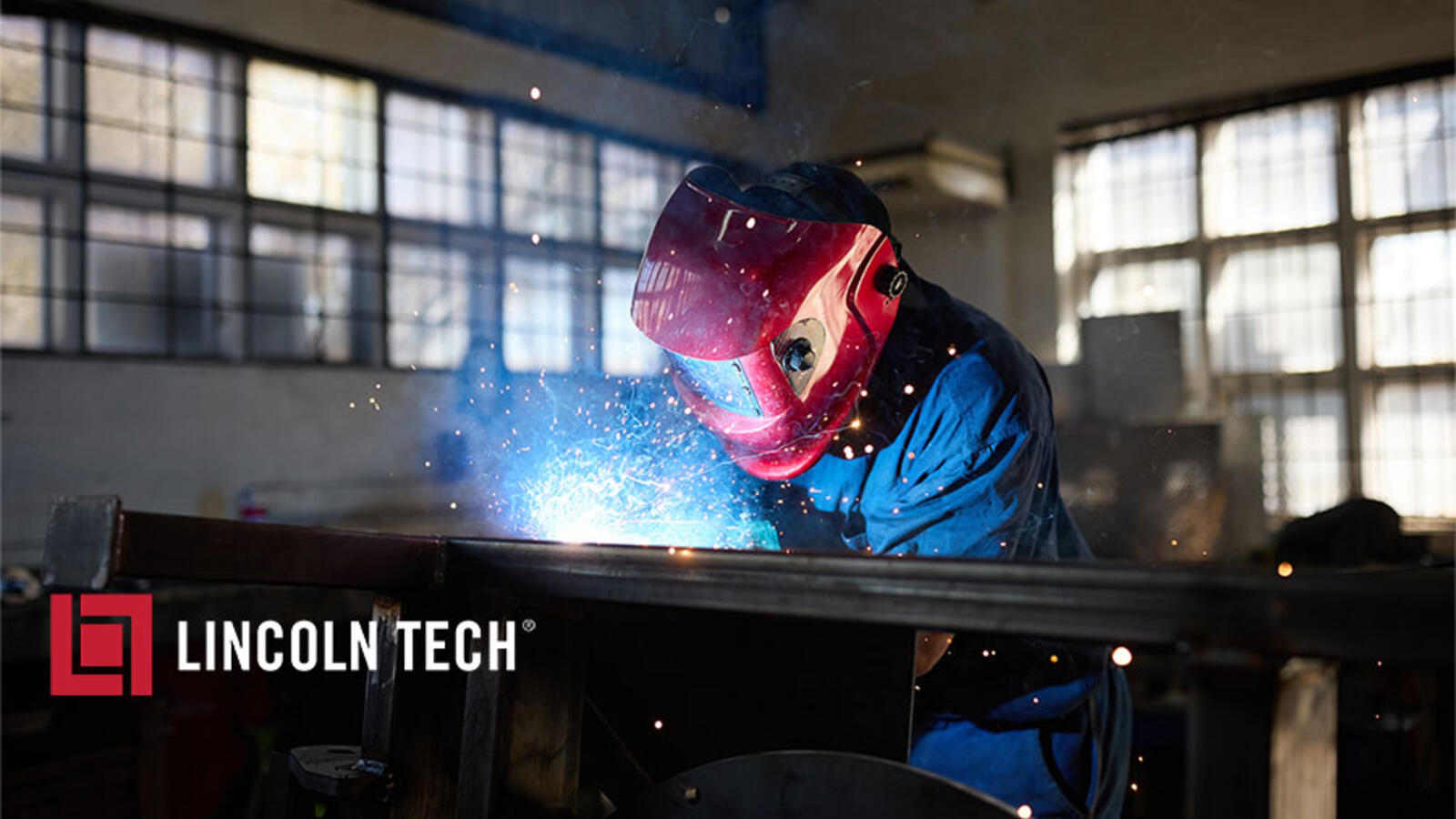
Credit: www.lincolntech.edu
Career Advancement For Nj Welders
Welding isn’t a dead-end job. You can move up to:
- Welding supervisor or foreman
- Welding inspector
- Welding instructor
- Certified welding engineer
- Project manager
Many welders start their own businesses or become contractors after a few years. Advanced certifications and good references help you move up faster.
Some welders branch into related fields, such as quality assurance, machine repair, or even sales of welding equipment. The skills you learn—problem-solving, attention to detail, teamwork—translate well into other careers. With experience, you can also teach at a technical school, helping the next generation of welders.
How Long Does It Take To Become A Welder In Nj?
Most people need 1 to 2 years from starting school to landing a full-time job. Here’s a sample timeline:
- High school diploma/GED: 4 years (if not already completed)
- Welding school or apprenticeship: 6 months to 2 years
- Certification exams: 1-2 months
Some motivated students complete training in under a year, especially with full-time programs.
If you already have basic skills or come from a construction background, you may finish faster. Some apprenticeships let you “test out” of certain modules if you show high skill early. Just remember: employers care more about your ability to do the job safely and well than how fast you complete training.
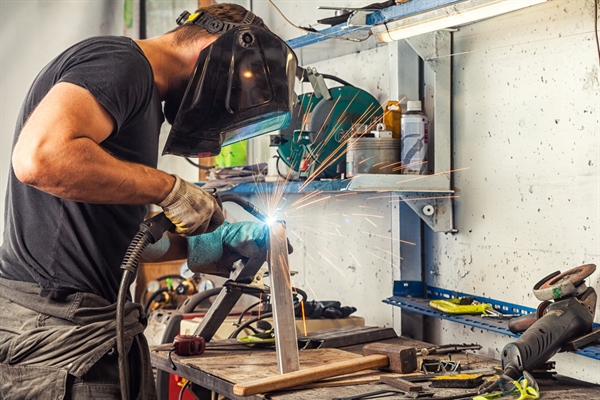
Credit: www.allstatecareer.edu
Pros And Cons Of Welding In New Jersey
Every career has ups and downs. Here’s a fair look:
Pros:
- High demand for skilled welders
- Good pay and benefits
- Overtime and union opportunities
- Pride in hands-on work
Cons:
- Physical demands and possible strain
- Hot, noisy, or outdoor environments
- Need to maintain certifications and skills
If you like working with your hands and want a stable, respected trade, welding is a strong choice.
One more insight: Welding can lead to travel or specialized contract jobs (shutdowns, turnarounds) that pay extra but require being away from home. Some welders love the adventure, while others prefer steady local work.
Resources For Nj Welding Students
There’s lots of support out there:
- American Welding Society (AWS): Scholarships, jobs, certification info
- New Jersey Department of Labor: Apprenticeship listings, job boards
- NJ community colleges: Career counseling and job fairs
- Local unions: Apprenticeship and training centers
For more detailed info, check the Welding Wikipedia page.
Many technical schools offer free workshops or open houses where you can try welding before committing to a program. Don’t be afraid to contact local employers and ask for a shop tour—seeing welding in action helps you know if it’s right for you.
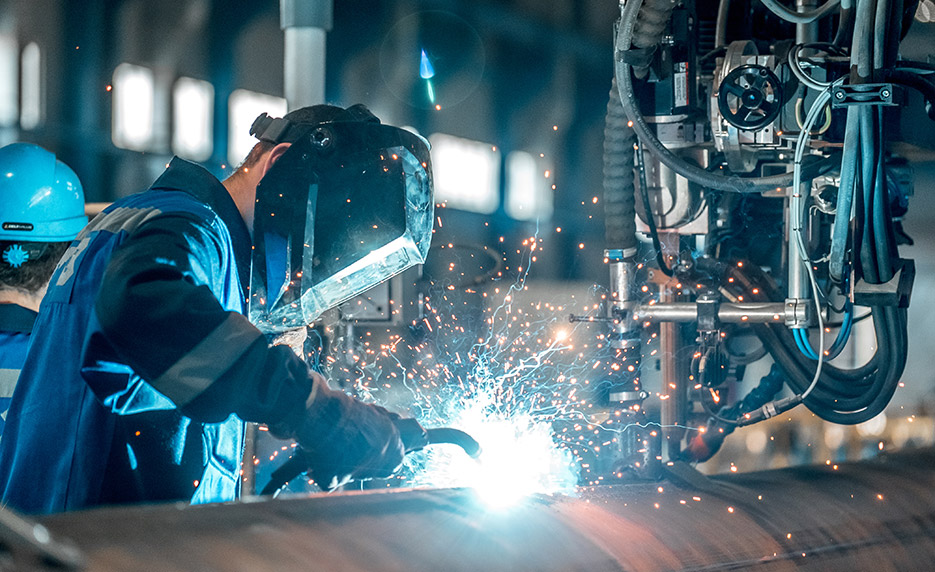
Credit: careertraining.ocean.edu
Frequently Asked Questions
How Long Does It Take To Become A Welder In Nj?
Most students need 1 to 2 years to become a welder in New Jersey. This includes school or apprenticeship and earning your welding certification. Some finish faster with full-time programs or prior experience.
What Certification Do I Need To Work As A Welder In Nj?
You need an AWS Certified Welder certificate for most jobs in New Jersey. Some employers or unions require extra credentials, like OSHA safety cards or specialized welding certifications for specific projects.
How Much Do Welders Earn In New Jersey?
Welders in New Jersey typically earn $23 to $32 per hour. Experienced welders, pipe welders, or union members can make $35 or more per hour with overtime and benefits. Pay depends on skill, location, and employer.
Are There Welding Apprenticeships In Nj?
Yes, welding apprenticeships are common in New Jersey. Unions, technical schools, and some employers offer paid programs where you learn on the job and in the classroom. Apprenticeships usually last 2 to 4 years.
Do I Need A License To Weld In New Jersey?
Most welding jobs require certification, not a state license. However, certain projects, like public works or union jobs, may require special credentials or registration with local authorities.
—
With the right training, certification, and attitude, you can build a secure and rewarding welding career in New Jersey. The state’s need for skilled tradespeople isn’t going away. If you want a job where you see real results from your work and earn a strong living, welding could be the right path for you.