Disclosure: This post contains affiliate links and I will be compensated if you make a purchase after clicking through my links. Learn More
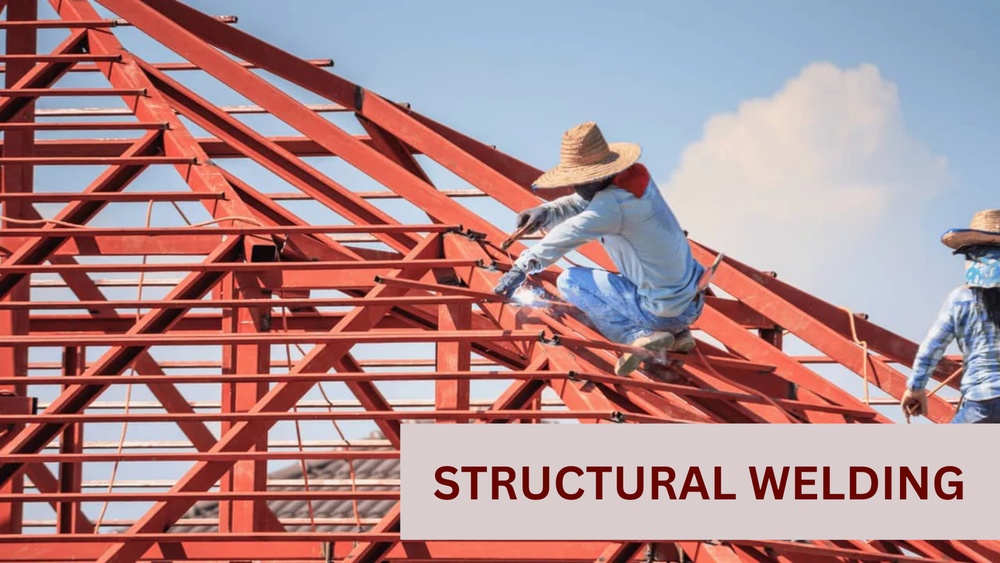
Becoming a structural welder is a solid career choice for people who like working with their hands and building things that last. Structural welders help construct bridges, buildings, ships, and other large structures. Their work keeps people safe and projects strong for years.
If you want a job that pays well and offers steady work, structural welding could be right for you. This guide will show you each step to start your career as a structural welder, including the training, skills, and tools you need.
You will also learn about the challenges, rewards, and what to expect once you start working.
What Does A Structural Welder Do?
A structural welder joins metal parts together to build or repair structures. These can include steel beams for skyscrapers, frames for stadiums, and supports for bridges. They use different welding methods, such as MIG, TIG, and stick welding, to fuse pieces of metal. Most of their work happens on construction sites or in shipyards, sometimes outdoors and sometimes in factories.
Structural welders must read blueprints, measure and cut materials, and ensure welds are strong and safe. They often work at heights or in tight spaces. Their job is demanding, but it is important for public safety and engineering.
Step 1: Understand The Job Requirements
Before you start, you need to know what the job involves. Structural welding is physical. You will stand for long periods, lift heavy objects, and sometimes work in uncomfortable positions. You need to be comfortable with heat, sparks, and noise.
Welders must also work carefully. A weak weld can cause a building or bridge to fail.
Key requirements:
- Good vision and steady hands
- Ability to read blueprints and instructions
- Physical strength and stamina
- Attention to detail
- Comfort with heights and enclosed spaces
Many employers want welders to have a high school diploma or GED. Good math skills help with measuring and reading plans.
Credit: hkfabrication.com
Step 2: Finish High School Or Get A Ged
Most employers ask for at least a high school diploma or GED. In high school, focus on math, science, and shop classes. Math helps you with measurements and calculations. Science helps you understand metals and heat. Shop classes teach you to use tools safely.
If you left school early, you can take tests to earn a GED. This is a basic requirement for most training programs and jobs.
Step 3: Research Welding Training Options
To become a structural welder, you need technical skills you can only get through training. There are three main ways to learn welding:
- Technical colleges or trade schools: These offer welding programs that last 6 months to 2 years. You learn welding techniques, safety, blueprint reading, and sometimes get hands-on practice on real projects.
- Apprenticeships: You work with experienced welders and earn money while you learn. Apprenticeships usually last 2-4 years and combine classroom lessons with work on job sites.
- Community colleges: Some offer welding certificates or associate degrees. These programs can take 1-2 years and often include general education classes.
Choose a program that fits your budget, schedule, and learning style. Some employers prefer graduates from schools with accreditation from the American Welding Society (AWS).
Step 4: Enroll In A Welding Training Program
Once you choose a school or program, apply and enroll. Many schools have open admissions, but good programs fill up fast. You may need to show your diploma or GED, take a placement test, or provide references.
During your training, you will learn:
- Types of welding: MIG, TIG, stick, and flux-cored arc welding
- Safety procedures: How to protect yourself and others from burns, fumes, and injuries
- Blueprint reading: How to understand welding plans and symbols
- Metallurgy: How metals react to heat and stress
- Cutting and grinding: How to prepare metal pieces for welding
You will spend time practicing welds on different metals, such as steel, aluminum, and stainless steel.
Example: Course Breakdown For A 1-year Welding Certificate
| Course | Hours | Skills Learned |
|---|---|---|
| Welding Safety | 40 | Protective gear, safe work practices |
| Blueprint Reading | 30 | Symbols, measurements, project plans |
| MIG Welding | 60 | Basic to advanced joints |
| TIG Welding | 60 | Precision welding, thin metals |
| Stick Welding | 70 | Structural joints, heavy steel |
| Metal Cutting & Preparation | 40 | Oxy-fuel, plasma, grinding |
| Workplace Skills | 30 | Teamwork, communication |
Step 5: Get Hands-on Experience
Welding is a skill you learn best by doing. Training programs often include lab time where you practice real welds. If you choose an apprenticeship, you will spend most of your time on job sites. The more you practice, the better your welds will become.
Tips for getting experience:
- Volunteer for extra practice in your school’s workshop
- Take part in welding competitions or projects
- Find summer jobs or internships in construction or manufacturing
Practice different types of welds and positions, such as flat, horizontal, vertical, and overhead. Employers want welders who can work in any position and make clean, strong welds every time.

Credit: tallo.com
Step 6: Learn Welding Codes And Standards
Structural welders must follow strict codes set by organizations like the American Welding Society (AWS) and American Society of Mechanical Engineers (ASME). These codes set the rules for how welds are made, tested, and inspected. You must learn the standards for each type of project.
Some common codes include:
- AWS D1.1: Steel structures
- AWS D1.5: Bridge welding
- AWS D1.6: Stainless steel structures
You will learn how to follow these rules in your training program. You may also study them on the job or before taking certification tests.
Non-obvious insight: Many beginners focus only on making strong welds, but inspectors also check for appearance and correct shape. A weld that looks bad, even if strong, may fail inspection.
Step 7: Earn Welding Certifications
Employers want proof that you can weld safely and correctly. Certification shows you meet industry standards. The most common test is the AWS Certified Welder test, but other options exist.
Common Certifications
- AWS Certified Welder: This test checks your skills with different processes and positions. You must make a weld that passes visual and bend tests.
- Structural Welding Code – Steel (AWS D1.1): Needed for building steel structures.
- State or local certifications: Some areas require extra tests for welders on public projects.
You take certification tests at approved test centers. You may need to retest every few years or when you change jobs.
Example: Aws Certified Welder Test
| Test Part | What You Do | What Inspectors Check |
|---|---|---|
| Visual Exam | Show your completed weld | No cracks, holes, or weak spots |
| Bend Test | Bend the weld sample | Weld does not break or open |
| Position Test | Weld in different positions (flat, vertical) | Same quality in all positions |
Non-obvious insight: You do not need to pass all possible certifications to get hired. Focus on the ones required in your area or by your target employers. Too many certificates can look unfocused.
Step 8: Build A Strong Resume
Once you finish training and earn certifications, you need a resume. A good resume lists your skills, training, certifications, and work experience. Keep it clear and short.
What to include:
- Contact information
- Education and training (schools, dates, courses)
- Certifications (AWS, state, or others)
- Work experience (jobs, internships, apprenticeships)
- Skills (types of welding, blueprint reading, safety training)
- References (teachers, supervisors)
Use clear language. List the welding methods and codes you know. Add any awards or special projects.
Step 9: Apply For Structural Welder Jobs
There are many places to find welding jobs. Construction companies, shipyards, factories, and government contractors all need structural welders. Look for job ads online, in newspapers, and through your school’s career office.
Places to search:
- Online job boards (Indeed, ZipRecruiter)
- Company websites (Bechtel, Fluor, Kiewit)
- Labor unions or trade groups
- Local construction projects
Tip: Apply to many jobs, even if you do not meet every requirement. Some employers train new hires.
Step 10: Prepare For Job Interviews
If you get called for an interview, practice your answers. Be ready to talk about your training, experience, and why you want the job. Bring copies of your resume and certificates.
Common interview questions:
- Why do you want to be a structural welder?
- What welding methods do you know?
- Have you worked on a team or at heights?
- How do you handle safety problems?
Dress neatly and be on time. Show that you care about safety, quality, and teamwork.
Step 11: Start As An Entry-level Welder
Most new welders start with basic jobs. You may help prepare materials, cut metal, or make simple welds. You will work under supervision until your skills grow. Learn from experienced welders and ask questions.
Typical entry-level tasks:
- Setting up welding machines
- Cleaning and cutting metal
- Checking measurements
- Practicing welds on test pieces
- Following safety rules
Pay at this stage is usually lower, but you gain experience and learn company procedures.
Credit: gosprout.app
Step 12: Gain On-the-job Experience
As you work, you will face new challenges. You may weld outside in all weather, work at heights, or handle large steel beams. Over time, your skills will improve.
How to grow:
- Take notes on problems and solutions
- Ask for feedback from supervisors
- Watch how experienced welders handle tough tasks
- Volunteer for new assignments
Many welders move up to more complex jobs as they show skill and reliability.
Step 13: Keep Your Skills Up To Date
Welding technology changes. New materials, machines, and safety rules appear often. To stay valuable, keep learning.
How to keep learning:
- Take refresher courses at community colleges or trade schools
- Attend workshops or seminars from the AWS or unions
- Read welding magazines and websites
- Practice new welding methods in your free time
Some employers pay for extra training or certificates.
Step 14: Build A Professional Network
Knowing other welders, foremen, and contractors can help your career. You may hear about better jobs, get advice, or find mentors. Join groups, attend events, and keep in touch with your old teachers and coworkers.
Ways to network:
- Join the American Welding Society (AWS)
- Attend local trade shows or job fairs
- Join online welding forums or social media groups
- Take part in community projects
A strong network can help you find work or advance faster.
Step 15: Advance Your Career
After a few years, you may want to move up. Structural welders can become:
- Lead welders or foremen: Supervise crews and manage projects
- Welding inspectors: Check welds for safety and quality
- Welding instructors: Teach new welders in schools or companies
- Specialists: Work on nuclear power plants, oil rigs, or underwater welding (with extra training)
Each step up needs more skill and sometimes more certificates. Some welders earn over $80,000 per year in advanced roles.
Typical Career Paths And Pay
| Job Title | Years of Experience | Average Salary (USD) |
|---|---|---|
| Entry-Level Structural Welder | 0-2 | $38,000 – $48,000 |
| Experienced Welder | 2-5 | $50,000 – $60,000 |
| Welding Foreman | 5-10 | $65,000 – $80,000 |
| Welding Inspector | 5-10 | $70,000 – $85,000 |
| Specialist (e.g., Underwater Welder) | 5+ | $100,000+ |
Note: Salaries depend on location, company, and extra skills.
Common Challenges For Structural Welders
Physical Demands
Welding is hard on your body. You may work in hot, cold, or wet weather. You will lift heavy objects and stand for long hours. Good fitness helps you avoid injuries.
Safety Risks
Burns, eye damage, and fumes are real risks. Always use proper safety gear, such as helmets, gloves, and boots. Follow all safety rules to protect yourself and your team.
Irregular Hours
Some jobs require overtime, night shifts, or travel. Be ready for changing schedules, especially on big projects.
Passing Inspections
Your welds must pass strict inspections. If you rush or skip steps, you may have to redo your work. Always double-check your welds before calling for inspection.
Tools And Equipment You Will Use
Structural welders use many tools. Some you will own, others belong to your employer.
Common tools:
- Welding machines (MIG, TIG, stick)
- Grinders and cutters
- Welding helmets and safety gear
- Clamps and magnets
- Measuring tapes and squares
- Wire brushes and chipping hammers
Learn to care for your tools. Clean and check them before each use.
Job Outlook For Structural Welders
The need for structural welders stays strong. Bridges, buildings, and pipelines always need repair and new construction. The U.S. Bureau of Labor Statistics says welding jobs will grow about 3% from 2022 to 2032. Skilled welders can find work in every state.
Welding is also a job that cannot be replaced by robots easily. Each project is different, and human skill is needed for most jobs.
Tips For Success
- Focus on safety. Good habits protect you and your coworkers.
- Practice often. The best welders never stop learning.
- Keep your certificates current. Some expire after a few years.
- Be reliable. Show up on time and finish your work.
- Stay fit. Good health makes the job easier and safer.
Frequently Asked Questions
What Is The Difference Between A Structural Welder And A Pipe Welder?
A structural welder joins beams and supports for buildings, bridges, and other structures. A pipe welder joins round pipes for oil, gas, or water. Pipe welding often needs more precise skills and special certificates.
How Long Does It Take To Become A Structural Welder?
Most people spend 1-2 years in training. If you choose an apprenticeship, it may take 2-4 years to become fully qualified. Some get entry-level jobs after 6 months of school.
Do I Need To Know Math To Be A Welder?
Yes. Basic math helps with measurements, reading blueprints, and calculating materials. You do not need advanced math, but you should know fractions, decimals, and simple geometry.
Can Women Become Structural Welders?
Yes. Women can and do work as welders. The job is open to anyone with the skills and training. Some companies encourage women to apply because they want more diversity.
Where Can I Find More Information About Welding Careers?
The American Welding Society (AWS) has resources on careers, training, and certificates. Visit the AWS website for more details.
Starting a career as a structural welder takes effort, but it brings steady work and a sense of pride. With the right training, safety habits, and practice, you can build a successful future in this field. Take each step with care, ask for help when needed, and keep learning.
The rewards are worth the effort.