Disclosure: This post contains affiliate links and I will be compensated if you make a purchase after clicking through my links. Learn More
Many people see structural welding as a solid career. It offers good pay, job security, and the chance to work with your hands. But how much do structural welders actually make per year? The answer is not simple, because pay changes by location, industry, experience, and even the company. If you want to know the average salary, top-paying places, and what helps welders earn more, this article covers everything you need to know.
You will find detailed salary numbers, learn about the factors that affect pay, and see how structural welders compare to similar jobs. There are also insights about overtime, union jobs, and career growth. If you want to start, grow, or simply understand the earning potential of a structural welder, you will find clear answers here.
What Is A Structural Welder?
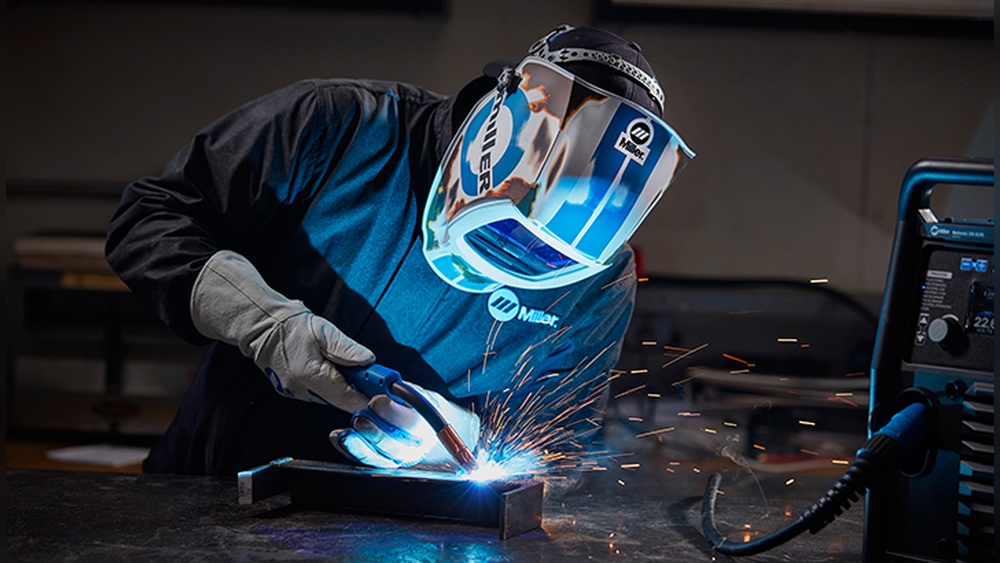
A structural welder joins metal parts that form the structure of buildings, bridges, ships, and other large projects. They use welding tools and techniques such as MIG, TIG, and stick welding. Their work helps keep buildings and structures safe and strong.
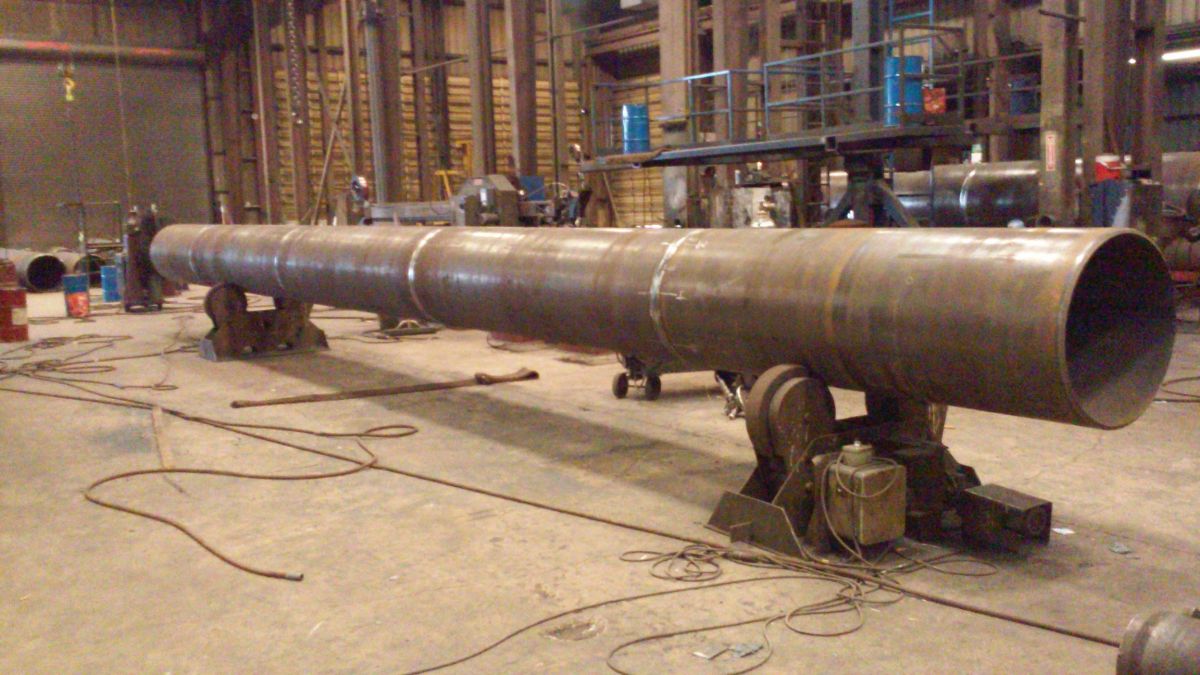
Structural welders often work on construction sites, shipyards, factories, and sometimes in extreme conditions like high places or underwater. The job can be physically tough and sometimes dangerous, but it also comes with high demand and steady pay.
Average Structural Welder Salary In The United States
The average salary is a good place to start. According to the U.S. Bureau of Labor Statistics, the median pay for structural welders in 2023 was about $50,000 per year. This means that half of the welders earned more than this, and half earned less.
But salaries can vary. Entry-level welders may start with around $36,000 per year. Highly skilled welders with years of experience can make over $70,000 per year. Some even make more, especially if they work overtime or in special industries.
Here is a simple table showing the typical salary ranges for structural welders in the U.S.:
| Experience Level | Annual Salary |
|---|---|
| Entry-Level (0-2 years) | $36,000 – $42,000 |
| Mid-Level (3-7 years) | $43,000 – $56,000 |
| Experienced (8+ years) | $57,000 – $70,000+ |
These numbers reflect base salary. Many welders also earn extra through overtime, bonuses, and special assignments.

Credit: www.ziprecruiter.com
Key Factors That Affect Structural Welder Salary
Many things shape how much a structural welder earns each year. Knowing these can help you plan your career and understand what to expect.
1. Location
Where you work has a big effect on pay. Welders in some states and cities earn much more than others. High cost-of-living areas and places with lots of industrial work often pay more.
For example:
- Welders in Alaska and Hawaii often earn more because of remote locations.
- States like California and New York pay higher average wages due to higher living costs.
- The South and Midwest may offer more jobs but often with lower pay.
2. Industry
The type of industry matters a lot. Some industries pay more because the work is harder, riskier, or needs more skill.
- Shipbuilding and offshore oil rigs often pay above average.
- Construction and manufacturing pay close to the average.
- Government contracts and military projects can offer higher wages.
3. Experience
As you gain experience, your pay usually goes up. New welders earn less, but with more skill and years on the job, you can move to higher pay grades, get promoted, or take on special projects.
4. Certifications And Skills
Extra certifications can boost your pay. The more you know, the more valuable you are. Common welding certifications include:
- AWS Certified Welder
- Certified Welding Inspector
- Underwater Welding Certification
Welders who can handle advanced welding, read blueprints, or work in hard conditions often earn more.
5. Union Vs. Non-union Jobs
Unions can help welders earn better pay, get better benefits, and have more job protection. Non-union jobs might offer more flexibility but often pay less.
6. Overtime And Shift Work
Many welders make extra money through overtime, night shifts, and weekend work. These hours often pay “time and a half” or even double time, which adds up over the year.
7. Company Size And Reputation
Large companies and those with government contracts often pay more and offer better benefits. Small companies may pay less, but they might offer more flexible hours.
Salary By State: Where Do Structural Welders Earn The Most?
Location can change your pay a lot. Here are some of the top-paying states for structural welders, based on recent data:
| State | Average Annual Salary |
|---|---|
| Alaska | $68,000 |
| Hawaii | $62,000 |
| California | $58,000 |
| Washington | $55,000 |
| New York | $53,000 |
| Texas | $52,000 |
| Illinois | $51,000 |
| Florida | $48,000 |
| Ohio | $47,000 |
| Georgia | $46,000 |
Welders in large cities often earn more, but the cost of living is higher. Rural areas may pay less, but expenses are also lower.
Salary By Industry: Where Do Structural Welders Earn The Most?
Some industries pay more because they need advanced skills or involve more risk. Here are some examples:
- Oil and gas extraction: $60,000–$75,000 per year
- Shipbuilding: $55,000–$70,000 per year
- Aerospace manufacturing: $58,000–$72,000 per year
- Construction: $48,000–$56,000 per year
- Automotive manufacturing: $45,000–$52,000 per year
- Government and defense: $60,000–$80,000 per year
Working in dangerous places, like offshore oil rigs, can pay much more but comes with higher risk.
Entry-level Vs. Experienced Structural Welder Pay
Entry-level structural welders start at the lower end of the pay scale, but with time, their income can increase a lot. Here’s a closer look:
- Entry-level: $36,000–$42,000 per year. These jobs often need only basic certifications and less experience.
- Mid-career: $43,000–$56,000 per year. At this stage, welders often handle more complex jobs.
- Experienced: $57,000–$70,000+ per year. These welders might lead teams, train others, or work on special projects.
A common mistake is to expect fast pay increases. In many cases, steady, small raises over time add up more than big jumps.

Credit: www.thefabricator.com
How Overtime And Bonuses Affect Annual Earnings
Many welders make a large part of their income from overtime and bonuses. Most employers pay extra for hours worked beyond 40 per week.
- Overtime pay: Usually 1.5 times the normal hourly rate.
- Double time: Sometimes paid for weekends or holidays.
For example, a welder who earns $25 per hour will make $37. 50 per hour during overtime. If they work 10 extra hours per week for 20 weeks a year, this adds $7,500 to their annual pay.
Bonuses can come from finishing projects early, taking on risky jobs, or meeting safety goals.
Union Vs. Non-union Structural Welder Salaries
Union welders often have stronger pay and benefits. They also have more job security and clear rules for raises. Here’s a comparison:
| Type | Average Annual Salary | Typical Benefits |
|---|---|---|
| Union | $55,000 – $75,000 | Health, retirement, paid leave |
| Non-Union | $38,000 – $60,000 | May have basic health or none |
Union jobs can be harder to get, but they often mean more stable work and steady raises.
How Education And Certification Influence Earnings
Welding does not need a college degree, but certification makes a big difference. Most employers want proof that you can weld safely and skillfully.
Common certificates include:
- AWS Certified Welder: Proves you meet industry standards.
- Certified Welding Inspector: For those who check other welders’ work.
- Special certifications: For underwater, pipeline, or high-pressure welding.
Welders with these credentials often earn $5,000–$10,000 more per year than those without.
Comparing Structural Welders To Other Welding Jobs
Not all welders earn the same. Here’s how structural welders compare to other types:
- Pipe welders: $50,000–$80,000 per year (often higher due to skill and risk)
- Underwater welders: $60,000–$100,000 per year (but high danger)
- Industrial welders: $46,000–$60,000 per year
- Sheet metal welders: $38,000–$52,000 per year
Structural welders are in the middle range. With added certifications, they can move into higher-paying roles.
How Gender And Diversity Affect Pay
Welding has mostly male workers, but more women and minorities are joining. The pay gap between men and women welders is smaller than in other fields, but still exists.
- Male welders: Average $50,000 per year
- Female welders: Average $47,000 per year
Efforts to increase diversity are growing, and many employers support equal pay for equal work.
Job Outlook: Will Structural Welders Make More In The Future?
The need for structural welders is steady. The U.S. Bureau of Labor Statistics predicts 3% job growth from 2022 to 2032. This is about as fast as average for all jobs.
Pay will likely rise slowly, especially for those with special skills. Large building projects, bridge repairs, and new energy work will keep demand strong.
Non-obvious Insights For Earning More As A Structural Welder
Here are two important points many beginners miss:
- Travel jobs pay more: Many companies pay welders extra to work on projects far from home. “Per diem” pay covers food and housing, which adds up fast. Some welders double their base pay by taking travel contracts.
- Special skills bring bigger raises: Learning to weld in tough places (like underwater or at heights), or handling rare metals, makes you much more valuable. Employers pay more for these rare skills.
How To Increase Your Salary As A Structural Welder
If you want to earn more, here are clear steps:
- Get new certifications. The more you have, the more jobs you can do.
- Move to high-paying locations. Alaska, Hawaii, or big cities pay more.
- Take overtime and night shifts. These usually pay at least 1.5 times your normal rate.
- Work in tough industries. Oil, gas, or shipbuilding pay more.
- Join a union. This can increase pay and benefits.
- Build a strong safety record. Employers trust and pay reliable workers more.
- Learn to read blueprints. This makes you more useful on complex projects.
- Network with other welders. They often know about better-paying jobs.
Common Mistakes That Limit Structural Welder Earnings
- Ignoring certification updates. Welding standards change, and old certificates can expire.
- Staying in low-paying locations. Some areas pay much less, even for the same work.
- Not asking for raises. Many welders wait too long to request a pay review.
- Avoiding tough jobs. Harder jobs pay more, but many welders avoid them.
- Skipping overtime. Overtime boosts yearly income a lot.
Benefits Beyond Base Pay
Welders often get more than just salary. Common benefits include:
- Health insurance
- Dental and vision coverage
- Retirement plans (401k or pension)
- Paid vacation and holidays
- Job training and tuition help
- Per diem for travel jobs
These extras can add $5,000–$15,000 per year in value.
Credit: www.tws.edu
Structural Welder Salary Around The World
In the U. S. , welders earn some of the highest salaries. In other countries, pay can be lower or higher, depending on demand and industry.
- Canada: $40,000–$60,000 per year
- Australia: $45,000–$65,000 per year
- UK: $32,000–$45,000 per year
- Germany: $34,000–$50,000 per year
Welders who work offshore or in mining often earn much more, but jobs are limited.
Real-life Example: A Year In The Life Of A Structural Welder
Here’s a typical story. Maria is a certified structural welder in Texas. She works for a big construction company. Her base pay is $25 per hour. She works 40 hours a week, with 10 hours of overtime for 20 weeks each year.
- Base salary: $25 x 40 hours x 52 weeks = $52,000
- Overtime: $37.50 x 10 hours x 20 weeks = $7,500
- Total pay: $59,500
- Benefits: Health, retirement, and vacation add about $8,000 in value.
Maria also got a $1,000 bonus for safety last year. Her total package was worth about $68,500.
Job Satisfaction And Work-life Balance
Structural welding can be rewarding but tough. Many welders like the stable pay, clear path to higher jobs, and the pride of building things that last. The work can be hard on the body, and hours can be long, especially during big projects.
Many welders say the best part of the job is the sense of teamwork and seeing the results of their work. The worst part is often the weather, noise, and physical stress.
Is Structural Welding A Good Career For You?
If you like working with your hands, want steady pay, and are willing to learn, structural welding can be a strong choice. The field rewards skill, safety, and reliability. It is open to people of all backgrounds, and pay can rise with experience and effort.
Frequently Asked Questions
How Much Do Structural Welders Make Per Hour?
Most structural welders earn between $18 and $35 per hour. Entry-level jobs pay less, while experienced welders can earn higher rates, especially with overtime.
Do Structural Welders Need A College Degree?
No, most structural welders do not need a college degree. They do need high school completion and must complete a welding training program or apprenticeship.
What Is The Highest-paying Welding Job?
Underwater welders and some pipeline welders are the highest paid, with some making over $100,000 per year. These jobs are more dangerous and need special training.
Do Structural Welders Get Benefits?
Yes, many employers offer health insurance, retirement plans, paid leave, and bonuses. Union jobs often have the best benefits.
Where Can I Learn More About Welding Careers?
You can find more information at the American Welding Society’s website: American Welding Society.
Structural welding can offer a good, stable career with room for growth. If you get the right training, keep learning, and are willing to work hard, you can earn a solid income and have a future in this field.