Disclosure: This post contains affiliate links and I will be compensated if you make a purchase after clicking through my links. Learn More
Plasma cutting and oxy fuel cutting are two well-known methods for slicing metal. Both are popular in industries like construction, automotive repair, and fabrication shops. But many people do not know which method fits which job, or how each process works in detail.
This article explains the key differences, benefits, and limits of plasma cutting and oxy fuel cutting. You will see how these tools compare in speed, cost, safety, precision, and more. By the end, you will know which method matches your needs.
How Plasma Cutting Works
Plasma cutting uses electricity and gas to cut through metals. The process starts when you send a stream of gas—often air or nitrogen—through a small opening in the cutting torch. An electric arc heats the gas until it turns into plasma, a very hot, fast-moving form of matter. This plasma can reach temperatures above 20,000°C (36,000°F).
The plasma jet melts the metal at the point of contact. The force of the plasma blows the molten metal away, making a clean cut. Plasma cutters can work on metals that conduct electricity, such as steel, stainless steel, aluminum, copper, and brass.
Key Components Of Plasma Cutting
- Power supply: Delivers the current needed to produce the plasma arc.
- Arc starting console: Creates the spark that starts the plasma arc.
- Cutting torch: Holds the nozzle and electrode, where the plasma forms.
- Gas supply: Provides the pressurized air or gas.
Types Of Plasma Cutters
- Handheld plasma cutters: Used for manual work and smaller jobs.
- CNC plasma systems: Controlled by computers for complex shapes and repeated cuts.
Many workshops use plasma cutters because they are fast and can cut through most metals up to a medium thickness.
How Oxy Fuel Cutting Works
Oxy fuel cutting is a much older method. It uses a torch that mixes oxygen and a fuel gas, such as acetylene, propane, or natural gas. When you light the torch, the flame heats the metal until it reaches its ignition temperature, which is usually above 870°C (1,600°F) for steel.
Once the metal is hot enough, you trigger a jet of pure oxygen. This oxygen reacts with the hot metal, causing it to burn, or oxidize. The chemical reaction releases heat, which helps the cutting process. The force of the oxygen jet blows away the melted metal, separating the pieces.
Key Components Of Oxy Fuel Cutting
- Oxygen cylinder: Supplies the pure oxygen for cutting.
- Fuel gas cylinder: Provides acetylene, propane, or another gas.
- Cutting torch: Mixes the gases and directs the flame.
- Regulators and hoses: Control gas flow and pressure.
Oxy fuel cutting works best on carbon steel and some low-alloy steels. It does not work well on stainless steel or aluminum because these metals do not oxidize easily.
Credit: www.arccaptain.com
Comparing Plasma Cutting And Oxy Fuel Cutting
Both methods slice through metal, but they do it in different ways. Each method has strong points and weak points. The sections below break down their main differences.
Metal Types You Can Cut
Plasma cutting can cut any electrically conductive metal. This includes:
- Mild steel
- Stainless steel
- Aluminum
- Copper
- Brass
Oxy fuel cutting works best on:
- Mild steel
- Low-alloy steel
It does not work on stainless steel or aluminum because these metals form oxides that stop the cutting process.
Thickness Of Metal
Oxy fuel cutting is better for thick metal. It can cut steel from about 6 mm (1/4 inch) up to 300 mm (12 inches) or more, depending on the torch size. Plasma cutters are better for thin to medium metal—from about 1 mm (0.04 inch) up to 50 mm (2 inches) with handheld units. Large industrial plasma cutters can sometimes cut thicker, but not as thick as oxy fuel.
Quick Reference Table
| Cutting Method | Minimum Thickness | Maximum Thickness | Best For |
|---|---|---|---|
| Plasma Cutting | 1 mm (0.04 in) | 50 mm (2 in)* | Thin to medium metal, all conductive types |
| Oxy Fuel Cutting | 6 mm (0.25 in) | 300 mm (12 in) | Thick carbon steel |
*Industrial plasma systems can sometimes cut thicker, but with less quality.
Cut Quality And Precision
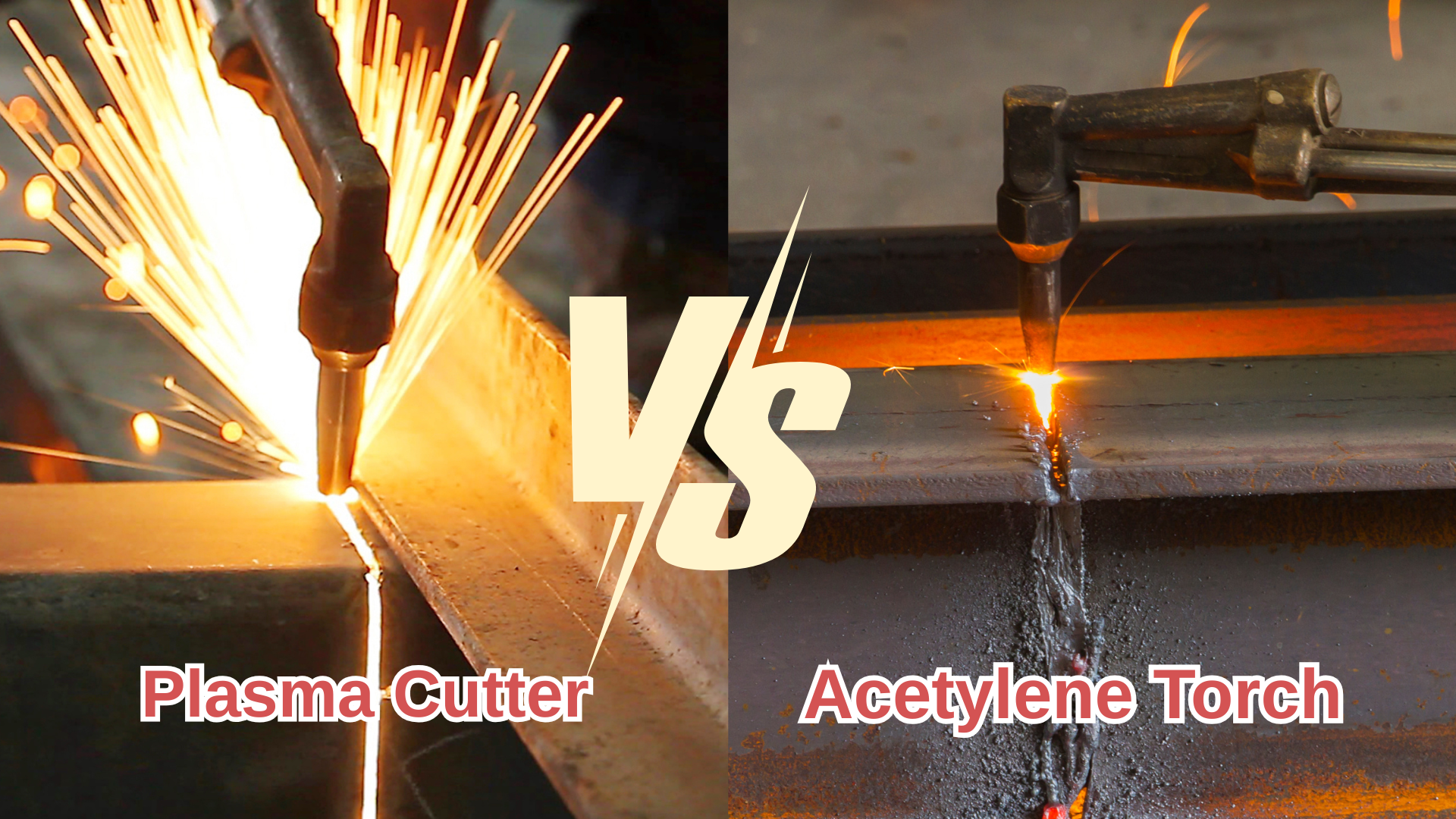
Plasma cutting gives a cleaner, smoother edge with less slag (waste metal) on most metals. The cut has a small heat-affected zone, so the metal does not warp much. This makes plasma cutting popular for parts that need tight tolerances or a nice finish.
Oxy fuel cutting leaves more slag and a rougher edge, especially on thinner metal. The heat can cause the metal to bend or warp. But on thick steel, oxy fuel can give a straight, square cut. The cut edge might need extra grinding if a smooth finish is important.
Cutting Speed
Plasma cutters are faster on thin and medium sheet metal. For example, a plasma cutter can cut 6 mm (1/4 inch) steel at 1,000 mm/min (40 in/min) or more. Oxy fuel is slower on thin metal but can keep up when cutting thick steel.
Example Table: Average Cutting Speed
| Material & Thickness | Plasma (mm/min) | Oxy Fuel (mm/min) |
|---|---|---|
| 6 mm Mild Steel | 1,000 | 250 |
| 25 mm Mild Steel | 400 | 200 |
| 50 mm Mild Steel | 150 | 150 |
Plasma cutting gets the edge in speed on thinner metal. On very thick steel, speeds are similar.
Setup And Ease Of Use
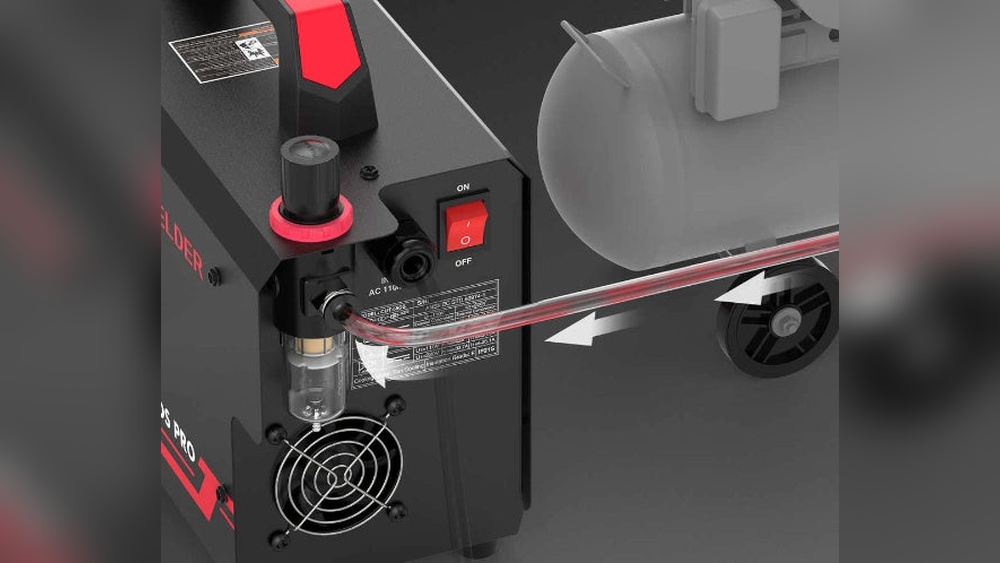
Plasma cutters are simple to set up. You need only electricity and compressed air (or another gas). Most units are portable and easy to move. Many modern plasma cutters have user-friendly displays and automatic settings.
Oxy fuel cutting needs more setup. You must connect and adjust two gas cylinders, check for leaks, and set the flame correctly. It takes more skill to use safely. You must also store gas cylinders properly.
Portability
Handheld plasma cutters are light and easy to carry. Some units weigh less than 15 kg (33 lbs). You can use them in the shop or out in the field, as long as you have power and compressed air.
Oxy fuel torches are also portable, but you must carry heavy gas cylinders. The setup is bulkier and less convenient for quick jobs.
Cost Comparison
Equipment Cost
- Plasma cutters: A basic unit costs around $500–$2,000 for handheld models. Industrial CNC plasma tables can cost much more.
- Oxy fuel kits: Starter kits cost $200–$600. But you must buy or rent gas cylinders and refill them.
Operating Cost
- Plasma cutting uses electricity and compressed air. Air is cheap, but high-power plasma cutters use more energy.
- Oxy fuel cutting uses oxygen and a fuel gas. Gas refills can add up, especially for big jobs.
Maintenance
Both systems need regular checks. Plasma cutters need new consumables (nozzles, electrodes). Oxy fuel requires checking hoses, regulators, and torch parts for leaks or wear.
Safety
Both methods have risks, but the dangers are different.
- Plasma cutting creates UV light, noise, and hot metal sparks. You must wear eye protection, gloves, and hearing protection. There is a risk of electric shock if you do not ground the unit.
- Oxy fuel cutting uses flammable gases under pressure. Leaks can cause fires or explosions. You must handle cylinders with care and check for leaks. The flame is very hot and can burn skin fast.
Non-obvious insight: Beginners often forget that plasma cutting produces ozone and fumes. You must work in a well-ventilated area or use a fume extractor. Oxy fuel does not create much ozone, but it does create carbon monoxide, which is also dangerous in closed spaces.
Versatility
Plasma cutters work on almost any shape. You can cut curves, holes, or complex shapes, even by hand. CNC plasma tables make this even easier.
Oxy fuel torches are best for straight lines or simple shapes. Cutting curves or small holes is harder and often looks rough.
Learning Curve
Most people find plasma cutters easier to learn. You can start cutting after a short practice. The arc does most of the work, and you do not need to adjust many settings.
Oxy fuel cutting takes longer to master. You must learn to set the flame, control the torch, and keep the right speed. Mistakes can cause uneven cuts, burns, or wasted material.
Maintenance And Consumables
Plasma cutters need new nozzles and electrodes after a certain number of cuts. These parts wear out faster if you cut dirty or painted metal. Keeping the torch clean extends life.
Oxy fuel torches need new tips sometimes, but these last longer than plasma consumables. You must also check hoses and seals for leaks, as old or damaged hoses are a safety risk.
Environmental Impact
Both methods create fumes, but the type and amount differ.
- Plasma cutting creates metallic dust, ozone, and some toxic gases. You need good ventilation.
- Oxy fuel cutting creates carbon dioxide, carbon monoxide, and iron oxide fumes. The burning process releases more greenhouse gases.
Non-obvious insight: Plasma cutting is often seen as “cleaner” because it uses air or nitrogen, but the electrical energy use can be high, depending on local power sources.
Common Applications
Plasma Cutting
- Sheet metal fabrication
- HVAC ductwork
- Car repair (bodywork and frames)
- Art and sculpture
- Shipbuilding (thin hull sections)
- Industrial cutting with CNC tables
Oxy Fuel Cutting
- Demolition of thick steel structures
- Cutting large steel plates
- Scrap metal processing
- Shipbreaking (cutting large sections)
- Field repairs in construction
- Gouging out welds

Credit: www.acra.com.au
Real-world Examples
A car repair shop often uses plasma cutters to quickly trim body panels or frame parts. The clean edge and speed let workers fit parts with less grinding.
A construction crew may use oxy fuel torches to cut large beams on a job site. The torch can handle thick steel, and workers do not need a power source—just gas.
Choosing The Right Method
The best method depends on what you need.
- For thin or medium sheet metal, plasma is faster and gives a cleaner cut.
- For very thick steel, oxy fuel is cheaper and works better.
- If you need to cut aluminum or stainless steel, plasma is your only choice.
- For field work with no power supply, oxy fuel is more practical.
Tip: Consider how often you will use the tool, what types of metal you need to cut, and what resources (power, gas) you have.
Key Advantages And Disadvantages
Plasma Cutting
Advantages:
- Cuts all conductive metals
- Fast on thin/medium metal
- Clean edge, less grinding
- Simple setup and portable
- Good for complex shapes
Disadvantages:
- Higher equipment cost
- Limited on very thick steel
- Noisy and produces fumes
- Needs electricity and compressed air
Oxy Fuel Cutting
Advantages:
- Handles very thick steel
- Lower initial cost
- No electricity needed
- Can also weld or heat metal with the same torch
Disadvantages:
- Only works well on mild steel
- More setup and safety checks
- Slower on thin metal
- Creates more slag and rough edge
Direct Feature Comparison
Here is a summary table for quick reference:
| Feature | Plasma Cutting | Oxy Fuel Cutting |
|---|---|---|
| Metals Cut | All conductive (steel, aluminum, etc.) | Mild steel, low-alloy steel |
| Max Thickness | Up to 50 mm (2 in)* | Up to 300 mm (12 in) |
| Cut Quality | Smooth, clean | Rougher, more slag |
| Speed (thin metal) | Very fast | Slower |
| Portability | High | Medium (heavy cylinders) |
| Safety | Electric, UV, fumes | Fire, explosion risk |
| Learning Curve | Easy | Harder |
*Large industrial plasma systems can cut thicker, but with less edge quality.
Practical Tips For Better Cutting
- Clean the metal before cutting. Dirt, paint, or rust can slow the process and reduce cut quality.
- Check consumables often. Worn tips or nozzles cause rough cuts and waste material.
- Ventilate your workspace. Both methods create fumes that can harm your health.
- Set the right speed. Moving too fast leaves uncut metal. Too slow causes more slag.
- Test on scrap. Before cutting your main piece, try a test cut to adjust settings.
- Use the right tip size for the material thickness. This applies to both plasma and oxy fuel.
- Store gas cylinders safely. Keep them upright and away from heat.
- Ground your plasma cutter properly to avoid electric shock.
- Wear the right PPE: Gloves, face shield, eye protection, and hearing protection.
- Keep hoses and cables tidy to avoid tripping or damage.
Common Mistakes To Avoid
- Using plasma on metal that is too thick for the machine. This leads to incomplete cuts.
- Trying to cut stainless steel or aluminum with oxy fuel, which will not work.
- Forgetting to check for gas leaks in oxy fuel setups.
- Using poor ventilation, which is dangerous.
- Not replacing worn consumables, which ruins cut quality.
- Rushing the cut, causing jagged or uneven edges.
Credit: americantorchtip.com
Plasma Cutting Vs Oxy Fuel: Which Is Better For You?
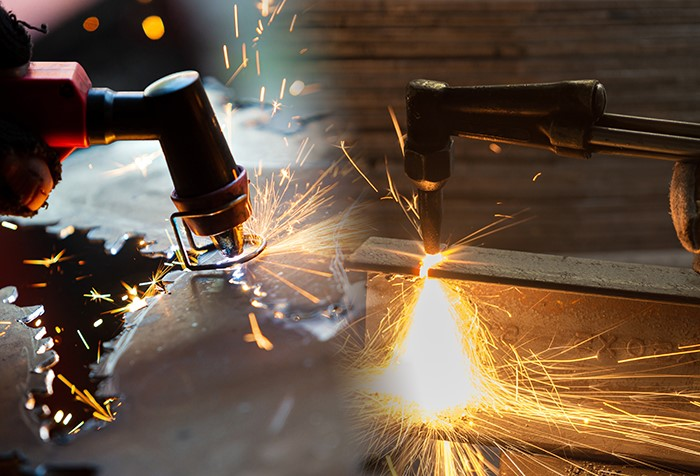
No single method is best for every job. Plasma cutting is the top choice for speed, clean edges, and working with many metals. Oxy fuel is still the king for thick steel and field work where power is not available.
Many shops use both methods, picking the right tool for each job.
If you cut mostly thin or medium metal, or if you work with stainless steel or aluminum, invest in a plasma cutter. If you often cut thick steel, especially in places with no power, oxy fuel is the better bet.
For more details about the science of these cutting methods, see this Wikipedia article on plasma cutting.
Frequently Asked Questions
What Metals Can Plasma Cutting Cut That Oxy Fuel Cannot?
Plasma cutting can cut stainless steel, aluminum, copper, and brass, which oxy fuel cannot. Oxy fuel works only on metals that form low-melting oxides, mainly mild steel.
Is Plasma Cutting Safer Than Oxy Fuel Cutting?
Both have risks. Plasma cutters do not use flammable gas, but they create electric shock and UV hazards. Oxy fuel setups have fire and explosion risks if handled carelessly. With proper training and safety gear, both are safe.
Which Method Is Cheaper To Use?
Oxy fuel has lower starting costs and is cheaper if you cut thick steel often. Plasma cutting costs more upfront, but running costs are low if you already have electricity and air.
Can I Use Plasma Cutting Outdoors?
Yes, you can use plasma cutters outside, but wind can blow away the plasma arc, making cuts uneven. You also need power and compressed air. Oxy fuel is less affected by wind, making it a good choice for field work.
How Thick Can Plasma And Oxy Fuel Cutters Cut?
Handheld plasma cutters typically cut up to 25–50 mm (1–2 inches). Oxy fuel torches can cut up to 300 mm (12 inches) or more in mild steel, but not on stainless steel or aluminum.
—
Both plasma cutting and oxy fuel cutting have shaped the way industries work with metal. Each has unique strengths and limits. By knowing these details, you can choose the best tool for your next project, work safely, and get the results you want.