Disclosure: This post contains affiliate links and I will be compensated if you make a purchase after clicking through my links. Learn More
Self-shielded flux core welding attracts many people who want to weld outside or on the go. This process lets you weld without an extra gas tank, making it popular for repairs, home projects, and construction sites. But many welders, especially beginners, notice more spatter with self-shielded flux core wires.
People often ask if self-shielded flux core really produces more spatter, why it happens, and what you can do about it. This article gives clear answers with practical advice, data, and expert tips. You will learn how spatter forms, how self-shielded flux core compares to other welding methods, and how to reduce spatter for cleaner welds.
What Is Self Shielded Flux Core Welding?
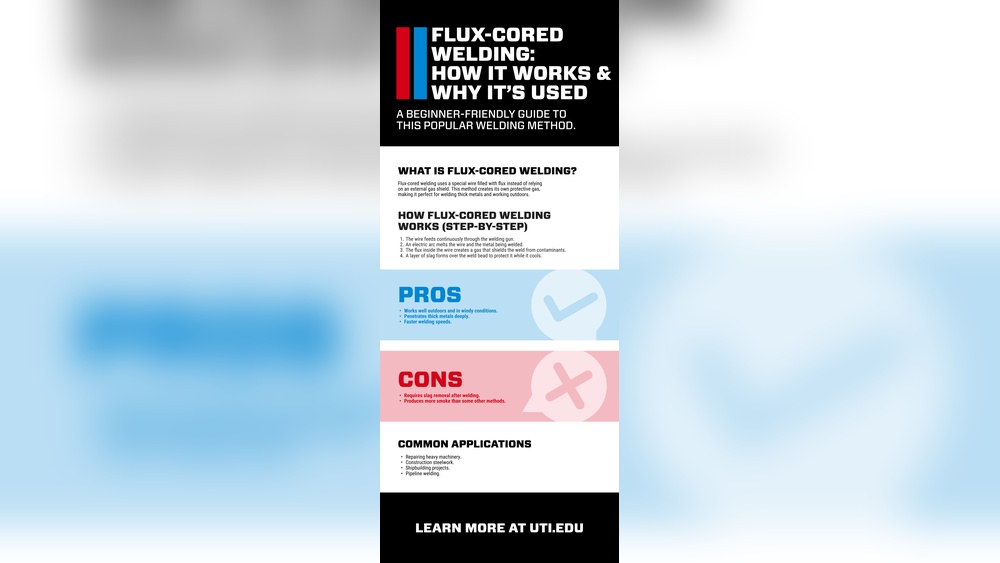
Self-shielded flux core arc welding (FCAW-S) uses a special wire with flux inside. As the wire melts, the flux burns and makes a gas shield. This gas protects the weld pool from air. You do not need an extra gas tank or hose.
This makes FCAW-S simple to set up and use outdoors, even in windy places.
FCAW-S is not the same as gas-shielded flux core (FCAW-G), where you need a bottle of shielding gas like CO₂. In FCAW-S, the wire does all the work. The process is common for field repairs, heavy equipment, fences, and work where portability matters.
It works on rusty or dirty steel, which saves time on cleaning.
What Is Welding Spatter?
Spatter means small, hot drops of metal that fly out of the weld pool during welding. These drops can stick to your workpiece, table, or even your hands and clothes. Spatter is normal in most welding, but too much is a problem. It wastes wire and makes your weld look messy. Removing spatter takes extra time, and if you leave it, it can rust or cause defects.
Spatter happens when the arc is unstable or the metal does not melt smoothly. Factors like voltage, wire feed speed, and technique affect how much spatter you get. Different welding methods and wires can also change the amount.
Why Does Self Shielded Flux Core Make More Spatter?
Many welders see more spatter with self-shielded flux core than with other wires or processes. There are several reasons for this:
- Aggressive Arc: FCAW-S has a strong, hot arc. This helps it weld through dirty steel and even in wind, but the force can throw out more drops of metal.
- Flux Chemistry: The flux inside the wire is designed to protect the weld in tough conditions. But as it burns, it makes more gases and slag, which can push metal out of the weld pool.
- No External Gas: With no extra shielding gas, the protection comes from burning flux. This process is less stable than using clean gas. The arc can fluctuate, causing more spatter.
- Wire Quality and Type: Cheaper wires often have less consistent flux and metal, which increases spatter. Some wires are made for high deposition, not for clean welds.
- Technique Sensitivity: FCAW-S is more sensitive to stick-out, angle, and movement. Small mistakes can quickly lead to more spatter.
Comparing Spatter: Fcaw-s Vs Other Welding Methods
To understand if self-shielded flux core makes more spatter, compare it to other common welding methods.
| Welding Method | Spatter Level | Key Reason |
|---|---|---|
| Self-Shielded Flux Core (FCAW-S) | High | Strong arc, flux gas, no external shielding |
| Gas-Shielded Flux Core (FCAW-G) | Moderate | External gas makes the arc smoother |
| MIG (GMAW) | Low | Stable arc, clean shielding gas |
| Stick (SMAW) | Moderate to High | Arc force, flux coating on electrode |
Self-shielded flux core produces more spatter than MIG and usually more than stick welding. Gas-shielded flux core sits between FCAW-S and MIG.
The Science Behind Flux Core Spatter
Spatter forms when molten metal is pushed out of the weld pool by force or gas. In FCAW-S, the flux burns and releases several gases rapidly. These gases bubble up through the molten metal. If the bubbles pop at the surface, they can throw out drops of metal.
Also, the hot, fast arc can break pieces off the pool. If your settings are wrong, the effect gets worse.
The way flux burns also matters. Some wires make a lot of slag, which is the crust left after welding. A thick or uneven slag can help spatter stick. Some fluxes have extra silicates or carbonates that increase spatter if the arc is not controlled well.
Key Factors That Increase Spatter In Fcaw-s
1. Voltage And Wire Feed Speed
If you set the voltage too high, the arc gets hotter and more violent. This makes more metal jump out. If you feed the wire too fast, it can push into the weld pool and explode small drops out. Too slow, and the arc sputters, causing uneven melting and spatter.
2. Stick-out Length
Stick-out means how much wire is outside the tip before it hits the workpiece. With FCAW-S, a stick-out of 3/4 inch (19mm) is common. If you go longer, the wire heats up too much before it melts, making the arc unstable and causing more spatter.
3. Travel Angle And Speed
If you hold the gun at the wrong angle or move too quickly, you disturb the weld pool. A drag angle (pulling the gun) of about 15 degrees works best. Pushing or changing angles quickly can splash molten metal and increase spatter.
4. Dirty Workpiece
Self-shielded flux core can weld on dirty steel, but too much rust, paint, or oil can make the arc unstable. Impurities burn and mix with the flux, causing excess gas and spatter.
5. Cheap Or Old Wire
Low-quality wires often have uneven flux. Old wire absorbs moisture, which changes how the flux burns. Both problems lead to more spatter.
6. Poor Grounding
A weak or dirty ground clamp interrupts the current. The arc stutters, and each restart throws out spatter.
How To Reduce Spatter In Self Shielded Flux Core Welding
While you cannot remove all spatter from FCAW-S, you can greatly reduce it with smart choices and technique.
1. Use The Right Settings
Check your welder manual for voltage and wire speed for your wire size and steel thickness. Start with the suggested values and fine-tune. A steady arc with a soft crackling sound is best. Avoid high voltage and wire feed that make a harsh, loud arc.
2. Keep Stick-out Consistent
Hold the gun so about 3/4 inch (19mm) of wire sticks out. Too much stick-out increases spatter and burns the tip. If you weld overhead, use a bit less stick-out for better control.
3. Use The Drag Technique
For FCAW-S, drag the gun—point the tip back and pull it along the joint. A 15-degree drag angle helps. Do not push the gun forward; this makes more spatter and weakens the weld.
4. Clean The Workpiece
Brush off thick rust, paint, and oil. You do not need a shiny surface, but cleaner metal always makes a smoother arc and less spatter.
5. Use Good Wire
Buy wire from trusted brands. Store it in a dry place. If wire feels rough or feeds unevenly, replace it. Good wire makes a big difference in arc stability and spatter.
6. Check Your Ground Connection
Clamp the ground lead to clean, bare metal close to your weld. A solid connection keeps the arc smooth and reduces spatter.
7. Adjust Travel Speed
Do not rush. Move the gun at a steady speed so the weld bead is even. If you go too fast, the pool splashes. Too slow, and you build up excess metal and slag.
8. Control The Environment
If possible, shield your work area from wind. Strong wind blows away the gas bubble formed by flux, making the arc unstable and causing spatter.
9. Maintain Your Equipment
Replace worn tips and liners. A blocked tip causes the wire to “stutter,” sending out bursts of spatter. Clean your gun regularly.
10. Use Anti-spatter Spray
Spray anti-spatter on your workpiece and nozzle before welding. This does not stop spatter but makes it easy to clean off later.
Typical Spatter Amounts: Data And Real-world Results
Many welding studies and user tests compare spatter rates. On average, FCAW-S produces 20-40% more spatter by weight than solid wire MIG in similar conditions. For example, if MIG gives 5 grams of spatter per meter of weld, FCAW-S may give 6 to 7 grams.
One test from the Welding Journal showed that on 1/4 inch steel, using 0.035″ (0.9mm) wire, FCAW-S produced about 30% more spatter than gas-shielded flux core. The MIG process gave the lowest spatter, sometimes less than half of FCAW-S.
Experience also matters. Skilled welders with good technique can reduce FCAW-S spatter close to gas-shielded levels, but beginners often get much more.
Comparing Wires: Which Fcaw-s Wires Make Less Spatter?
Not all self-shielded flux core wires are the same. Some are made for rough, fast welding, while others focus on smoother beads and less spatter.
Here is a comparison of three common FCAW-S wires on 1/8 inch (3mm) mild steel:
| Wire Type | Spatter Amount (grams/meter) | Notes |
|---|---|---|
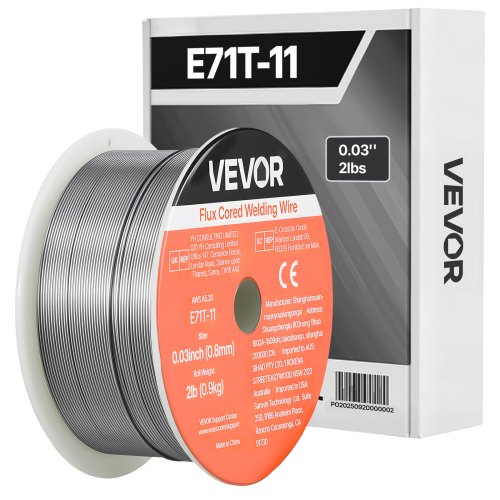
| Lincoln Innershield NR-211-MP | 6.5 | Easy to find, for general use |
| Hobart Fabshield 21B | 7.0 | Good for outdoor repair, slightly more spatter |
| Forney E71T-GS | 6.8 | Budget wire, more sensitive to technique |
Wires made for structural work (like NR-211-MP) often give cleaner results. Cheaper wires or those for thin steel can make more spatter, especially with poor settings.
Practical Tips For Beginners: Reducing Spatter
- Start with Small Projects: Practice on scrap steel to learn the right speed and angle.
- Listen to the Arc: A steady, crackling sound means good settings. Pops and hissing mean trouble.
- Check Your Welds: Look for even beads with little buildup on the sides. Lots of spatter or an uneven bead means you should adjust your technique.
- Wear Protection: Spatter is hot. Wear gloves, sleeves, and safety glasses. Clean your work table to avoid fire risks.
- Keep a Wire Brush Handy: Clean spatter as soon as it cools, before it sticks hard.

Credit: www.youtube.com
Common Mistakes That Increase Spatter
Many new welders make errors that cause more spatter:
- Pushing the Gun: Always pull the gun with FCAW-S.
- Wrong Settings: Using the same settings as MIG welding leads to trouble. Read the wire label and manual.
- Dirty Metal: Relying too much on flux to handle rust can backfire.
- Long Stick-Out: More wire outside the tip means more problems.
- Ignoring Equipment: Worn tips, bad wire feed, or old wire all add up to more mess.
When Is High Spatter Acceptable?
In some jobs, a little more spatter is not a big problem. Outdoor repairs, farm equipment, and heavy steel do not need a perfect finish. If you will grind or paint over the weld, small spatter does not matter much.
Still, too much spatter wastes wire and time. For visible welds or thin sheet metal, less spatter is important.

Credit: www.walmart.com
Cleaning Up Spatter: Tools And Tricks
You can remove spatter with a few tools:
- Chipping Hammer: For big blobs of spatter.
- Wire Brush: For small dots and slag.
- Grinder with Flap Disc: For stubborn spots.
- Anti-Spatter Spray: Use before welding to make cleanup easier.
Act while the spatter is still fresh. If it cools and rusts, it is much harder to remove.
When To Use Self Shielded Flux Core Despite More Spatter
Even with more spatter, FCAW-S has strong points:
- No Gas Needed: You do not need to carry a gas tank or worry about wind.
- Welds Through Rust and Paint: Saves time in prep.
- Works Outdoors: Rain and wind do not stop you.
- Thick Metal: Good penetration for strong welds.
If these matter more than a clean bead, FCAW-S is a good choice.
Expert Insights: What Beginners Often Miss
Many new welders think all spatter comes from the wire. Technique is just as important. Even expensive wire will spatter with the wrong angle or speed. Also, many do not know that using the drag method instead of pushing the gun can cut spatter by 20-30%. Another common error is ignoring the wire stick-out—too long, and spatter increases fast.
Some people try to use solid MIG wire with no gas, thinking it will work like FCAW-S. This leads to even worse spatter and weak welds. Always match the wire to the process.
Myths About Spatter And Fcaw-s
Some believe that you cannot make clean welds with self-shielded flux core. This is not true. With good wire, careful settings, and clean metal, FCAW-S can make neat welds with only a little spatter. Another myth is that expensive anti-spatter sprays solve everything.
They help with cleanup, but technique is the bigger factor.
When To Switch To A Different Process
If you always need low spatter (for car panels, art, or visible joints), consider switching to MIG with gas or TIG. These processes make smoother welds and less mess, but they need more setup and clean metal.
Summary Table: Spatter By Welding Process
For quick reference, here is how FCAW-S compares to other methods for spatter and other key points:
| Process | Spatter | Best Use | Need for Gas |
|---|---|---|---|
| FCAW-S | High | Outdoor, dirty steel, heavy repair | No |
| MIG (GMAW) | Low | Clean sheet metal, visible welds | Yes |
| Stick (SMAW) | Moderate | General repair, thick steel | No |
| Gas-Shielded Flux Core | Moderate | Structural steel, inside shops | Yes |
Credit: www.vevor.com
Is More Spatter Always Bad?
More spatter means more cleanup and wasted wire, but it does not always mean a weak weld. The weld’s strength depends on penetration and bead shape, not just appearance. Still, less spatter saves time and materials and makes your welds look better.
Final Thoughts
Self-shielded flux core welding does make more spatter than MIG and often more than stick or gas-shielded flux core. The main reasons are the strong arc, burning flux, and no external gas. But with good technique, settings, and care, you can keep spatter at a reasonable level.
Clean your metal, use the drag method, and check your equipment often. For jobs outdoors, on dirty steel, or where speed matters more than looks, FCAW-S is a smart choice.
If you want to learn more about welding processes, you can read a detailed guide at the Wikipedia FCAW page.
Frequently Asked Questions
Does Self-shielded Flux Core Always Make More Spatter Than Mig?
Yes, in most cases, self-shielded flux core makes more spatter than MIG because of the stronger arc and the way flux burns. MIG uses a stable gas shield, which creates a smoother arc and less spatter.
Can I Use Self-shielded Flux Core Wire With Gas To Reduce Spatter?
No, self-shielded flux core wires are made to run without gas. Adding gas does not help and can cause even more problems. If you want less spatter with gas, use a gas-shielded flux core wire.
Will Better Wire Reduce Spatter In Fcaw-s?
Yes, high-quality wire makes a big difference. It gives a more stable arc and less spatter. But even the best wire will make more spatter in FCAW-S than MIG.
How Do I Clean Spatter Off My Welds?
Use a wire brush, chipping hammer, or grinder. Anti-spatter spray helps, but good technique and clean metal are the best ways to reduce cleanup.
Is Spatter Dangerous?
Yes, spatter is very hot and can burn your skin or start a fire. Always wear safety gear and keep your work area clean. Spatter can also damage nearby equipment or finished surfaces.