Disclosure: This post contains affiliate links and I will be compensated if you make a purchase after clicking through my links. Learn More
A plasma cutter can change how you work with metal. It offers fast, clean cuts that save time and effort. Many first-time users and even some experienced workers ask: Does a plasma cutter need an air compressor to work? The answer might seem simple, but there are many details. Understanding how plasma cutters operate, the role of air, and the options available will help you make better choices. This article explains everything in simple English, with examples and practical advice.
How Plasma Cutters Work
Plasma cutters use a high-speed jet of ionized gas—called plasma—to cut through metal. The machine sends an electrical arc through a gas, which turns the gas into plasma. This plasma becomes hot enough to melt metal, and the force of the gas blows the melted metal away, making a cut.
Most plasma cutters use compressed air as the gas. Some advanced models use gases like nitrogen or oxygen, but compressed air is most common for workshops and small businesses.
Why Compressed Air Matters
Compressed air is important because it helps create the plasma and pushes out the molten metal. Without enough air pressure and flow, the cutter cannot work properly. The cut may be rough, slow, or incomplete.
Plasma cutters need a steady supply of clean, dry compressed air. The pressure and flow requirements can change depending on the model and the thickness of the metal.
Does Every Plasma Cutter Need An Air Compressor?
The short answer is yes, most plasma cutters require an air compressor. But there are a few exceptions. Understanding why helps you avoid mistakes and wasted money.
Standard Plasma Cutters
Standard plasma cutters need an external air compressor. They do not have a built-in compressor. You must connect the plasma cutter to an air compressor that can supply the right pressure and volume.
Plasma Cutters With Built-in Compressors
Some portable models come with a built-in air compressor. These are handy for small jobs and for use at places where you cannot bring a large compressor. But built-in compressors are usually less powerful, so they may not handle thick metal or long periods of use.
Special Industrial Models
Some industrial cutters use other gases, like nitrogen or argon. These are rare outside big factories. Most home and small business users will not need these.
Main Reasons Plasma Cutters Need An Air Compressor
- Plasma Generation: The cutter uses compressed air to make the plasma arc.
- Metal Removal: The high-speed air blows molten metal away from the cut, leaving a clean line.
- Cooling: Compressed air helps cool the torch and the cutting area, which protects the machine and improves cut quality.
If there is no air or the pressure drops, the machine will either stop or make poor cuts.
What Happens If You Use A Plasma Cutter Without An Air Compressor?
If you try to use a standard plasma cutter without an air compressor, the machine will not cut. You may hear the arc start, but it will fail quickly. The cut will look messy, and you might damage the torch.
Over time, this can shorten the life of the machine.
In short, a plasma cutter without air is like a car without fuel: it cannot do its job.
Plasma Cutters With Built-in Compressors Vs. External Compressors
Many people want to know if it is better to buy a plasma cutter with a built-in compressor or use a separate air compressor. Both options have good and bad points.
Here is a simple comparison:
| Feature | Built-in Compressor | External Compressor |
|---|---|---|
| Portability | High (Easy to move) | Low (Two devices to move) |
| Cutting Power | Low to Medium | Medium to High |
| Duty Cycle | Short | Long |
| Maintenance | Simple, but less repairable | Flexible, easier to upgrade |
| Price | Higher for same power | Better value for frequent use |
When To Choose A Built-in Compressor
- You work in places without easy air supply.
- You need to move your machine a lot.
- You cut thin metal (under 1/4 inch) most of the time.
When To Choose An External Compressor
- You cut thick metal often.
- You want longer, non-stop cutting.
- You already own a good air compressor.
Key Factors When Choosing An Air Compressor For A Plasma Cutter
If your plasma cutter needs an external compressor, you must match the right air supply to your machine. Here are the main things to check:
- Air Pressure (PSI): Most plasma cutters need 60–120 PSI. Always check the manual for your model.
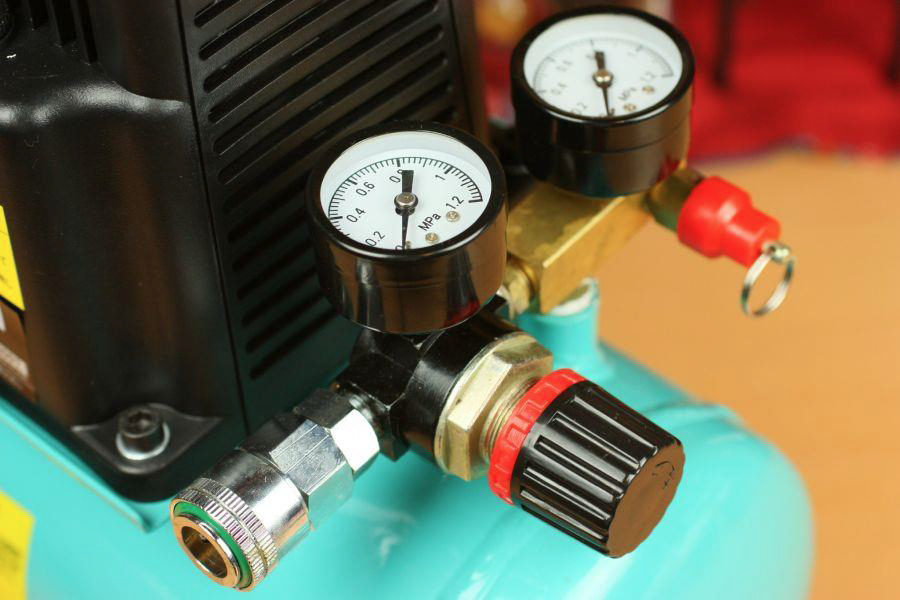
- Air Flow (CFM): CFM means cubic feet per minute. For small cutters, 4–5 CFM is enough. Larger machines may need 6–8 CFM or more.
- Air Quality: The air must be dry and clean. Water or oil in the air can damage the torch.
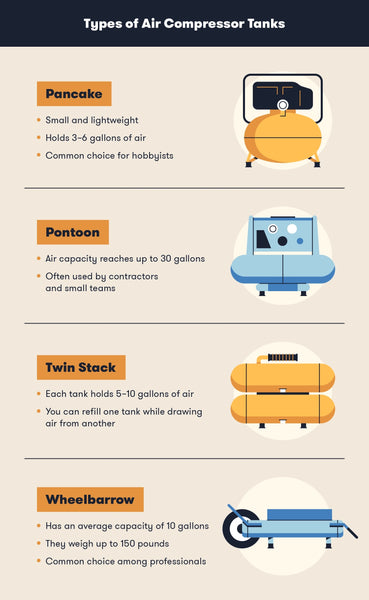
- Tank Size: A bigger tank (20 gallons or more) gives smoother air flow and lets you cut longer before the compressor needs to refill.
Example: Matching Compressor To Cutter
Suppose your plasma cutter needs 90 PSI and 5 CFM. You should buy a compressor that can deliver at least 5 CFM at 90 PSI. If the compressor cannot keep up, the cutter will stop or make poor cuts.
Credit: americantorchtip.com
What Makes Air Quality Important?
Many beginners forget about air quality. Moisture, oil, or dirt in the air can cause serious problems:
- Clogged torch parts
- Short torch life
- Rust inside the cutter
- Poor cut quality
You can avoid these problems by adding a filter or air dryer between the compressor and the cutter. This simple step can save money and time.
Common Mistakes When Using Plasma Cutters And Air Compressors
- Wrong Compressor Size: Using a compressor that is too small leads to pressure drops, stopping the cutter.
- No Air Filter: Skipping the filter causes moisture and dirt problems.
- Wrong Hose Size: A narrow hose reduces air flow. Use a hose with a wide enough diameter.
- Ignoring Duty Cycle: Both the plasma cutter and compressor need breaks. Overheating can damage them.
- Not Checking Connections: Loose fittings cause leaks and reduce performance.
How To Set Up A Plasma Cutter With An Air Compressor
Follow these steps for a safe and effective setup:
- Read Both Manuals: Check the requirements for both the plasma cutter and the compressor.
- Connect the Air Hose: Use a hose that matches the fittings on both machines. Tighten firmly.
- Add a Filter or Dryer: Place it as close as possible to the plasma cutter.
- Test the Air Pressure: Turn on the compressor and check the gauge. Adjust if needed.
- Check for Leaks: Listen for hissing or spray soapy water on fittings. Fix any leaks before cutting.
- Power Up the Cutter: Turn on the plasma cutter and do a test cut on scrap metal.
- Monitor Pressure and Flow: Make sure the air stays steady during the cut.
This setup works for most home and shop plasma cutters.
What If You Do Not Want An Air Compressor?
Some people ask if they can use bottled gases or other air sources. Most standard plasma cutters are not designed for this. Using the wrong gas can damage the machine or make dangerous fumes.
Plasma cutters with built-in compressors are your best choice if you do not want to use a separate compressor. For special jobs, some high-end models can use bottled nitrogen, but this costs more and needs expert setup.
Credit: yeswelder.com
The Cost Of Using A Plasma Cutter With An Air Compressor
When you buy a plasma cutter, the total cost includes more than just the machine. Here is what you should consider:
- Plasma cutter price: Ranges from $300 to $3,000 or more.
- Air compressor price: Good compressors for plasma cutters usually cost $200 to $800.
- Filters/dryers: Expect to spend $30 to $150.
- Maintenance: Both machines need regular cleaning and part replacement.
If you buy a cutter with a built-in compressor, you pay more up front but save space and setup time.
Long-term Savings
A well-matched air compressor can last for years and can be used for other tools, such as air wrenches, paint sprayers, or nail guns. This means your investment is not just for plasma cutting.
Real-world Examples
Let’s see how different users solve the air supply problem:
Small Workshop
A small car repair shop needs to cut thin sheet metal a few times a week. They buy a basic plasma cutter and a 20-gallon compressor that supplies 5 CFM at 90 PSI. They add a simple air filter. This setup works well for their needs and costs about $800.
Mobile Welder
A mobile welder travels to job sites. He chooses a plasma cutter with a built-in compressor. He can cut metal up to 1/4 inch without carrying extra gear. The machine costs more, but the time and effort saved are worth it.
Factory
A factory cuts thick steel all day. They use a large plasma cutter and a big industrial compressor. The air system includes dryers and filters to keep the air clean. This setup is more complex but needed for heavy use.

Credit: www.reddit.com
How Plasma Cutter Performance Depends On Air Compressor Quality
Better air supply means better cutting. Here’s how:
- Smooth, clean cuts: Right pressure and flow produce sharp lines.
- Longer torch life: Clean, dry air prevents wear.
- Faster work: No waiting for the compressor to catch up.
- Less downtime: Fewer breakdowns and repairs.
A cheap or weak compressor can waste time, money, and effort.
Upgrading Your Air Compressor For Plasma Cutting
If your cuts are rough or your machine stops often, your compressor may not be enough. Here’s how to improve your setup:
- Buy a higher CFM compressor: More air flow means better performance.
- Add a bigger tank: Reduces pressure drops and gives longer cut time.
- Install better filters: Removes more moisture and dirt.
- Upgrade hoses and fittings: Wider hoses allow more air to reach the cutter.
These upgrades help you get the best results without buying a new plasma cutter.
How To Maintain Your Plasma Cutter And Air Compressor
Regular care keeps your tools working well:
- Drain the compressor tank: Water collects inside and can cause rust.
- Check and change filters: Dirty filters reduce air quality.
- Clean torch parts: Remove dust and metal bits after each use.
- Lubricate moving parts: Follow the manual’s advice.
- Store in a dry place: Moisture causes rust and electrical problems.
A little time spent on maintenance saves money and prevents breakdowns.
Essential Accessories For Plasma Cutting With Air Compressors
You can improve your setup with a few simple tools:
- Regulator: Controls air pressure for consistent cuts.
- Moisture trap: Removes water before it reaches the torch.
- Quick-connect fittings: Makes setup and teardown fast.
- Spare torch parts: Keep extra tips and electrodes for quick changes.
- Protective gear: Always wear gloves, goggles, and a welding jacket.
These tools make plasma cutting safer and more reliable.
Plasma Cutter Air Compressor Requirements By Metal Thickness
Here’s a quick reference for choosing compressor size based on the metal you want to cut:
| Metal Thickness | Suggested Air Pressure (PSI) | Suggested Air Flow (CFM) |
|---|---|---|
| Up to 1/8 inch (3 mm) | 60–80 | 4–5 |
| 1/8 to 1/4 inch (3–6 mm) | 80–100 | 5–6 |
| 1/4 to 1/2 inch (6–12 mm) | 100–120 | 6–8 |
| Over 1/2 inch (12 mm+) | 120+ | 8+ |
Always check your plasma cutter’s manual for exact requirements.
Non-obvious Insights Most Beginners Miss
1. Air Hose Length and Diameter Matter
Long or narrow air hoses lower pressure and flow. Use the shortest, widest hose possible for your setup. A 3/8-inch hose is a good standard.
2. Ambient Air Quality Affects Performance
If you work in a dusty or humid area, the compressor will pull in that air. Use your plasma cutter in a clean, dry space, or add extra filters to your setup.
Can You Use A Shop Air Compressor For Plasma Cutting?
Many shops already have a compressor for other tools. If it matches the pressure and flow needs, you can use it for plasma cutting too. But remember to add a filter and check the duty cycle. Overloading a small compressor can cause failures.
Is A Plasma Cutter With A Built-in Compressor Always Better?
Not always. Built-in compressors are great for portability and light work. But they often have less power, shorter duty cycles, and can be harder to repair. If you cut thick metal or work for long hours, an external compressor is a better choice.
Safety Tips For Using Plasma Cutters And Air Compressors
- Keep the workspace dry: Water and electricity are a bad mix.
- Check hoses for leaks: Air leaks waste power and can be dangerous.
- Wear safety gear: Protect your eyes, hands, and body from sparks and heat.
- Keep kids and pets away: Plasma cutting is not safe for bystanders.
- Never bypass safety features: They exist for a reason.
Do All Plasma Cutters Work The Same Way?
Most use compressed air, but a few use special gases or built-in compressors. Always read the manual before use. Trying to use the wrong air source can break the machine or cause injury.
Environmental Impact Of Using Air Compressors With Plasma Cutters
Air compressors use electricity and make noise. They can use a lot of power, especially large models. Keeping your compressor and cutter well maintained reduces waste and saves energy. Some shops use variable speed compressors for better energy use.
Trusted Resources For More Information
For more technical details, you can visit the Wikipedia Plasma Cutting page.
Frequently Asked Questions
What Happens If The Air Pressure Is Too Low For My Plasma Cutter?
Low air pressure causes weak plasma. The cut will be messy, slow, and may not go through the metal. It can also overheat the torch and shorten its life.
Can I Use Bottled Nitrogen Instead Of Compressed Air?
Some advanced plasma cutters can use bottled nitrogen, but most standard models are made for compressed air only. Always check your manual before changing gases.
How Often Should I Check My Air Filter?
Check the air filter before every use. Replace or clean it when it looks dirty or at least once every few weeks, depending on use.
Is A Bigger Air Compressor Always Better For Plasma Cutting?
Bigger compressors give more air, but they use more space, power, and money. Choose a compressor that matches your cutter’s needs. Too big is not always better.
Do I Need To Oil My Plasma Cutter Or Air Compressor?
Most air compressors need regular oil changes unless they are oil-free models. Plasma cutters do not need oil, but they need regular cleaning and torch part replacement.
Plasma cutters need compressed air to work for almost all standard uses. Matching the right air compressor and keeping the air clean makes cutting faster, safer, and cheaper. With the right setup and care, a plasma cutter can be your best tool for metal work.