Disclosure: This post contains affiliate links and I will be compensated if you make a purchase after clicking through my links. Learn More
Can you run your welder on household power? Yes, you can, but it depends on the welder’s input requirements and your home’s electrical capacity. Not all welders are suitable for standard 120V outlets, and using the wrong setup can be unsafe.
Understanding both your equipment and home wiring is essential before you start welding projects at home.
Understanding Household Power
Most homes in the United States use 120V and 240V electrical systems. Standard wall outlets deliver 120 volts, which is enough for lamps, TVs, and small appliances. Heavier appliances like clothes dryers, electric ovens, and some air conditioners use 240 volts. If you look at your breaker panel, you’ll see smaller breakers marked 15 or 20 amps (for 120V) and larger ones like 30 or 50 amps for 240V circuits.
A typical household breaker for outlets is 15 or 20 amps at 120V. This means the maximum power you can draw safely from a single circuit is around 1,800 to 2,400 watts (volts x amps). If a welder demands more than this, you risk tripping breakers or causing electrical hazards. It’s important to remember that not all outlets are on their own circuit; sometimes, several outlets share one breaker, which further limits how much power you can use.
Also, while older homes may have less robust wiring, newer homes often have better capacity and may even include a dedicated 240V outlet in the garage or basement. If you’re unsure about your electrical panel or outlets, a simple outlet tester or voltage meter can help you check what’s available.
Types Of Welders And Their Power Needs
Not every welder works with household power. Here’s a breakdown of the most common types and what you can expect when using them at home:
1. Stick Welders (smaw)
Many stick welders are made for 120V, but performance can be limited. They generally need more current, so using them on a standard outlet often reduces their output and duty cycle. For occasional, light work, a 120V stick welder works, but don’t expect to weld thick steel.
For example, a small 120V stick welder might handle steel up to about 1/8 inch thick. If you try to weld thicker material, the machine will struggle or shut down. Also, stick welding creates more spatter and requires more practice, so beginners might find it harder to use than MIG or flux-core welders.
2. Mig Welders (gmaw)
MIG welders are popular for home use because many models are designed for 120V outlets. They typically handle sheet metal and thin steel up to 1/8 inch. Some dual-voltage MIG machines can switch between 120V and 240V, giving more power when needed.
A key advantage of MIG welders is their ease of use. With solid wire and shielding gas, you get cleaner welds and less spatter. Home models, like the Hobart Handler 140, are well-suited for small repair jobs, auto panels, and hobby projects.
However, if you plan to weld thicker materials, a dual-voltage model offers flexibility for future upgrades.
3. Tig Welders (gtaw)
Most TIG welders require 240V because of higher power needs. Few small TIG units run on 120V, but these are often limited to thin materials or light repairs. Serious TIG work at home usually needs a dedicated 240V circuit.
TIG welding produces precise, clean welds—great for aluminum, stainless, and detailed work. If you’re aiming for professional-quality results, invest in proper wiring and a welder that supports higher voltage. Trying to run a high-end TIG machine on 120V will limit your results and could frustrate your efforts.
4. Flux-core Welders (fcaw)
Flux-core welders are similar to MIG, but don’t need shielding gas. Many entry-level machines use 120V, making them good for beginners or hobbyists. They can weld slightly thicker metal than standard MIG at the same voltage.
For outdoor repairs—like fixing a trailer or fence—flux-core is handy because wind won’t blow away your shielding as with MIG. You’ll still be limited by your home circuit, but for practical jobs around the house or farm, a 120V flux-core welder is a reliable choice.
5. Plasma Cutters
Not a welder, but many people ask. Most small plasma cutters use 120V, but cutting thicker metal requires 240V.
For home projects, a 120V plasma cutter can slice through steel up to about 1/4 inch. If you plan to cut thicker stock or work for long periods, you’ll want a model that supports 240V input for more consistent performance.
Can You Plug A Welder Into A Standard Outlet?
You can plug many small welders into a standard 120V outlet. But, you must check three things:
- Amp Draw: Your welder’s input amperage must not exceed the outlet’s breaker (usually 15 or 20 amps).
- Duty Cycle: At lower voltage, the duty cycle drops. You can’t weld continuously for long.
- Extension Cords: Use heavy-duty cords rated for the welder’s amperage. Thin cords cause voltage drops and overheating.
If your welder needs more than 20 amps at 120V, you must use a 240V outlet or a dedicated circuit. Many new welders have safety shutoffs to prevent damage if the power supply is insufficient, but older machines may not.
Always double-check the welder’s specifications before plugging in.
It’s also smart to test your welder on a circuit without other devices running. For example, a microwave or refrigerator on the same line could cause nuisance trips or reduce your welder’s performance.
Household Power Limits: What You Need To Know
Let’s get specific. Here’s what typical household circuits handle:
| Circuit Type | Voltage | Max Amps | Max Wattage | Suitable For |
|---|---|---|---|---|
| Standard Outlet | 120V | 15-20A | 1,800-2,400W | Small MIG, Stick, Flux-Core Welders |
| Heavy Appliance Outlet | 240V | 30-50A | 7,200-12,000W | Larger MIG, TIG, Stick Welders |
Trying to run a high-amp welder on a low-amp circuit is a common mistake. It leads to tripped breakers, poor welds, and potential fire risks. Another common issue is not realizing that a single breaker might supply several outlets, meaning the combined usage of all devices counts toward your total load.
Some homes have older wiring that may not safely handle even the rated amperage, especially if insulation is damaged or connections are loose. Upgrading your wiring can be a wise investment if you plan to weld regularly.
How To Check If Your Welder Can Run On Household Power
Before plugging in your welder, follow these steps:
- Read the Nameplate: Every welder has a data plate listing voltage and amperage requirements.
- Check Your Outlet: Confirm if it’s 120V or 240V, and what size breaker protects it.
- Compare Ratings: The outlet’s amp rating must meet or exceed the welder’s input needs.
- Look for Dual Voltage: Some welders allow both 120V and 240V input—very useful for flexibility.
- Consult Your Manual: Manufacturer instructions often give the best advice for home use.
If the numbers are close, it’s safer to use a lower setting on your welder to avoid nuisance breaker trips. For example, if your machine draws 19A and your outlet is 20A, you’re at the limit—so don’t weld on max power for long periods.
Real-world Example: Can A 120v Mig Welder Work At Home?
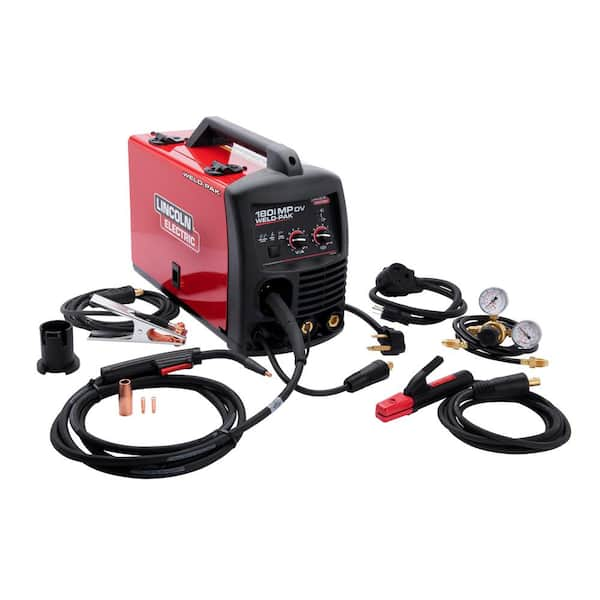
Say you own a Lincoln Electric 140 Amp MIG Welder. The nameplate says 120V, 20A input.
- Plugging into a 15A outlet may trip the breaker at max output.
- On a 20A outlet, you can weld up to about 1/8” steel, but not for long periods.
- Duty cycle is about 20% at 90 amps—this means you weld for 2 minutes, rest for 8.
For light repairs, auto bodywork, or hobby welding, this setup works fine. For heavy work, you need more power. If you try to weld a thick piece of steel (like a trailer hitch), you’ll notice the arc is weak or the machine overheats quickly.
Also, if your garage circuit powers lights or a freezer, the combined load can trip the breaker. Unplug other devices or run a dedicated line for your welder if possible.
Common Household Power Problems With Welders
Many people run into trouble because they don’t realize how much power welders consume. Here are issues to watch for:
- Breaker Trips: If your welder pulls more current than the circuit allows, the breaker will flip off.
- Voltage Drop: Long extension cords or poor wiring lower voltage, causing poor arc performance.
- Overheating: Wires or outlets can overheat if overloaded, creating a fire risk.
- Shared Circuits: Running other appliances on the same circuit as your welder will quickly overload it.
Another subtle problem is flickering lights when you weld. This means your wiring is near its limit, and it’s a sign you should upgrade your electrical system before continuing. If you smell burning plastic or feel hot outlets, stop immediately and check your wiring.
How To Safely Use A Welder At Home
Safety should come first. Here’s what you must do:
- Use Dedicated Circuits: Best practice is to have a dedicated outlet for your welder.
- Upgrade Wiring: For big welders, hire an electrician to install a 240V, high-amp circuit.
- Check Breakers: Make sure your panel can handle the extra load.
- Avoid Cheap Extension Cords: Only use heavy-duty cords rated for 20A or higher.
- Inspect Outlets: Loose or damaged outlets should be replaced before use.
Always follow local electrical codes. Don’t take shortcuts with electricity—mistakes can be deadly. A little investment in safe wiring gives you peace of mind and protects your home, tools, and family.
Extra tip: Always unplug your welder when not in use, especially in garages where moisture or dust can cause problems over time. Regularly check for frayed cords, cracked insulation, or signs of heat discoloration at plugs and outlets.
Credit: www.homedepot.com
Which Welders Are Best For Household Power?
If you want to weld at home, look for these features:
- 120V Input: Works with standard outlets.
- Low Amp Draw: Under 20A is best for most homes.
- Dual Voltage Option: Offers flexibility if you upgrade your wiring later.
- Inverter Technology: Inverters are lighter, more efficient, and run better on limited power.
Here are some top choices:
- For Beginners: Hobart Handler 140, Forney Easy Weld 140 FC-i
- Intermediate: Lincoln Electric Power MIG 210 MP (dual voltage)
- Stick Welding: Miller Thunderbolt 160, which runs on 120V and 240V
- TIG Welding: AHP AlphaTIG 200X (needs 240V for full power)
When shopping, check not just the input voltage but also the amp draw and duty cycle. Inverter welders use modern electronics to make the most of limited power, letting you weld longer and with better control.
Sample Welders And Power Requirements
Here’s a quick reference for popular welders and what power they need:
| Welder Model | Input Voltage | Input Amps | Max Output | Suitable for Household? |
|---|---|---|---|---|
| Hobart Handler 140 | 120V | 20A | 140A | Yes, on 20A circuit |
| Forney Easy Weld 140 FC-i | 120V | 20A | 140A | Yes, on 20A circuit |
| Lincoln Power MIG 210 MP | 120V/240V | 20A/24A | 210A | Yes, dual voltage |
| Miller Thunderbolt 160 | 120V/240V | 22A/21A | 160A | Yes, dual voltage |
| AHP AlphaTIG 200X | 120V/240V | 22A/27A | 200A | No, needs 240V for full power |
Extension Cords And Household Welding
Not all extension cords are equal. Using the wrong cord reduces voltage and overheats the line. For welders, use these guidelines:
- 12-gauge cord: Good for up to 15A, short runs (under 25 feet).
- 10-gauge cord: Handles 20A safely, up to 50 feet.
- 8-gauge cord: Best for long runs or higher amps.
Avoid using cords longer than needed. Always fully unroll the cord to prevent heat buildup.
A common mistake is using an old orange extension cord from a lawnmower or holiday lights. These are often 16- or 14-gauge—too thin for welding. Running a welder on a thin cord can damage both the cord and the welder.
If you notice the cord getting warm, switch to a heavier gauge immediately.
For best results, keep your welder as close as possible to the outlet. If you must use a cord, choose one rated for at least 20% more amps than your machine draws. This helps prevent voltage drop and keeps your welder running at full power.
What Happens If You Overload Household Power?
Running a welder that draws too much current leads to real problems:
- Breaker trips: Stops your work and signals danger.
- Wire overheating: Wires hidden in walls can overheat and cause fires.
- Equipment damage: Low voltage can harm the welder’s electronics.
- Poor weld quality: Low voltage or power interruptions create weak welds and ugly beads.
In the worst-case scenario, overloaded wires can smolder inside walls, starting fires long after you finish welding. Insurance may not cover such damage if your wiring was not up to code or properly installed.
If you hear buzzing from your breaker panel or see flickering lights, stop and investigate before continuing. These are warning signs that your electrical system is under stress.
Upgrading Your Home For Welding
If you want to do more serious welding at home, consider upgrading your electrical service. Here’s how:
- Install a 240V Circuit: Hire a licensed electrician for safety and code compliance.
- Add Dedicated Outlets: Each welder should have its own high-amp outlet.
- Use Correct Breakers: Match breaker size to the welder’s needs, usually 30A or more.
- Label Everything: Make sure you know which breaker controls each outlet.
Tip: Some insurance companies require professional installation for high-power circuits.
Upgrading may cost a few hundred dollars, but it’s a smart investment if you plan to weld regularly or want to use larger machines. It also adds value to your home and makes it safer for all your electrical needs, not just welding.
120v Vs 240v Welders: Pros And Cons
Here’s a side-by-side comparison:
| Feature | 120V Welder | 240V Welder |
|---|---|---|
| Power Source | Standard household outlet | Appliance or special outlet |
| Max Output | Up to 140A | Up to 250A+ |
| Material Thickness | Up to 1/8” steel | Up to 1/2” steel |
| Ease of Use | Plug and play | Needs special wiring |
| Cost | Lower | Higher |
| Portability | High | Medium to low |
One detail many people miss: 240V welders often have smoother arcs and can weld thicker material in a single pass. However, 120V welders are perfect for small repairs and can be used almost anywhere there’s a standard outlet.

Credit: metalmangear.com
Two Key Insights Most Beginners Miss
- Duty Cycle is Critical: Many new welders ignore duty cycle ratings. If your 120V welder says 20% at 90A, you can only weld for 2 out of every 10 minutes before letting it cool. Exceeding this leads to overheating and shortens the welder’s life.
*Non-obvious tip:* If you’re doing short tack welds, you may not reach the duty cycle limit. But for long beads, the welder will heat up quickly. Plan your work—weld in short bursts, then grind or fit the next piece while the machine cools.
- Circuit Sharing is a Problem: Many homes have multiple outlets on one breaker. If you run a welder while another device (like a fridge) is on the same line, you’ll trip the breaker or cause voltage drop. Always check what else is powered by your circuit.
*Non-obvious tip:* Even lights and small appliances can add up. If you’re unsure, plug a lamp into the outlet and flip breakers at your panel—if other outlets or lights turn off too, they’re on the same circuit.
Signs You Need More Power
If you notice these problems, your welder needs more juice:
- Arc stutters, starts and stops
- Breaker trips often
- Weld bead looks weak, inconsistent, or full of spatter
- Welder fan runs constantly or machine gets hot quickly
Upgrading to a higher-amp circuit or a 240V machine solves these issues. For frequent welding, better power means better results and less frustration.

Credit: www.weldclass.com.au
Practical Tips For Running A Welder At Home
- Start with a Low-Power Machine: Don’t buy a 250A welder if you only have 120V outlets.
- Test on a Dedicated Circuit: Turn off other loads while welding.
- Keep Your Cord Short: Use the shortest, thickest extension cord possible.
- Monitor Your Duty Cycle: Stop and let the welder rest as required.
- Stay Safe: Use proper PPE, ventilate your workspace, and keep a fire extinguisher nearby.
Another useful tip: practice running test beads on scrap metal to learn how your welder behaves on your home circuit. You’ll quickly spot if there’s not enough power by how the arc forms and how hot the machine gets.
Local Electrical Codes And Insurance
Many local codes limit what you can do with home wiring. Always check before installing new circuits or outlets. Insurance companies may not cover fire damage if you use unapproved wiring or overwork your circuits.
For more on safe home electrical practices, check the National Fire Protection Association site.
When Should You Hire An Electrician?
If you’re not sure about your wiring, it’s best to call a licensed electrician. Improper wiring is a leading cause of home fires and can void insurance. Electricians can add 240V circuits, upgrade breaker panels, and ensure your setup is safe.
A professional can also help you plan for future needs—such as adding outlets for air compressors, battery chargers, or other shop equipment. They’ll ensure everything meets code and works reliably.
Frequently Asked Questions
What Size Breaker Do I Need For A 120v Welder?
Most 120V welders need a 20-amp breaker. Always check your welder’s manual for exact requirements. If you use other devices on the same circuit, you may need a dedicated line to avoid tripping the breaker.
Can I Weld In My Garage Using A Household Outlet?
Yes, you can use a 120V outlet in your garage for small welders. Make sure the circuit is rated for 20 amps and not shared with large appliances. Use a short, heavy-duty extension cord for best results.
Will A 240v Welder Work At Home?
A 240V welder can work at home if you have a 240V outlet and a suitable breaker. Most homes have 240V lines for dryers or ovens. You may need to add a dedicated outlet for your welder to use it safely.
Is It Dangerous To Run A Welder On Household Power?
It can be dangerous if you overload circuits, use thin extension cords, or ignore duty cycles. Always match your welder’s input needs with your wiring, and never bypass safety features. Consider professional help for complex installations.
What’s The Best Welder For Beginner Home Use?
A 120V inverter MIG or flux-core welder is best for most beginners. Look for models that run on 20 amps or less and have good reviews for reliability. Brands like Hobart, Forney, and Lincoln are trusted choices for home workshops.
Running a welder on household power is possible, but only if you match the machine’s needs with your home’s capacity. Take time to check your circuits, choose the right welder, and prioritize safety. With the right setup, you’ll get good welds at home without risking your electrical system or your safety.
By understanding your home’s wiring and your welder’s demands, you can work confidently and safely, enjoying projects for years to come.