Disclosure: This post contains affiliate links and I will be compensated if you make a purchase after clicking through my links. Learn More
Yes, but only small welders (like many 120V models) are safe for standard 15 or 20 amp household outlets. Larger welders usually need dedicated 240V circuits. Using the wrong outlet risks fire, damage, or injury.
Understanding Welder Power Needs
Many first-time welders wonder if they can use their existing home outlets for welding. The truth is, not all welders are built the same—and neither are outlets. The real answer depends on your welder’s voltage and amperage requirements, which affect safety, performance, and even your home’s wiring.
One simple mistake can lead to big problems. If you use a welder that needs more power than your home outlet can safely deliver, you risk not just poor performance but real hazards like melted wires or even an electrical fire.
It’s not just about the welder working—it’s about keeping your house and everyone in it safe.
Basic Electrical Terms
- Voltage (V): Measures electrical force. In the US, standard outlets are usually 120V, while heavy-duty outlets are 240V.
- Amperage (A): Measures electrical current. Standard outlets support 15A or 20A. Most garage or shop outlets are 20A.
- Watts (W): Power = Voltage x Amperage.
For example, a standard 120V, 15A outlet supplies a maximum of 1,800 watts (120 x 15), while a 20A outlet can handle up to 2,400 watts. If a welder pulls more power than this, problems start quickly.
A welder that draws more current than your outlet can provide will trip breakers—or worse, melt wires and start fires. For welding, you need steady, reliable power. Fluctuations or drops in voltage can result in a weak or unstable arc, making your welds look bad and possibly fail when stressed.
Types Of Welders And Their Power Needs
Not every welder uses the same power. Understanding the type of welder you have will help you decide if your standard outlet is enough.
1. Small 120v Welders
These include many flux-core wire feed welders and light-duty MIG or stick welders. They often advertise “plug and play” for home use.
- Typical input: 120V, 15A or 20A
- Output: 70-140 amps (welding current)
- Uses: Thin steel, sheet metal, auto body repair
Most of these models work fine on standard outlets, but you should always check the user manual for exact requirements.
It’s important to note that even if a welder is rated for 120V, running it on a 15A circuit might only allow you to use it at half power. If you try to crank it up for thicker metal, you’ll likely trip the breaker.
2. Dual Voltage Welders (120v/240v)
Many modern welders offer dual voltage. They automatically adjust to the outlet you use.
- Typical input: 120V or 240V, 20A+
- Output: 90-200 amps (on 240V)
- Uses: More flexibility, can weld thicker metal on 240V
These machines are popular because you can start on a standard outlet, then switch to higher power when ready.
Keep in mind, though, that on the 120V setting, even a dual-voltage welder will have limited output. You can weld thinner materials, but for heavy projects, you need to use 240V.
3. Large 240v Welders
Heavy-duty MIG, TIG, and industrial stick welders almost always need 240V.
- Typical input: 240V, 30A+
- Output: 180-300+ amps
- Uses: Thick steel, aluminum, large projects
You can’t use these on normal outlets—new wiring is required.
Attempting to run these on a 120V outlet is not just impossible; it’s dangerous. The plugs are different for a reason. If you try to modify them, you risk damaging your equipment and your home’s wiring.
4. Engine-driven Welders
These use gas or diesel engines and don’t need outlets at all. They’re for job sites with no power.
Engine-driven welders are often used outdoors or in remote locations. They are heavy, but perfect for jobs where electricity isn’t available. They also serve as backup generators for tools and lighting.
What Happens If You Use The Wrong Outlet?
Plugging a big welder into a normal outlet is a serious mistake. Here’s what can go wrong:
- Breakers trip: Circuit shuts off power for safety.
- Overheating wires: Wires can melt or burn, causing fires.
- Damaged welder: Power surges may ruin the machine.
- Poor weld quality: Insufficient power leads to weak or incomplete welds.
Even if nothing seems wrong at first, running a welder on an underpowered circuit can slowly damage both your welder and house wiring. Breakers are designed to trip before the wires overheat, but not all electrical systems are perfect. In older homes, wires may already be worn down.
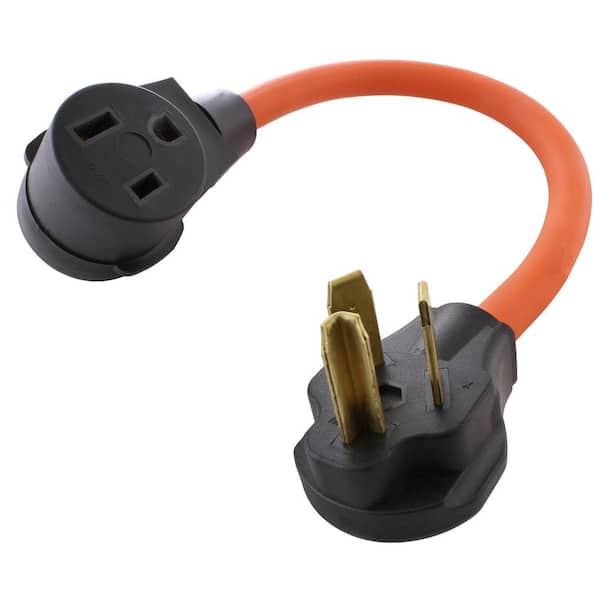
Never bypass safety devices or use adapters to “force fit” a plug. This creates fire and shock hazards.
What Is A “normal Outlet”?
In the US, a normal outlet means a standard 120V, 15A or 20A wall plug—the same kind you use for lamps or small appliances.
You might see outlets that look similar but have small differences (like one slot turned sideways) to show they’re rated for 20A instead of 15A. Don’t assume all outlets in your garage are the same—always check.
| Outlet Type | Voltage | Amperage | Common Use |
|---|---|---|---|
| Standard 120V (NEMA 5-15) | 120V | 15A | Lamps, TVs, small tools |
| Heavy-Duty 120V (NEMA 5-20) | 120V | 20A | Garage tools, microwaves |
| 240V (NEMA 6-50, 14-50) | 240V | 30A–50A | Dryers, stoves, welders |
If you’re not sure what kind of outlet you have, look closely at the faceplate or the markings near the slots. You may need to remove the cover (with the breaker OFF) to see the wire gauge and confirm.
Credit: www.homedepot.com
How To Check If Your Welder Fits Your Outlet
It’s not enough to just “try it. ” Use this checklist to see if your welder will safely work with your current outlet.
- Read the welder’s manual: Find the “input power” requirements.
- Look at the plug: Is it a standard three-prong (like a laptop)? Or a big, round prong?
- Check the outlet rating: It’s usually stamped on the outlet cover.
- Compare amperage: Your welder must not draw more current than the outlet or circuit breaker allows.
- Circuit breaker size: Find your breaker box. The breaker number should match or exceed the welder’s input amps.
If in doubt, ask a licensed electrician. Never guess with electricity.
Also, consider what else is on the same circuit. If your welder shares a breaker with lights or other tools, those extra devices can trip the breaker faster.
Real-life Examples
To make this clear, let’s look at actual welders and their requirements.
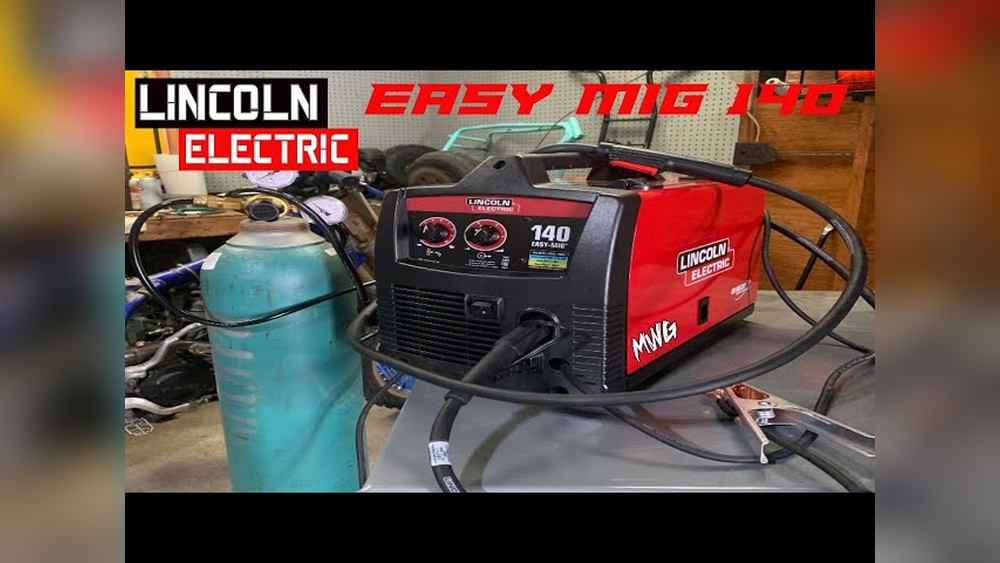
Example 1: Lincoln Handy Mig 120v
- Input: 120V, 20A
- Plug: Standard 3-prong
- Can use a regular outlet? Yes, if it’s a 20A circuit.
This welder is great for small repairs and thin metal. If you try to use it on a 15A outlet, you may only get short welds before the breaker trips.
Example 2: Miller Multimatic 215 (dual Voltage)
- Input: 120V, 20A or 240V, 20A
- Plug: Comes with adapters for both
- Can use a regular outlet? Yes, but only for light welding. For full power, use 240V.
You get flexibility with this machine. For heavy-duty work, a 240V outlet gives you more power and longer welding times without tripping.
Example 3: Hobart Handler 210 Mvp
- Input: 120V, 20A or 240V, 30A
- Plug: Special adapter
- Can use a regular outlet? Yes, but only for thin materials and low power.
When you’re ready to weld thicker steel, the 240V option unlocks the machine’s full capabilities.
Example 4: Lincoln Ac-225 Stick Welder
- Input: 240V, 50A
- Plug: Heavy-duty, not standard
- Can use a regular outlet? No. Needs a dedicated 240V line.
This type of welder is for big jobs and would be unsafe on any normal outlet.
Can You Use Extension Cords?
Welders pull high currents, which can overload normal extension cords. If you must use an extension cord:
- Use only heavy-gauge cords (10-gauge or thicker)
- Keep the cord as short as possible
- Check the cord for heat during use
Never use lightweight or long household extension cords—they’re a fire risk.
If you feel the cord getting warm, stop immediately. A hot cord means it’s not thick enough for the current. Also, extension cords can cause voltage drop, which makes your welder run poorly.
A good practice is to buy a purpose-built “welder extension cord” from a hardware store. These are designed for high amps and are much safer than regular orange extension cords.
Upgrading Your Outlet For A Welder
If your welder needs more power, you’ll need to upgrade your outlet and wiring. Here’s what’s involved:
- Install a dedicated circuit (correct gauge wire, right breaker size)
- Use the correct outlet type for your welder plug
- Label the breaker for the welder only
This job often requires a permit and a licensed electrician. It’s not a DIY project unless you have electrical experience.
Having a dedicated circuit prevents other devices from interfering with your welder’s power supply. It also keeps your home safer by ensuring the wiring and breakers are designed for heavy loads.
| Welder Type | Typical Voltage | Amperage Needed | Outlet Needed |
|---|---|---|---|
| Small Flux-Core MIG | 120V | 15-20A | Standard 3-prong |
| Medium MIG/TIG | 240V | 20-30A | 6-50R or 14-50R |
| Heavy Stick Welder | 240V | 40-50A | 6-50R or 14-50R |
Sometimes, upgrading also means running thicker wire from your breaker box, which can be tricky in finished walls. Don’t take shortcuts—proper installation is key for safety and performance.

Credit: www.youtube.com
Safety Tips When Using Welders At Home
Electricity and welding create unique risks. Use these tips to stay safe:
- Never bypass fuses or breakers
- Use grounded outlets only
- Keep flammable objects away from the work area
- Inspect cords and plugs for damage before use
- Don’t weld in wet or damp conditions
- Wear proper PPE: Gloves, mask, flame-resistant clothes
In addition, always keep a fire extinguisher nearby. Sparks from welding can ignite dust or paint fumes. Make sure you know where your home’s main breaker is, so you can shut off power quickly in an emergency.
Common Myths About Welders And Outlets
Many people believe myths that put their safety at risk. Here are the facts:
- Myth: “All welders work in any outlet.”
Fact: Only small welders work safely with standard outlets.
- Myth: “You can use a plug adapter.”
Fact: Adapters don’t convert voltage or increase current. They only change the plug shape.
- Myth: “If it fits, it’s safe.”
Fact: The wiring behind the outlet is what matters. Never guess.
Another myth is that “older homes have stronger wiring. ” In fact, older wiring can be more dangerous, often lacking modern safety features or proper grounding.
What Makes A Welder “plug And Play”?
Some welders are sold as “plug and play” or “ready for home use.” This means:
- They have a standard 120V, 15A or 20A plug
- They’re designed for short welds on thin metal
- They won’t trip your breaker (if used correctly)
But even these can overheat circuits if you weld for long periods. Always use the correct breaker and wiring.
Some “plug and play” welders also include built-in overload protection, shutting off automatically if they detect unsafe power conditions. Still, this doesn’t replace good wiring and safe practices.
Dual Voltage Welders: The Flexible Option
If you want to weld at home and later tackle bigger projects, consider a dual voltage welder. These let you plug into either 120V or 240V outlets.
- On 120V: Weld thin metal, light repairs
- On 240V: Weld thick metal, heavy work
This flexibility is ideal for hobbyists who may upgrade their workspace in the future.
Dual voltage welders are often a little more expensive but can save you from needing to buy a new machine when your projects grow. They also allow you to work in different locations without rewiring.
How Circuit Breakers Protect You
Circuit breakers keep you safe by cutting power when too much current flows. If your welder draws more amps than the breaker allows, it will trip.
- 15A breaker: Good for small welders only
- 20A breaker: Better for most 120V models
- 30A+ breaker: Needed for big welders
Never replace a breaker with a bigger one just to run a welder. This can cause fires. The wire in the wall may not handle the extra current.
A common beginner mistake is to swap a 15A breaker for a 20A breaker without upgrading the wiring. This creates a hidden fire risk, as the wire may overheat before the breaker trips.
Cost Of Upgrading Your Electrical System
If you need a new outlet or dedicated circuit, expect to pay for parts and professional labor.
- New 240V outlet (with breaker and wiring): $250–$600 (in the US)
- Permit fees (if required): $50–$150
- DIY material cost (if allowed): $80–$200
It’s a smart investment for safety and performance, especially if you plan to weld regularly.
Also, a proper upgrade can add value to your garage or shop, making it more attractive for future buyers who need heavy-duty power.
Gfci Outlets And Welders
Many garages have GFCI outlets (with “test” and “reset” buttons) for safety. Some welders may trip GFCI outlets, especially at startup. This is usually not dangerous, but it can be annoying.
- If your welder trips GFCI, try a regular (non-GFCI) outlet
- Never remove or bypass a GFCI for welding
GFCI outlets are there to protect you from electric shock, especially in damp areas. If you’re working outside or in a basement, always use GFCI protection if it’s available.
Practical Tips For Home Welders
- Test your outlet before starting. Plug in a high-wattage tool (like a hair dryer). If the breaker trips, it won’t handle a welder.
- Weld in short bursts. Continuous welding draws more power and heats up wires.
- Keep your cords short and thick. Long, thin cords cause voltage drops and heat.
- Use a surge protector if possible for sensitive electronics.
- Label your welder’s outlet so others don’t plug in the wrong device.
If you have several tools in your garage, consider adding dedicated circuits for each. This avoids overloads and makes your workspace safer and more efficient.
Two Insights Beginners Miss
- Voltage drop ruins welds: If your wiring is too long or too thin, voltage drops, causing poor arc performance and weak welds. Most new welders blame the machine, but the wiring is often the problem.
- Breaker size isn’t the only limit: Even if your breaker is big enough, the wire in the wall must be thick enough for the amps. Old homes often have thin wires, which can overheat and cause fires—even if the breaker doesn’t trip.
A third insight: Many people don’t realize that using other appliances on the same circuit can also cause voltage drops or unexpected breaker trips, especially with big power tools or heaters.
Comparing Welders: Power Vs. Outlet Compatibility
Here’s a side-by-side look at three common welder types and their compatibility with normal outlets.
| Welder Model | Voltage Needed | Max Amps Input | Normal Outlet Compatible? |
|---|---|---|---|
| Hobart Handler 140 | 120V | 20A | Yes, 20A circuit |
| Lincoln Power MIG 210 MP | 120V/240V | 20A/30A | Yes (120V), Full power only on 240V |
| Miller Syncrowave 210 | 240V | 30A | No |
When shopping for a welder, always check both the voltage and amperage ratings. Don’t just trust the plug—read the manual and specifications to avoid surprises.
What If You Ignore The Rules?
Some people try to “make it work” by using adapters, long cords, or replacing breakers with bigger ones. This is dangerous and can:
- Void your home insurance
- Start electrical fires
- Kill your welder warranty
- Cause serious injury or death
Always follow the manufacturer’s instructions and local electrical codes.
Sometimes, insurance companies won’t pay for fire damage if you used unsafe wiring or ignored electrical codes. It’s never worth the risk to cut corners.
When Should You Call An Electrician?
If you’re not sure about your wiring, breaker size, or outlet type, call a professional. An electrician can:
- Check your wiring for safety and code compliance
- Install a dedicated outlet and breaker
- Help you choose the right welder for your power supply
Never guess or take shortcuts with electricity.
A licensed electrician can also help you plan for future upgrades, like adding more outlets or circuits if you expand your workshop.
Summary: Can You Plug A Welder Into A Normal Outlet?
- Small 120V welders: Often yes, on a 15A or 20A outlet
- Dual voltage welders: Yes for light work, but full power needs 240V
- Big 240V welders: No, needs dedicated outlet and wiring
- Engine-driven welders: Don’t use outlets at all
Always check your welder’s requirements, inspect your outlet, and use safe practices.
For more details about electrical safety and outlet types, check the OSHA Electrical Safety Guide.
Frequently Asked Questions
Can I Run A Welder On A Standard 15 Amp Outlet?
Most small welders can run on a 15 amp outlet, but only at low power and for short periods. Heavy or continuous welding will trip the breaker or overheat the wiring. Always check your welder’s manual for minimum circuit requirements.
What Happens If I Plug A 240v Welder Into A 120v Outlet?
Plugging a 240V welder into a 120V outlet usually won’t work. The welder may not turn on, or it could damage internal electronics. Never use adapters to force a 240V plug into a 120V outlet. This is unsafe and can ruin your equipment.
Can I Use A Heavy-duty Extension Cord With My Welder?
Yes, but only use a short, thick extension cord rated for the welder’s amps. A 10-gauge or thicker cord is best. Long or thin cords cause voltage drop and overheating, which can damage both the cord and your welder.
Do I Need A Dedicated Breaker For My Welder?
For larger or 240V welders, a dedicated breaker and circuit are required for safety and code compliance. Even small welders work best with their own circuit to avoid tripping other devices. An electrician can install this quickly.
Is It Safe To Use A Gfci Outlet For Welding?
Some welders trip GFCI outlets, especially during startup. While it’s not usually dangerous, it can be annoying. If this happens, try a standard outlet. Never remove or bypass GFCI protection, especially in wet or garage areas.
Final Thoughts
Plugging a welder into a normal outlet is possible for small machines, but always check your specs. Protect your tools, your home, and yourself by following proper safety practices and getting expert advice when needed. Welding is rewarding work—when you do it right.