Disclosure: This post contains affiliate links and I will be compensated if you make a purchase after clicking through my links. Learn More
Difference Between Welding Generator And Normal Generator
A welding generator is built for stable, high-current output to power welding machines, while a normal generator is designed for general electrical supply, often for homes or businesses. Their internal design, output, and applications are very different.
Why Understanding The Difference Matters
Choosing the wrong generator can lead to poor welding results, damaged machines, or even safety risks. If you’re planning to buy or use a generator for welding, knowing the real distinctions between a welding generator and a normal generator isn’t just technical—it’s essential for cost, performance, and reliability.
Many buyers make mistakes by thinking any generator can handle a welding job. This article explains the key differences so you can make smarter choices, avoid wasted money, and prevent equipment failures. You’ll get clear examples, expert comparisons, and real-world advice.
What Is A Welding Generator?
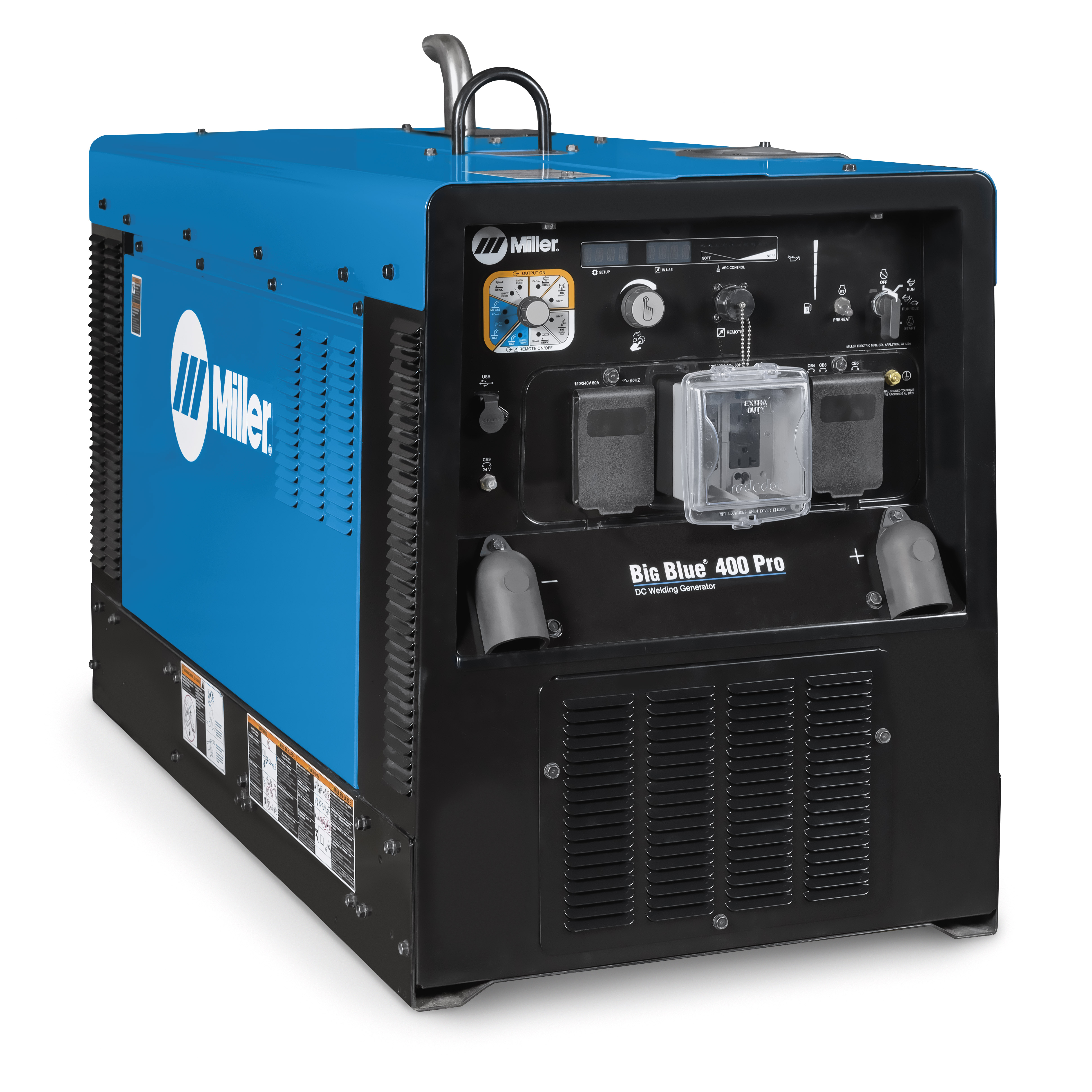
A welding generator supplies power specifically for welding equipment. It’s engineered to deliver high, stable current at the right voltage for welding jobs. Most welding generators are portable, run on diesel or gasoline, and can handle stick, MIG, and TIG welding. They can sometimes power tools or lights, but their main job is to support welding.
Welding generators are built to:
- Provide steady amperage under load.
- Handle sudden surges from starting welds.
- Prevent voltage drops that cause poor welds or equipment damage.
- Support duty cycles for professional welding.
Typical output ranges from 150A to 500A, depending on the model. These units are popular on construction sites, farms, shipyards, and remote locations where grid power isn’t available.
What Is A Normal Generator?
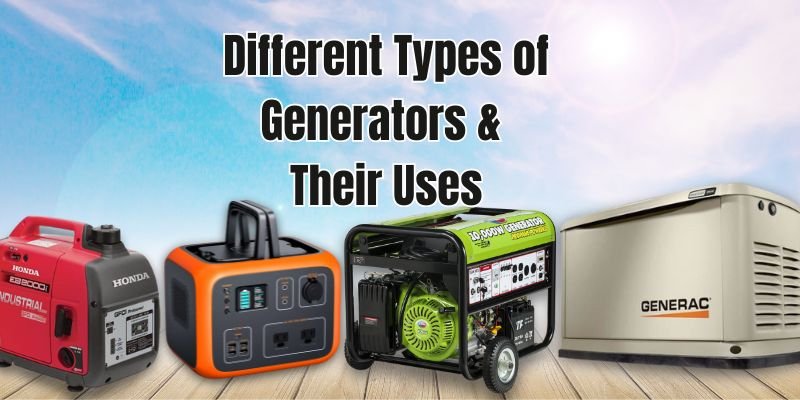
A normal generator (sometimes called a portable generator or standby generator) is designed to supply electricity for household or business needs. Its output is meant for lights, appliances, computers, pumps, or tools—not for high-amperage welding.
These generators are optimized for:
- Consistent voltage for electronics.
- Lower current output (usually under 40A).
- Running multiple devices at once.
- Backup power during outages.
Normal generators come in sizes from 1kW to 10kW or more. Some are portable, others are permanent installations. Their internal design is focused on running sensitive electronics, not heavy-duty welding machines.
Key Differences: Welding Generator Vs. Normal Generator
The differences between these two types aren’t just about power—they’re about internal engineering, output quality, and real-world performance. Here’s a detailed breakdown:
1. Output Current And Voltage
Welding generators produce high current (amperage), often with adjustable voltage. This is essential because welding requires intense, steady power. For example, stick welding typically needs 80–250A, while MIG/TIG can demand even more.
Normal generators provide lower amperage and fixed voltage, usually 120V or 240V. They are not built to handle the spikes or duty cycles of welding.
2. Duty Cycle
A welding generator is rated for a high duty cycle—meaning it can run for long periods at high load without overheating or failing. The duty cycle is usually measured as a percentage (like 60% at 200A), showing how long you can weld before letting the generator cool.
Normal generators have a lower duty cycle. If you run them at full load, they may overheat, trip, or lose voltage stability. This makes them unsuitable for continuous welding.
3. Power Stability
Welding demands stable power. Fluctuations can cause poor welds, arc interruptions, or damage to the welder.
Welding generators have built-in regulation systems to keep voltage and current steady, even under load changes. Normal generators may have more fluctuation, especially with sudden loads or when other devices are running.
4. Engine And Alternator Design
The engines in welding generators are larger, more robust, and often have extra cooling. Their alternators are designed for high current output and durability.
Normal generators use smaller engines and alternators, focused on efficiency and quiet operation. They aren’t meant for the heavy strain of welding.
5. Application And Usage
Welding generators are common on:
- Construction sites
- Oil fields
- Remote repairs
- Farm equipment maintenance
Normal generators are used for:
- Home backup power
- Camping
- Running tools
- Offices and shops
6. Plug And Output Type
Welding generators often have specialized output terminals for welding cables and clamps. Some also include standard outlets for tools.
Normal generators have standard 120V/240V outlets for appliances and tools. They rarely offer direct connections for welding machines.
Read Here: Can You Plug a Welder into a Normal Outlet?
7. Portability And Weight
Welding generators are heavier and bulkier because of their larger engines and cooling systems. Some models are trailer-mounted for easy transport.
Normal generators range from small, carry-able units to large standby models. They are lighter and easier to move for non-welding uses.
8. Cost
Welding generators cost more—often $2,000 to $10,000—because of their robust design and specialized output.
Normal generators cost less, usually $200 to $3,000 for most portable models.
9. Safety Features
Welding generators include extra safety systems:
- Thermal overload protection
- Automatic shut-off for low oil
- Arc protection
Normal generators focus on electrical safety, surge protection, and safe operation for household use.
10. Maintenance
Welding generators require more frequent maintenance due to heavy use and high loads. Oil changes, filter replacements, and regular inspections are critical.
Normal generators need less maintenance, mainly during standby or light use.
Comparison Table: Welding Generator Vs. Normal Generator
Here’s a clear side-by-side comparison to help you see the practical differences:
| Feature | Welding Generator | Normal Generator |
|---|---|---|
| Output Current | 150–500A (adjustable) | Up to 40A (fixed) |
| Voltage | Adjustable, stable | 120V/240V (standard) |
| Duty Cycle | High (60–100%) | Low (30–50%) |
| Power Stability | Very stable | Moderate, may fluctuate |
| Application | Welding jobs | General power supply |
| Cost | $2,000–$10,000 | $200–$3,000 |
| Maintenance | Frequent, heavy-duty | Less frequent |
| Safety Features | Arc protection, thermal shut-off | Electrical, surge protection |
Real-world Examples
Welding Generator Use Case
Imagine a pipeline repair crew working far from the nearest power line. They bring a Lincoln Ranger 250 welding generator. It can run for 8 hours at 250A, power grinders and lights, and handle rough conditions. The generator’s stable current means strong, consistent welds—even as workers switch between stick and MIG welding.
Normal Generator Use Case
A homeowner installs a Generac GP6500 portable generator for backup power. It runs lights, refrigerators, and a sump pump during outages. Trying to use this generator for welding would overload it, cause voltage drops, and possibly damage the welder or generator.
Credit: www.millerwelds.com
Technical Specifications: What Makes Each Unique?
Let’s look deeper at the technical details that set welding generators apart from normal generators.
Output Waveform
Welding generators are engineered for a smooth, controlled output waveform. This is vital for arc stability and weld quality. Many models use inverter technology or heavy-duty alternators to create a clean, steady output.
Normal generators often have a rougher waveform, which can cause arc instability and poor welds if used for welding.
Power Factor
Welding generators have a high power factor (close to 1), meaning almost all the power is usable for welding. Normal generators often have a lower power factor, so more energy is wasted as heat or lost in electrical conversion.
Frequency Control
Welding generators tightly control output frequency (usually 60Hz in the USA), preventing weld defects. Normal generators may have minor frequency variation, which is fine for most appliances but not for welding.
Cooling System
Welding generators use enhanced cooling—like oversized radiators and airflow systems—to handle high heat during long welds.
Normal generators use standard cooling, which isn’t enough for continuous welding.
Noise Levels
Welding generators are noisier because of their heavy-duty engines. Normal generators often include noise-reducing features for home use.
Table: Technical Comparison
Here’s a technical breakdown for quick reference:
| Specification | Welding Generator | Normal Generator |
|---|---|---|
| Waveform | Smooth, controlled | Variable, rougher |
| Power Factor | 0.9–1.0 | 0.7–0.9 |
| Frequency | Stable (60Hz) | Minor variation |
| Cooling | Enhanced | Standard |
| Noise | High | Low–Medium |
Common Buyer Mistakes
Many buyers believe any generator can run a welding machine. This leads to:
- Underpowered welds: Using a normal generator for welding causes weak arcs, poor penetration, and low-quality welds.
- Equipment damage: Voltage drops and power surges can destroy welding machines and generators.
- Safety hazards: Overloading a normal generator risks fire or electrical injury.
- Wasted money: Buying the wrong generator means more repairs, replacements, and lost productivity.
Always check the generator’s output amperage, duty cycle, and stability before using it for welding.
How To Choose The Right Generator For Welding
If you need a generator for welding, follow these expert steps:
- Calculate your welding machine’s requirements: Check your welder’s manual for input amperage and duty cycle.
- Choose a generator with higher output: Pick a generator with at least 25% more amperage than your welder’s maximum draw.
- Ensure stable voltage: Look for models with voltage regulation or inverter technology.
- Check duty cycle: Select generators with a duty cycle matching your work schedule.
- Confirm output terminals: Make sure it has welding-specific connections.
- Evaluate cooling and durability: Choose models with strong cooling systems for long jobs.
- Consider portability: If you need to move the generator often, pick a trailer-mounted or wheeled model.
- Budget for maintenance: Plan for oil changes, filter swaps, and regular inspections.
Can You Use A Normal Generator For Welding?
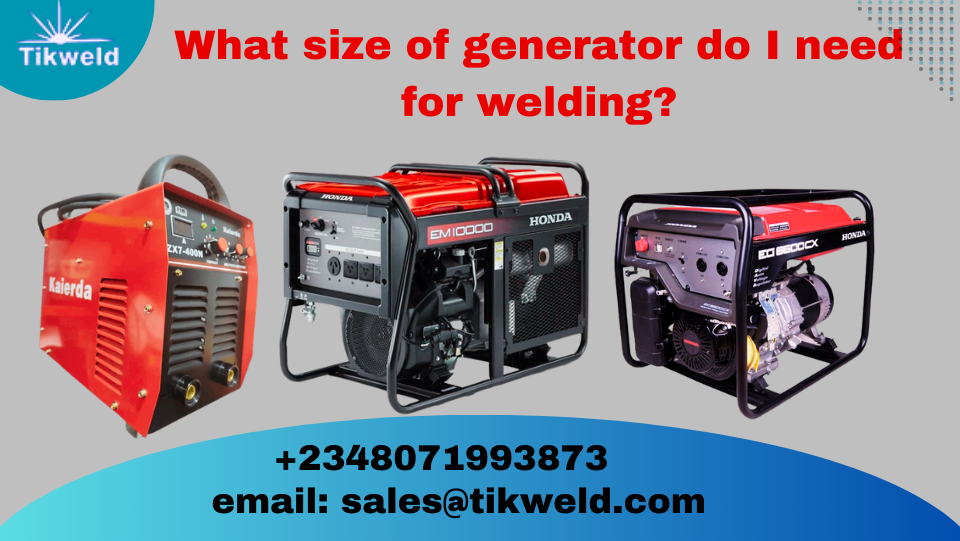
In most cases, you shouldn’t. While some small welders (like 140A inverter stick welders) can run on high-output normal generators, the results are unpredictable. You risk poor welds, equipment damage, and safety issues.
If you must use a normal generator, make sure:
- It can supply at least 1.5x the welder’s rated input.
- It has stable voltage output.
- You use only for short, light welds.
Professional welders avoid this unless absolutely necessary.
Practical Tips For Welding Generator Owners
Expert advice for maximizing welding generator performance:
- Warm up the generator: Run it for 5–10 minutes before starting heavy welding.
- Inspect cables and connections: Loose or corroded terminals cause voltage drops.
- Monitor oil and coolant levels: Overheating is a common cause of failure.
- Use surge protectors: Protect sensitive electronics running from the generator.
- Store in dry, secure locations: Prevent rust and theft.
- Schedule regular maintenance: Follow manufacturer guidelines for service intervals.
Credit: tikweld.com
Top Welding Generator Brands In The Usa
- Lincoln Electric: Known for rugged design and reliable output.
- Miller Electric: Offers advanced inverter technology and high duty cycles.
- Hobart: Popular for portable models and farm use.
- Champion: Affordable, durable options for smaller jobs.
- ESAB: Focused on professional-grade welding generators.
These brands have strong reputations for quality, customer service, and support. Always buy from authorized dealers to ensure warranty coverage.
Table: Popular Welding Generator Models
| Brand | Model | Output (Amps) | Price Range | Best Use |
|---|---|---|---|---|
| Lincoln Electric | Ranger 250 | 250A | $4,500–$5,500 | Construction, farm |
| Miller Electric | Bobcat 250 | 250A | $5,000–$6,000 | Oil field, repair |
| Hobart | Champion Elite | 225A | $3,500–$4,500 | Farm, remote work |
| ESAB | Warrior 300 | 300A | $6,000–$7,500 | Heavy industry |

Credit: www.weldclass.com.au
Expert Insights That Beginners Often Miss
- Voltage stability is more important than raw power. Even a high-output generator can cause bad welds if voltage fluctuates. Always look for models with automatic voltage regulation.
- Duty cycle isn’t just a technical term—it affects how long you can weld before stopping. Ignore duty cycle, and you risk overheating and shutting down mid-job.
- Cooling systems matter. Welding generates much more heat than running household devices. Generators with poor cooling will fail faster.
- Noise isn’t just annoyance—it signals engine strain. If your welding generator is much louder than normal, check for maintenance issues.
- Fuel efficiency saves money. Modern welding generators use less fuel per amp, cutting costs on big jobs.
Safety Guidelines
Always follow these rules with welding generators:
- Keep flammable materials away.
- Ground the generator properly.
- Use PPE (Personal Protective Equipment) when welding.
- Never overload the generator.
- Check for leaks and loose connections before starting.
Where To Learn More
For deeper technical details and standards, visit the Wikipedia page on Electric Generators.
Frequently Asked Questions
What Is The Main Difference Between A Welding Generator And A Normal Generator?
A welding generator is designed for high-current, stable output specifically for welding. A normal generator is built for general electrical supply, with lower current and less stability, mainly for home and business devices.
Can I Use A Normal Generator For Welding?
You can use a normal generator for small, low-amperage welders, but it’s not recommended. Most normal generators lack the power and stability needed for quality welding and can cause equipment damage or safety risks.
Why Are Welding Generators More Expensive?
Welding generators cost more because they use heavy-duty engines, advanced cooling, and output regulation systems. They are built for high load, long duty cycles, and durability that general generators don’t offer.
What Happens If I Use The Wrong Generator For Welding?
Using a normal generator for welding can cause poor welds, voltage drops, damage to your welder, and even electrical hazards. Always match your generator’s output to your welding machine’s requirements.
How Do I Pick The Right Generator For My Welding Machine?
Check your welding machine’s amperage and duty cycle needs, then choose a welding generator with higher output, stable voltage, proper terminals, and strong cooling. Never use a generator that’s underpowered or lacks voltage regulation.
Final Thoughts
Welding generators and normal generators are designed for very different jobs. If you need reliable, high-quality welds, only a welding generator will deliver the right performance and safety. Picking the correct generator saves time, money, and protects your equipment. Use this guide to make confident decisions and get the best results for your welding projects.