Disclosure: This post contains affiliate links and I will be compensated if you make a purchase after clicking through my links. Learn More
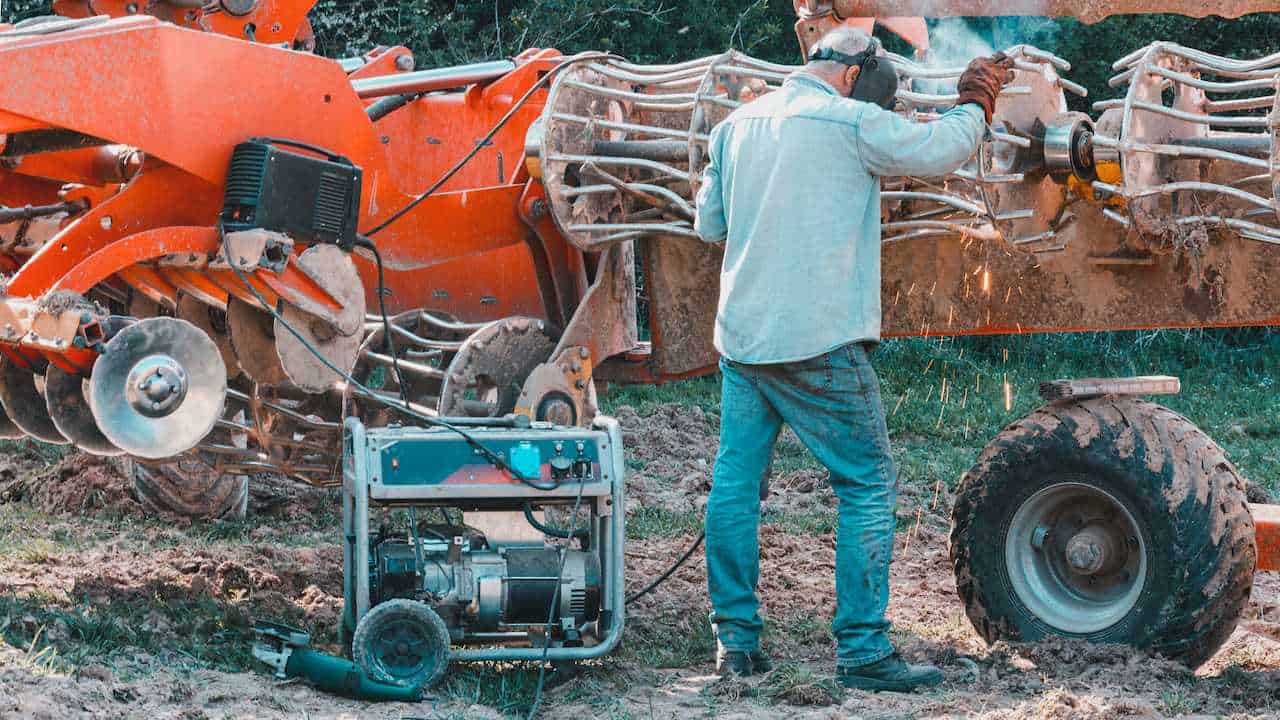
Can you run a welder off a generator? Yes, you can, but you must match the generator’s power output to the welder’s needs. The right combination delivers safe, stable welding, while the wrong setup risks equipment damage, poor weld quality, and even safety hazards.
Running a welder from a generator offers real flexibility. You can work at remote job sites, on farms, or during power outages. But it’s not as simple as plugging in and firing up. Too many people ruin good welders or generators by guessing.
Get this right, and you’ll work safely and efficiently anywhere you need.
How Welders And Generators Work Together
A welder needs a steady flow of power. Generators convert fuel—like gasoline, diesel, or propane—into electricity. But not every generator can power every welder. Welders draw heavy starting currents and need “clean” electricity without spikes or dips. This is why matching the right generator to your welder is critical.
Types Of Welders
You’ll usually run one of three main types off a generator:
- Stick welders (SMAW): Reliable, often used outdoors, need higher amps.
- MIG welders (GMAW): Popular for auto, farm, and home projects; sensitive to power quality.
- TIG welders (GTAW): Require clean power and precise control; usually lower amperage but more sensitive.
Types Of Generators
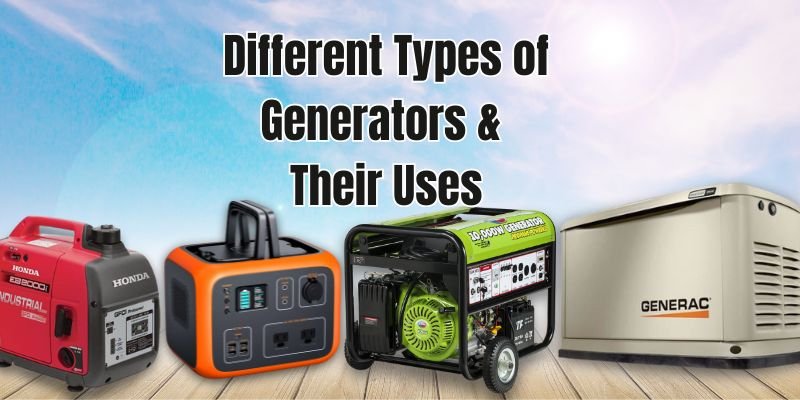
Generators come in several designs:
- Conventional generators: Basic models, sometimes with poor power quality.
- Inverter generators: Deliver “clean” electricity, good for sensitive welders.
- Welder-generators: Combo units designed for on-site welding.
If you use the wrong generator, you’ll see flickering, unstable arcs, or damage to electronics inside your welder.
Key Factors For Running A Welder On A Generator
Not all generators or welders play nicely together. Here’s what you must check:
1. Power Output (wattage)
Every welder has an amp rating and voltage. To power it, your generator must produce enough watts. Here’s a quick formula:
Watts = Amps x Volts
For example, a 140-amp MIG welder running on 120V draws about 3,360 watts (140 x 24V for arc voltage, typically). But add 30% more for startup surges.
Pro tip: Always choose a generator with at least 20-30% more wattage than your welder’s maximum requirement.
2. Duty Cycle
Duty cycle tells you how long a welder can run in a 10-minute period before overheating. If your generator can’t keep up, the welder might trip, or worse, the generator could overheat.
3. Power Quality (clean Vs. Dirty Power)
Inverter welders, and most MIG/TIG machines, need clean, stable power. Conventional generators may produce voltage spikes or dips—damaging sensitive electronics. Inverter generators produce smoother sine waves, which are safer for your gear.
4. Starting And Running Amps
Welders often draw more power at startup. Your generator must supply both the higher “starting” amps and the ongoing “running” amps.
5. Fuel Type And Runtime
Gasoline is easy to find, but diesel is better for long, heavy-duty jobs. Calculate fuel needs for your expected welding time. Frequent refueling interrupts productivity.
6. Receptacle Type And Connections
Check your welder’s plug: is it 120V, 240V, or both? Match your generator outlets. Never force a mismatch—this can destroy equipment.
7. Location And Portability
Are you welding on rooftops, in fields, or inside buildings? Weight, size, and wheel kits matter more than you think.
Calculating The Right Generator Size For Your Welder
Many people guess wrong and buy too small or too big. Here’s how to size it right.
Step 1: Find Your Welder’s Requirements
Check the welder’s data plate or manual. Look for:
- Input Voltage (e.g., 120V or 240V)
- Input Current (amps)
- Rated Output (duty cycle, amps, volts)
Step 2: Calculate Required Watts
Multiply amps by volts. If your welder needs 30 amps at 120 volts:
30A x 120V = 3,600 watts
Add 30% for startup surges:
3,600 x 1.3 = 4,680 watts
This is your minimum generator size.
Step 3: Check Power Quality Needs
If you have a basic stick welder, a conventional generator may work. For inverter, MIG, or TIG welders, choose an inverter generator.
Step 4: Plan For Accessories
Are you using lights, grinders, or fans? Add their wattages to your total.
Example Generator Sizing Table
Here’s a quick reference for common welders:
| Welder Type | Input Voltage | Input Amps | Recommended Generator (Watts) |
|---|---|---|---|
| 120V MIG (140A) | 120V | 25-30A | 4,000–5,000 |
| 240V Stick (180A) | 240V | 30-35A | 8,000–9,000 |
| 120V TIG (100A) | 120V | 20A | 3,000–4,000 |
| Dual-voltage MIG (210A) | 120/240V | 30A | 6,500–7,500 |
Types Of Generators For Welding
Choosing the right type is more important than most beginners realize. Here’s what you need to know:
Conventional Generators
These use an engine and an alternator. They can power basic welders, but some have “dirty” power, which may harm digital controls or cause erratic arcs.
Best for: Stick welders, non-electronic machines.
Inverter Generators
Inverter units convert AC to DC and back to clean AC. They deliver stable, “clean” power. This protects sensitive welders and gives smooth welding arcs.
Best for: MIG and TIG welders, inverter welders, anything with microprocessors.
Welder-generators
These are all-in-one machines, built for the job. They offer both generator and welding output. Rugged, designed for field work, but usually more expensive.
Best for: Heavy-duty, all-day welding on remote sites.
Table: Generator Types Vs. Welder Types
| Generator Type | Power Quality | Best Use | Typical Price Range |
|---|---|---|---|
| Conventional | Basic/“Dirty” | Stick welders, basic tools | $500–$1,500 |
| Inverter | Clean/Stable | TIG/MIG/inverter welders | $900–$3,000 |
| Welder-Generator | Clean/Stable | Professional, jobsite welding | $2,000–$7,000 |
Matching Generator And Welder: Common Mistakes
Even experienced welders make mistakes when pairing generators and welders. Avoid these costly errors:
Underestimating Power Needs
Don’t trust the “peak” wattage on a generator’s box. Use the running watts. Always add 20–30% buffer above your welder’s max draw.
Ignoring Power Quality
Running a modern inverter welder on a “dirty” generator can ruin its electronics. Always check for “total harmonic distortion” (THD) under 6% for inverter welders.
Wrong Voltage Or Plug
Some welders need 240V, but many job-site generators only have 120V outlets. Never use adapters or force-fit plugs. Buy the right generator.
Not Accounting For Accessories
Grinders, work lights, and fans add to the load. Add their wattage to your calculations.
Overloading The Generator
If you push a generator past its capacity, you’ll trip breakers or damage both machines. This is an expensive fix.
Poor Grounding
Improper grounding risks electric shock, poor arc quality, or fried electronics. Always use a proper ground rod if the generator manual calls for it.
Real-world Examples
Here are two scenarios to show how to pair welders and generators safely:
Example 1: Farm Repair With A Mig Welder
You have a Lincoln 140A MIG welder (runs on 120V, draws 20A). Calculating watts: 120V x 20A = 2,400 watts. Add 30% for startup, you need about 3,120 watts. A 4,000-watt inverter generator gives you clean power and a safe margin.
Example 2: Jobsite Stick Welding
You run a Miller Thunderbolt 225 (225A, 240V, draws 40A). 240V x 40A = 9,600 watts. Add 30%, that’s 12,480 watts. A 13,000-watt welder-generator is ideal. Don’t try this with a regular 6,500-watt generator.
Pros And Cons Of Running A Welder Off A Generator
You gain flexibility, but there are real trade-offs. Here’s a side-by-side look:
| Pros | Cons |
|---|---|
| Work anywhere, even off-grid | Heavy, noisy, fuel costs add up |
| Power tools and weld at the same time (if sized right) | Risk of power surges damaging welder |
| No need for grid electricity | May require frequent refueling |
| Essential for field repair, emergency jobs | Proper grounding is a must for safety |
Expert Tips For Safe, Reliable Generator Welding
Welding with a generator can be smooth or a nightmare. Here’s what professionals do that most beginners miss:
1. Always Use A Surge Buffer
Plug sensitive welders into a surge protector or power conditioner. This protects against sudden voltage spikes.
2. Let The Generator Warm Up
Start your generator and let it run for 2-3 minutes before switching on the welder. This stabilizes voltage output.
3. Ground Both Machines
Always drive a ground rod into the earth and connect both the generator and welder to it. This reduces risk of shock and arc instability.
4. Use Heavy-duty Extension Cords
If you need an extension cord, choose heavy-gauge (10 AWG or thicker) and keep it as short as possible to minimize voltage drop.
5. Monitor Output
If your generator has a voltmeter or amp meter, check it while welding. If voltage dips below your welder’s needs, stop immediately.
6. Check Duty Cycle
Don’t run your welder at 100% just because the generator can handle it. Overheating is still a risk.
7. Fuel Management
Bring extra fuel for longer jobs. Spilled fuel near hot generators is a serious fire risk—always refuel only after the engine cools.
8. Maintenance Matters
Dirty air filters, old spark plugs, or low oil can cut generator output and damage your welder. Service both machines regularly.
Best Practices For Different Welding Processes
Each welding process has different needs when run on a generator:
Stick Welding (smaw)
Stick welders tolerate “dirty” power and voltage swings better than others. You can use basic generators for farm or emergency repairs.
Mig Welding (gmaw)
MIG welders, especially those with digital controls, need steady voltage. Inverter generators offer the best results. Erratic power causes wire feed problems and poor welds.
Tig Welding (gtaw)
TIG welders are the most sensitive. Only use high-quality inverter generators or welder-generators with low THD.
How To Test Your Setup Before Starting Work
Before you weld a real job, test your setup. Here’s how:
- Connect all cables and ground wires securely.
- Start the generator and let it stabilize.
- Power up the welder with no load.
- Strike a test arc on scrap metal.
- Watch for arc stability and listen for sputtering or power drops.
- Check the generator’s voltage output if possible.
If everything runs smooth and the weld looks good, you’re ready. If not, check connections, fuel, and wattage calculations.

Credit: www.youtube.com
Safety Hazards And How To Avoid Them
Mixing welders and generators adds unique risks:
- Electric shock: Always use proper grounding.
- Fire: Keep fuel away from sparks.
- Carbon monoxide: Never run generators indoors or in closed spaces.
- Burns: Hot engines and exhaust can cause severe burns—stay alert.
- Noise: Wear ear protection for long jobs; generators can exceed 85 decibels.
Top Generator Brands For Welding
If you want reliable generator-welder combos, consider these trusted brands:
- Honda: Renowned for inverter generators with clean power and reliability.
- Miller: Heavy-duty welder-generators, used by professionals.
- Lincoln Electric: Durable, jobsite-ready welder-generators.
- Champion: Affordable and popular among DIY welders.
- Westinghouse: Good value for portable inverter generators.
Check real reviews and service availability in your area before buying.
Cost Factors: What To Expect
Running welders off generators isn’t cheap. Here’s what affects your costs:
- Generator purchase price: $500 to $7,000+
- Fuel: Gasoline or diesel prices vary. Expect 0.5–1 gallon per hour for mid-size units.
- Maintenance: Oil changes, filters, plugs, repairs.
- Cables and accessories: Heavy-duty cords, ground rods, surge protectors.
Buy the best quality you can afford—cheap generators cost more in downtime and repairs.
Environmental Impact
Generators emit exhaust and noise. Diesel units produce more emissions, while inverter generators are quieter and use fuel more efficiently. If you need clean, quiet operation (e. g. , residential areas), invest in low-emission, inverter models.
Credit: weldguru.com
Who Should Run Welders Off Generators?
This solution fits best if you:
- Work remote construction, farm, or pipeline sites.
- Need backup welding during power outages.
- Repair fences, machinery, or vehicles far from outlets.
- Want flexibility for mobile welding businesses.
If you always work in a shop with reliable power, a generator is unnecessary.
Alternatives To Generator-powered Welding
Consider these alternatives if generator welding isn’t ideal:
- Engine-driven welders: These run directly off gas/diesel engines—no generator needed.
- Battery-powered welders: Emerging tech, best for light repairs.
- Long extension cords: Only practical for short runs and small welders.
Summary: The Bottom Line
You can run a welder off a generator safely and efficiently if you match their power needs and use the right type. Always choose a generator with enough wattage, clean power for sensitive machines, and proper grounding. Skipping these steps risks damaging expensive tools and causing dangerous accidents.
For more detailed technical specifications, visit the Wikipedia Generator page.
Frequently Asked Questions
Can Any Generator Run A Welder?
Not every generator can run a welder. You need enough wattage, the right voltage, and clean power for sensitive welders. Always check your welder’s requirements and match them to your generator for safe operation.
What Size Generator Do I Need For A 140a Mig Welder?
Most 140A MIG welders need about 4,000 watts minimum. Choose a generator rated at least 20% above this, so a 4,800–5,000 watt inverter generator is ideal for smooth welding and extra accessories.
Is It Safe To Use A Welder On A Conventional Generator?
Stick welders can run on basic generators, but inverter and MIG/TIG welders need clean power. Using a conventional generator with high harmonic distortion can damage sensitive electronics and cause unstable arcs.
Can I Run Other Tools While Welding Off A Generator?
Yes, but you must add up the wattage of all devices. If your generator is powerful enough, you can run grinders, lights, or fans. Never exceed the generator’s rated output to avoid tripping breakers or damaging equipment.
What Happens If The Generator Is Too Small For My Welder?
If the generator is too small, you’ll experience voltage drops, poor weld quality, possible equipment damage, and constant tripping of breakers. Always size your generator at least 20–30% above your welder’s maximum power draw.

Credit: www.weldclass.com.au