Disclosure: This post contains affiliate links and I will be compensated if you make a purchase after clicking through my links. Learn More
Ckel, nitrogen, or argon-hydrogen for thick pieces.
- Special Alloys: Consider argon-nitrogen or other custom mixes for high-precision needs.
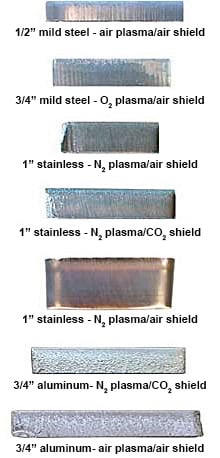
Matching the gas to the metal type is one of the most important choices you’ll make. For example, oxygen makes mild steel cutting much faster and cleaner because it reacts chemically with the steel, creating extra heat. But if you use oxygen on stainless steel or aluminum, you’ll get heavy oxidation and poor results.
That’s why experienced metalworkers always double-check which gas is ideal for their material.
2. Metal Thickness
Thicker metals need more energy to cut. Gases like argon-hydrogen or nitrogen-hydrogen are often chosen for these jobs. For thin sheet metal (under 1/4 inch or 6 mm), compressed air or nitrogen usually works fine and is cost-effective.
If you try to cut thick steel with just air or pure nitrogen, you may find the process slow, with rough edges and more dross (waste metal that sticks to the cut). In contrast, using an argon-hydrogen mix can produce clean cuts even in plates over 1 inch (25 mm) thick.
Non-obvious insight: Many beginners do not realize that using the wrong gas on thick metal can overheat and damage the plasma torch, leading to expensive repairs.
3. Cut Quality Requirements
Not all projects need the same cut quality. If you’re making rough cuts for demolition or repair, compressed air is usually fine. But if you need clean, smooth edges for parts that will be welded or shown, investing in nitrogen, oxygen, or gas mixes can make a big difference.
High-quality cuts mean less grinding and finishing work afterward. For example, an automotive body shop often uses compressed air for fast, rough cuts, while a custom metal artist might use nitrogen for smooth, shiny edges.
4. Cost And Availability
Gases like compressed air are basically free if you have a compressor. Others, like argon-hydrogen, are much more expensive and require special gas cylinders and regulators.
Always balance your budget with your quality needs. For many hobbyists and small shops, compressed air is the best value. Industrial users, however, may justify the cost of premium gases for faster production and better results.
5. Torch Type And Machine
Not all plasma cutters can use every gas. Entry-level machines usually work only with compressed air. Advanced or industrial units may allow switching between air, nitrogen, oxygen, and mixes. Always check your machine’s manual and consult with the manufacturer if you want to upgrade gases.
Some torches are specially designed for certain gases. Using the wrong gas can not only harm the cut but also damage the torch and void the warranty.
6. Safety And Environment
Safety is often overlooked when choosing plasma cutting gases. Hydrogen, for example, is highly flammable and needs extra care. Always store gas cylinders upright, away from heat or sparks, and use approved regulators and leak detectors.
If you work indoors, some gases may produce fumes or byproducts that require good ventilation or extraction systems. For example, using oxygen or nitrogen in a closed space can displace air and lower oxygen levels, creating a risk of suffocation.
Non-obvious insight: Even small leaks in gas hoses can be dangerous, especially with hydrogen. Always check fittings and hoses before each use.
Tips For Better Plasma Cutting Results
Here are some practical tips that can improve your plasma cutting—no matter what gas you use:
- Use clean, dry gas. Moisture or oil in your compressed air can cause the arc to sputter, reducing cut quality and shortening torch life. Invest in a good air filter and dryer, and check it regularly.
- Set correct gas pressure. Too high or too low pressure affects plasma formation. Your machine’s manual will recommend the best pressure for each gas.
- Check for leaks. Before starting, inspect hoses, fittings, and regulators. Hydrogen and oxygen leaks are especially dangerous.
- Use the right consumables. Nozzle and electrode types may change depending on the gas. Using the wrong parts can quickly wear out your torch.
- Adjust your cutting speed. Faster speeds reduce dross but can leave rough edges if too fast. Practice on scrap metal to find the best speed for your setup.
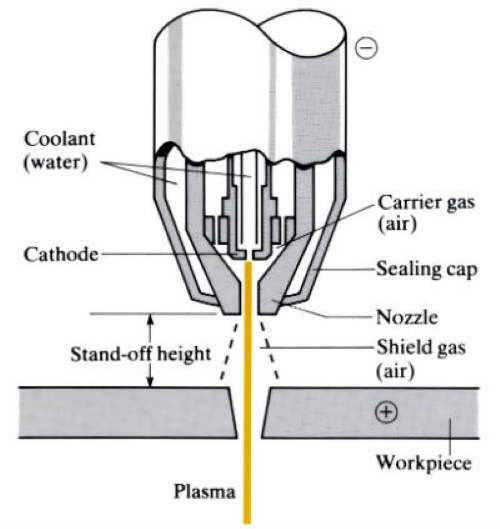
- Mind the distance. Keep the right gap between the torch tip and the workpiece. Too close, and you can damage the nozzle. Too far, and you lose cutting power.
- Watch the sparks. Good plasma cutting sends sparks down and away from the workpiece. If sparks shoot up, you may be moving too fast, using the wrong gas, or have worn consumables.
- Stay safe. Wear gloves, goggles, and protective clothing. Plasma arcs are very bright and can cause eye injury or burns. Keep a fire extinguisher nearby, especially with flammable gases.
- Practice makes perfect. Try different gases and settings on scrap metal before working on your main project. Each machine and setup has its own “sweet spot.”
- Read your manual. It may sound simple, but many common mistakes come from ignoring manufacturer guidelines. Plasma cutters are powerful tools, and following the manual helps you get the best results and avoid costly repairs.
Common Mistakes When Choosing Plasma Cutter Gas
Mistakes with plasma gases can lead to poor cuts, wasted money, and even safety hazards. Here are the most frequent ones to avoid:
Using The Wrong Gas For The Metal
The number one mistake is picking a gas just because it’s cheap or available, without checking if it matches the metal type. For example, using oxygen on aluminum will give you rough, oxidized cuts. Always match the gas to your metal.
Ignoring Gas Purity And Cleanliness
Dirty air or contaminated gas leads to bad cuts and damages your torch. Even a small amount of moisture or oil can make a big difference, so use filters and check gas quality often.
Forgetting About Gas Pressure
Some users run their plasma cutter at whatever pressure their compressor gives, thinking more is better. But each gas and machine has an optimal pressure. Too much or too little can cause sputtering, double arcs, or weak cuts.
Not Checking For Leaks
Especially with flammable gases like hydrogen, a small leak can be dangerous. Always use soapy water or a gas leak detector to check for leaks before cutting.
Overlooking Torch Compatibility
Not all torches are built for every gas. Using an incompatible gas can overheat the torch, destroy consumables, or even void your machine’s warranty.
Cutting Too Thick Or Too Fast
If you try to cut metal that is too thick for your machine and gas type, you’ll get rough edges, lots of dross, and wear out your torch quickly. Always check your plasma cutter’s rated capacity for each gas type.
Skipping Safety Steps
Rushing the setup or forgetting safety gear can cause injuries. Always wear proper protection and make sure your workspace is safe from fire risks.
Credit: www.hypertherm.com
Technical Facts And Insights About Plasma Cutter Gases
- Plasma temperature: The plasma jet in a cutter can reach temperatures above 20,000°C (36,000°F), much hotter than an oxy-fuel torch.
- Kerf width: The type of gas affects the kerf (the width of the cut). Nitrogen and hydrogen mixes can make a narrower kerf than air.
- Dross formation: Using the wrong gas or speed creates more dross, which takes extra work to remove.
- Torch life: Gases like oxygen cut faster but also wear out nozzles and electrodes faster.
- Underwater cutting: Some shipyards use argon-hydrogen mixes for cutting thick steel underwater, as water cools the work and reduces fumes.
Advanced tip: Some high-end plasma systems can automatically switch between gases depending on the thickness and type of metal, optimizing for both cost and quality.
When To Consider Gas Mixes Over Single Gases
While compressed air, nitrogen, and oxygen are common, gas mixes like argon-hydrogen or nitrogen-hydrogen are sometimes the best choice for demanding jobs. Here’s when to consider them:
- Cutting very thick stainless steel or aluminum: Argon-hydrogen delivers a hotter plasma and cleaner cut.
- Underwater or robotic plasma cutting: Gas mixes help manage heat and maintain cut quality.
- Special alloy or precision work: Custom mixes can reduce oxidation and produce a finer edge.
Mixes are more costly and need careful handling, but for some projects, they’re the only way to get the quality or speed required.
Credit: www.samaterials.com
Real-world Example: Choosing Plasma Cutter Gas For A Small Workshop
Imagine you run a small fabrication workshop. You mostly cut mild steel up to 1/2 inch (12 mm) thick, with occasional jobs in stainless steel and aluminum.
- Main jobs: Use compressed air for most cuts. It’s cheap, easy, and gives good results on mild steel.
- Stainless steel/aluminum: If you need cleaner edges, consider renting a nitrogen cylinder for these jobs.
- Thicker or high-precision cuts: For one-off heavy jobs, you might contract out to a shop with argon-hydrogen or oxygen plasma systems.
This approach keeps your costs low while still letting you handle special requests. Many small shops also keep a simple air dryer and filter on their compressor to ensure clean cuts every time.
Frequently Asked Questions
Can I use any gas in my plasma cutter?
No. Always check your machine’s manual. Most entry-level plasma cutters are designed for air only. Using other gases may require special torches, regulators, and safety gear.
Why is my plasma cutter making rough cuts?
Common reasons include dirty air, wrong gas for the metal, incorrect pressure, or worn torch parts. Clean your air supply and check all consumables.
Is plasma cutting with hydrogen safe?
It can be, if you follow strict safety rules: check for leaks, use proper regulators, and store cylinders away from heat. Never cut near open flames.
How long does a gas cylinder last?
This depends on cylinder size, gas flow rate, and how much you cut. A medium-sized nitrogen cylinder might last several hours of continuous cutting.
Do I need special training to use different gases?
For basic air plasma cutters, training is simple. For advanced gases (like hydrogen or gas mixes), you should get training on safe handling and torch setup.
For more technical details about plasma cutting and gases, the [Hypertherm Knowledge Center](https://www.hypertherm.com/en-US/knowledge-center/) provides in-depth guides and safety advice.
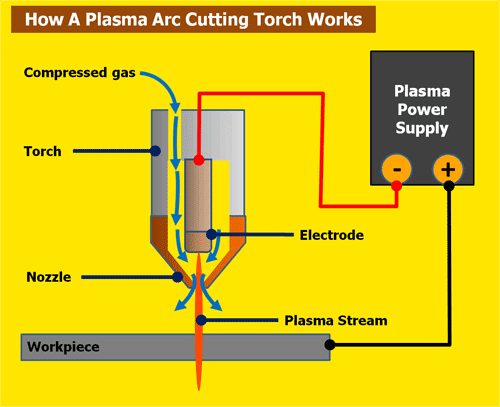
Credit: esab.com
Final Thoughts
The gas you use in your plasma cutter is much more than just a technical detail—it shapes your results, costs, and safety every day. While compressed air is the go-to choice for many, understanding when to switch to nitrogen, oxygen, or even advanced gas mixes can unlock better quality, speed, and flexibility for your metalwork.
Take time to match your gas to your metal, thickness, and job needs. Always keep your air clean and dry, double-check gas pressures, and never ignore safety. With the right gas and good practice, your plasma cutter will give you sharp, smooth cuts for years to come—helping you build, repair, or create with confidence.