Disclosure: This post contains affiliate links and I will be compensated if you make a purchase after clicking through my links. Learn More
Choosing a plasma cutter for your home shop can feel confusing. Many brands, features, and prices crowd the market. If you pick the wrong model, you might waste money or get poor results. But with the right information, you can choose a plasma cutter that fits your needs, skill level, and budget.
This guide explains every key point you must consider before buying. You will learn about power needs, air supply, cutting capacity, safety, and more. You will also see real examples, mistakes to avoid, and tips most beginners miss. Whether you want to cut steel for car repairs, art projects, or home improvements, you will find answers here.
What Is A Plasma Cutter And How Does It Work?
A plasma cutter is a tool that uses hot, fast-moving gas to cut through metal. It works by sending an electrical arc through gas (often air) to make plasma. This plasma is hot enough to melt metal and cut precise shapes.
People use plasma cutters because they are faster and cleaner than saws or torches. You can cut many types of metal: steel, stainless steel, aluminum, copper, and more. Plasma cutters are popular in car shops, metal art, and DIY work.
Basic Parts Of A Plasma Cutter
- Power source: Supplies electricity for the arc.
- Torch: Holds the electrode and directs plasma to the metal.
- Ground clamp: Completes the electrical circuit.
- Air supply: Provides compressed air or gas.
Why Choose A Plasma Cutter For Home Use?
Many home metalworkers ask, “Why not use a saw or grinder?” Plasma cutters offer clear benefits:
- Speed: Cuts metal quickly with less effort.
- Precision: Makes clean, smooth cuts for detailed work.
- Versatility: Cuts thick or thin metal, straight lines, or curves.
- Less Heat Distortion: Focused heat means less warping.
- Lower Skill Needed: Easier to learn than oxy-fuel torches.
For home shops, plasma cutters save time and let you do more kinds of projects.
Main Factors When Choosing A Plasma Cutter
You need to match the plasma cutter to your work and shop setup. These are the main things to check:
1. Cutting Capacity
Cutting capacity means the maximum thickness of metal the cutter can cut. Every plasma cutter lists three levels:
- Rated cut: The metal thickness for a clean, fast cut.
- Quality cut: Can cut, but slower and edges need cleanup.
- Severance cut: The thickest it can cut, but slowly and with rough edges.
Example: If you want to cut car frames (usually 3/16″ to 1/4″ steel), pick a cutter with at least a 1/4″ rated cut.
Common Cutting Capacities
| Plasma Cutter Amps | Rated Cut (Mild Steel) | Severance Cut |
|---|---|---|
| 20-30A | 1/4″ (6mm) | 3/8″ (10mm) |
| 40-50A | 1/2″ (12mm) | 5/8″ (16mm) |
| 60A+ | 3/4″ (19mm) | 1″ (25mm) |
Tip: Always choose a cutter with a higher rated cut than your normal work. This keeps your cuts clean and your machine from overworking.
2. Power Supply: Voltage And Amperage
Plasma cutters need electricity—either 120V (standard home outlets) or 240V (larger outlets).
- 120V: Good for thin metal and light work. Easy to plug in at home.
- 240V: Needed for thick metal. Gives more power but may need special wiring.
Some plasma cutters are dual voltage (120/240V). This is useful if you want flexibility.
Amperage controls cutting power. Higher amps cut thicker metal. For most home shops, 30-50 amps is enough.
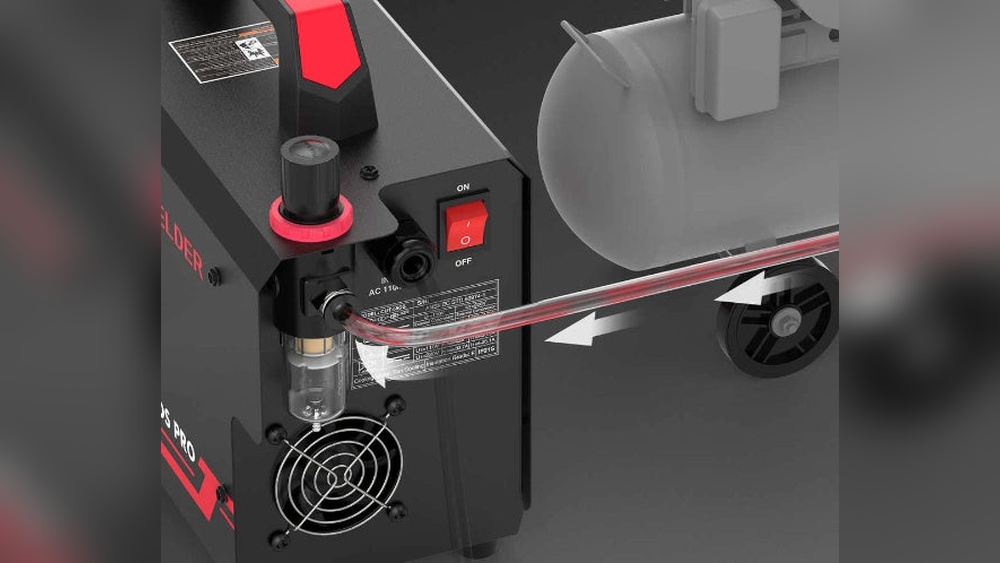
3. Air Supply: Built-in Compressor Or Separate
Plasma cutters need compressed air to make plasma. You have two choices:
- Built-in compressor: The cutter has an air compressor inside. It’s easy to set up and move, but often more expensive and may not cut very thick metal.
- External compressor: You must buy or use a separate air compressor. This gives more power and better performance for thick or long cuts.
Tip: If you already own a good air compressor, buy a plasma cutter without a built-in one. If not, a built-in compressor is simpler for small jobs.
4. Duty Cycle
Duty cycle means how long the plasma cutter can run before it must rest. It is shown as a percentage.
- Example: 60% duty cycle at 40A means you can cut for 6 out of 10 minutes before stopping to cool.
For home use, a 35%–60% duty cycle is usually enough. Long, heavy jobs need a higher duty cycle.
5. Portability And Size
Ask yourself: Will you move the cutter around your shop or job sites? Plasma cutters come in many sizes.
- Small (15–25 lbs): Easy to carry. Good for small shops or outdoor work.
- Medium (25–40 lbs): Still portable, more power.
- Large (40+ lbs): Harder to move, but cuts thickest metal.
Tip: Don’t buy a big, heavy cutter if you only need to cut thin sheet metal.
6. Pilot Arc Technology
A pilot arc lets you start cutting without touching the tip to the metal. This makes cutting rusty, painted, or expanded metal easier and extends the tip’s life.
Pros of pilot arc:
- Cuts through dirty/painted surfaces.
- Easier to start cuts.
- Tips and electrodes last longer.
Many cheap plasma cutters do not have a pilot arc. For most home users, it is worth the extra cost.
7. Ease Of Use And Controls
Look for clear controls and displays. Good features include:
- Digital display: Shows amps and air pressure.
- Simple knobs: Easy to adjust settings.
- Clear labels: Reduces mistakes.
Some cutters have “automatic” air pressure control, which is helpful for beginners. Also check if parts like tips and electrodes are easy to change.
8. Safety Features
Plasma cutters use high voltage and hot plasma, so safety is important. Features to look for:
- Thermal overload protection: Shuts off if too hot.
- Low air pressure warning: Alerts you if air is low.
- Protective housing: Covers wires and circuits.
Always use gloves, eye protection, and a good ground connection.
9. Consumable Costs And Availability
Consumables (tips, electrodes, shields) wear out with use. Some brands have cheap consumables, others are expensive or hard to find.
Ask:
- How much do tips and electrodes cost?
- Are they easy to buy locally or online?
- How long do they last on average?
Non-obvious insight: Some “budget” plasma cutters use rare consumables that cost more over time than the cutter itself.
10. Price And Warranty
Plasma cutter prices for home shops range from $300 to $1,500. More money usually means more power, better features, and a longer warranty.
- For light work (up to 1/4″ steel): $300–$700
- For medium work (up to 1/2″ steel): $600–$1,200
- For heavy use (3/4″ steel or more): $1,000+
Check the warranty. A good warranty is at least 1 year. Reputable brands offer 2–3 years or more.
Non-obvious insight: Cheaper “import” plasma cutters often have poor support and short warranties. Saving money up front can cost more later.
Comparing Popular Plasma Cutter Models
Here is a comparison of popular plasma cutters for home shops:
| Model | Voltage | Rated Cut | Pilot Arc | Weight | Built-in Compressor |
|---|---|---|---|---|---|
| Hobart Airforce 27i | 120/240V | 3/8″ (10mm) | Yes | 19 lbs | No |
| Hypertherm Powermax 30 AIR | 120/240V | 3/8″ (10mm) | Yes | 29 lbs | Yes |
| Forney Easy Weld 20P | 120V | 1/4″ (6mm) | No | 21 lbs | No |
| Lotos LTP5000D | 110/220V | 1/2″ (12mm) | Yes | 26 lbs | No |
Mistakes To Avoid When Buying
Many first-time buyers make the same mistakes:
- Ignoring air supply needs: They buy a cutter and forget they need an air compressor. Make sure your compressor matches the cutter’s needs (usually 4–6 CFM at 60–90 PSI).
- Choosing by price only: The cheapest cutter often lacks power, parts, or support.
- Overestimating cutting needs: Don’t buy a 60A cutter if you only cut 1/8″ steel. It wastes money and makes thin cuts harder to control.
- Buying rare brands: Unknown brands may have no parts, support, or warranty.
- Skipping safety gear: Plasma cutters need good gloves, dark glasses (shade #5 or higher), and safe clothing.
Pro tip: Read real user reviews. Many brands exaggerate cutting thickness. Look for photos and tests, not just specs.
Practical Examples: Matching Cutter To Project
Car Repairs
Most car panels are thin steel (18–22 gauge). Frame rails can be 1/8″ to 1/4″. A 30–40A plasma cutter with pilot arc is enough. Portability helps for work in tight spaces.
Home Art Projects
For metal art (signs, sculptures) on thin steel or aluminum, a small 120V cutter works. Look for fine-tip torches for detailed cuts.
Farm Equipment
Farm repairs often need to cut 1/4″–1/2″ steel. Choose a 40–50A cutter, 240V input, and a good air compressor.
Home Renovation
Cutting rebar, brackets, or old pipes? Check the thickest metal you’ll cut. Often, a 40A cutter with pilot arc is enough.
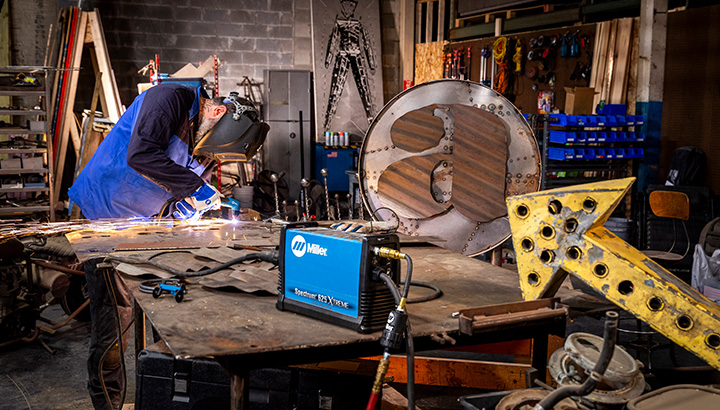
Credit: www.millerwelds.com
Key Features Explained
Many plasma cutters advertise special features. Here’s what they mean:
Cnc Compatibility
Some cutters work with computer-controlled (CNC) tables. If you want to automate cutting, check if the cutter supports CNC.
Drag Cutting
Some torches allow you to drag the tip on the metal for steady cuts. Others need a gap. Drag tips are easier for beginners.
Post-flow Cooling
After cutting, the machine blows air to cool the tip. This extends part life.
Blowback Start
Some cutters use a blowback start (rather than high-frequency). This reduces radio/electronic interference—a plus if you work near computers or sensitive gear.
Safety Tips For Home Shops
Plasma cutting is safer than oxy-fuel cutting but still has risks.
- Ventilation: Always cut in a well-ventilated area. Plasma cutting makes fumes and fine metal dust.
- Fire safety: Keep flammable items away. Hot sparks fly far.
- Eye protection: Use a face shield or glasses with shade #5 or higher.
- Clothing: Wear gloves and long sleeves. Plasma arcs can burn skin fast.
- Grounding: Always attach the ground clamp well. Poor ground can cause shocks or poor cuts.

Credit: bakersgas.com
How To Set Up A Plasma Cutter At Home
- Choose a safe work area: Use a metal table or stand. Keep away from flammable items.
- Connect air supply: Plug in your air compressor or use the built-in one.
- Plug in power: Use the right voltage (120V or 240V).
- Attach ground clamp: Secure it to clean, bare metal.
- Check settings: Set correct amps and air pressure.
- Wear safety gear: Gloves, glasses, and long clothes.
- Test on scrap: Practice on waste metal to check cut quality.
Extra tip: Store consumables and spare parts in a dry, clean box. Moisture can cause tip problems.
Maintenance And Troubleshooting
A well-kept plasma cutter lasts longer and cuts better.
- Clean the torch regularly: Metal dust can clog vents and tips.
- Check air filter: Moisture in air lines ruins cuts and tips.
- Replace consumables: If cuts get rough or the arc is weak, change tips and electrodes.
- Store indoors: Keep the cutter dry and away from dust.
Common Problems
- No arc: Check ground clamp and tip. Replace worn parts.
- Weak cut: Increase amps, check air pressure, or clean tip.
- Erratic arc: Replace consumables or check air moisture.
If problems persist, see the manual or ask for support.
Plasma Cutter Vs. Oxy-fuel Torch
Some people wonder if they should buy a plasma cutter or an oxy-fuel torch. Here is a quick comparison:
| Feature | Plasma Cutter | Oxy-Fuel Torch |
|---|---|---|
| Materials Cut | All metals | Steel only |
| Cut Quality | Smoother, less cleanup | Rougher, more cleanup |
| Speed | Faster | Slower |
| Safety | Safer, no gas tanks | More dangerous (fire risk) |
| Setup Time | Quick | Slow (many parts) |
| Cost | Higher at first | Lower at first |
Bottom line: Plasma cutters are safer, cleaner, and more flexible for home shops.
How To Get The Best Value
- Buy from a trusted brand: Miller, Hypertherm, Hobart, and ESAB have good support.
- Check for deals: Many stores offer kits with extra tips or torches.
- Read the manual: Learn your machine’s settings and care needs.
- Join online forums: Real users share tips and solutions to common issues.
For more technical details, you can visit the Wikipedia page on plasma cutting.

Credit: www.homedepot.ca
Frequently Asked Questions
What Size Air Compressor Do I Need For A Plasma Cutter?
Most home plasma cutters need an air compressor that delivers at least 4–6 CFM at 60–90 PSI. Check your cutter’s manual for the exact number. If your compressor is too small, the arc will be weak and cuts will be poor.
Can A Plasma Cutter Cut Aluminum And Stainless Steel?
Yes, plasma cutters can cut aluminum, stainless steel, and most other metals. Some metals need more power or slower cutting speeds, but the machine does not care what the metal is as long as it conducts electricity.
How Long Do Consumables Last?
Consumables (tips and electrodes) usually last 30–100 cuts depending on the metal, air quality, and cutting skill. Clean, dry air and careful use will make them last longer.
Do I Need Special Training To Use A Plasma Cutter?
No formal training is required, but you should read the manual and practice on scrap metal. Always follow safety rules: eye protection, gloves, and good ventilation.
Why Is My Plasma Cutter Not Cutting Well?
Common causes are worn tips, low air pressure, dirty ground clamp, or moisture in the air line. Replace tips, check your air supply, clean the clamp, and dry your air lines for best results.
—
Choosing a plasma cutter for your home shop is easier when you know what matters. Think about the thickness of metal you cut, your power supply, air needs, and what features help you most. Avoid common mistakes and take care of your machine. With the right plasma cutter, you can do more projects, work faster, and get better results for years to come.