Disclosure: This post contains affiliate links and I will be compensated if you make a purchase after clicking through my links. Learn More
A Lincoln welder that does not feed wire can stop your work fast. Many people face this problem, from beginners to experienced welders. The wire feed system is the heart of a MIG welder. If it fails, you cannot weld.
The good news is most wire feed problems have simple solutions. With the right steps, you can often fix the issue yourself and save time and money.
Understanding how a Lincoln welder feeds wire helps you find the root of the problem. The system works by pulling wire from a spool, through a set of rollers, and out through the welding gun. Any blockage, worn part, or wrong setting can stop the wire from moving.
Some problems are easy to see, like tangled wire. Others, like a faulty control board, take more effort to find.
This guide will show you how to fix a Lincoln welder that is not feeding wire. You will learn how the wire feed system works, what can go wrong, and step-by-step instructions for each solution. You will also find tips to avoid future problems.
Even if you are new to welding, you can follow these steps and get your machine working again.
How The Wire Feed System Works
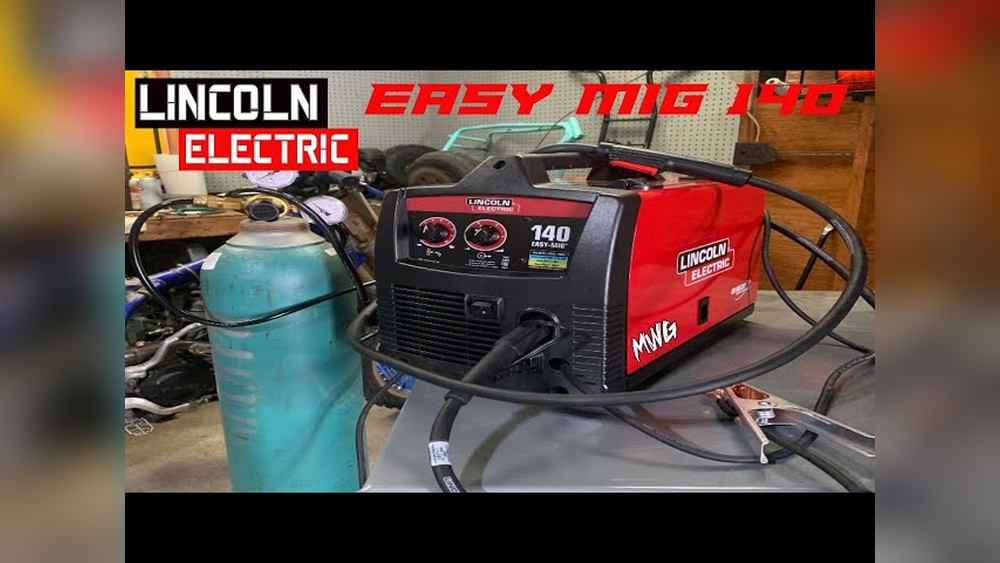
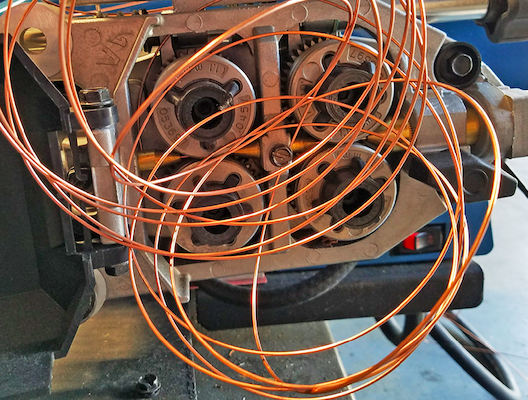
Before you start repairs, you need to know the basic parts of the wire feed system. Lincoln MIG welders use an electric motor to turn rollers. These rollers pull the wire from a spool and push it through a liner and out the gun tip. The speed of the wire is controlled by a dial on the front panel. Here are the key parts:
- Wire spool: Holds the welding wire.
- Drive motor: Powers the rollers.
- Drive rollers: Grip and push the wire.
- Wire liner: Guides wire from the rollers to the gun.
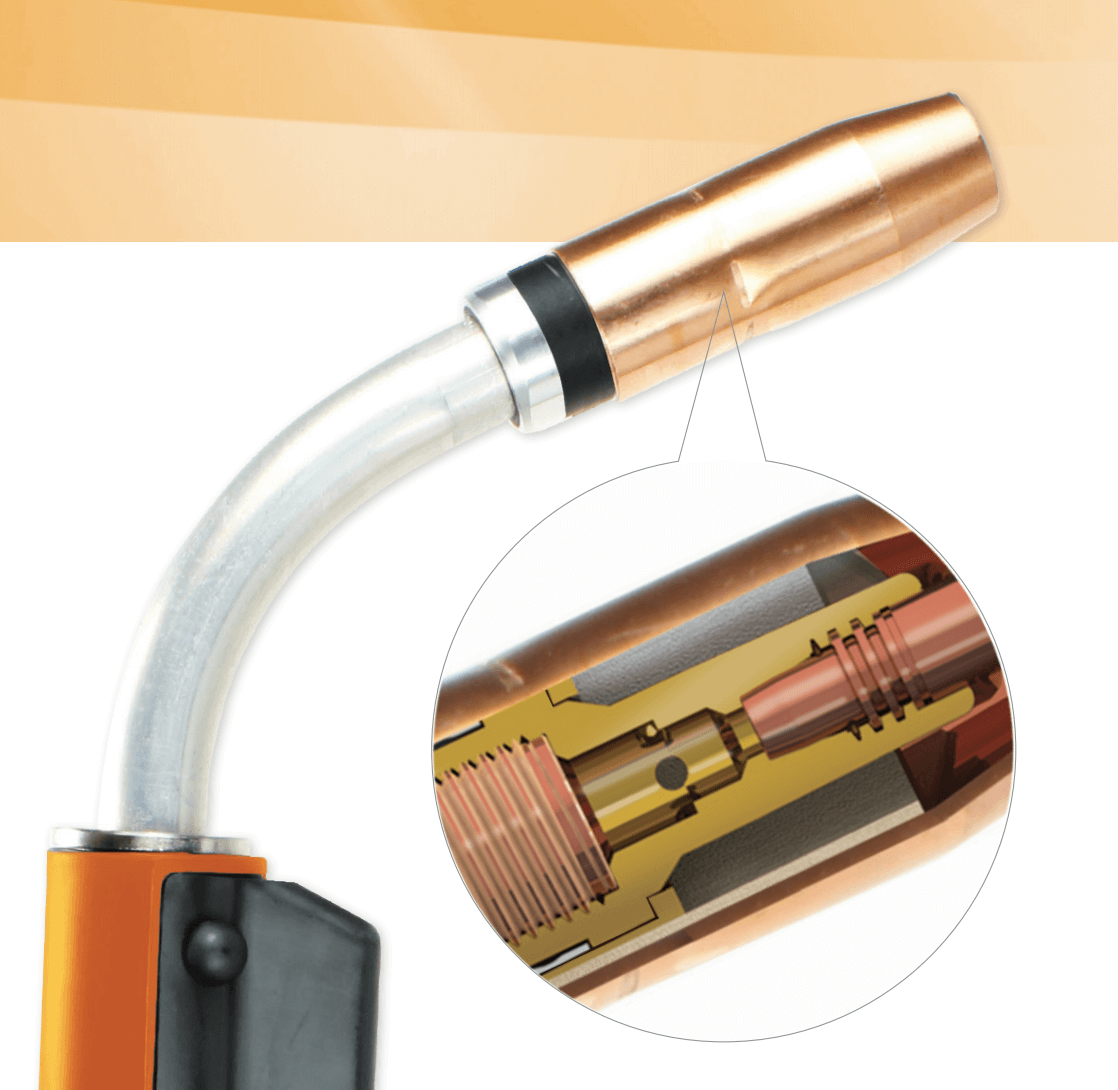
- Contact tip: Directs wire into the weld pool.
- Tension adjustment: Controls how tightly rollers grip the wire.
- Gun trigger switch: Starts and stops wire feed.
Understanding these parts will help you spot where the problem might be.
Common Reasons A Lincoln Welder Does Not Feed Wire
There are several possible causes. Some are easy to fix, while others need more skill. Here are the most frequent problems:
- Wire spool is jammed or tangled
- Drive rollers are worn or dirty
- Incorrect roller tension
- Wire liner is clogged or kinked
- Contact tip is blocked
- Faulty trigger switch or wiring
- Burnt or loose connections
- Bad drive motor
- Control board issues
- Wrong wire size or roller type
Each issue shows up in different ways. For example, a loose connection may cause the wire to feed sometimes but not always. A blocked tip may make the wire stop suddenly. By checking each part in order, you can find the cause.
Step-by-step Guide To Fixing Wire Feed Problems
Below is a detailed process to fix a Lincoln welder that is not feeding wire. Follow the steps in order, from simple to more complex. This helps you solve the problem faster and avoid extra work.
1. Check The Power And Settings
Start with the basics. Make sure your welder is plugged in and turned on. Sometimes, the issue is simply a blown fuse or a tripped breaker.
- Confirm the power switch is on.
- Check the wire feed speed control knob. Set it to a middle range, not too low.
- Make sure the trigger on the gun clicks and feels normal.
If all settings look good and you hear the motor running but no wire comes out, move to the next step.
2. Inspect The Wire Spool
The wire spool can cause several problems if it is not installed correctly. Remove the side panel and look at the spool.
- See if the wire is tangled or has jumped off the spool.
- Make sure the spool spins freely when you pull the wire.
- Check the spool tension knob. It should be tight enough to stop the spool from spinning out of control, but not so tight that it stops the wire.
Tip: Loose wire on the spool can cause “birdnesting,” which is when the wire wraps around the rollers in a tangled mess. This is a common beginner mistake.
3. Examine The Drive Rollers
Drive rollers pull the wire from the spool. If they are dirty, worn, or not tight enough, the wire will not move.
- Open the drive compartment.
- Look for metal dust, dirt, or rust on the rollers.
- Clean the rollers with a small wire brush if needed.
- Check the roller grooves. If they are smooth or worn down, replace the rollers.
- Make sure you use the correct roller type. There are different rollers for solid and flux-cored wire.
Set the roller tension. Too loose, and the rollers will slip. Too tight, and the wire will flatten or break. Tighten until the wire feeds smoothly but stops when you pinch it between your fingers.
4. Test The Wire Liner
The wire liner is a thin tube that guides the wire from the rollers to the gun tip. It can clog with dust, rust, or bits of wire.
- Remove the welding gun from the machine.
- Pull out the liner if your model allows it.
- Look for bends, kinks, or blockages.
- Blow compressed air through the liner to clear debris.
- If the liner is damaged, replace it.
Non-obvious insight: Many people forget to change the liner when they switch wire sizes. Using a liner that is too small or too large can cause feed problems.
5. Inspect And Clean The Contact Tip
A blocked contact tip will stop wire feed instantly. This is a small, cheap part but makes a big difference.
- Unscrew the tip from the gun.
- Look through the hole to check for blockages.
- Clean it with a tip cleaner or replace it if needed.
- Make sure you use the right size tip for your wire.
A tip that is too tight will grip the wire and stop it from moving.
6. Check Gun Trigger And Cables
The gun trigger sends power to the feed motor. If the switch or wiring is bad, the wire will not feed.
- Squeeze the trigger and listen for a click.
- If nothing happens, check the gun cable for cuts or breaks.
- Open the handle (if safe) and look for loose wires.
- Test the trigger switch with a multimeter for continuity.
If the trigger is faulty, replace the switch or gun assembly.
7. Inspect Electrical Connections
Loose or burnt connections can stop the wire feed. This is more common in older machines.
- Turn off the welder and unplug it.
- Check the wiring from the gun to the control board.
- Look for loose spade connectors or burnt spots.
- Tighten connections and replace burnt parts.
Non-obvious insight: Some Lincoln welders use a small fuse or thermal cutoff inside. If this blows, the wire feed stops but the rest of the welder may still power on.
8. Check The Drive Motor
If the rollers and wiring are good but the motor does not spin, the motor may be bad.
- Listen for any humming or clicking when you press the trigger.
- Use a multimeter to check for voltage at the motor terminals.
- If power is present but the motor does not turn, replace the motor.
Some motors can be rebuilt, but most users will need to replace the motor as a unit.
9. Test The Control Board
The control board (or wire feed PCB) is the brain of the wire feed system. If it fails, the motor will not get power.
- Check for burned components or loose plugs on the board.
- Some boards have a small LED to show if they are powered.
- If you suspect the board is bad, consult a repair shop or buy a replacement.
Tip: Control board failure is less common than mechanical problems. Always check the rest of the system first.
10. Make Sure You Use The Right Wire And Rollers
Wire that is too large or too small for your rollers can cause feed problems.
- Match the roller groove to the wire size. For example, use .030” rollers for .030” wire.
- Solid wire and flux-cored wire need different roller shapes.
- Check the owner’s manual for the correct parts.
Using the wrong combination can cause slipping, jamming, or no feed at all.
How To Prevent Wire Feed Problems
Good habits help you avoid wire feed issues in the future. Here are some tips:
- Keep your welder clean: Dust and metal shavings can clog the rollers and liner.
- Change consumables on time: Replace tips, liners, and rollers as needed.
- Store wire in a dry place: Moisture causes rust, which blocks the liner.
- Check settings before welding: A quick check avoids many problems.
- Use the correct parts: Always match wire, tip, and roller size.
Preventing problems is easier than fixing them later.

Credit: www.youtube.com
Examples Of Lincoln Welder Wire Feed Issues
To help you see how these problems appear in real life, here are a few examples:
- Example 1: You squeeze the trigger, the motor turns, but wire does not come out. You find the drive rollers are dirty and slipping. Cleaning the rollers fixes the problem.
- Example 2: The wire feeds for a second, then stops. The contact tip is blocked with spatter. Changing the tip restores wire feed.
- Example 3: No sound from the motor when you pull the trigger. You check the gun cable and find a broken wire. Repairing the cable solves the issue.
These examples show that most problems can be solved with simple checks.
Comparison Of Common Causes And Fixes
Below is a comparison of the most common wire feed problems and their solutions:
| Problem | How to Spot | Fix |
|---|---|---|
| Jammed wire spool | Wire tangled or hard to pull | Untangle and adjust spool tension |
| Dirty drive rollers | Rollers spin but wire does not move | Clean or replace rollers |
| Blocked contact tip | No wire at gun tip, tip looks dirty | Clean or change tip |
| Faulty gun trigger | No sound or movement when pressing trigger | Repair or replace trigger |
| Bad drive motor | Motor does not turn, has power | Replace motor |
This table helps you quickly match your symptoms to a likely fix.
Credit: americantorchtip.com
Wire Size, Roller Type, And Liner Compatibility
Choosing the wrong wire, roller, or liner can stop your welder from feeding wire. Below is a table to show which parts match:
| Wire Type | Wire Size | Correct Roller | Correct Liner | Contact Tip Size |
|---|---|---|---|---|
| Solid Steel | .023” | V-groove .023” | .023” liner | .023” |
| Solid Steel | .030” | V-groove .030” | .030” liner | .030” |
| Flux-cored | .035” | Knurled .035” | .035” liner | .035” |
Tip: Always check your welder’s manual if you are not sure about compatibility.
Symptoms And What They Mean
Sometimes, the way your welder behaves gives clues to the problem. Here are some common symptoms and what they usually mean:
| Symptom | Possible Cause |
|---|---|
| Wire feeds in short bursts | Liner partially blocked, roller tension wrong |
| Wire curls up at gun tip | Contact tip blocked, bad liner, wrong roller |
| Wire will not feed at all | Jammed spool, burnt connection, bad motor |
| Wire feed motor hums but does not turn | Motor jammed, bad bearings |
| Wire keeps slipping | Roller tension too loose, dirty rollers |
These hints can help you find the issue faster.
Credit: americantorchtip.com
Tools You Need For Repair
To fix most wire feed issues, you need a few common tools:
- Screwdrivers: Open the welder panels and drive system.
- Small wire brush: Clean rollers and tips.
- Wrenches: Remove or adjust rollers.
- Compressed air: Clean out liners and compartments.
- Multimeter: Check electrical connections and switches.
- Replacement parts: Tips, liners, rollers, wire.
Having these tools ready makes repairs smoother and safer.
Safety Tips For Fixing Your Welder
Working on a welder involves electricity and moving parts. Always follow these safety steps:
- Unplug the welder before opening any panels.
- Wear gloves to protect your hands from sharp wire and parts.
- Use eye protection when cleaning with compressed air.
- Do not bypass safety switches or modify wiring.
- Test the welder in a safe area after repairs.
Safety should always come first.
When To Call A Professional
Most wire feed problems are simple. But some issues are better left to a pro:
- Control board failure: Needs expert testing and repair.
- Drive motor replacement: May need soldering or special tools.
- Repeated blown fuses: Could be a sign of a deeper electrical problem.
If you are unsure or do not have the right tools, contact a service technician. Lincoln Electric has a list of authorized repair centers on their website.
Avoiding Common Mistakes
Many users make the same mistakes when trying to fix wire feed problems:
- Forgetting to check the simple things: Always start with power and settings.
- Using the wrong parts: Double-check wire, roller, and tip sizes.
- Over-tightening roller tension: This can damage the wire.
- Ignoring worn liners: Old liners cause most feed issues.
- Not cleaning the drive system: Dirt and dust block movement.
Avoiding these mistakes saves time and keeps your welder working longer.
Frequently Asked Questions
Why Does My Lincoln Welder Feed Wire Slowly Or In Spurts?
This usually means the liner is dirty or the roller tension is wrong. Clean the liner with compressed air and adjust the tension until the wire moves smoothly.
How Often Should I Replace The Contact Tip And Liner?
Replace the contact tip if you see spatter or the hole is blocked. Change the liner if wire drags, feeds unevenly, or every 3-6 months with regular use.
Can I Use Any Wire Size In My Lincoln Welder?
No. Use the wire size listed in your welder’s manual. The rollers, liner, and tip must match the wire size, or feed problems will happen.
My Wire Spool Keeps Unraveling. What Should I Do?
Tighten the spool tension knob just enough to stop the spool from spinning freely. Do not overtighten, as this can make the motor work harder.
Is It Safe To Repair The Drive Motor Myself?
If you know how to use a multimeter and basic tools, you can check for power. But replacing or fixing the motor is best done by a qualified technician if you are not experienced.
Lincoln welders are strong and reliable, but like any machine, they need care. Most wire feed problems have simple causes and simple fixes. By following these steps and keeping your machine clean, you can enjoy smooth, trouble-free welding for years.
If you ever feel stuck, check the basics first, then work through each part in order. A little patience and the right checks go a long way to keeping your Lincoln welder running well.