Disclosure: This post contains affiliate links and I will be compensated if you make a purchase after clicking through my links. Learn More
Ornamental iron work gives fences, gates, railings, and furniture their classic beauty. But the real strength and look of these pieces depend on how each part is joined. Welding is the most common way to connect iron in decorative projects.
Choosing the best welding method makes a big difference in quality, safety, and appearance. This article explains the main welding methods for ornamental iron work, compares their strengths, and helps you decide which is best for your project.
What Makes Ornamental Iron Work Special?
Ornamental iron work includes more than just basic shapes. It often uses curves, scrolls, leaves, and custom details. This means welds must be strong but also smooth and neat because people will see them. The best welding method must handle thin materials and complex shapes without ruining the design.
The Main Welding Methods For Ornamental Iron Work
Welders use several methods to join iron. Each method has its own advantages and challenges. The most common are MIG welding, TIG welding, and Stick welding. Less often, some use forge welding for traditional styles. Understanding these methods helps you choose the right one.
1. Mig Welding (gas Metal Arc Welding)
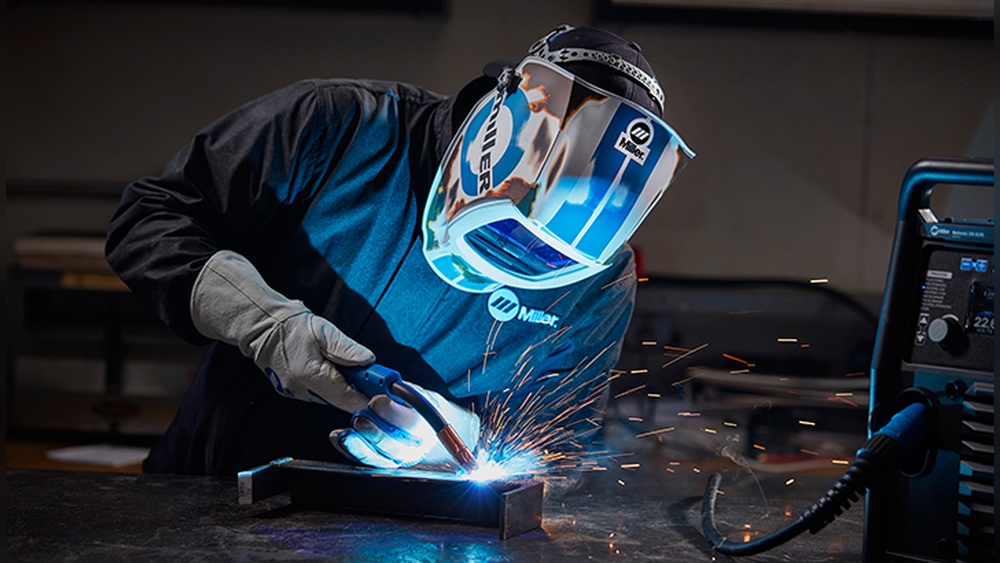
MIG stands for Metal Inert Gas. In this method, a wire acts as the filler material and feeds through the welding gun automatically. A shielding gas protects the weld from the air.
Why Many Choose Mig For Ornamental Iron
- Fast and efficient for most iron shapes
- Works well on thin or medium-thick metal
- Produces clean, smooth welds with little spatter
- Easy to learn for beginners
What To Watch Out For
MIG welding can struggle with very thick iron or when working outside in windy weather. The shielding gas can blow away, making welds weaker or messy.
Best Uses
MIG is great for fences, gates, and railings, especially when you need to make many welds quickly. It leaves a neat bead, which is important for visible pieces.
2. Tig Welding (gas Tungsten Arc Welding)
TIG stands for Tungsten Inert Gas. This method uses a tungsten electrode and a separate filler rod. The welder controls the rod by hand, and a shielding gas (often argon) protects the weld.
Why Experts Like Tig For Decorative Projects
- Very precise control over the weld
- Makes small, tidy welds with little spatter
- Best for thin or delicate iron pieces
- Great for complex or detailed designs
What Makes Tig Harder
TIG welding takes more skill and practice. It is slower than MIG or stick welding. The process needs clean iron with no rust, oil, or paint.
Best Uses
TIG works well for fine scrolls, artwork, and repairs where looks matter most. It is often used for custom railings, furniture, and sculpture.
3. Stick Welding (shielded Metal Arc Welding)
Stick welding uses a consumable rod coated with flux. The flux melts and forms a shield to protect the weld.
Why Some Use Stick Welding
- Handles dirty or rusty iron
- Works well outside in wind or rain
- Good for thick pieces and heavy-duty connections
What To Know About Stick
Stick welding can make more spatter and rougher welds. It takes more cleanup to make welds smooth. It is harder to control on thin or small pieces.
Best Uses
Stick is often used for structural parts hidden from view or for outdoor gates and fences where speed is important but appearance is less critical.
4. Forge Welding
Forge welding is the oldest method. Blacksmiths heat iron pieces in a forge and hammer them together until they join.
Why Choose Forge Welding
- Gives a traditional look with no visible weld beads
- Best for true hand-forged artwork
What To Consider
Forge welding takes a lot of skill and special tools. It is much slower than modern methods and is rare outside of blacksmith shops.
Best Uses
Forge welding is for restoration work, historic buildings, or when you want an authentic hand-made finish.
Comparing Welding Methods For Ornamental Iron
Choosing the best welding method means looking at appearance, strength, speed, cost, and the skill needed. The following table compares the four main welding methods:
| Welding Method | Appearance | Strength | Speed | Skill Needed | Best For |
|---|---|---|---|---|---|
| MIG | Smooth, neat | Good | Fast | Easy/Medium | General ironwork |
| TIG | Very clean, precise | Excellent | Slow | High | Details, artwork |
| Stick | Rough, needs cleanup | Very strong | Medium | Medium | Outdoor, thick iron |
| Forge | No weld bead | Strong | Very slow | Very high | Traditional, historic |
Factors That Matter Most When Choosing A Welding Method
Some projects need speed. Others need perfect looks. Consider these key factors before you decide:
- Type of iron – Is the iron thick or thin? Some methods suit thin sheets, others suit heavy bars.
- Design detail – Does the project have fine scrolls or simple bars?
- Location – Will you weld indoors or outside? Wind and weather affect gas-shielded methods.
- Skill level – Are you a beginner or an expert?
- Budget and time – Some methods need more time or expensive tools.
Material Thickness
Thin iron bars or scrolls can burn through with too much heat. TIG and MIG are better for thin pieces. Stick welding suits thicker iron.
Appearance Requirements
If people will see the welds, neatness matters. TIG gives the most precise finish, but MIG also makes clean welds. Stick welding often needs grinding to look good.
Environment
Welding outside? Stick welding works best, as wind does not blow away its shielding. MIG and TIG need a calm place, or you must use wind blocks.
Skill And Tools
MIG is the easiest to learn for most people. TIG takes time to master but gives the best results for fine work. Stick welding falls in the middle. Forge welding is for skilled blacksmiths.
Cost And Time
MIG welding is quick and not expensive for most jobs. TIG is slower and needs more skill. Stick welding is affordable and works almost anywhere. Forge welding is slow and costly.
When To Use Each Welding Method In Ornamental Iron Work
Choosing the best method often depends on the project. Here are common scenarios and the best welding approach:
Fences And Gates
Most fences and gates use medium-thick iron bars. MIG welding is the top choice because it is fast, strong, and leaves a neat appearance. For outdoor jobs, if you have rust or bad weather, stick welding can be better.
Railings
Railings often have both straight and curved parts. TIG welding is best for detailed scrolls and visible welds. MIG works for less detailed sections. Stick welding is rare unless the railings are thick and not visible.
Furniture
Iron furniture needs smooth welds and can use thin iron. TIG welding is best for visible joints and delicate designs. MIG is good for hidden or less detailed parts.
Art And Sculpture
Art pieces often have thin or unusual iron shapes. TIG welding gives the most control and cleanest welds, which is important for artwork. Some artists also use forge welding for a traditional look.
Repairs
For quick repairs, stick welding is very useful, especially outside or on old iron with rust. MIG is also good for fast indoor repairs on clean iron.
Non-obvious Insights Beginners Miss
Many beginners think that the strongest method is always the best. But in ornamental iron, appearance often matters as much as strength. Even a strong weld can ruin a project if it leaves a big, rough bead on a decorative scroll.
Another common mistake is ignoring the cleanliness of the metal. TIG and MIG welding need clean, rust-free iron for good results. Even small amounts of oil, paint, or dirt can cause weak welds or ugly spatter. Always clean your iron well before welding.
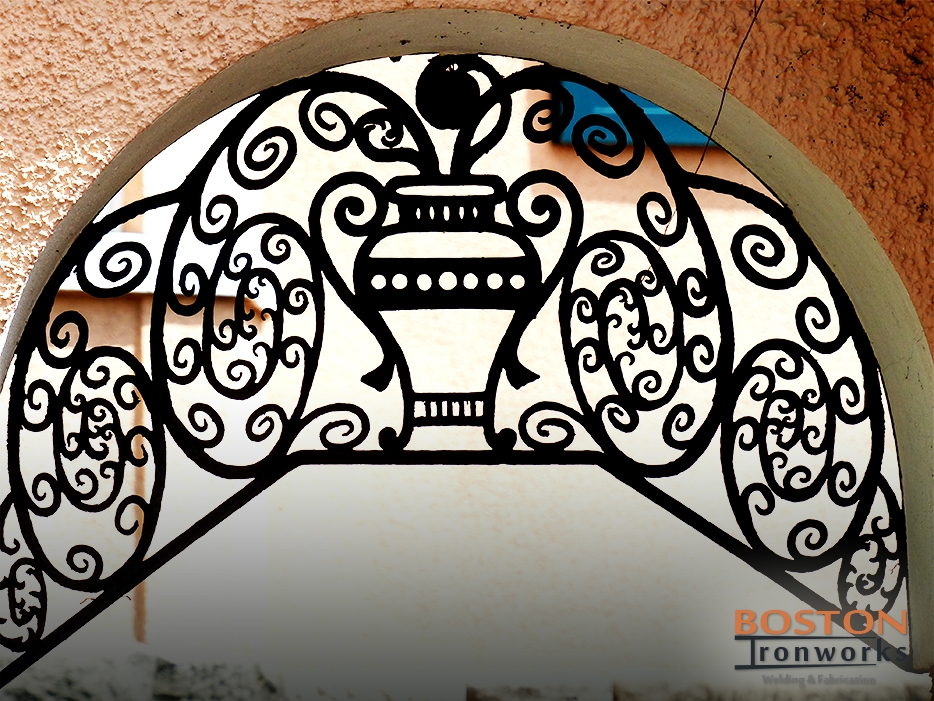
Credit: www.bostonironworks.com
Welding Safety For Ornamental Iron Work
Welding can be dangerous if you do not follow safety rules. Burns, eye injury, and breathing fumes are common risks. Here are some basic safety tips:
- Always wear a welding helmet with the right shade filter.
- Use welding gloves and long sleeves to protect your skin.
- Work in a well-ventilated area to avoid breathing fumes.
- Keep a fire extinguisher nearby.
- Never weld near flammable materials.
Welding decorative iron often means working in awkward positions. Take your time to set up safely, even for small projects.
Tips For Smoother, Stronger Welds
- Practice on scrap iron before welding on your final piece. This helps you set the right power and speed.
- Tack weld first to hold pieces in place, then finish with longer welds.
- Clean every joint with a wire brush or grinder.
- Let pieces cool slowly to avoid warping, especially with thin iron.
- Use clamps and jigs to hold complex shapes steady.
Many new welders also forget that weld direction matters. Pulling the torch gives a different bead than pushing. Practice both to see what looks best for your project.

Credit: www.amazon.com
Common Mistakes In Ornamental Iron Welding
- Using too much heat – This can burn through thin iron and make holes.
- Welding dirty iron – Causes weak welds and ugly splatter.
- Not cleaning up welds – Grinding and sanding make a big difference in the final look.
- Skipping test fits – Always check parts fit well before welding.
- Ignoring safety – Even small projects need full protection.
Preparing Your Iron For Welding
Preparation is key to a strong, good-looking weld. Here’s how to prepare your iron:
- Remove rust and paint with a wire wheel or grinder.
- Wipe away oil and dirt using a clean rag and solvent.
- Cut edges square for the best fit.
- Clamp pieces tightly so they do not move during welding.
Taking time to prepare saves work later and results in a better finish.

Credit: www.codinter.com
Post-weld Cleanup And Finishing
After welding, most iron work needs some cleanup. Here’s what to do:
- Grind and sand weld beads to make them smooth.
- Fill small gaps or holes with extra weld or metal filler.
- Check for cracks or weak spots.
- Prime and paint the iron to prevent rust.
For the best finish, use a fine grinding wheel, then sand with metal sandpaper. Many decorative pieces also get a powder coat for extra protection.
Which Welding Method Is Best For Beginners?
If you are just starting out, MIG welding is usually the best choice. It is easier to learn than TIG or stick welding. The wire feeds automatically, and you do not have to control two hands at once. MIG welders are also widely available and affordable.
TIG welding gives the nicest results, but it takes more practice. Stick welding is simple in setup but harder to make clean welds, especially on thin iron.
Which Welding Method Do Professionals Use Most?
Professional shops often use both MIG and TIG welding for ornamental iron. They use MIG for most joints and TIG for visible or detailed areas. Some high-end shops still use forge welding for historic or custom jobs.
The best professionals switch methods to suit each part of the project. For example, they might use MIG to assemble a gate frame and TIG to attach decorative scrolls.
Real-world Example: Building An Ornamental Iron Gate
Suppose you want to build an iron gate with scrolls and leaves. Here’s how a skilled welder might approach it:
- Frame: MIG welds for speed and strength.
- Scrolls and leaves: TIG welds for small, clean joints.
- Assembly: Tack welds first, then finish welding.
- Cleanup: Grind and sand all visible welds.
- Finish: Prime and paint, or powder coat for weather protection.
This approach gives the gate both strength and a high-quality appearance.
Cost Comparison Of Welding Methods
Welding costs include tools, materials, and time. Here’s a simple cost comparison:
| Method | Equipment Cost | Consumables | Time per Project |
|---|---|---|---|
| MIG | Medium ($300-900) | Wire, gas | Fast |
| TIG | High ($800-2000+) | Rods, gas | Slow |
| Stick | Low-Medium ($200-500) | Rods | Medium |
| Forge | High (forge, tools) | Coal, hammer | Very slow |
How To Choose The Right Welder For Ornamental Iron Work
Here are some tips for picking the right welder for your needs:
- Choose MIG for most projects if you want an easy, fast, and affordable method.
- Pick TIG if you need the best appearance for fine details.
- Use stick welding if you are working outside or with thick, rusty iron.
- Consider forge welding only for traditional or historic work.
Check that the welder you buy or rent can handle the iron thickness you plan to use. Read user reviews and ask other welders for their experiences.
For more technical details on welding processes, you can check the Welding page on Wikipedia.
Frequently Asked Questions
What Is The Best Welding Method For Thin Ornamental Iron?
TIG welding gives the most control and cleanest welds on thin iron. It helps prevent burn-through and leaves a neat finish.
Can I Use Mig Welding For All Ornamental Iron Projects?
MIG welding works for most projects, especially fences, gates, and medium-thick iron. For very fine details, TIG may be better.
Is Stick Welding Good For Decorative Iron Work?
Stick welding is strong and good for outdoor or thick iron, but it can be rough and less suitable for visible decorative parts.
Do I Need Special Training For Tig Welding?
TIG welding needs more skill and practice than MIG or stick welding. Many people take classes or learn from experienced welders.
How Can I Make My Welds Look Better On Ornamental Iron?
Clean your iron well, practice your technique, grind and sand welds, and use the right method for each part. TIG and MIG give the smoothest results.
Choosing the best welding method for ornamental iron work depends on your design, skill, and tools. Most people find MIG welding works for most jobs, while TIG welding gives the best finish for details. Stick welding is strong but less neat, and forge welding is rare but beautiful for historic styles. Take time to plan, prepare, and practice for the best results in your decorative iron projects.