Disclosure: This post contains affiliate links and I will be compensated if you make a purchase after clicking through my links. Learn More
Robotic welding has changed how factories make products. Today, many manufacturers use robots to weld metal parts in cars, ships, appliances, bridges, and more. This technology does not only speed up production—it also raises the quality of every weld. People notice fewer errors, stronger joints, and less waste.
But why does robotic welding improve manufacturing quality so much? How does it work, and what should companies know before switching?
In this article, you’ll find clear answers. You’ll learn how robotic welding works, the main ways it improves quality, and the real challenges you might face. You’ll see data, examples, and comparisons that help you understand the full picture. By the end, you’ll know why robotic welding is not just a trend, but a long-term solution for better products.
How Robotic Welding Works
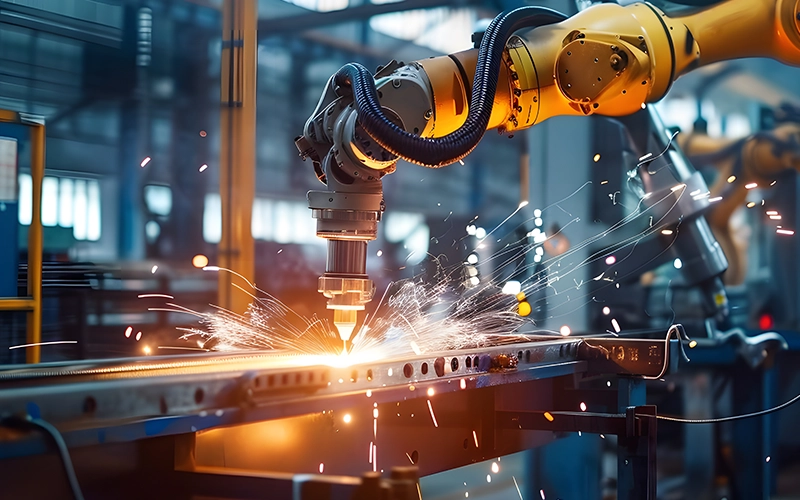
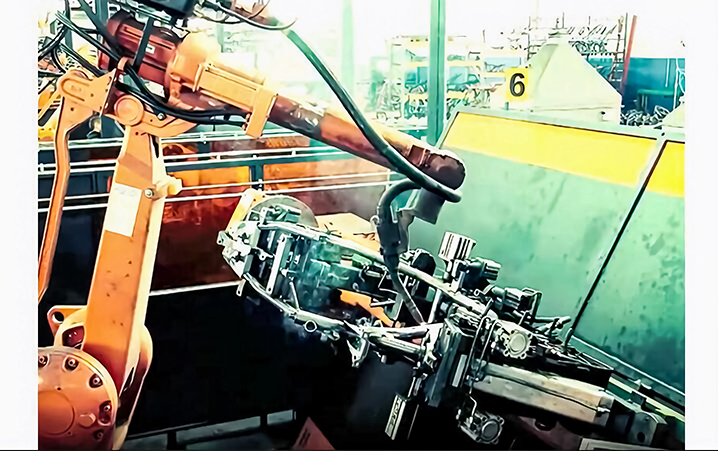
Robotic welding uses programmable machines to weld metal parts without human hands holding the torch. These machines follow instructions from a computer, moving with high accuracy and repeating the same action many times.
A robotic welding system usually includes:
- A mechanical arm with several joints
- A welding torch at the end of the arm
- A controller that gives the robot its instructions
- Safety sensors to prevent accidents
- Software for programming movements and settings
A technician teaches the robot a set of movements—either by guiding it with their hand (teach pendant) or by typing instructions into the software. Once programmed, the robot repeats these movements for every part on the line.
There are many types of robotic welding, but the most common are:
- Arc welding (MIG, TIG, plasma)
- Spot welding
- Laser welding
Each type has different uses. For example, car bodies often use spot welding, while metal cabinets use arc welding.
Main Ways Robotic Welding Improves Manufacturing Quality
1. Consistent Weld Quality
A robot repeats the same movement, speed, and force every time. Human welders can get tired, distracted, or make small mistakes, especially on long or complex projects. Robots do not have this problem. Every weld has the same size, shape, and depth, which leads to fewer weak points.
For example, a car door may need hundreds of spot welds. A robot can place each weld in exactly the same spot, with the same pressure, every time. This reduces the risk of weak joints that can cause safety problems later.
2. Fewer Defects And Rework
Defects in welding can mean cracks, holes, or misaligned parts. These defects often force companies to stop production, fix the error, or even throw out the part. Robots reduce these mistakes by keeping each weld within strict limits.
Research shows that robotic welding can cut defects by up to 60% compared to manual welding. That means less time fixing mistakes and more time making new products.
3. Stronger Joints
The strength of a weld depends on how well the two pieces join. Robots control the welding speed, angle, and heat more precisely than most people. This control makes each joint stronger and more reliable.
For critical items like car frames or pressure tanks, stronger welds mean safer products. Some companies have seen up to 30% higher joint strength after switching to robots.
4. Better Appearance
Welds are not just about strength—they also need to look clean. Manual welds can have splatter, uneven beads, or burn marks. Robots create neater lines and smoother finishes. This makes the final product more attractive, which is important for parts that customers see, like kitchen appliances or furniture.
5. Lower Variability
In quality control, variability means how much a product changes from one piece to another. High variability can cause problems in later steps, like painting or assembly. Robotic welding lowers variability, so every part fits and functions as expected.
For example, if a robot welds 1,000 parts, each part will be nearly identical. This makes it easier to assemble the final product and avoid surprises.
6. Improved Quality Tracking
Robotic systems record data for every weld: temperature, speed, position, and more. This information helps companies track quality and spot problems early. If a defect appears, engineers can look back and see exactly what happened.
Some robots even use sensors to check the weld in real time. If something goes wrong, they can alert workers or stop the line before more bad parts are made.
7. Less Material Waste
Bad welds often mean wasted metal, wire, or gas. Robots use just enough material for each weld, and make fewer mistakes. This reduces scrap and lowers costs.
A study from the American Welding Society showed that robotic welding can cut material waste by up to 40%, making production both cheaper and more eco-friendly.
8. Safer Working Conditions
Manual welding creates risks: burns, eye damage, and inhaling fumes. Robots handle most of these dangerous tasks, keeping workers safer. Fewer accidents mean less downtime and lower insurance costs.
Though safety is not a direct measure of product quality, a safe factory usually has fewer production stops and higher morale, which supports better overall quality.
Data Comparison: Manual Vs. Robotic Welding
To see the impact, compare key metrics from factories that use manual welding and those that use robots.
| Aspect | Manual Welding | Robotic Welding |
|---|---|---|
| Defect Rate | 4–8% | 1–3% |
| Weld Consistency | Medium | High |
| Material Waste | High | Low |
| Worker Injuries | Frequent | Rare |
| Data Logging | No | Yes |
Types Of Robotic Welding And Where They Excel
Different robotic welding methods fit different factory needs. Each has strengths for certain jobs.
Arc Welding Robots
Arc welding robots use electricity to melt and join metals. They can weld long seams or complex shapes. These robots are common in making pipes, frames, and auto parts.
Key strengths:
- Handles thick or thin metals
- Good for long, straight welds
- Offers high speed and accuracy
Spot Welding Robots
Spot welding robots press two metal sheets together and send a short electric pulse to melt just one spot. This method is fast and works best for car bodies and thin metal sheets.
Key strengths:
- Extremely fast (up to 20 spots per minute)
- Great for mass production of similar parts
- High repeatability
Laser Welding Robots
Laser welding uses a focused light beam to melt metal. It creates very small, clean welds with little heat. This is useful for electronics, batteries, and small parts.
Key strengths:
- Precise, narrow welds
- Minimal warping or heat damage
- Works on delicate items
Comparison Of Robotic Welding Types
Here’s a quick view of how the main types compare for different needs:
| Welding Type | Speed | Precision | Best For |
|---|---|---|---|
| Arc Welding | Medium–High | High | Structural parts, frames |
| Spot Welding | Very High | Medium | Car bodies, sheet metal |
| Laser Welding | Medium | Very High | Electronics, small parts |
Common Myths And Misunderstandings
Many people think robots are too expensive, too hard to use, or only for big companies. These ideas are often wrong or outdated.
- Myth: Only large factories can afford robots.
Costs have fallen, and smaller systems are available. Many small and medium companies now use robotic welding.
- Myth: Robots remove jobs.
Robots often shift workers to safer, higher-skill jobs like programming and maintenance. Companies usually keep or even grow their teams as production increases.
- Myth: Robots cannot handle custom or short runs.
Modern robots can be reprogrammed quickly. This flexibility helps factories that make many different products.
The Real Challenges Of Robotic Welding
Robotic welding is not magic. Companies need to plan for real challenges:
Initial Investment
Buying robots, software, and training staff costs money. Some systems cost from $50,000 to $150,000 each. While these costs pay off over time, it can take one to three years to see full savings.
Skilled Staff Still Needed
Robots need people to program, maintain, and repair them. There is a demand for workers with these skills, and training takes time. Companies must invest in their teams, not just the machines.
Part Fit-up And Preparation
Robots work best when every part is the same size and shape. If raw materials are bent or dirty, robots may make mistakes. Good part preparation is key for quality results.
Regular Maintenance
Robots are reliable, but they need regular checks and cleaning. Sensors, arms, and cables can wear out. Skipping maintenance can lead to unexpected stops or bad welds.
Space And Safety
Installing robots needs space and safe work zones. Factories often need to redesign layouts for smooth material flow and safe human access.
Key Factors For Success
Companies that get the best quality from robotic welding focus on a few key factors.
Careful Part Design
Parts should fit together easily and have clear weld locations. Designers work with engineers to make parts robot-friendly.
Consistent Material Supply
Raw materials should be clean and uniform. This helps robots make the same weld every time.
Proper Training
Workers must know how to set up, program, and monitor robots. Good training avoids many common errors.
Data Monitoring
Companies should use the robot’s data to track quality and spot trends. This allows quick fixes before problems spread.
Continuous Improvement
Companies that review their process and make small changes over time get the best results. They listen to workers on the floor and adjust as needed.
How Robotic Welding Supports Industry Standards
Industries like automotive, aerospace, and medical devices have strict quality standards. Robotic welding helps meet these demands.
- Automotive: Most car makers use robots for over 50% of body welding. This supports crash safety and long-term durability.
- Aerospace: Aircraft need precise welds to avoid failure at high stress. Robots create consistent results and detailed records for inspection.
- Medical devices: Clean, strong welds are required for safety. Robots can work in sterile conditions and make tiny welds without errors.
Credit: gdt.com
Case Study: Automotive Manufacturing
A large auto plant switched to robotic spot welding for their car doors. Before robots, they had a defect rate of 6% on doors—mostly due to misaligned welds and weak joints. After robots, defects dropped to 1.8%. The company saved over $400,000 per year in scrap and rework costs. Workers moved into new roles overseeing quality and programming. The plant also saw fewer injuries from burns and fumes.
This example shows how robotic welding can improve quality, safety, and even worker satisfaction.
Practical Insights That Beginners Often Miss
Many new users focus on the robot’s speed or the cost savings. But two less obvious factors make a big difference:
- Stable Fixtures: Robots need solid fixtures to hold parts in the same place every time. Weak or shifting fixtures can cause errors—even with perfect robot programming.
- Environmental Control: Changes in temperature, humidity, or dust can affect weld quality. Factories that control these factors see more reliable results.
By planning for these details, companies avoid many first-year problems.
What To Watch Out For When Switching To Robotic Welding
Mistakes during setup can reduce the benefits of robotic welding. Watch out for these common errors:
- Skipping staff training or hiring only outside experts
- Ignoring regular calibration of sensors and arms
- Choosing a robot that’s too complex for the factory’s real needs
- Not budgeting for spare parts and maintenance
- Overlooking safety barriers and clear walkways
Fixing these issues early helps factories get the best results from their investment.
Future Trends: How Robotic Welding Will Improve Quality Further
Robotic welding keeps getting smarter. Some new trends include:
- AI and Machine Learning: Robots can now adjust their settings on the fly if they detect a problem. This makes quality even more reliable.
- Vision Systems: Cameras watch the weld as it happens, checking for errors in real time.
- Cloud Data: Factories send welding data to the cloud for deeper analysis and sharing across sites.
- Collaborative Robots (Cobots): These robots work safely next to people, helping with custom or small-batch tasks.
As these features spread, factories will see even higher quality and more flexible production.
Credit: www.zzkehui.com
Real-world Data: Cost And Quality Payoff
How long does it take for robotic welding to pay for itself? Most studies show a return on investment (ROI) of 12–36 months. Quality gains are part of this payoff:
| Benefit | Manual Welding | Robotic Welding |
|---|---|---|
| Scrap Rate | 5–10% | 2–4% |
| Production Speed | Low–Medium | High |
| Worker Safety | Medium | High |
| Quality Data Tracking | No | Yes |
Environmental And Social Benefits
Robotic welding also helps the environment. By cutting waste and using less energy, factories reduce their carbon footprint. Stronger, more reliable welds mean products last longer, so fewer items end up as trash. Safer work conditions reduce accidents and improve lives for factory workers.
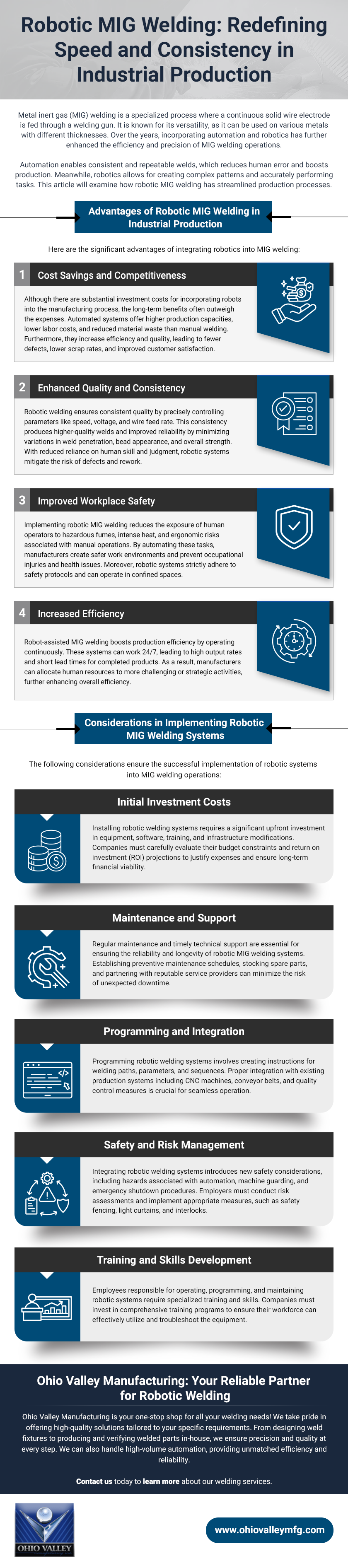
Credit: www.ohiovalleymfg.com
When Robotic Welding May Not Be The Right Choice
While robotic welding fits many jobs, it’s not always the best answer. Manual welding may be better when:
- Products change often and require unique welds each time
- Production volumes are very low
- Parts are hard to fit in a robot cell
Smart companies combine both methods, using robots for large, repeated tasks and skilled workers for special projects.
Where To Learn More
For those who want deeper technical details, the Wikipedia: Robotic Welding page offers a good starting point with more advanced resources.
Frequently Asked Questions
What Is Robotic Welding?
Robotic welding is an automated process where a machine with a welding torch joins metal parts. It follows programmed instructions, repeats the same action, and creates consistent welds without direct human control.
How Does Robotic Welding Improve Product Quality?
It improves quality by making each weld the same, reducing errors, and creating stronger joints. Robots work with high accuracy, keep detailed data, and help lower material waste.
Is Robotic Welding Only For Large Companies?
No. While big factories started using it first, smaller companies now use robots too. Lower costs and easier programming help more businesses take advantage of this technology.
Are Workers Replaced By Robotic Welding?
Most companies shift workers to roles in robot setup, quality control, or maintenance. Robots often make factories safer, and production growth can create new jobs.
What Are The Main Challenges With Robotic Welding?
Main challenges include high starting costs, the need for skilled staff, regular maintenance, and making sure all parts are prepared well. Planning for these factors helps ensure the best quality and return on investment.
Robotic welding has already improved the quality, speed, and safety of manufacturing in many industries. By understanding how it works and planning for its challenges, companies can make better products for less cost—and stay competitive for years to come.