Disclosure: This post contains affiliate links and I will be compensated if you make a purchase after clicking through my links. Learn More
Welding is a skill that builds strong metal structures, repairs tools, and creates art. Many people want to learn welding because it leads to good jobs and personal projects. But starting out can feel confusing, especially with so many different tools and equipment available.
Choosing the right tools is one of the first steps to becoming a safe and skilled welder.
If you are a beginner, it’s easy to feel lost in a hardware store or while reading tool reviews online. Some tools look the same but serve different purposes. Others are essential for safety, and some are nice extras that make work easier.
This guide explains what tools beginner welders need, why each tool matters, and how to choose the best option for your needs. You will also learn about common mistakes and get practical tips to start welding with confidence.
The Main Welding Machine Types For Beginners
The most important tool for any welder is the welding machine. There are several types, but not all are good for beginners. Understanding the differences helps you pick the right one for your skills and projects.
| Welding Machine Type | Best For | Ease of Use | Common Project Examples |
|---|---|---|---|
| MIG (Metal Inert Gas) | Starters, hobbyists | Very easy | Furniture, auto repair, frames |
| TIG (Tungsten Inert Gas) | Advanced beginners | Harder | Thin metals, bikes, art |
| Stick (SMAW) | Outdoor, rough repairs | Moderate | Fences, gates, farm tools |
MIG welders are the most popular choice for beginners. They are easy to set up, produce clean welds, and work well for many metals. This type of welder uses a wire fed through a gun, so you don’t have to stop and change rods often. The wire and gas come together to make a strong joint with less mess than other methods. For home projects, MIG welders are flexible and forgiving, which helps when you’re learning.
Stick welders are also beginner-friendly, especially for work outside or where metal is rusty or dirty. Stick welding is simple and tough, and it’s often used for repairs in the field because you don’t need extra gas bottles. However, it creates more slag (waste) to clean up, and the welds can be rougher if your technique is off. Still, many farm and repair jobs depend on stick welding because it works even when conditions aren’t perfect.
TIG welders make very clean and strong welds, but they are harder to use and cost more. TIG welding gives you the most control and can handle thin metals and delicate work, but it requires steady hands and more skill. The setup is also more complex, with a foot pedal and extra gas control. Because of this, most people don’t start with TIG, but may move to it later for fine work.
Many professionals recommend starting with a MIG welder if you plan to do general repairs, small projects, or learn basic welding at home.
Key Features To Look For
- Power source – Most home welders use 110V or 220V. Make sure your workshop has the right outlets. A 110V welder is fine for light work and is easier to plug in at home, but 220V welders give more power for thicker metal.
- Amperage range – Higher amps let you weld thicker metal. If you plan to weld car frames or heavy gates, you need a welder with more amps. For thin sheet metal, lower amps are enough and easier to control.
- Duty cycle – This tells you how long the machine can run before it needs a break. For beginners, a 20-30% duty cycle is enough. This means you can weld for 2-3 minutes out of every 10 before stopping to let the machine cool.
- Portability – Smaller machines are easier to move but may be less powerful. If you work in different places or have a small shop, a lighter welder is more convenient.
Non-obvious tip: Avoid buying the cheapest machine. Poor quality welders can make learning harder and may be unsafe. Cheap machines often have poor wire feeds or weak power, causing frustration and bad welds. Investing a bit more in a trusted brand will help you learn faster and avoid trouble.
Extra insight: Check if your welder can use both solid wire and flux-cored wire. Flux-cored wire doesn’t need gas, which is handy if you can’t get a gas tank or want to weld outside in the wind. This flexibility lets you try more projects.
Essential Safety Equipment
Welding creates high heat, bright light, sparks, and fumes. Without the right safety gear, you risk burns, eye damage, or breathing problems. Every beginner needs these basic safety tools:
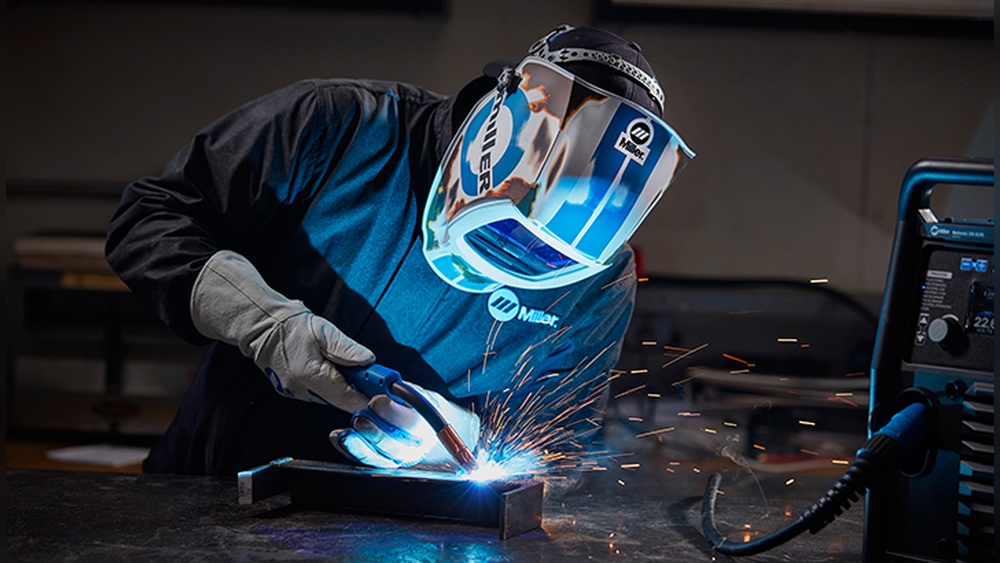
Welding Helmet
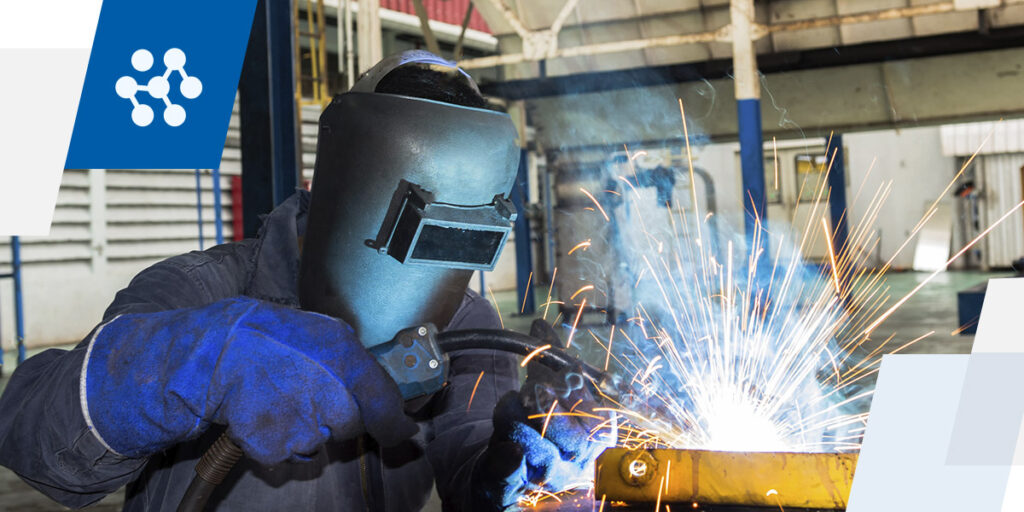
A welding helmet protects your eyes and face from sparks and bright light. The best helmets have auto-darkening lenses that adjust quickly when you start welding. This makes it easier to see your work and reduces eye strain.
Good helmets should meet ANSI Z87.1 safety standards. Spending a little more for a quality helmet pays off in comfort and protection. Cheap helmets may not darken fast enough, which can lead to “arc eye”—a painful condition like a sunburn on your eye.
A comfortable helmet will also help you weld longer without neck pain. Try on a few if you can, and look for adjustable head straps and a clear viewing area. Some helmets also have side windows for better vision.
Welding Gloves
Welding gloves are thick and heat-resistant. They protect your hands from burns, sparks, and electric shock. MIG and stick welding gloves are usually thicker, while TIG gloves are thinner for better control.
Always wear gloves, even for short welds. Never use regular work gloves, as they can catch fire or melt. Remember, even a small spark can burn your skin quickly, and hot metal stays hot for a long time.
Try to get gloves that fit well but still let you move your fingers. Some gloves have extra padding on the palm or long cuffs to protect your wrists and lower arms.
Protective Clothing
Wear a welding jacket or shirt made from flame-resistant material like leather or special cotton. Avoid synthetic fabrics, as they can melt onto your skin. Long sleeves, long pants, and closed shoes are necessary.
Non-obvious insight: Leather boots with steel toes add extra safety. Avoid sneakers, as they can burn quickly. Even jeans can catch fire if they’re not thick enough, so look for work pants made for welding or heavy labor.
A bandana or welding cap can protect your head and hair from sparks, especially when welding overhead.
Safety Glasses
Even with a helmet, safety glasses are important. They protect your eyes from small flying metal pieces and dust when grinding or chipping.
Many beginners don’t realize that grinding metal or chipping slag sends tiny bits flying all around. Glasses with side shields offer the best protection.
Ear Protection
Welding and grinding can be noisy. Earplugs or earmuffs protect your hearing, especially if you weld for long periods or in echoing spaces.
Noise damage builds up over time. Some grinders and welders are louder than you think, so get in the habit of using ear protection early.
Respirator Or Welding Fume Mask
Some welding creates dangerous fumes. A respirator or welding mask with filters keeps your lungs safe. This is especially important in small or poorly ventilated areas.
For certain metals like galvanized steel, the fumes are extra toxic. Use a respirator with P100 or HEPA filters for the best protection. Check that your mask fits tightly—gaps can let fumes in.
Extra tip: Open a window or use a fan to blow fumes away from your face, but never let a draft blow into your helmet, as it can disturb the weld.
Credit: meritusgas.com
Basic Hand Tools Every Beginner Needs
After safety gear and the welding machine, you need some basic hand tools. These tools help you prepare metal, clean welds, and fix mistakes.
Wire Brush
A wire brush cleans rust, paint, and dirt from metal before you weld. Clean surfaces make stronger welds and reduce splatter. Use a brush with strong bristles and a handle that keeps your hands safe from sharp edges.
There are wire brushes with curved handles for better grip and control, and some attach to drills for faster cleaning. Always brush in one direction to remove debris instead of spreading it around.
Chipping Hammer
A chipping hammer removes the hard slag that forms over your weld bead, especially after stick welding. The pointed tip breaks up slag, and the flat side scrapes it away.
A good chipping hammer is well-balanced and has a coil handle to absorb shock. It’s a simple tool, but trying to chip slag with a screwdriver or a regular hammer doesn’t work well and can be dangerous.
Angle Grinder
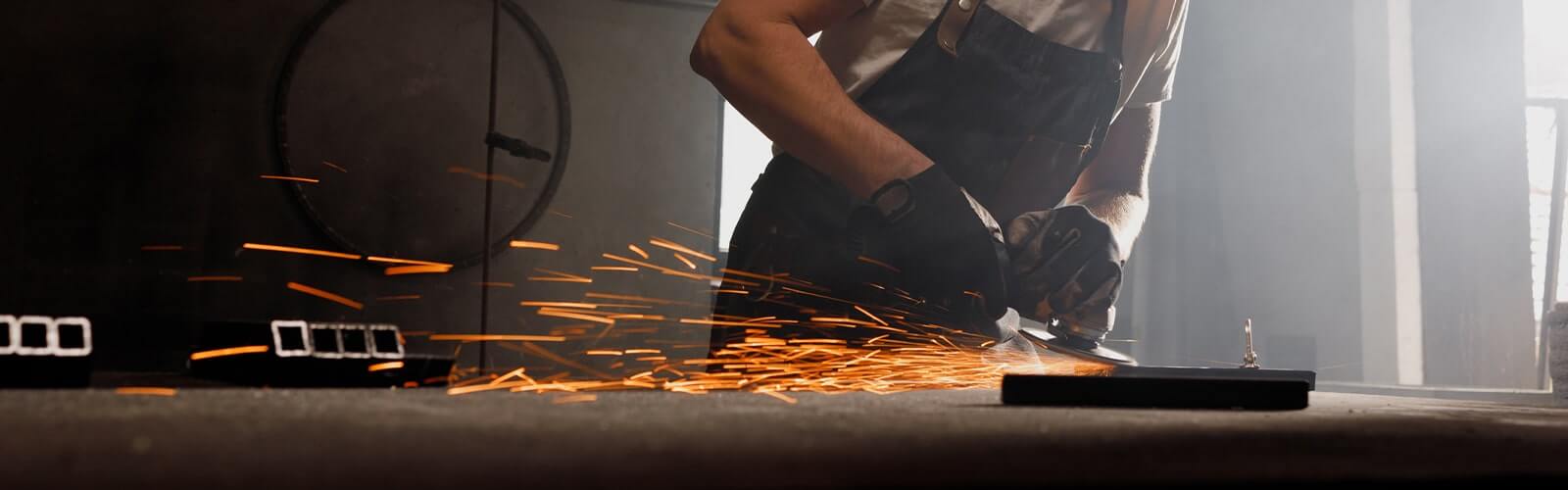
An angle grinder is a must-have tool for cutting metal, cleaning welds, and removing sharp edges. Use it with grinding or cutting wheels made for metal. Beginners often skip this tool, but it saves time and makes your work look better.
Grinders come in different sizes. A 4. 5-inch grinder is a good starting size for most home welders. Always wear safety glasses and gloves when using a grinder, as it throws off sparks and tiny metal pieces.
| Hand Tool | Main Use | Why It Matters |
|---|---|---|
| Wire Brush | Clean surfaces | Stronger welds |
| Chipping Hammer | Remove slag | Smoother finish |
| Angle Grinder | Cut/grind metal | Better fit, looks |
Measuring Tools
Welding projects need accuracy. Tape measures, steel rulers, and squares help you measure and mark your metal pieces. An angle finder helps you join metal at the correct angle, which is important for frames or furniture.
Practical tip: Use a soapstone marker or chalk to mark metal. Pencils often don’t show up well. Soapstone is heat-resistant, so your marks won’t burn away as you weld.
A combination square helps you check for right angles and straight lines, which is key for strong, even projects.
Clamps
Clamps hold metal pieces in place while you weld. This keeps your work steady and your hands free. C-clamps and locking pliers are most common. For larger projects, use bar clamps or magnetic clamps.
Don’t try to weld while holding pieces by hand—clamps make your welds neater and safer. Start with at least four clamps in your kit.
Magnet Squares
Magnetic squares hold metal pieces at exact angles, like 90° or 45°. They are simple but save time and make your welds more accurate.
Magnet squares are strong and hold heavy pieces, but remember to keep them clean—metal dust can make them less sticky. Also, move them away before finishing the weld near the magnet, as heat can weaken the magnet over time.
Metal File
A metal file smooths sharp edges after cutting or grinding. This makes your projects safer and gives them a finished look.
A flat file is best for general smoothing, while a half-round file works on curves. Always file away from your body and check for any sharp spots before handling your work.
Supplies And Accessories
Welding uses up some materials every time you work. Beginners need to keep a supply of these items on hand.
Welding Wire Or Electrodes
Your welding machine needs wire (for MIG and TIG) or electrodes (for stick welding). The type and size depend on your machine and the metal you work with. Most beginners use 0.030” or 0.035” wire for MIG, and E6011 or E6013 rods for stick welding.
Buy from a trusted brand to avoid wire that kinks or rods that don’t burn evenly. Store your wire and rods in a dry place—moisture can ruin them and cause bad welds.
Shielding Gas
MIG and TIG welding need shielding gas to protect the weld from air. The most common gas is a mix of argon and CO2. Small tanks are fine for home use, but make sure your supplier is nearby for refills.
Ask your gas supplier if they rent or sell tanks—sometimes renting is cheaper if you weld only occasionally. Check your regulator often, and always turn off the tank when you finish.
Ground Clamp
The ground clamp comes with your welder. It connects to your metal piece to complete the electrical circuit. Make sure the clamp is clean and tight for stable welds.
A loose or dirty clamp causes poor arcs and weak welds. Clean the clamp jaws often, and replace them if they lose tension or get damaged.
Replacement Nozzles And Tips
The nozzle and contact tip on your welding gun wear out over time. Keep spares ready so you can change them quickly if you have a problem.
A worn tip can cause wire jams or uneven welds. Replace tips at the first sign of trouble, and clean your nozzle regularly with a special brush.
Anti-spatter Spray
Anti-spatter spray keeps hot metal dots from sticking to your tools and work. It’s not essential, but it saves time cleaning up after welding.
Spray it lightly on your work area and the nozzle before welding—don’t overuse it, as too much can affect the weld quality.
Helpful Extras For Better Results
Some tools are not required but make welding easier, safer, or more enjoyable. Beginners can add these as their skills grow.
Welding Table
A strong welding table gives you a flat, safe place to work. Some tables have holes for clamps or slots to keep your tools close. Avoid wooden tables, as they can catch fire.
You can also build your own welding table from steel. Make sure it’s grounded and has a shelf for storing tools. Tables with wheels are helpful if you need to move your workspace.
Welding Curtain
A welding curtain blocks sparks and bright light, protecting other people nearby. This is useful if you weld in a shared space.
If you work in a garage with family or pets around, a curtain keeps everyone safe from the arc flash. You can buy ready-made curtains or use a thick welding blanket.
Tool Storage
A toolbox or tool cart keeps your gear organized. Good storage prevents lost tools and makes your work faster.
Some welders use magnetic strips to hold small tools or hooks for hanging helmets and gloves. This keeps everything clean and easy to reach.
Work Light
A bright LED work light helps you see your welds clearly, especially in a dark garage or shed.
Some helmets have built-in lights, but a separate lamp on a flexible arm gives the best view. Make sure the light doesn’t cause shadows where you are welding.
Fire Extinguisher
Always keep a fire extinguisher nearby. Welding can start fires, especially if sparks land on flammable material.
A basic ABC dry chemical extinguisher is best for most home shops. Check it regularly and know how to use it before you weld.
Extension Cord
If you work far from an outlet, a heavy-duty extension cord rated for your welder’s power keeps you safe. Never use a thin or damaged cord, as it can overheat.
Check your welder’s manual for the right cord size. Longer cords need to be thicker to avoid voltage drops.
Key Mistakes Beginners Make (and How To Avoid Them)
Mistake 1: Skipping safety gear. Some new welders try to save money by not buying a proper helmet or gloves. This is risky and can cause injury. Don’t take shortcuts with protection.
Mistake 2: Buying the wrong machine. Some beginners buy a very cheap welder or choose the wrong type for their projects. Always match your machine to your needs. If you’re unsure, ask an experienced welder or visit a local welding shop for advice.
Mistake 3: Not cleaning metal. Dirty or rusty metal makes weak welds. Always clean your work before starting, even if it looks okay.
Mistake 4: Ignoring ventilation. Fumes from welding can make you sick. Work in a space with good airflow or use a respirator.
Mistake 5: Forgetting about power supply. Make sure your outlets can handle your welder’s power needs. Using the wrong outlet or extension cord can damage your tools and create safety hazards.
Mistake 6: Not organizing tools. Searching for tools slows you down and breaks your focus. Keep your gear in a set place.
Mistake 7: Using the wrong wire or rod. Check your machine and project needs before buying supplies. Using the wrong material can ruin your weld and waste time.
Mistake 8: Welding without practice. Don’t start on your final project right away. Practice on scrap metal to learn speed, angle, and technique. Save your main materials for later.
Extra insight: Beginners often weld too slowly, causing burn-through, or too fast, making weak joints. Practicing on scraps helps you find the right speed and technique before you start on real projects.
How To Choose The Right Tools For Your Needs
Think about your goals. Do you want to fix things at home, build furniture, or start a new career? The right tools depend on your projects.
For small repairs or art: A basic MIG or stick welder, a helmet, gloves, grinder, and clamps are enough. These let you fix gates, make decorations, or do simple welding jobs.
For furniture or frames: Add a welding table, angle finder, and more clamps. You need accuracy for pieces that must fit together well.
For auto repair: Consider a welder that works well on thin metal and get a good grinder. Car panels are thin, so a MIG welder with gas is ideal.
Money-saving tip: Buy quality on safety and key tools. You can buy cheaper brands for extras, but never cut corners on helmets, gloves, or welders. Good gear lasts longer and keeps you safe.
You can find more beginner welding advice from respected resources like the Wikipedia Welding page.
Extra guidance: Try visiting a local welding class or community workshop before buying everything. You can test different tools and ask for advice from people with experience. This helps you avoid wasting money on tools you won’t use.
Typical Starter Kit Comparison
Here is a quick look at what a basic and a more complete beginner welding kit might include.
| Starter Kit | Essential Tools | Optional Extras |
|---|---|---|
| Basic | MIG/Stick welder Welding helmet Gloves Clamps Wire brush Chipping hammer Angle grinder |
Anti-spatter spray Tool storage |
| Complete | Everything in Basic kit Safety glasses Ear protection Respirator Measuring tools Magnet squares Metal file |
Welding table Welding curtain Work light Fire extinguisher Extension cord |
Both setups work. Start with the basics and add more as you learn and take on new projects. Many welders build their tool collection over months or years as they discover what works best for their needs.
Non-obvious guidance: If money is tight, try buying used tools—many local shops or online marketplaces have good-quality used welders and gear. Just make sure to check them for wear and test them if possible.
Credit: www.clickmetal.co.uk
Real-world Example: Starting A Home Workshop
Maria wanted to fix her garden gate and make metal art. She started with a small MIG welder, helmet, gloves, wire brush, and a few clamps. She used scrap metal to practice, then fixed her gate. After a few months, she added an angle grinder and a welding table.
Maria now builds small furniture for her home.
Many beginners start this way: with a few tools, practice, and small steps. You don’t need everything at once. Buy quality gear as you need it and as your skills grow.
Extra insight: Maria found that joining a local welding class helped her meet other welders and see different tools in action before buying. She also learned tricks from her classmates, like how to set up her machine for better welds and how to store gas bottles safely. Community or online forums are great places to ask questions and share your progress.
Frequently Asked Questions
What Is The Best Welding Machine For Beginners?
A MIG welder is often best for beginners. It is easy to use, works on many metals, and produces clean welds. Look for a machine with adjustable settings and a clear manual. Machines with a chart inside the cover make it easy to set up for different materials.
Do I Need A Special Table For Welding?
A metal welding table is safest and most practical. It gives you a flat, fire-resistant surface. You can use a thick metal plate on a sturdy table if you don’t have a welding table. Remember, wood tables can catch fire easily and are not recommended.
How Do I Protect Myself From Welding Fumes?
Work in a space with good ventilation. Open windows and use fans to move air. For extra safety, wear a respirator or welding fume mask, especially with certain metals or in small spaces. Never weld in a closed room without airflow.
Can I Use Regular Gloves And Clothes For Welding?
No. Always use welding gloves and flame-resistant clothes. Regular gloves and synthetic clothes can burn or melt, causing injuries. Protective gear is designed for the heat and sparks of welding.

Credit: tikweld.com
What Should I Practice First As A Beginner?
Start with straight beads on scrap metal. Practice your speed, angle, and distance from the metal. This builds muscle memory and helps you learn to control the weld pool. Try welding two pieces together in a “T” or “lap” joint to learn how the metal reacts.
Welding is a practical skill that opens doors to useful projects and careers. The right tools make learning easier and safer. Start with the essentials, focus on safety, and practice regularly. With time and patience, you will build skill and confidence in welding.