Disclosure: This post contains affiliate links and I will be compensated if you make a purchase after clicking through my links. Learn More
Storing gas cylinders at home is common for many people who use them in workshops. These cylinders supply gas for tools, welding, heating, or even barbecues. But gas cylinders can be dangerous if stored the wrong way. Leaks or accidents could lead to fire, explosions, or health problems.
Many people do not realize that a simple mistake, like putting a cylinder near a hot tool, can have serious results.
Safe storage of gas cylinders is not just about following a few rules. It means understanding the risks, the right storage location, good habits, and what to do if something goes wrong. This guide explains how to keep gas cylinders safely in a home workshop, step by step.
You will learn about choosing the best place, how to set up your storage area, what regulations you should know, and the small details that most people forget. With these tips, you can protect your workshop, your home, and your family.
Why Safe Storage Of Gas Cylinders Matters
Gas cylinders hold compressed gases under high pressure. Common types include propane, butane, oxygen, and acetylene. These gases are helpful but also risky. If a cylinder falls or leaks, gas can spread quickly. When gas mixes with air, even a small spark can start a fire. In fact, the U.S. Fire Administration reports that gas leaks cause over 4,000 home fires every year. Most of these accidents happen because of poor storage or handling.
Many people think that a heavy cylinder is safe if it stands upright. But heat, physical damage, or a missing valve cap can turn a cylinder into a hazard. Storing cylinders the right way reduces these risks. It also keeps your insurance valid and follows local safety laws.
Understanding Different Types Of Gas Cylinders
Not all cylinders are the same. Some gases are heavier than air, others are lighter. Some are flammable, others are toxic or just support burning (like oxygen). Knowing your gas type helps you choose the right storage method.
| Gas Type | Common Use | Special Risk | Storage Note |
|---|---|---|---|
| Propane | Heating, BBQ, tools | Highly flammable | Store outside if possible |
| Oxygen | Welding, medical | Supports burning | Keep away from oil/grease |
| Acetylene | Welding, cutting | Unstable under pressure | Keep upright, secure |
| Butane | Lighters, camping | Flammable, heavier than air | Store in ventilated area |
Some gases, like acetylene, can become unstable if the cylinder falls. Oxygen is not flammable by itself, but it makes fires burn much faster. Always check the label on the cylinder and read the manufacturer’s instructions.
Choosing The Right Location In Your Workshop
Finding the best spot for your cylinders is the first step. A good location reduces risk from fire, heat, and impact. Consider these factors:
Distance From Ignition Sources
Keep gas cylinders far from flames, sparks, or hot tools. The National Fire Protection Association (NFPA) suggests a minimum of 3 meters (10 feet) from welding, grinding, or open flames.
Ventilation
Good airflow is essential. Gas can leak without smell or warning. Choose a spot with windows, vents, or fans. Never store cylinders in closed spaces or under stairs.
Temperature Control
Heat can increase pressure inside the cylinder. Avoid direct sunlight, heaters, or hot machines. The ideal storage temperature is below 50°C (122°F).
Floor Surface
Keep cylinders on a flat, solid floor. Concrete is best. Avoid carpet, wood, or uneven ground. A stable base prevents tipping.
Away From Exits
Never block doors or escape routes with cylinders. In an emergency, you need a clear path outside.
Setting Up A Safe Storage Area
Once you pick the location, set up your storage area for safety and easy use.
Cylinder Racks And Chains
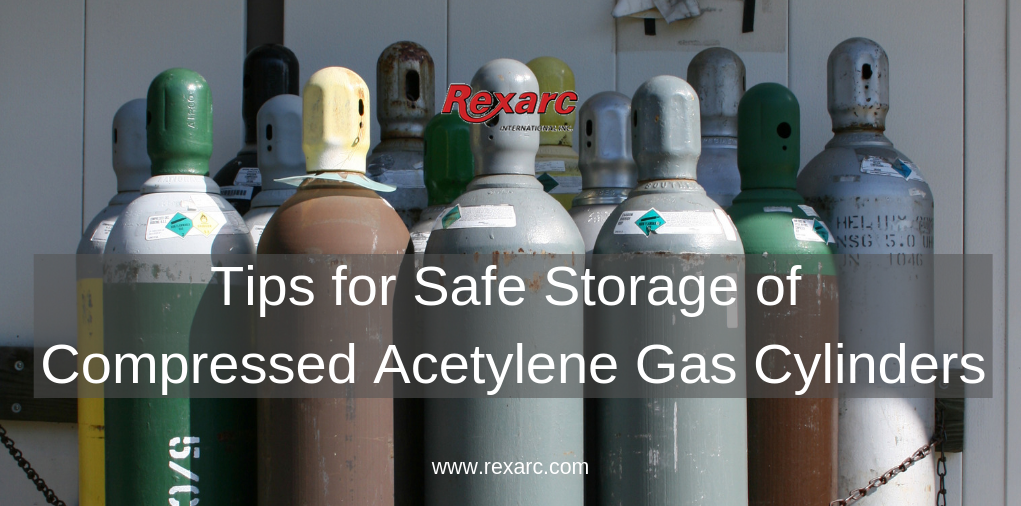
Store cylinders upright. Use racks, cages, or chains to stop them from falling. Secure each cylinder at the top third and bottom third. Do not stack cylinders on top of each other.
Separation Of Gases
Keep different types of gases apart. For example, store oxygen and acetylene cylinders at least 6 meters (20 feet) apart, or use a fireproof barrier at least 1.5 meters (5 feet) high.
Caps And Valves
Always keep valve protection caps on when cylinders are not in use. Make sure valves are fully closed. Do not force them.
Labels And Signs
Mark the storage area with clear signs: “No Smoking,” “Flammable Gas,” or the gas type. Use labels that will not fade or peel off.
Accessibility
Place the cylinders so you can see and reach every one easily. Do not hide them behind shelves or boxes. This makes it easier to check for leaks or damage.
How To Handle Gas Cylinders Safely
Safe storage is only part of the picture. Moving and handling cylinders the right way prevents accidents.
- Use cylinder trolleys or carts. Do not roll or drag cylinders.
- Lift with care. Get help for large cylinders. Do not lift by the valve or cap.
- Never drop cylinders. Even a short fall can damage the valve or cause a leak.
- Keep upright. Always move cylinders in the upright position, unless the manufacturer says otherwise.
- Open valves slowly. Fast opening can cause pressure surges and leaks.
Many beginners forget to check for oil or grease on valves. On oxygen cylinders, even a little oil can cause a fire.
Checking For Leaks And Damage
Leaks are a serious risk. Learn how to check your cylinders:
- Listen for a hissing sound.
- Smell for gas (propane and butane have an added odor).
- Use soapy water. Mix water and soap, apply to the valve and connection. Bubbles mean a leak.
- Inspect for rust, dents, or heat marks. Damaged cylinders are not safe.
- Check test date. Most cylinders must be pressure tested every 10 years. Look for the stamp.
Do not try to fix a leak yourself. Move the cylinder to a safe place and call your supplier.
Credit: rexarc.com
Legal Requirements And Regulations
Safe storage is not only about common sense. Laws cover how to store and use gas cylinders. These rules protect your safety and may affect your insurance.
Local Codes
Check with your city or fire department for local rules. Some areas limit the number of cylinders you can store at home.
National Standards
In the United States, OSHA (Occupational Safety and Health Administration) and NFPA set storage rules. In Europe, EN ISO 11625 covers safe gas storage. These standards require:
- Secure, upright storage
- Clear labeling
- Distance from ignition sources
- Regular inspections
Insurance
Many home insurance policies require you to follow safety rules. Failing to do so can void your claim after an accident.
Disposal And Empty Cylinders
Do not keep empty cylinders in your workshop. Treat them like full cylinders until the supplier takes them back. Never try to refill disposable cylinders.
Common Mistakes And How To Avoid Them
Many people make the same errors. Learning from these mistakes can prevent accidents.
- Storing indoors: Keeping flammable gases inside the workshop can increase risk, especially in small rooms.
- Blocking exits: Placing cylinders near doors or escape routes can slow evacuation.
- Ignoring leaks: Small leaks often go unnoticed but can build up gas over time.
- Using faulty equipment: Old hoses or regulators can leak or fail.
- Mixing cylinder types: Storing oxidizers and flammable gases together increases fire risk.
- Poor labeling: Unmarked cylinders can lead to confusion and mistakes.
- Not checking dates: Old or expired cylinders may not be safe.

Credit: www.amazon.com
Comparing Storage Options
You can store cylinders in different ways. Each option has pros and cons.
| Storage Option | Safety | Cost | Ease of Use |
|---|---|---|---|
| Outdoor cage | Very safe, good ventilation | Medium-high | Easy access, weatherproof needed |
| Indoor rack | Safe if ventilated, not for flammable gases | Medium | Easy, but needs space |
| Wall-mounted chain | Safe, prevents tipping | Low | Good for 1-2 cylinders |
| Under bench | Unsafe, poor ventilation | Low | Not recommended |
The outdoor cage is usually the safest choice, especially for propane or acetylene. Some people think storing cylinders under a workbench saves space. In fact, this is one of the most dangerous mistakes.
Maintenance And Regular Checks
Safe storage is not a one-time job. You need to check your cylinders and storage area often.
- Weekly check: Look for leaks, rust, or damage.
- Monthly test: Try the soap bubble test on valves.
- Clean area: Remove trash, dust, or oil near cylinders.
- Review labels: Make sure all signs are easy to read.
- Annual inspection: Have a professional check your cylinders and storage setup.
If you find a problem, fix it right away. Do not wait for a small issue to become a big one.
Credit: wataru-s.jp
Emergency Preparedness
Even with good habits, things can go wrong. Being prepared can save lives.
Fire Extinguishers
Keep a fire extinguisher near the storage area. For gas fires, use a dry chemical or CO2 extinguisher, not water.
Emergency Shutoff
Know how to turn off the gas quickly. Teach all family members and workers.
First Aid Kit
Have a first aid kit in your workshop. Know how to treat burns or breathing problems.
Evacuation Plan
Make a plan for leaving the workshop fast. Keep exits clear. Practice the plan with your family.
Emergency Numbers
Post emergency numbers near the storage area. Include fire, ambulance, and your gas supplier.
Special Tips For Small Workshops
Many home workshops are small or in garages. This brings extra risks.
- Limit the number of cylinders. Do not store more than you need.
- Use smaller cylinders. They are easier to move and safer in small spaces.
- Keep children and pets away. Set clear rules about who can enter the storage area.
- Use lockable cages. This prevents theft and keeps out curious hands.
A common beginner mistake is to place a cylinder near a space heater. The heater can warm the cylinder and increase pressure, which could lead to a leak or explosion.
Seasonal And Weather Considerations
Weather can affect cylinder safety.
Hot Weather
In summer, heat can build up in garages or sheds. Check that cylinders are shaded and cool. Never spray water directly on a hot cylinder, as it can damage the valve.
Cold Weather
Cold can make hoses and seals brittle. Check for cracks and leaks more often in winter.
Rain And Humidity
Water can cause rust. If you store cylinders outside, use a cover but allow air to flow. Do not wrap tightly in plastic.
How To Transport Cylinders Safely
Sometimes you need to move cylinders to or from your workshop.
- Use a cylinder trolley with a chain.
- Keep cylinders upright in your vehicle.
- Secure them so they do not roll or tip.
- Do not leave cylinders in a closed car, especially in hot weather.
- Remove valve caps only when you are ready to use the gas.
Transporting gas cylinders in a car trunk is risky. If there is a leak, gas can build up and cause an explosion.
Cylinder Storage For Different Gases
Not all gases need the same care. Here are special tips for common workshop gases.
Propane
- Store outside if possible.
- Keep away from open windows, vents, or doors.
- Do not store more than two 20-pound cylinders at home.
Oxygen
- Keep away from oil, grease, or paint.
- Store at least 1.5 meters (5 feet) from flammable gases.
- Use a special wrench to open the valve if needed.
Acetylene
- Always store upright.
- Do not use if the cylinder was laid down (wait at least 1 hour upright before using).
- Never store in temperatures above 50°C (122°F).
Butane
- Store in cool, ventilated place.
- Keep away from direct sunlight.
- Do not store near floor drains (gas is heavier than air).
What To Do If You Suspect A Leak
If you smell gas or hear a leak:
- Do not switch on lights or use phones in the area.
- Open windows and doors for fresh air.
- Turn off the cylinder valve if safe to do so.
- Leave the workshop and call emergency services.
- Do not re-enter until the area is declared safe.
Never try to fix a leaking cylinder yourself. This is a job for trained professionals.
Real-world Example: Small Accident, Big Lesson
A home hobbyist kept three propane cylinders inside his garage workshop. He stored them upright but near a space heater. One winter day, a small leak went unnoticed. The heater ignited the gas, causing a small explosion. Luckily, no one was hurt, but the workshop was badly damaged.
The local fire chief later said the accident could have been prevented with outdoor storage and better checks.
This case shows that even small mistakes can have big effects. Simple steps—like choosing the right location and checking for leaks—really matter.
Costs And Savings
Safe storage does not have to be expensive. Here is a rough guide to costs:
| Item | Estimated Cost (USD) | Benefit |
|---|---|---|
| Outdoor storage cage | 100-300 | Best safety, weatherproof |
| Wall chains and brackets | 10-30 | Prevents tipping |
| Warning signs | 5-20 | Legal requirement |
| Soapy water spray bottle | 1-5 | Leak detection |
| Fire extinguisher | 30-100 | Emergency use |
Spending a little on safety saves much more in the long run. Repairs after a fire or explosion can cost thousands.
Where To Find More Guidance
For more details and local rules, visit your city’s fire department website or check the Compressed Gas Association standards. Reliable resources include the OSHA gas cylinder guidelines.
Frequently Asked Questions
How Far Should Gas Cylinders Be From Heat Sources?
Keep cylinders at least 3 meters (10 feet) from any source of heat, sparks, or open flame. This includes heaters, welding equipment, and power tools.
Can I Store Gas Cylinders Lying Down?
No. Always store cylinders upright. Lying them down can damage valves and cause leaks, especially with acetylene or propane.
How Do I Know If My Cylinder Is Leaking?
Check for leaks by smelling for gas, listening for a hissing sound, or using soapy water on the valve. Bubbles mean a leak.
Is It Safe To Keep Cylinders In A Garage?
It depends on ventilation and storage method. Keep flammable gases outside if possible. If storing inside, use a ventilated area, keep away from heat, and do not block exits.
What Should I Do With Old Or Empty Cylinders?
Contact your gas supplier or local recycling center. Do not try to refill or throw cylinders in the trash. Treat empty cylinders as if they are still full until disposed of properly.
Storing gas cylinders safely in your home workshop is more than just a rule—it’s a way to protect your home, your family, and your projects. Take these steps seriously, check your setup often, and you can enjoy your work with peace of mind.